Latest News
2026 Volkswagen Taos ReviewThe History of the Targa Top
Don't call it a T-top, the Targa top has been a mainstay in automotive designs since the mid-50s. We look at the history of this unique and sporty feature.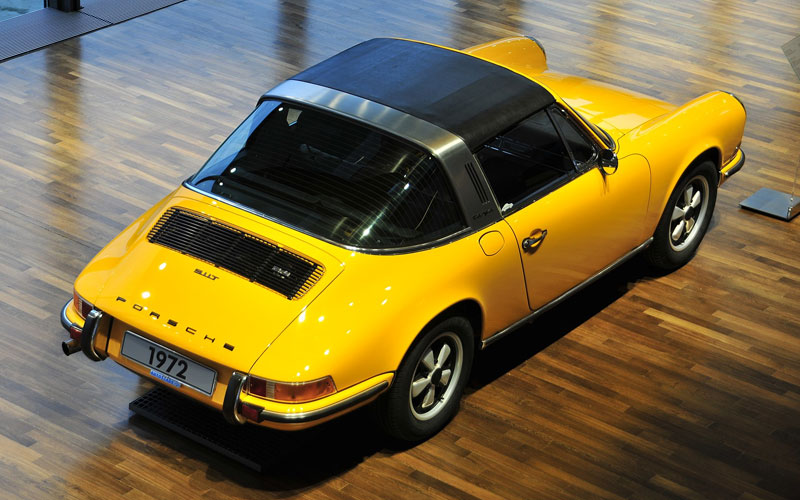
What is a Targa Top?
These days, the phrase “targa top” is most likely associated with Porsche and its iconic 911 sports car. Which makes sense considering the German automaker had the foresight to slap a registered trademark on those words way back in the 1960s. But Porsche wasn’t the first, or the last, automaker to make use of this body style on their cars and since then, there have been a wide range of innovations within this automotive niche.
Before we look at all the interesting examples of targa tops over the years, it’s important to define the term. Generally speaking, targa top refers to a semi-convertible body where a fixed roof panel can be removed, leaving a targa bar that runs between the B pillars up over the roof. Normally the rear glass would remain in place as well, but as we’ll get to shortly, there have been riffs on this theme. It’s also worth noting that targa tops are not to be confused with T-tops which feature a non-removable bar running between the windshield headliner and rear roll bar.
The First Targa Tops
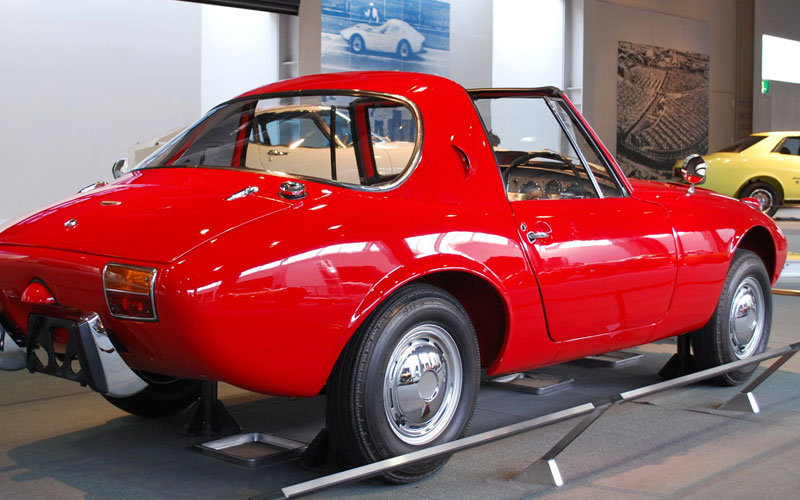
Though Porsche coined the term “targa top” with their 1966 911, they were not the first to feature this type of system. Going back to 1957, there was a limited production Fiat 1200 “Wonderful” designed by Giovanni Michelotti that appears to be the earliest car of this type. A few years later, Triumph enlisted the same designer for their TR4 and what they called a “surrey top”. The mid-60s also saw use of this type of top with the Saab Catherina prototype and the 1965 Toyota 800.
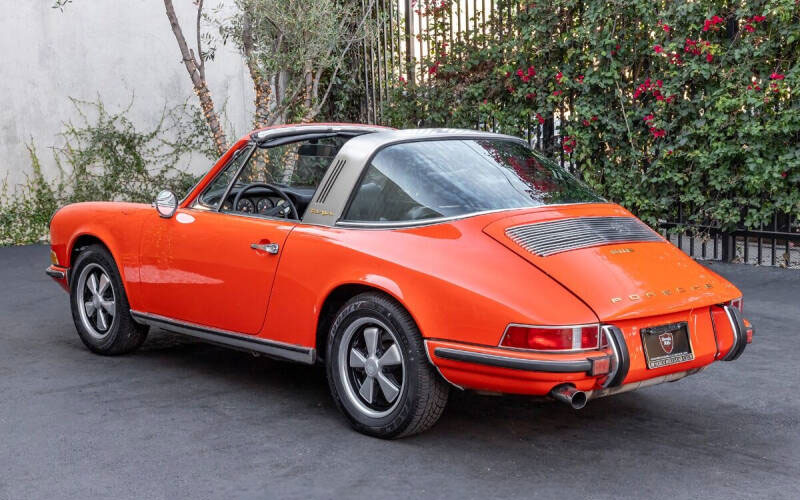
But, as mentioned, all the credit goes to Porsche. The name Targa comes from the Targa Florio, an old road race in Sicily known for being exceptionally wild and wooly. On those early 911s, the system featured a roof panel that could be removed and folded down to about half its original size. The wrapover bar or targa band with its bright finish and basket handle style came to be an iconic aspect of these Porsches.
Targa Tops Beyond Porsche
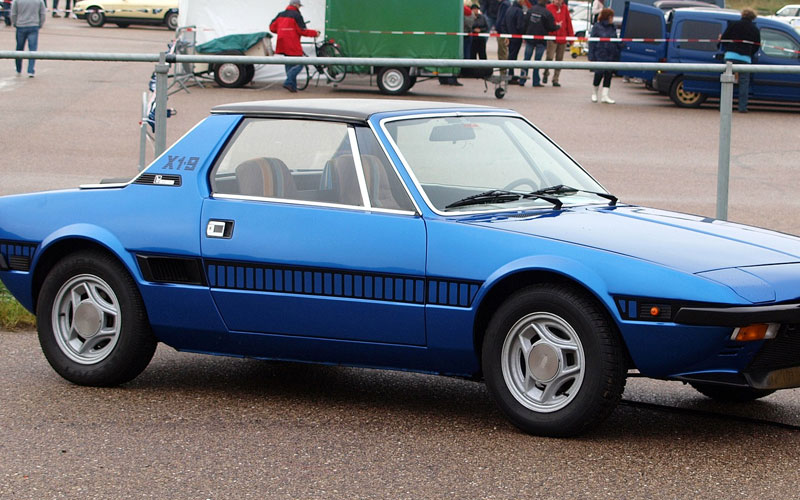
During the late 1960s, there was a pervasive fear that the US government would outlaw conventional convertibles due to poor rollover safety. Among other things, this led to Nissan sticking with a coupe for their first Z car. It also resulted in the targa top approach flourishing with all manner of quirky examples. There was the 1971 Fiat X1/9, a two-seat mid-engine Italian roadster designed by Bertone that featured rear-wheel drive. Longtime German coachbuilder Baur entered the fray with BMW’s 2002 and continued with several 3-Series generations.
Moving into the early ‘80s, we find a pair of exceedingly rare targa-style cars built by British manufacturer Griffith. First up is the 1978 Toyota Celica Sunchaser. Starting with a standard hardtop Celica, Griffith cut off the roof, reinforced the body, and installed a targa bar. Between that bar and the windshield header, they fitted a removable fiberglass panel. On the other side of the bar, these Sunchasers featured a folding cloth section with a plastic window. A little bit of targa, a little bit of convertible, 100% funky.
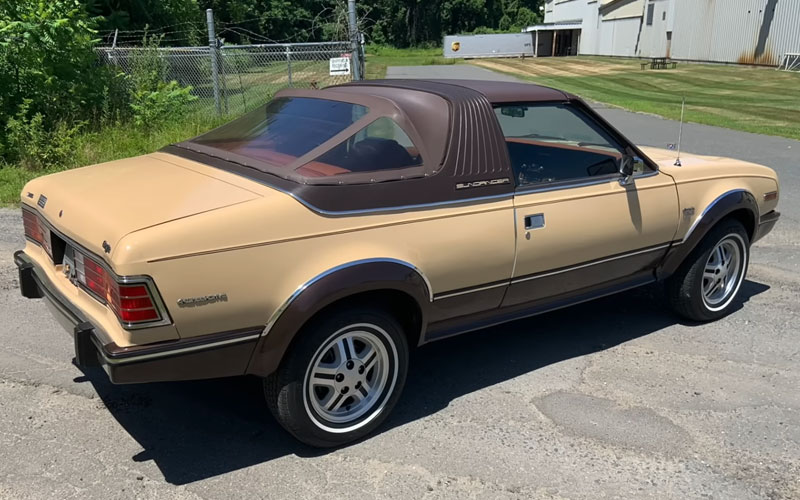
That approach was repeated with the 1981 AMC Eagle Sundancer. A truly bizarre ride, the Sundancer began as a four-wheel-drive AMC Eagle sometimes referred to as the first crossover. Once Griffith was done, it matched the Celica in terms of targa-meets-convertible style and made the Nissan Murano CrossCabriolet look positively tame by comparison.
Toward the end of the ‘80s, targa top popularity declined in the face of more convertible options – they were never outlawed – including those with folding metal hardtops like the Mercedes-Benz SLK. That said, Chevrolet has consistently offered the Corvette with a targa top body since the C4 generation debuted in 1984. One other notable targa-style car of this period was the Honda Civic del Sol. It featured a removable aluminum roof panel that could be stowed in the trunk and a rear window with power-operated up-and-down functionality.
Modern Targa Top Cars
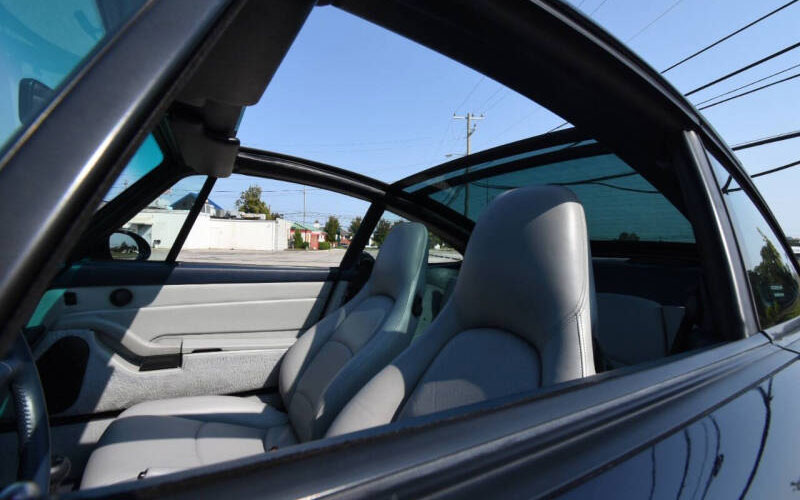
It was Porsche that took the targa top into the modern era with several innovations beginning when the 993-generation 911 arrived in the late 1990s. On this model, and continuing with the subsequent 996 and 997 generations, the targa top was an all-glass affair. Featuring automated opening, the process starts with an integrated sunshade sliding back and out of the way. Then, a narrow glass strip running along the windshield header lifts up and the all-glass roof slides back and under the rear glass.
It is similar to how panoramic moonroofs operate today except for how it goes underneath instead of over the top of the rear window. Though this design eliminated the need to store the roof panel, these 911 Targas were missing the signature wrapover bar of earlier generations.
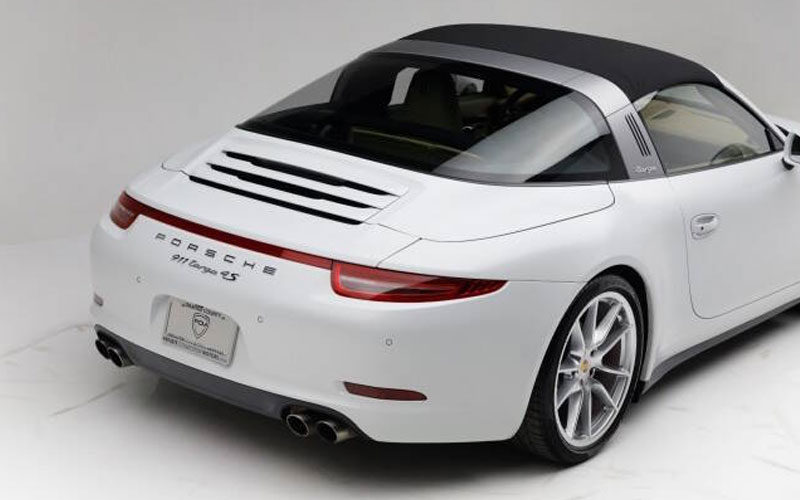
That was remedied in 2013 when Porsche rolled out the 992-generation 911 sports car and with it, one of the most convoluted mechanical ballets ever seen on a production vehicle. Activating the targa top on these Porsches begins with the entire back half of the roof – glass and metal – articulating itself up and back towards the rear end. Then, a central horizontal strip on the targa bar pops up so the glass roof panel can detach and swing away to stow beneath the rear window. Once done, the rear of the car rotates back into place to complete the look. One shudders to imagine how much this mechanized system would cost to repair, but it sure is nifty to watch.
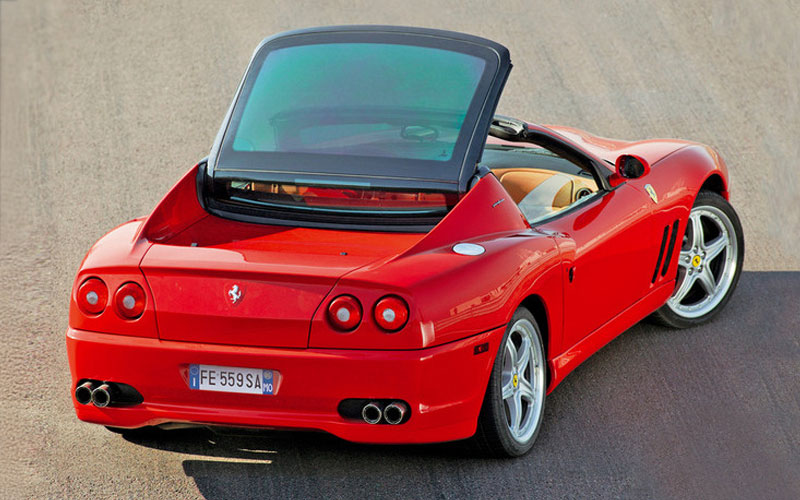
There have been other interesting targa top variations over the years outside of Porsche. Like the 2005 Ferrari 575 Superamerica and its shocking 180-degree maneuver. Release the glass roof panel on these cars, press a button, and the whole thing effectively does a backflip into a rear stowage compartment.
Bentley’s Continental Sedanca Coupe from 1999 is far less exciting with a simple removable targa panel, but quite rare as just 79 were built. Of course, we’d be remiss not to mention long-running targa top-style rides like the Lamborghini V12 supercars, recent additions like the Mazda Miata RF, and cute JDM kei cars like the Suzuki Cappuccio.