
Latest News
2026 Is a Pivotal Year for New CarsKei Cars Legalized in Colorado, Texas
Moves by Texas and Colorado bring imported kei cars out of bureaucratic limbo in major wins for enthusiasts of these adorable Japanese cars.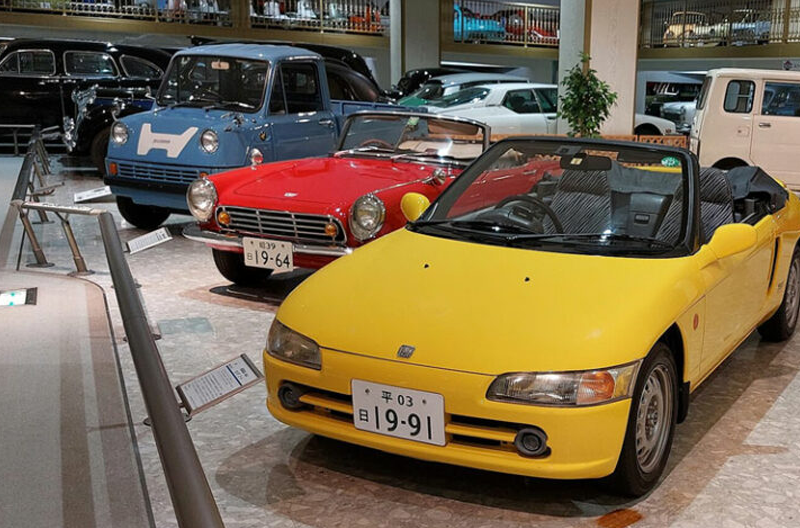
Texas and Colorado Are Cool with Kei
In a pair of majors wins for fans of Japanese kei cars, Texas and Colorado both recently passed laws to legalize these miniature vehicles. Texas’s new law is possibly the least restrictive on the books, making kei cars legal to register just like any other vehicle and will go into effect starting September 1st of this year. Colorado’s new law imposes certain restrictions limiting kei cars to use on roads posted 55 mph and below and requires limited emissions testing. Colorado’s new rules will go into effect starting July 1st, 2027.
For the uninitiated, kei cars are a class of diminutive vehicles from Japan limited in their dimensions, engine displacement, and horsepower which then qualify for certain tax incentives. (Here’s a list of our favorites.) Roughly a third of cars sold in Japan fall within this classification. The undeniable, pocket-sized cuteness of these cars has made them a natural antidote to the American obsession with the ever embiggening SUV and their popularity amongst a certain breed of car enthusiast has ballooned in recent years (think OG VW Beetles fans for the 21st century).
However, the unique charms of kei cars appear to be lost on at least one pivotal cohort, state DMV offices.
What’s Behind the Kei Car Bans?
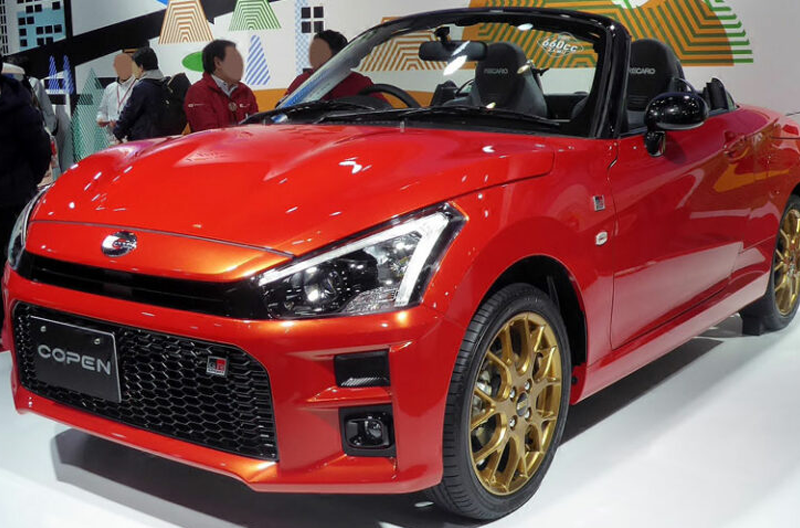
In recent years, more state DMV offices and state legislatures have imposed new restrictions on kei cars, often citing their size and lack of horsepower as being inherently unsafe. On the federal level, imported kei cars fall under the 1988 Imported Vehicle Safety Compliance Act which waves the majority of safety and emissions rules for vehicles over 25 years of age. That leaves states with the right to impose their own additional regulations as they see fit. But why have kei cars specifically come under scrutiny?
The answer is the trade organization American Association of Motor Vehicle Administrators (AAMVA) which advises and lobbies on behalf of DMVs across the US, Canada, Mexico, and the Virgin Islands. The AAMVA advises, publishes white papers, and holds conferences all with the overarching goal of improving road safety. In pursuit thereof, they published a 2011 report entitled “Best Practices Regarding Registration and Titling of Mini-Trucks” which concluded by advocating for blanket bans on kei vehicles, deeming them too small to be safe for US roads.
The IIHS (Insurance Institute for Highway Safety) concurred, advocating for kei cars and trucks to be classified as low speed vehicles that ought to be restricted to roads posted 25 mph and below. In 2021, the AAMVA issued another call on states to ban kei cars not built to federal safety standards, which would effectively eliminate the 25-year-rule carve out.
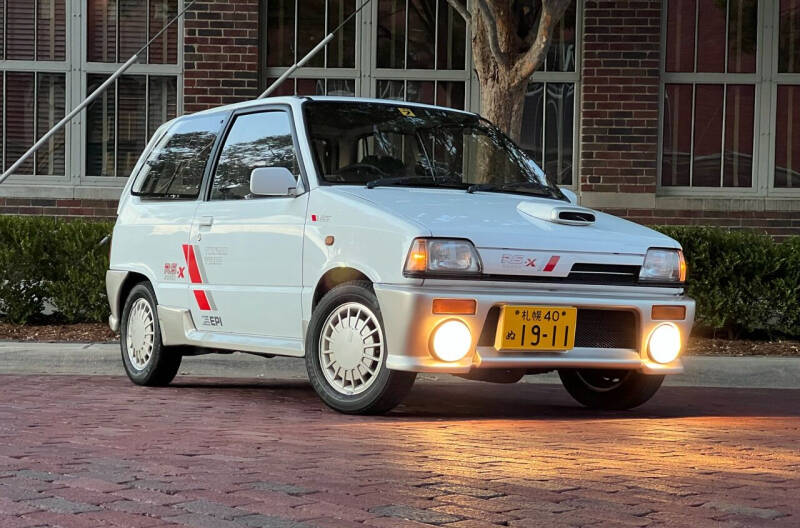
The IIHS (Insurance Institute for Highway Safety) concurred, advocating for kei cars and trucks to be classified as low speed vehicles that ought to be restricted to roads posted 25 mph and below. In 2021, the AAMVA issued another call on states to ban kei cars not built to federal safety standards, which would effectively eliminate the 25-year-rule carve out.
Those recommendations have taken a few years to trickle down to state legislatures and local DMVs, but they’re resulted in bans, de facto bans, and uneven patchworks of rules (some enforced, some not) across and even within states. Of course, many of the DMVs writing the rules and state legislators writing the laws are not familiar with JDM (Japanese Domestic Manufacturer) vehicles, let alone kei cars specifically. That gap in knowledge has meant a lot of state and local kei car rules that are murky at best, and outright nonsensical at worst. Those poorly written rules have served as fodder for lawsuits and letter-writing campaigns from owners and advocates calling for the reconsideration and/or recission of current kei car rules.
The State Patchwork of Rules is a Headache
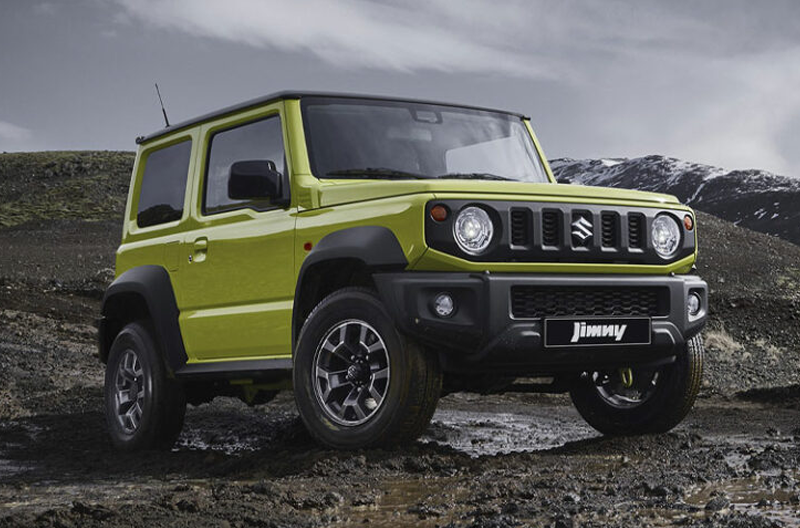
The regulations regarding kei cars vary, maddeningly, from state-to-state and even from county-to-county.
Some states, like Georgia, New York, New Jersey, and California, require kei cars to adhere to state and local emissions standards which in many cases operate as de facto bans. Recently, Georgia was close to passing a bill legalizing kei cars for registration, but Gov. Kemp vetoed the bill due to an unrelated provision that delt with speed restriction devises installed in the cars of speeders. Colorado’s new law requires an emission test; the same applied to cars from 1981 and earlier, and limits kei cars to roads posted at 55 mph or lower.
Other states also restrict kei cars to specific speed zones. South Carolina, North Dakota, and Arkansas limited them to 55 mph and below. Florida, Maine, and Ohio all set their limits for kei cars at 35 mph; Utah went with 50 mph while Missouri has theirs at 45 mph.
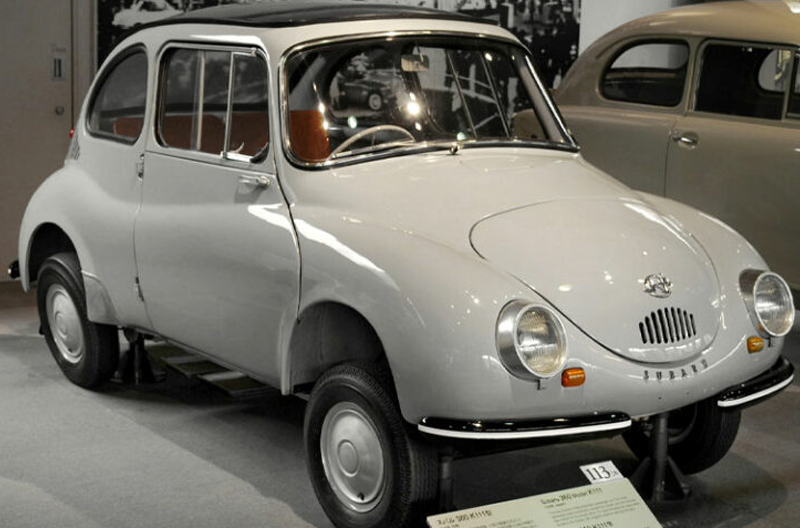
States and DMVs use reclassification as another method for soft-banning kei cars. Often kei cars are classified as off-road vehicles (despite most being clearly urban vehicles in many cases) and are limited to use as farm vehicles that can only operate on paved roads a specified distance from the owner’s residence. Wisconsin deems the cars hobby/collectable vehicles that can use public roads but are not intended for daily use. Virginia similarly files kei cars under antique/specially constructed cars (think dune buggies).
The most stringent states include Connecticut, Iowa, Maryland, Neveda, New Mexico, Oregon, and Vermont which all either outright ban kei cars and do not allow them to be registered or have DMV rules that operate as de facto bans.
Texas and Colorado aren’t the only states to recently take a softer stance on kei cars. Massachusetts recently overturned their kei car ban and instead applied the basic federal 25-year rule. A bill currently making its way through the Oregon legislature would legally define kei cars/trucks and limit their use to roadways posted at 65 mph or below.
Are Kei Cars Unsafe for US Roads?
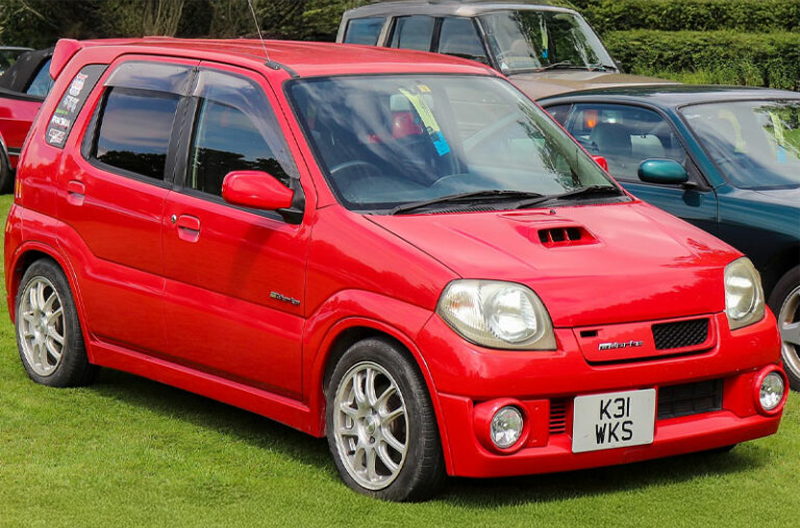
Given all this, the question looms: are rules limiting kei cars necessary to maintain safe roads or needless oversteps from faceless nanny-state bureaucrats mostly concerned with ruining our fun?
The answer all depends on who we’re making roads safe for. Compared to big SUVs, light vehicles like kei cars pose less risk to other vehicles and pedestrians. Conversely, physics being physics, the kei car is not going to come out very well in a crash with a larger vehicle.
Indeed, kei cars work in the opposite direction of the current “bigger is safer” vehicle arms race operating on American roads. Many car buyers are attracted to larger trucks and SUVs because they are rightly perceived as safer for occupants in a crash. The cruel irony being, the more trucks and SUVs on the road, the less safe smaller vehicles and pedestrians become as fatality rates jump sharply when large vehicles are involved in an accident.
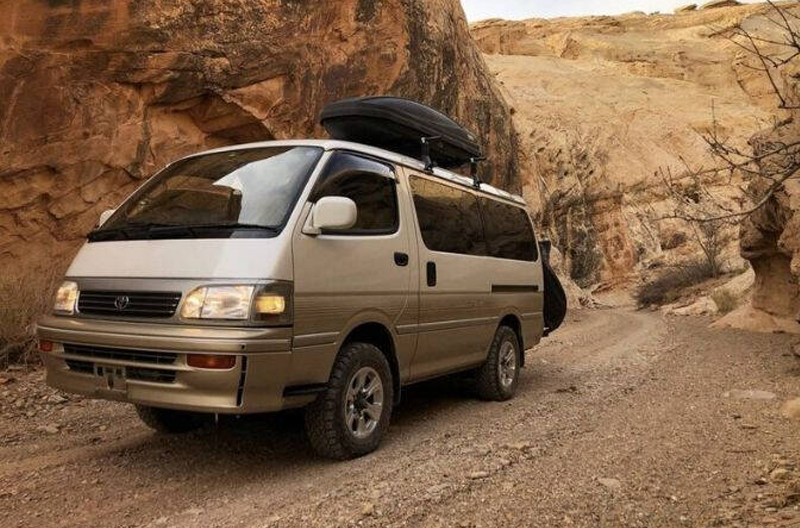
The question becomes then, are kei cars inherently unsafe due to their size and lack of power? Or just comparatively so on American roads built for high speeds and populated by hulking SUVs? While current importation rules limit JDM vehicles to 25 years or older, given the advances in automotive technology, even those 25-year-old kei cars come equipped with basic safety systems like airbags, ABS, and crumple zones.
Compare then the average kei car to a motorcycle, an inherently unsafe (but not unfun) vehicle that no state is seriously considering banning. From behind the wheel of a kei car in American traffic it becomes instantly obvious you’ve taken a similar level of physical risk to what you would when riding a motorcycle or, God help you, a bicycle.
If motorcycles remain legal (and many states don’t even require helmets!) and given Congress has yet to alter the 1988 importation rules exempting older imports from adhering to modern safety standards, it makes sense for other states to follow the lead of Texas and Colorado and treat kei car owners with similar deference and a light bureaucratic touch.