Latest News
2026 Is a Pivotal Year for New Cars2026 Is a Pivotal Year for New Cars
From technical innovations to the end of long-running models like the Ford Escape and Volvo wagons. Explore the trends shaping the future of driving.
The Year Automakers Reinvent the Road
It’s no secret the past five years have been a challenge for automakers. From supply chain disruption and electrification challenges to battling inflation, the industry has numerous challenges to overcome.
As the industry adapts to make these changes, it’s very clear that 2026 will be a big year for the automotive industry. From huge changes to electrification and the end of some iconic models, the roads will look a lot different in 2026.
We Could Be Driving Tiny Kei Cars In 2026
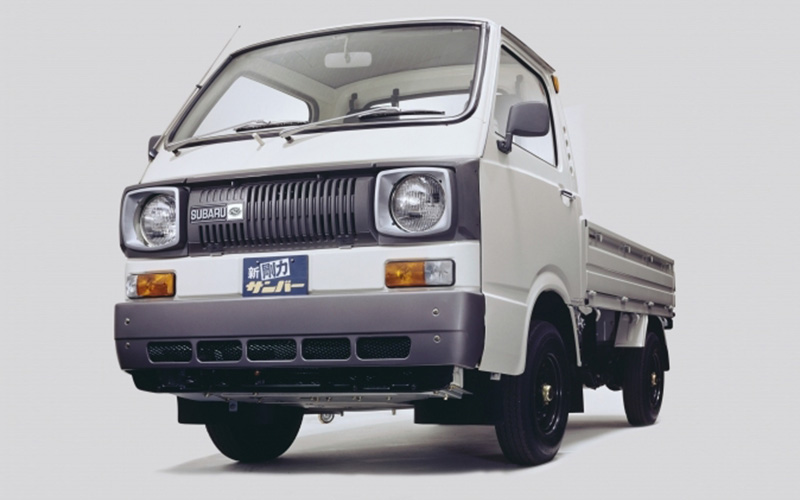
Kei cars are widely available in many countries, but in the US, they do not currently meet the Federal Motor Vehicle Safety Standards. The only way to legally drive one of these cars is to have one that is older than 25 years old and live in a state that will register it for use on public roads.
President Trump posted on social media that he wants to relax federal regulation to get more of these tiny vehicles on the road. But so far, no additional legislation has been passed, and state DMVs might still have the final word on registration of these cars. It’s hard to say if this will all happen in 2026, so don’t purchase that Mazda Bongo just yet.
Electrification Gets a Big Rethink
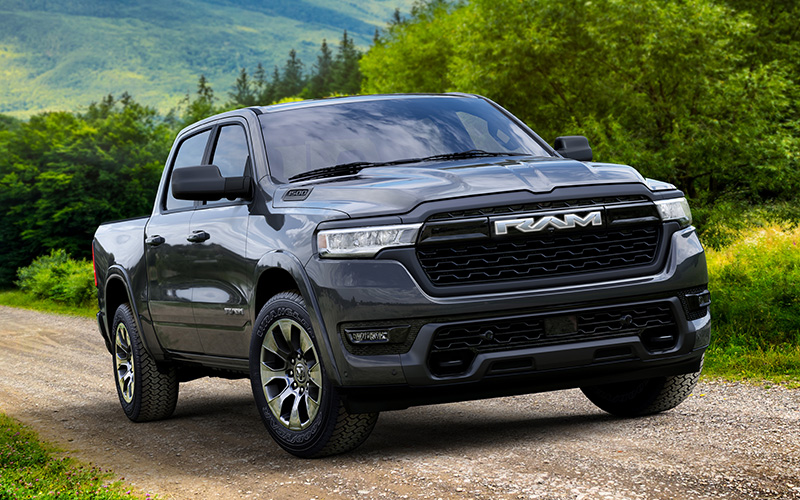
Electrification is still a big part of the industry, but a few key events have caused automakers to rethink their strategy. While fully electric vehicles are still a growing sector of the industry, consumer interest is cooling and it’s clear that automakers are looking to diversify their electric options.
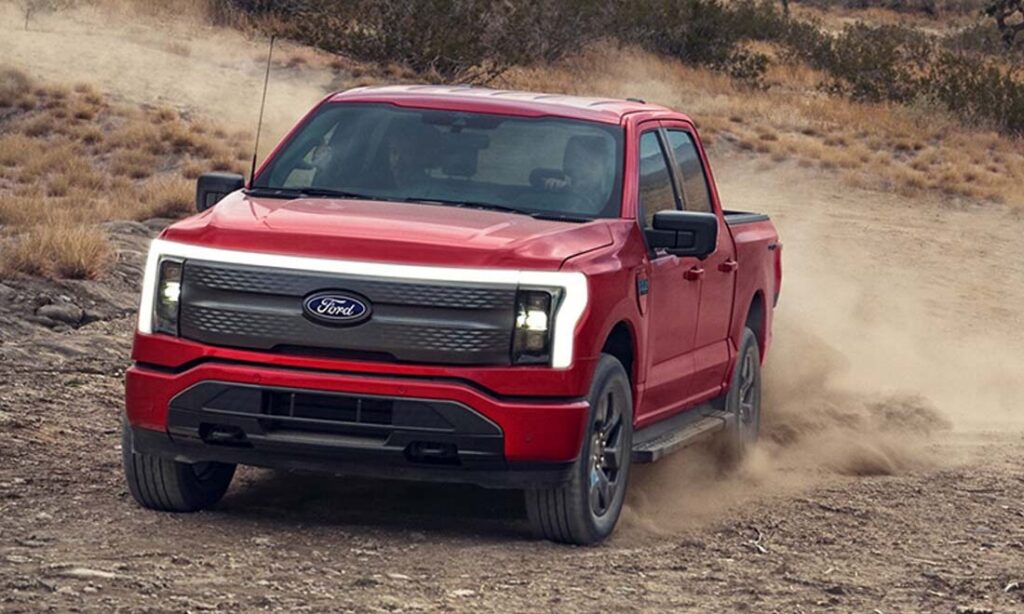
Both Ford and Ram are launching plug-in hybrid versions of popular pickup trucks. Both the F-150 Lightning EREV and the Ram 1500 Ramcharger primarily use electric motors in the drivetrain but add a gas-powered generator to charge the battery once it’s depleted. This means all of the benefits of an EV powertrain, but with an added range to help on longer trips or while towing.
2026 will still be a big year for affordable EVs too. The Chevrolet Bolt is back after a few years off from the market. The new Bolt is updated with better charging and slightly better range. Most importantly, the Bolt will start under $30,000.
Ford will be taking its first big steps toward a whole new range of affordable EVs. Announced in 2025, Ford is creating a whole new lineup of vehicles based on a universal platform for a range of affordable light pickup trucks and SUVs. We expect a full reveal later this year with new models hitting the market by 2027.
Ford Ends Production on the Escape
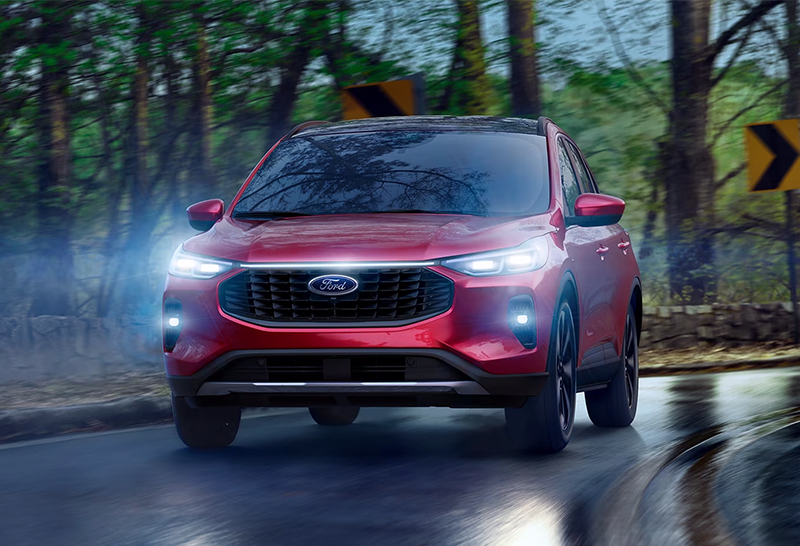
The Ford Escape has been one of the most popular SUVs that Ford has made in the past 25 years, which is why it came as a huge shock to consumers and dealers when Ford announced it would be retiring the car after the 2026 model year. The Kentucky plant which made the Escape will begin retooling to start producing Ford’s next generation of affordable EVs.
Volvo Says Goodbye to the Wagon
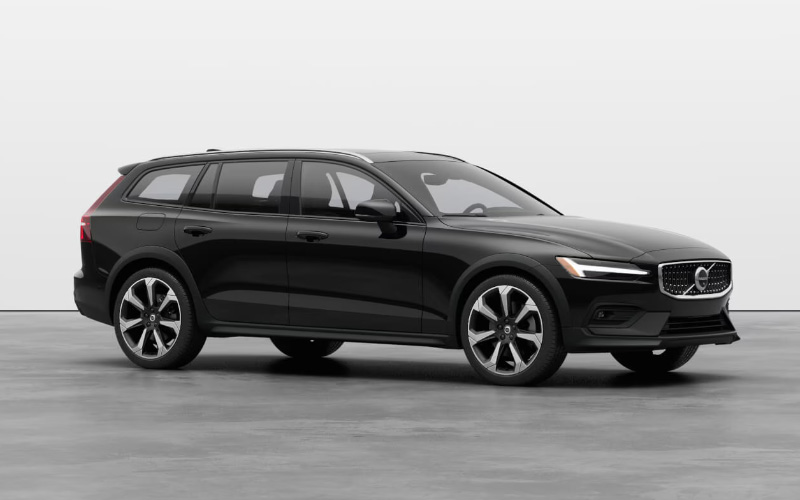
I was just a kid during the golden years of the station wagon. But I still remember the days when Volvo ruled the station wagon game. With legendary station wagons like the Volvo 200 Series and V70. The words “Volvo” and “Station Wagon” were once inseparable.
That era is ending. The 2026 will be the final production year for the Volvo V60 Cross Country which was its last station wagon in its lineup. Volvo will now focus its efforts on its more popular SUVs and EVs.
Kia Refreshes Their Lineup
The Kia Telluride has been a big hit for the Korean automaker, so it comes as no surprise the Telluride is getting a facelift for the 2027 model year. Under the hood, the 2027 Telluride offers an all-new hybrid version. Kia hasn’t released fuel economy estimates yet, but it’s safe to assume that it will be close to the Hyundai Palisade Hybrids 35 mpg combined fuel economy.
The Kia K4 was a breath of fresh air when it hit the compact sedan market. This year, Kia is adding a hatchback variant to the K4. For those looking for a sporty ride and flexible cargo space, the GT-Line Turbo adds a 1.6L turbo engine.
There is No Doubt, 2026 Will Change the Auto Industry
From electrification to design overhauls, 2026 will redefine cars as we know them today. As with many things in the new year, old ideas are updated, new ideas come along, and we all embrace a season of change.
Related Articles