Latest News
2026 Subaru Crosstrek Review
Prices are cooling off as buyers grow skeptical of expensive pickups and high-end EVs, shifting instead toward smaller cars, crossovers, and hybrids.
Are Car Prices Going Down in 2024?
During the height of the pandemic there were a lot of headlines that breathlessly proclaimed Nothing Would Be the Same and applied this unassailable truth to everything from eating out and weekend playdates for the kids to how much we tip service workers or pay for a car. And while the ever-changing protocol for tipping remains in flux, most things have returned to a semblance of normalcy. Inflation has been sticky and the prices of both eggs and cars have remained stubbornly high.
That is until the first quarter of 2024 wherein the market is shifting, finally and at long last, in favor of buyers. Average transaction prices have dipped for nearly every manufacturer, in some cases significantly. While Toyota and Subaru have managed to get a bit more out of their inventory, the rest of the industry has been forced to bring prices down. Leading the trend are domestic automakers Ford, GM, and Stellantis all cutting transaction prices with Dodge executing the most pronounced reduction, down over 12 percent from December 2023 to March of this year.
High Price SUVs are Taking a Hit
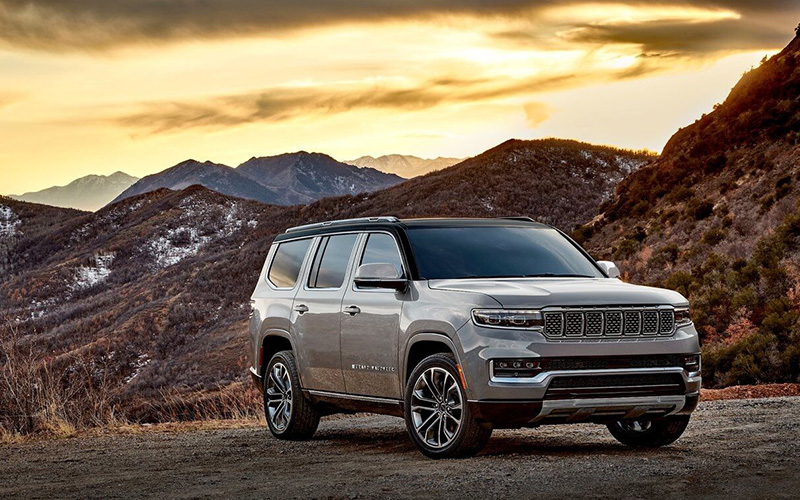
Jeep and Dodge brands are good examples of a wider phenomenon. Market positions for car companies are years in the making and require years to pivot. The approach Stellantis (the parent company of Dodge and Jeep) took during the last four years was to move brands like Jeep upmarket to a higher selling price (see the re-emergence of the Grand Wagoneer for example). Transaction prices ballooned and carmakers became accustomed to big margins on high-end vehicles.
But a lot has changed in just a few years. Interest rates are now averaging around seven percent and car buyers are becoming increasingly frugal. According to Detroit News, Jeep’s sales for 2023 were down six percent overall at the same time that parent company Stellantis led major automakers with an average transaction price of $53,300. This is not coincidental. Lower demand for higher priced vehicles like pickups and SUVs (the numbers of which we’ll dig into below) has led the likes of Jeep to finally start to cut prices. The sellers’ market is rapidly evaporating.
Market Cooling on Expensive Trucks
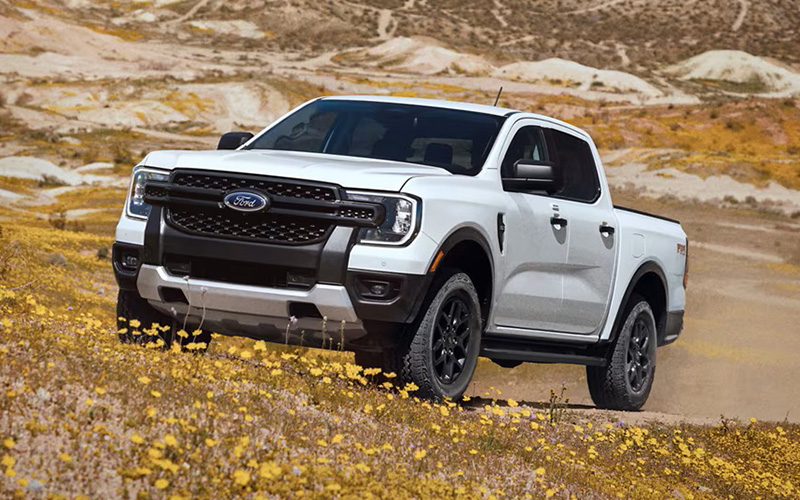
A glance at the Q1 results for the top-selling models in the US reveals a shift away from those expensive, high-margin vehicles manufacturers love so much and toward smaller, more reasonably priced. Per Automotive News, light-vehicles as a whole were up in Q1 by 5.6%, while at the same time pickup trucks, long the best-selling segment in the US, were down four percent.
Trucks offer another good microcosm of the wider market. High-ticket full-size and heavy-duty trucks saw notable declines with RAM trucks leading the way, down 15 percent in Q1. Ford likewise posted diminished sales, off 10 percent. GM’s full-size trucks were down 1.2 percent, but the company’s overall truck numbers were buoyed by strong heavy-duty sales to bring them just into positive territory for the quarter. The Toyota Tundra was a major outlier, rising 41.3 percent in Q1.
Mid-size trucks were off significantly in Q1, hampered by model changeovers and low production numbers. The segment as a whole dipped 31 percent, dragged down by generational churn for both the Toyota Tacoma (down 55 percent) and the Ford Ranger (down 83 percent). The Nissan Frontier and Chevy Colorado managed to stay in positive territory up 16 and 12 percent, respectively. Meanwhile, light trucks, of which there are currently two, were a tale of extremes. The Ford Maverick delivered 39,061 units in Q1, up 81 percent. The Hyundai Santa Cruz delivered just 3,362 units, down 12 percent.
What do Lower Prices mean for Car Buyers?

What can we glean from this? Full-size pickup trucks, while still a dominant force, may be loosening their grip on the market. The success of the small, affordable, and hybrid Ford Maverick is a bellwether. A look at the top selling models in Q1 tells the tale.
Small cars and crossovers saw a near universal jump upward at the same time larger vehicles like the full-size pickups covered above fell or remained flat for the quarter. Big movers included the Honda CR-V, up 41 percent, with rivals like the Toyota RAV4 up 47 percent and Subaru Forester up 60 percent. Small cars also saw upward movement. The Toyota Corolla was up 40 percent in Q1 as was the Honda Civic, up 36 percent while the Nissan Sentra saw the biggest jump, up 78 percent. Big SUVs like the Ford Explorer and Jeep Grand Cherokee were flat for the quarter.
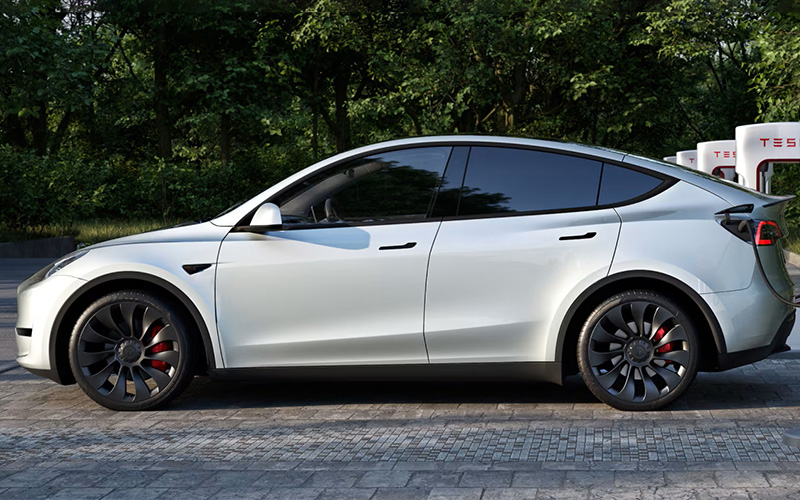
It’s not just expensive pickups and SUVs that are stagnating. EVs, very recently the darling and presumed future of the industry, are cooling off. Tesla’s sales numbers were down an estimated 9 percent in Q1. The company has slashed prices on their mass-market Model Y as insiders report a glut of unsold inventory topping 47,000 units. Growth for EVs has remained upward but that trajectory has flattened recently, going up just 2.7 percent in Q1.
On the flip side, hybrids are finally having their moment. The Ford Maverick being one such hybrid success story and another being Toyota who’ve long argued for a more measured approach to electrification. Toyota was up 20 percent in Q1, crediting their hybrid and lone EV offering, the bz4X, for the success, as such vehicles were collectively up for Toyota by 36 percent.
The overall lessons are clear. Car buyers are moving down market and toward hybrids over full-EVs. Vehicles that are smaller, more affordable, and more practical are in demand while big, bloated, and expensive vehicles are losing their charm. The question is, as prices come back down, will buyers flock back to SUVs and pickups or will the market continue to see a new and more affordable array of successful models?