
Latest News
2026 Ford Escape Review
Ford, GM, and Stellantis have all reached tentative agreements with the UAW for new union contracts, ending the longest strike in a generation.
A Bigger Piece of a Bigger Pie
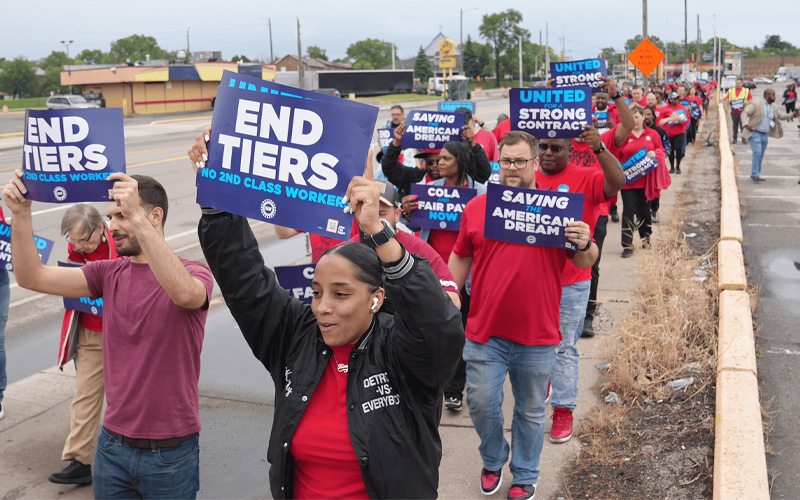
This week the UAW (United Autoworkers) union reached tentative deals with the Big Three automakers Ford, GM, and Stellantis to end a historic six-week strike, the longest such strike in 25 years. Under the new contracts workers would see major hikes in pay, improved benefits, and new rights to strike. The deal was the result of hardball tactics from the UAW that included walkouts at critical plants, making large up-front demands, and initiating the first ever three-way simultaneous strike targeting all three major US-based carmakers at the same time.
While the UAW did not get everything they asked for, like a 32-hour work week, many of their demands were met by Ford, GM, and Stellantis, marking a historic win for the union. Below we detail what is in the new union contracts and how they might affect the industry going forward.
Revised Compensation
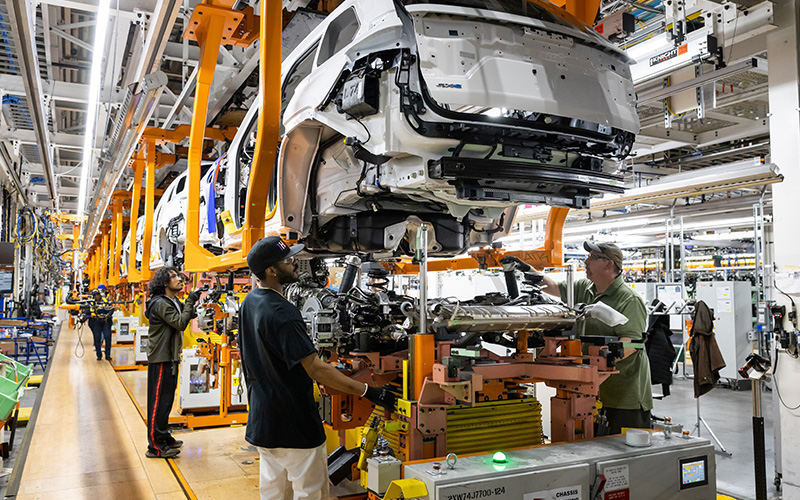
The biggest win for UAW workers was a major increase in overall compensation. Under the new contracts, workers would see their wages rise by 25% over the next 4 ½ years. The Ford and Stellantis deals provide for an immediate bump in pay of 11%. Ford line workers are set to see a pay hike for top earners from $32.05 to a new ceiling of $42.60 per hour while skilled workers will see theirs rise from $36.96 to a top wage of $50.57 per hour. GM’s new top wage will be set at $42 per hour with a starting wage of $30 per hour.
Concomitantly, those top pay figures will be accessible much earlier than under prior contracts. The new agreements make top pay available as soon as three years from hire. A far cry from the eight years under former agreements.
COLA, Elimination of Wage Tiers
As with the lengthy intervals for access to top wages, cost of living adjustments or COLA were one of many concessions UAW workers made with automakers in the wake of the 2008 Great Recession. Shawn Fain, UAW President, and other union leaders emphasized the redress those concessions in light of recent record profits from automakers.
Under the new contracts, UAW workers at Ford facilities would see COLA equal to the three-month average in the consumer price index, with the first such adjustments arriving in December of this year. Details have yet to be released on COLA provisions in the UAW deals with Stellantis and GM.
Another win for the UAW was the elimination of two-tier wage systems that resulted in new hires earning less than half that of more senior workers for doing the same work.
GM Deal Details
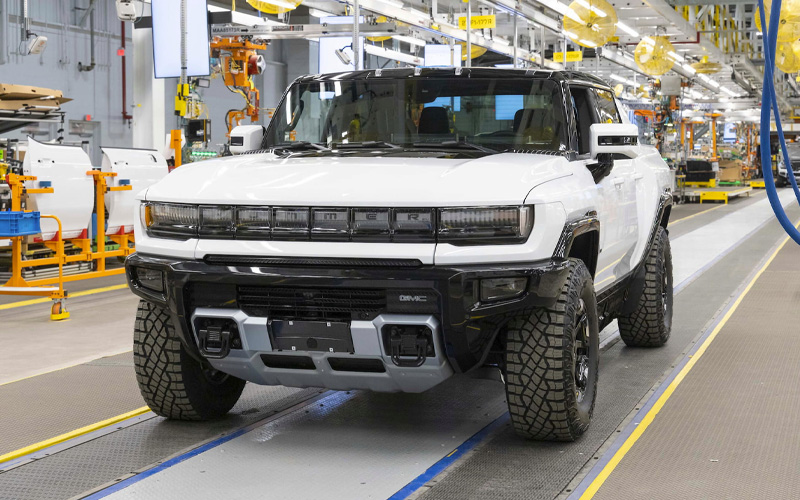
The UAW deal with GM included additional concession from the automaker that could have wider implications for the industry. The new contract with workers expanded the union’s purview of GM’s joint venture with LG in producing their Ultium EV (Electric Vehicle) battery packs. Like the elimination of a two-tier wage structure, GM agreed to reductions in their use of temporary workers (those that might otherwise undercut the wages and benefits of full-time workers). Also, part of the deal was a new right for union workers to strike in response to plant closures, giving the UAW more power to influence GM’s future investments.
Knock-On Effects of the Deal
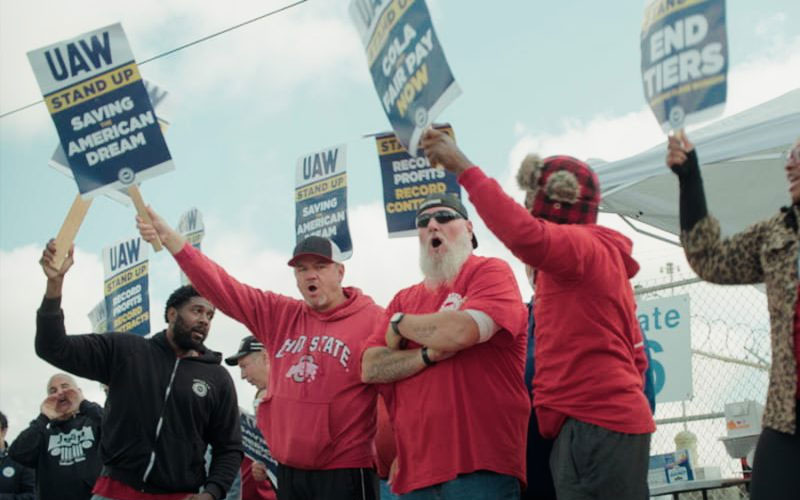
The historic deal between the UAW and Ford, GM, and Stellantis does more than improve wages and benefits for those workers. The knock-on effects have already been significant, for better and worse. Ford says the company lost approximately $1.3 billion in revenues due to the strike idling output, adding that the new agreement would increase their production costs by roughly $850 to $900 per vehicle. (Importantly, experts note that much of such cost increases will be borne not by consumers with resultant higher prices but by cutting into company profits, as the industry continues to navigate a currently tumultuous rebalancing of supply and demand.) In all, it is estimated that the UAW strike’s total economic impact will reach over $9 billion including lost wages for workers, reduced production and sales for the carmakers, and downstream effects on suppliers.
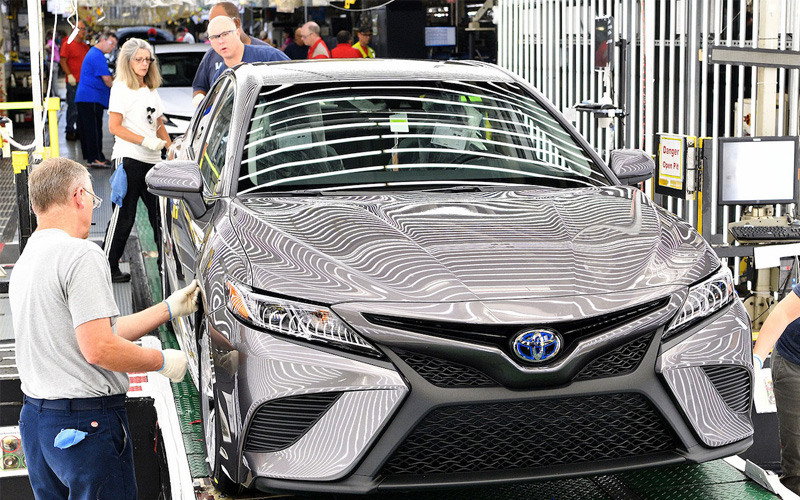
While the UAW was reaching its deal with the “Big Three” automakers, Toyota raised the wages of its US workers, likely to preempt efforts to unionize their currently non-union workforce. Reportedly, Toyota hiked wages for regular production workers to $34.80 per hour and up to $43.20 per hour for skill laborers. The company stated these increases were an effort to remain a competitive employer in the industry.
Indeed, the UAW has made it plain they will seek to unionize currently non-union US factories of automakers like Toyota, Tesla, and Honda. The major wins the UAW has achieved for workers in their deals with Ford, GM, and Stellantis are likely to enhance their chances of further union expansion in the industry.