
Latest News
Tips for Buying a Car Out of State
As the warm weather of summer and autumn winds down, now is a great time to go through a fall car care checklist in preparation for winter.
Winter Is Coming

As the hot summer months give way to the pleasant days of autumn, it’s easy to forget that winter is just around the corner. Which makes this the perfect time to work through a fall car care checklist. It’s particularly important when you consider how the higher heat of summer and the deeper freeze of winter can speed up wear and tear on your car’s critical components.
Any existing issues with your car – from hard starting to rough idling – will only be magnified when the mercury drops. It’s better to address these problems now rather than wait to be stranded in the cold. To that end, let’s dive into a fall car care checklist to help prepare for winter driving. And though overall electric car maintenance is less rigorous than its internal combustion counterpart, much of this applies in either case.
Dust Off That Owner’s Manual
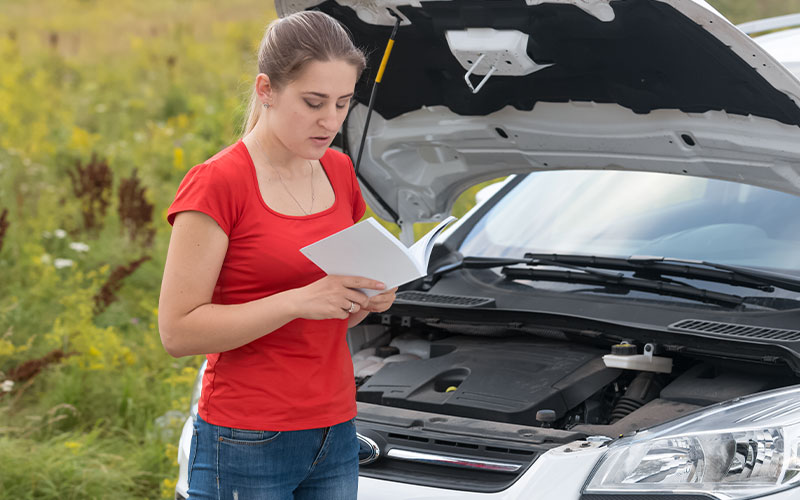
A good place to start your fall car care checklist is the owner’s manual that came with the car. In it, you’ll find the manufacturer’s recommended service schedule for most components. Even if you haven’t been following it closely, it will give you an idea of specific areas to look at on your car based on age and mileage.
Test The Battery
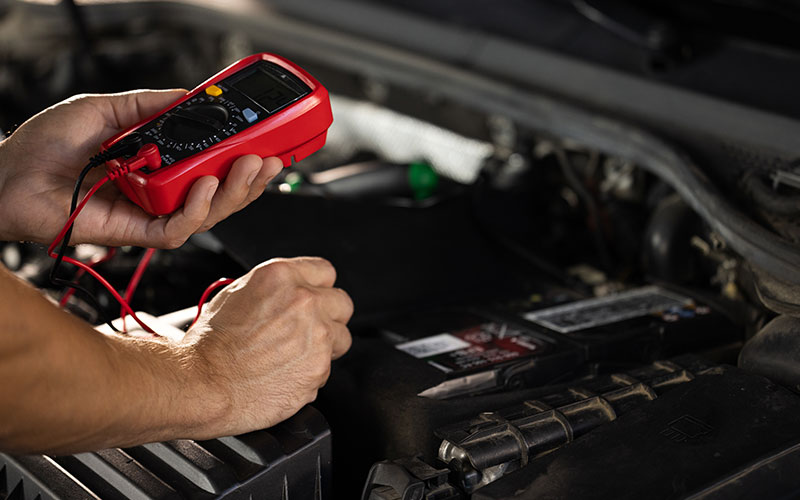
You can’t start your car if the battery is dead and they unfortunately have a tendency to quit unexpectedly. Plus, an ice-cold winter morning can really put the hurt on a battery that’s on its way out. So, checking the battery for how well the system can hold a charge is time well spent. Better to replace the car battery now and avoid an emergency later.
Check Your Cars Fluids
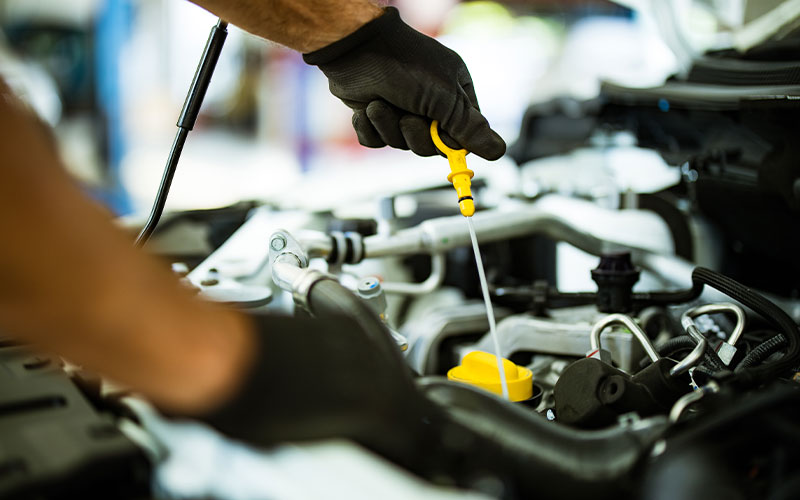
If you can’t remember the last time you changed the oil on your car, it’s a good idea to do so before winter arrives. If you’re on top of this service, just make sure to check the engine oil levels using the dipstick. While you’re in there, checking fluids for the power steering, brakes, and engine coolant is a good idea.
Typically, these fluid tanks are opaque with integrated lines indicating where the levels should be, but you can always consult the owner’s manual if you’re unsure. An auto parts store will sell replacement fluid should you need to top anything off, but for the coolant, it is critical that you only do so when the engine is cool – not hot – to avoid getting burned.
Make Sure Your Tires Are Ready
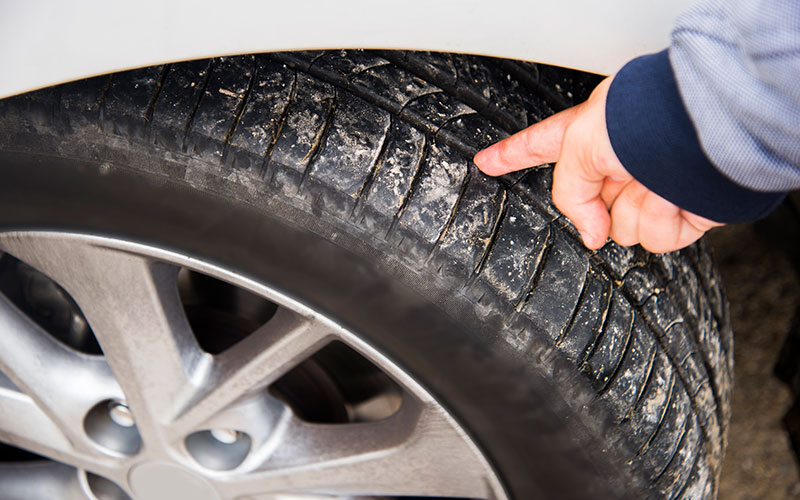
Tires are always an essential aspect of safe driving, but perhaps doubly so when the roads are cold and slick. To ensure your car is winter-ready, start by checking tire condition and pressure. Compare the pressure against the sticker on your car’s door jamb – not the tire sidewall – as this is the maximum rating versus the manufacturer’s recommendation.
While you’re at it, look at the tire tread depth. If you can see the wear bars, it’s DEFINITELY time for new tires. If not (hopefully), use a dedicated gauge or simply put a penny between the treads upside down. If Lincoln’s head is at least partly covered by the treads, you’re generally okay. For those in the Snow Belt, installing snow tires is worth looking into.
The All-Important Windshield
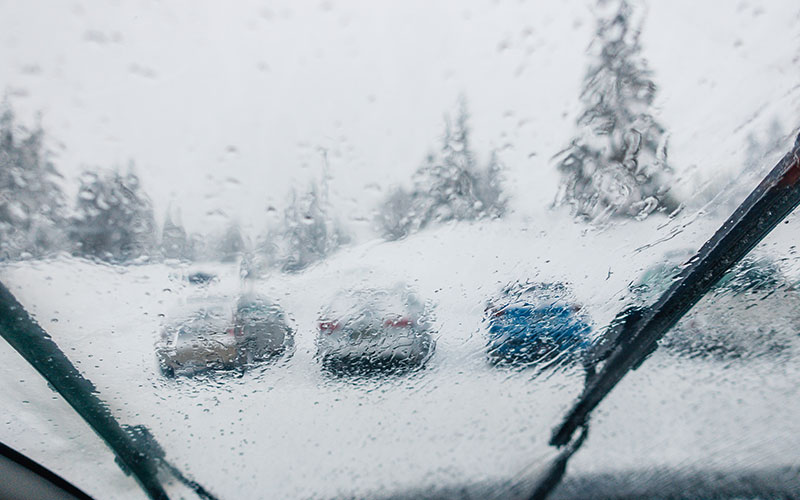
You know how when it’s raining and you turn on the windshield wipers only to decrease visibility because the water is being smeared around? That’s a sure-fire indicator it’s time for new wipers because you do not want that happening during a snowstorm at night.
Rather than waiting to get there, take a look at the rubber edges where the wiper meets the windshield. If can see any cracks or missing chunks, go ahead and buy a new set. As well, top off the wiper fluid now, so that it’s easy to clear winter road grime while driving. For folks in extra chilly climates, it’s a good to idea to use winter windshield fluid to ensure it doesn’t freeze.
Check The Lights Inside and Out
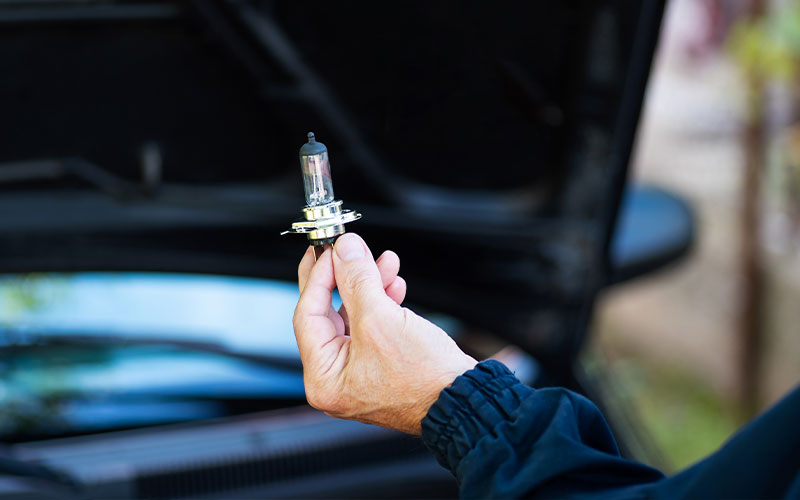
As fall becomes winter, the days only become shorter, which means you’ll be driving in the dark more frequently. So, take a few minutes to verify the lights work inside and out. Checking the cabin lights is a cinch, but you may need a friend to stand outside while checking brake lights and turn signals.
If any of those lights aren’t working, you can usually swap out the old bulb for a new one with reasonable ease. If you’re having trouble figuring out what screws to loosen, consult YouTube, which is likely to have a tutorial specific to your make and model.
It’s Heating Season
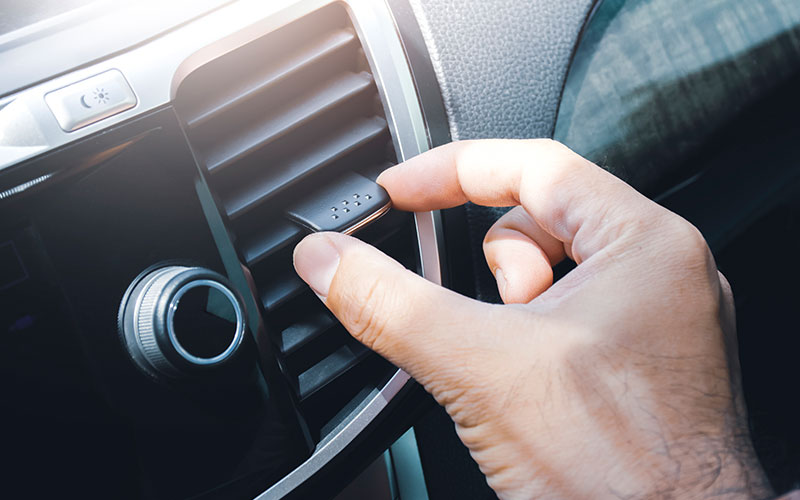
After months of putting the windows down or running the air conditioning, you likely haven’t run the cabin heater in your car. In the interest of avoiding a frigid winter commute, go ahead and fire this system up as part of your fall car care checklist. If you’re only getting cold air, it could mean the thermostat is on the fritz or the heater core is clogged.
Be Prepared

Getting stranded in a car is no fun, but when it happens in sub-zero conditions, it can also be dangerous. That’s why packing an emergency roadside kit before winter arrives is a good idea. Useful items include a blanket, an ice scraper, a multi-tool like a Leatherman, a flashlight, and a first aid kit.
Keep It Clean
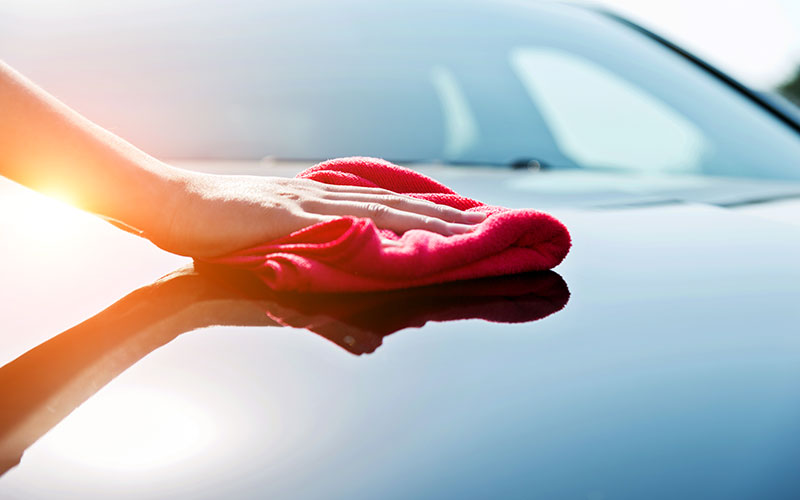
Last but not least, give your car a wash and wax while the weather is still warm. Not only will your car look good, but you’ll also help protect the finish by removing any leftover warm-weather contaminants from birds, trees, and the like. And a coat of wax will help keep the winter slop at bay that much longer.