Latest News
2026 Ford Maverick ReviewTop Ten Car Features That Should Be Standard
Is it too much to ask for physical HVAC controls on a car? Let’s find out in this rundown of the top 10 features that should be standard on all cars.Ten Features That Should Be Standard on All Cars
These days, new cars, crossovers, SUVs, and trucks are increasingly packed with standard content that adds convenience, safety, and fun to the driving experience.
However, even as airbags and backup cameras have become federally mandated, there are plenty of features that remain either optional or unavailable on vehicles at the lower end of the price spectrum. So, we’ve put together this list of the top 10 features that should be standard on all cars.
10. Adaptive LED Headlights
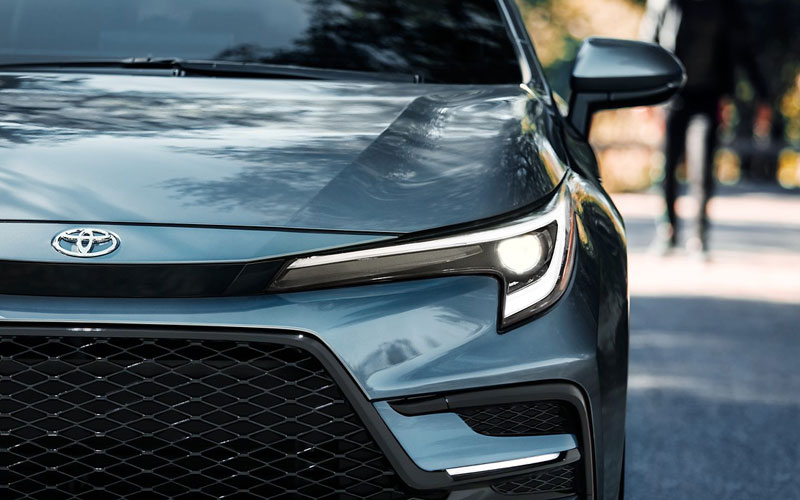
LED headlights alone should be standard on all cars given the relatively huge improvement they provide to nighttime visibility. Unlike old-school halogen bulbs that smear yellow-colored lighting out in front of the driver, LED bulbs generally produce a bright white area of illumination with crisp edges that dramatically improve a driver’s ability to see at night.
But taking it a step further to adaptive LED headlights would be much better. Automakers use names like “Dynamic Bending” to describe these types of headlights that swivel in concert with the steering wheel. Drive a vehicle with adaptive LED headlights on a curvy road in the dark and you’ll instantly, uh, see what’s so great about these headlights that take nighttime driving visibility up several notches.
9. Hands-Free Liftgate
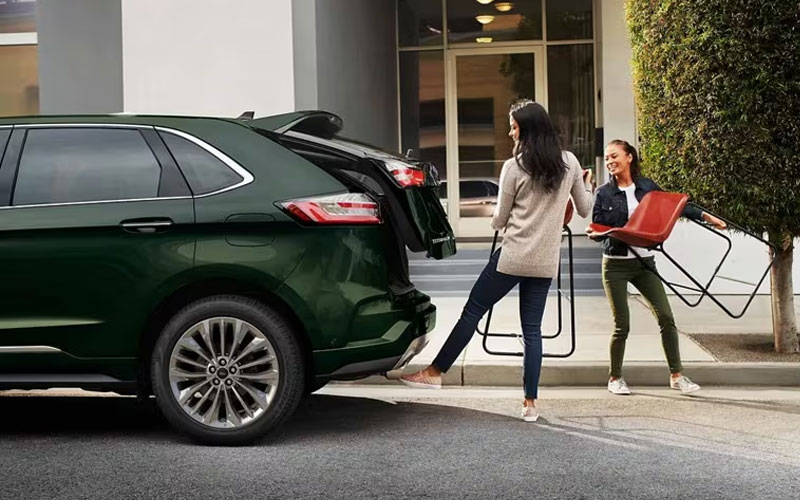
Considering cars have been almost entirely supplanted by crossovers, it’s high time manufacturers stepped up to make the hands-free liftgate standard equipment. Since everyone is now driving an outdoor lifestyle vehicle for constant adventuring, it would be nice if we could load up all our camping, rock climbing, and surfing gear while our hands our full
This convenience feature allows you to swing a leg under the rear bumper and trigger an automatic liftgate opening sensor. Kidding aside, it really is nice not to have set down an armload of stuff – like groceries – to fumble with the key fob or *gasp!* pull the physical release lever. And for those of us still clinging to sedans, a hands-free trunk would be equally welcome standard tech.
8. Front and Rear Parking Sensors
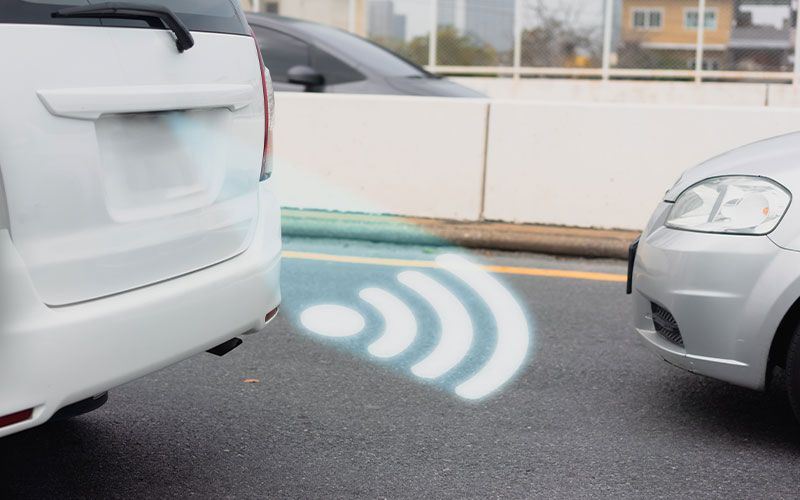
All vehicles made since 2018 are required to have a backup camera, which makes driving in reverse easier than ever. Along with green, yellow, and red lines to indicate how close you are to objects out back, most of these systems also provide rear sonar to deliver audible alerts. This is handy for a variety of situations, but particularly for parking.
Forward-facing sensors are equally useful, but not currently standard. If you’ve ever pulled an Austin Powers 40-point turn to squeeze out of a tight parallel parking space because the car in front of you is so close, you know why front parking sensors would be helpful.
7. Rear Cross-Traffic Alert
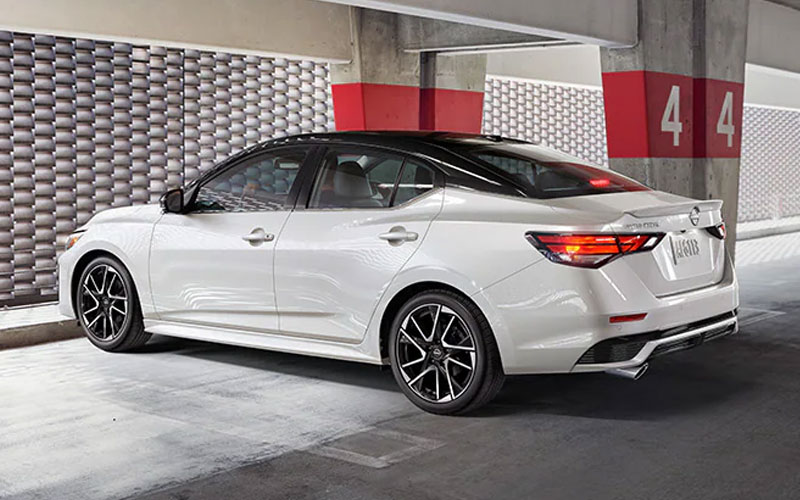
Along with the pure joy that is navigating parallel parking comes perpendicular parking. Pulling into a parking space head-on is one thing. Backing out can be another thing entirely. Especially if you’ve got a couple of giant SUVs flanking you and helpfully blocking all rear sideward vision.
Raise your hand if you’ve ever been slowly backing out of a parking space only to have a car shoot past your bumper while leaning on the horn. With rear cross-traffic alert, sonars in the back end of your vehicle can detect these ace drivers and alert you to their presence via beeps and vibrations.
6. Wireless Apple CarPlay and Android Auto
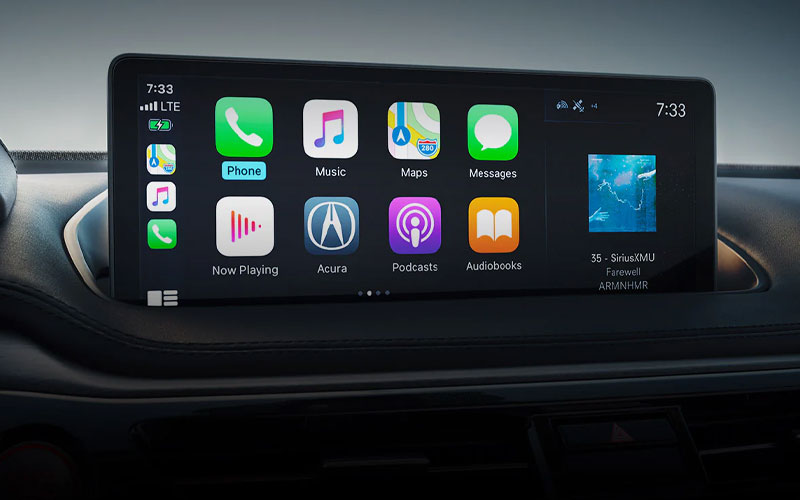
Apple CarPlay and Android Auto have exploded in popularity over the past several years to the point that they’re seemingly standard. That is not the case, yet, but this smartphone mirroring technology is increasingly common, which makes sense given how helpful it is for integrating our phones with our cars.
However, the actual connection between your Apple or Android smartphone and your vehicle’s infotainment system can require plugging a wire into the phone or, depending on model and automaker, the connection can be wireless. So, let’s cut the cord and simplify things for all by standardizing wireless smartphone mirroring.
5. Rain-Sensing Windshield Wipers

Covering both the safety and convenience aspects of driving a car in sloppy conditions are rain-sensing windshield wipers. These helpful components remove the annoyance of fiddling with how fast or slow you need your wipers to intermittently clear the windshield, by doing it for you.
Using a sensor mounted near the windshield, rain-sensing wipers automatically speed up or slow down based on how fast the rain is accumulating. Like many of the features on this list, once you experience rain-sensing wipers, you’ll be wishing they were standard on all cars.
4. Heated Front Seats
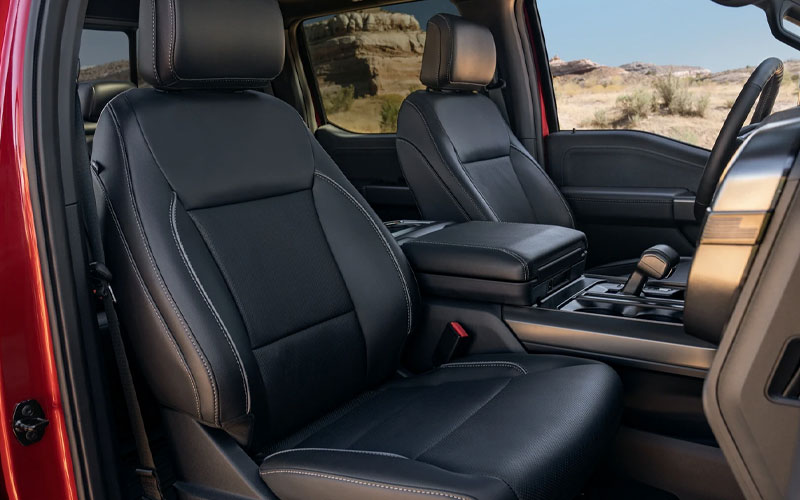
Ahh, heated front seats. Is there anything better on a frigid winter morning? Ice-cold seats are bad enough with cloth upholstery, but with leather, it’s positively horrible. These days, most heated seats offer 3 levels of warmth and many vehicles even offer heat for the steering wheels and rear outboard seats.
But we’re just asking for automakers to make heated front seats standard. True, drivers in places like Phoenix may not appreciate them, but for the sake of us Snow Belt folks, it would be nice. If you don’t have them, be aware that much like the aftermarket safety systems we discuss here, there are plenty of aftermarket heated seat options out there.
3. Forward Collision Mitigation
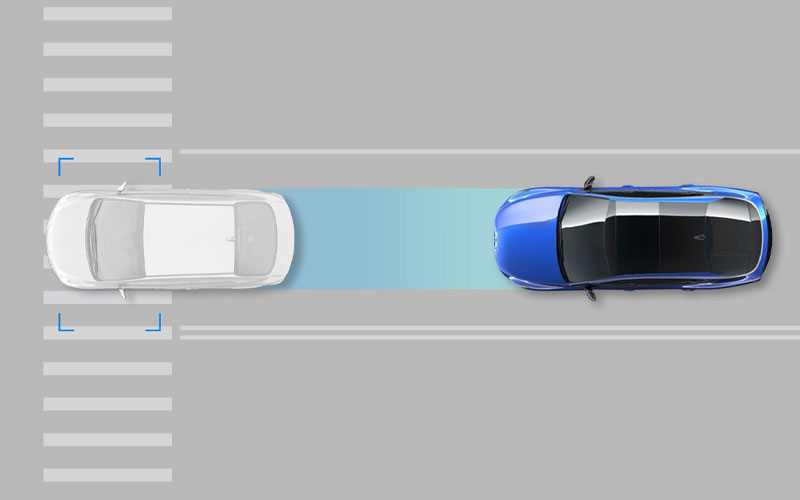
Forward collision mitigation is a term that covers two advanced safety systems, forward collision warning and automated emergency braking. Forward collision mitigation provides driver alerts when sensors detect a potential frontal impact, while automatic emergency braking virtually stands on the brakes if you don’t react fast enough to the warning.
Forward collision mitigates combines these two systems. Though automatic emergency braking is set to become federally mandated equipment and most cars include it as standard equipment, we’re not there yet.
2. Automatic Climate Control
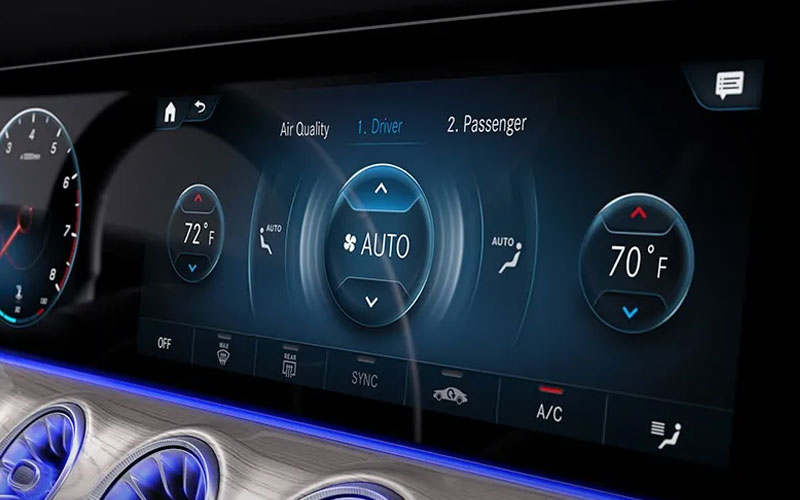
I shall now whine about the inconvenience of manually adjusting how hot or cold the HVAC is in my car and how fast or slow it shoots air out of the vents. The idea of making automatic climate control is purely born from convenience. As in, it is so convenient to choose a temperature and then let the car keep the cabin at that set point.
I’m not asking for dual-, tri-, or even quad-zone climate control, just that single-zone to be made standard on all vehicles, though those fancier setups sure are nice for keeping the rest of the occupants happy.
1. Audio and HVAC Knobs
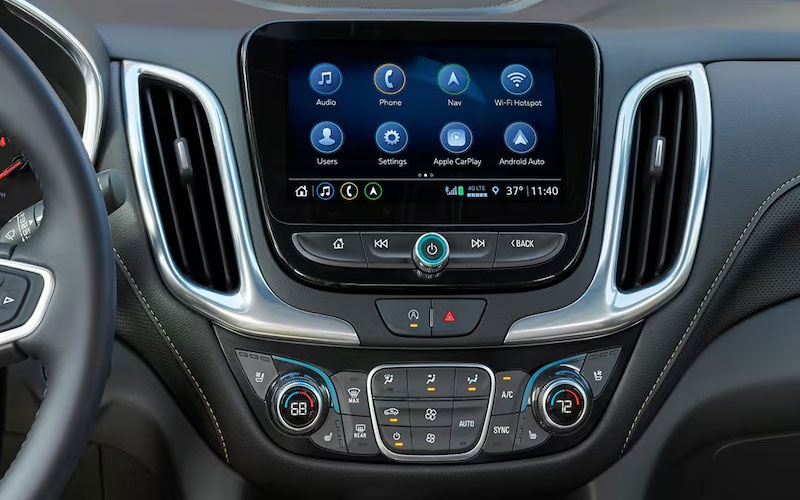
Tesla pioneered the questionable approach of removing virtually all buttons and knobs from the interior of a car. Does minimalism make Marie Kondo happy? Yes. Is it super aggravating to poke at a screen when you want to deal with the climate controls? Also yes.
In fact, this would be the other side of my complaint against manual HVAC control. Can’t we find a happy medium? Like allowing drivers to press buttons and knobs to manage audio and HVAC systems. It also seems unsafe to have to look at a digital screen while driving to modify the cabin temperature. So, let’s keep some level of physical control standard on all vehicles, please.