
Latest News
December 2025 New Car IncentivesUpside Down on a Car Loan? Here is what to do
Being upside down on a car loan can be a stressful situation. Fortunately, there are several ways to fix this precarious position.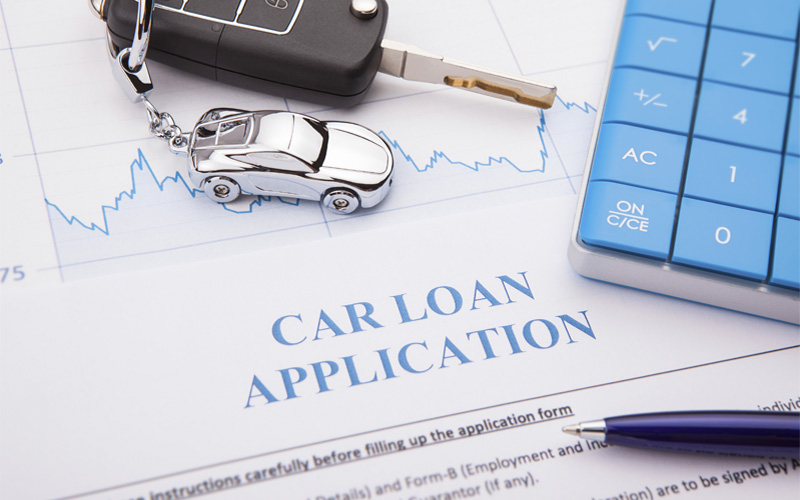
How to Deal with Negative Equity in a Car Loan
Finding yourself with an upside-down car loan is not ideal but can happen more easily than you might think these days. Maybe you were enticed by an 84-month load and its ultra-low payments. Or perhaps you bought a more expensive car than you can afford and skipped the down payment. However you got into an upside-down car loan situation, the good news is, there are ways to get right side up again.
What Exactly Is an Upside-Down Car Loan?
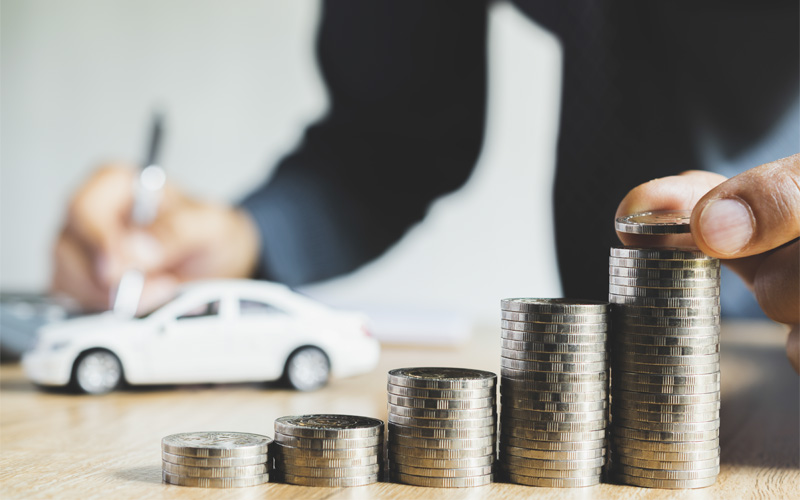
The basic definition of an upside-down car loan is that you owe more on the car than it’s worth. Sometimes referred to as negative equity or being “underwater”, math works like this. Let’s say you owe $18,000 on your car loan, but it’s really only worth $15,000. This means you have negative equity of $3,000.
If you’re not planning to sell the car anytime soon, this situation doesn’t change the process of paying your lender each month. However, an upside-down car loan can cause other problems as we’ll discuss below.
How Can You End Up with an Upside-Down Car Loan
There are a number of ways you can find yourself owing more on your car than it’s worth, here are some common situations.
Putting No Money Down
Automotive marketing language is full of tantalizing phrases like, “No money down!”, which can be nice – or can cause big problems. If you’re buying a new car, understand that it can lose as much as 20% of its original value in the first year of ownership as a result of depreciation. That figure is even higher for luxury vehicles. If you didn’t put money down, the speed of depreciation can quickly drop your car’s value below how much you owe, putting you into a negative equity situation.
Going The Luxury Route

Car prices may be starting to go down, but new vehicles are still pricey and if you dive into the luxury segment, you could be looking at some serious sticker shock. Beyond the fact that you should of course only buy what you can afford, it’s important to note that luxury vehicles tend to depreciate even faster than their mainstream counterparts. Combine this with skipping a down payment and things can really start to spiral.
High Interest Rate
If you don’t shop around for the best loan terms, you may get stuck with a relatively high interest rate on your car loan – particularly if you take the dealership’s offer without comparing it to other offers. The higher the interest rate, the higher the amount of each monthly payment goes to paying off interest instead of paying down principal. That just means it’ll take you longer to pay off the loan, adding another layer of stress to the points above.
Extra Long Repayment Term
Beware the sales pitch for an 84- or even 96-month car loan. The reason a 7- or 8-year car loan repayment term seems so great is that the monthly payment will be smaller than a loan of, say, 36 months. However, this is just one more way the length of time it takes to pay off your car can stretch out. Factor in a high interest rate that limits principal payments, an overly expensive car in the first place, and the inevitability of depreciation, and you can see how easy it is to end up upside down on your car loan.
Why Is an Upside-Down Car Loan A Problem
Even if you’re planning to hang on to the vehicle in the interest of getting right side up on your car loan, life is unpredictable. Let’s say you get in an accident and the insurance company decides to total the car. Typically, that would result in the insurer paying you the value of the vehicle. But if you’re underwater and owe more than this value, you’ll have to be ready to pay the difference.
On the other hand, maybe you want or need to sell the car. Going the private party route is likely to net you a higher sale price than trading in, but before you can transfer the title to the buyer, you’ll still have to cover the difference. This can be rectified by going the dealership trade-in route and having that negative equity rolled into a new loan. But this only increases the probability of remaining in an upside-down situation.
How To Determine If Your Car Loan Is Upside Down

If you’re worried about being upside down on your car loan, but aren’t entirely sure, figuring it out is straightforward. First, obtain a payoff quote from your lender. It will give you the exact amount you still owe on the loan. Then determine its current value of the vehicle with an online car value estimator. Finally, do the math of subtracting the payoff amount from the value. If the result is negative, you have an upside-down car loan.
What You Can Do to Fix an Upside-Down Car Loan
Being underwater on your car loan can be very stressful, but fortunately, there are several ways you can work to get your head back above water.
Make Extra Principal Payments
Along with continuing to make your regular monthly car payment, make an extra payment at the same time. Just be sure to tell your lender that this extra funding is to be used for the principal, not the interest. This will help trim time from the length of the loan and get you out from under faster.
Consider Refinancing
Shop around for current car loan deals and try to find one with a shorter term and a lower interest rate. A lower rate means the loan will have less interest each month and, if you can afford it, the compressed timeline will simply speed up how fast you get right side up on your car loan.
Keep Paying the Car Off

Even if you can’t put extra money into the loan each month or find a refinancing deal that makes sense, you can of course continue to pay the loan down as you normally would. Eventually, you will pay it off and at that point, whatever equity remains is now positive and can be turned into cash with a private party sale or a dealer trade-in.