Latest News
2026 Ford Maverick ReviewEarly Days of NASCAR
Stock car racing looked very different back in the day. Learn more about the early days of NASCAR!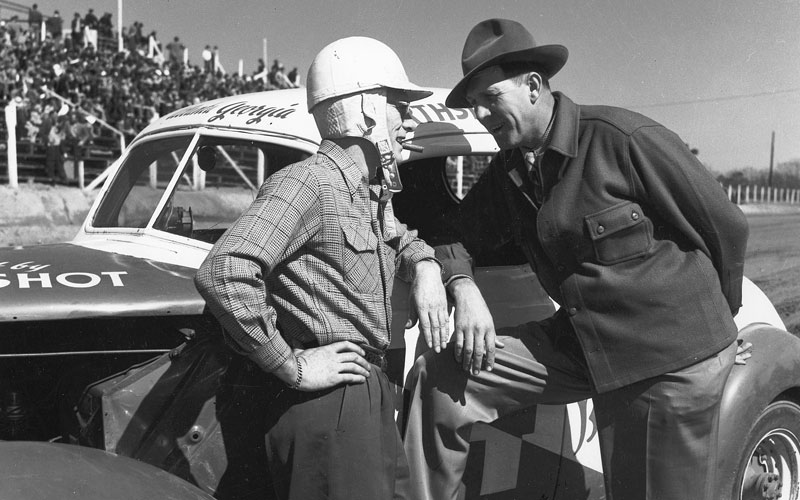
From Bootlegging to Championships
American auto racing has been around since we first got our hands on the automobile, but most point towards Prohibition Era bootlegging as a pivotal point of racing history. The bootleggers of the 1920s modified their cars to haul crates of moonshine and beat the law across state lines. By cutting weight, swapping parts, and modifying their engines these cars quickly became some of the fastest around. Once Prohibition ended, these bootleggers decided to make a sport out of their newfound high-speed passion.
Dirt tracks popped up around the country hosting their own local races for small prize purses. Locations like Daytona Beach quickly became the hot spot for high-speed trials and racing events. While these races did well locally, there was no nationwide sanctioning body. While interest was high, there were low turnouts and incomplete fields at some events due to disjointed scheduling between organizers. Not to mention those same organizers were known to swindle drivers out of their due winnings.
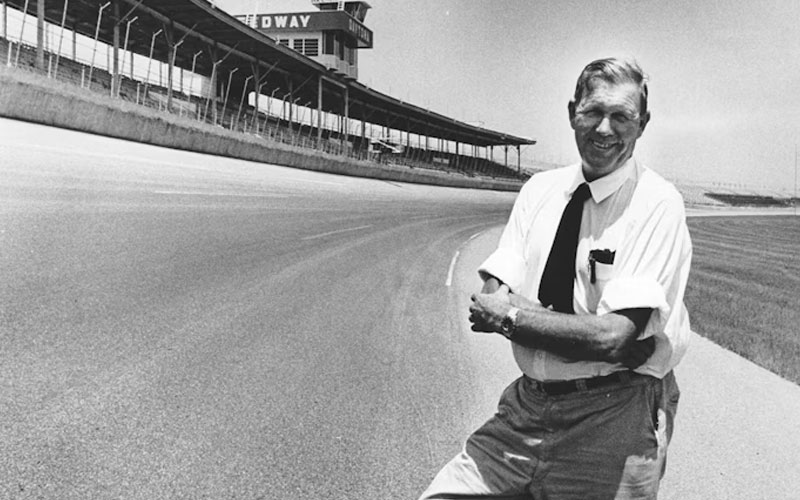
Thankfully, Bill France Sr. worked to bring drivers together and instituted the National Association for Stock Car Auto Racing – better known today as NASCAR. It’s been running for over 75 years now and has entrenched itself as the United States of America’s premier motorsport. For decades, we’ve witnessed hundreds of different stock cars and dozens of champions. While the basis of NASCAR is still alive and well today, it looks a whole lot different from those early races in the motorsport’s infancy.
Daytona Beach & “The Meeting”
If you had the need for speed in the early 1900s, Daytona Beach was the place to go. The Daytona Beach Road Course consisted of two straightaways, one being a stretch of road and the other being two miles of sandy beach. It became the racing hub of the USA and had 15 speed records set on the over four-mile road course by 1935, giving it international notoriety.
Bill France Sr. happened to move to the area in 1935 after hearing of the high-speed events taking place there. He quickly took an interest with his background as a mechanic and entered the 1936 race at the Daytona Beach Road Course. It was a huge blunder in terms of financials and the actual racing itself, leading France to move into the promotional side of things. France met with the original promoter and worked to get Daytona Beach racing in order. The next event was held at the Elks Club over Labor Day weekend the following year and was better received but still came up a financial loss. His promoting partner left, leaving France to promote Daytona Beach Road Course events himself until World War II.
After the war Bill France Sr. continued to focus his efforts in the racing promotion side of things. He helped promote races along Daytona Beach and at Seminole Speedway, France even helped in building the Occoneechee Speedway dirt track. While his promotions were well received and fair, that wasn’t the case for all the surrounding races in the ‘40s. There were plenty of promoters that would take the cash and run before the race was even finished. Not to mention the rules differences between tracks and the issue of schedule alignment to create full fields.
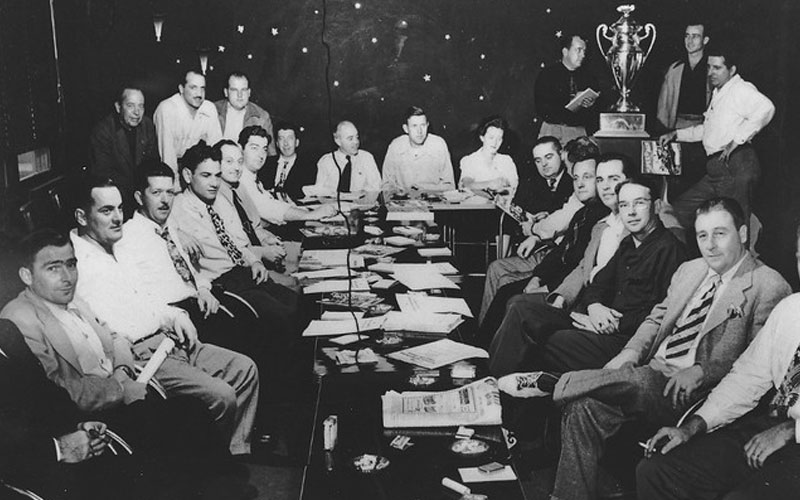
That’s when Bill France Sr. invited all the biggest names in American racing to meet in Daytona Beach at the Streamline Hotel. It was there that France announced his intentions of creating a sanctioning body that would provide uniform rules, a set schedule, insurance coverages, and, most importantly, guaranteed payouts at the end of the race. Talks with owners and drivers began in December of 1947 and led to the creation of NASCAR in February of 1948.
The First NASCAR Race
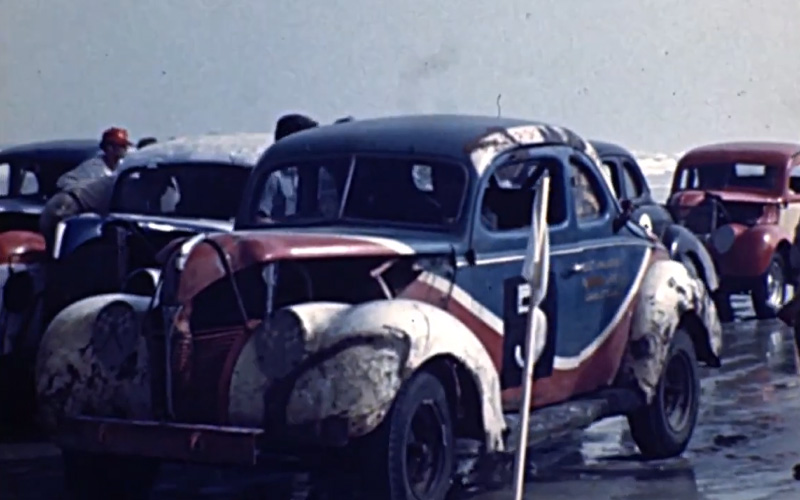
The first official NASCAR race took place on February 15th, 1948 at Daytona Beach Road Course. The course for this event spanned 2.2 miles between the beach and blacktop. The field was primarily filled with cars that had been produced between ‘37 and ‘48 and only American manufacturers were allowed. The field was predominantly made up of pre-war Ford coupes alongside a handful of Chevrolet and Oldsmobile models, but they were all limited to the same ruleset.
The cars had to remain stock visually with their fenders and running boards intact, but their bumpers could be removed. They were then outfitted with four-wheel brakes and could add additional upgrades like a larger fuel tank as long as it remained inside the car. Engines were limited to 300 cubic inches, but multiple carburetors and larger radiators could be installed. In terms of safety equipment – you needed a hardtop roof, to wear a helmet, and had to wear a seat belt that was bolted to the frame.
Red Byron took the first ever NASCAR win in his Ford coupe, his third win at Daytona Beach. France awarded him the ‘Blunders of Britain’ trophy that he’d had made prior to the war. France went to promoters around the Southeast to fill out his inaugural schedule and eventually reached the point that class divisions had to be made.
The First Cup Series Race
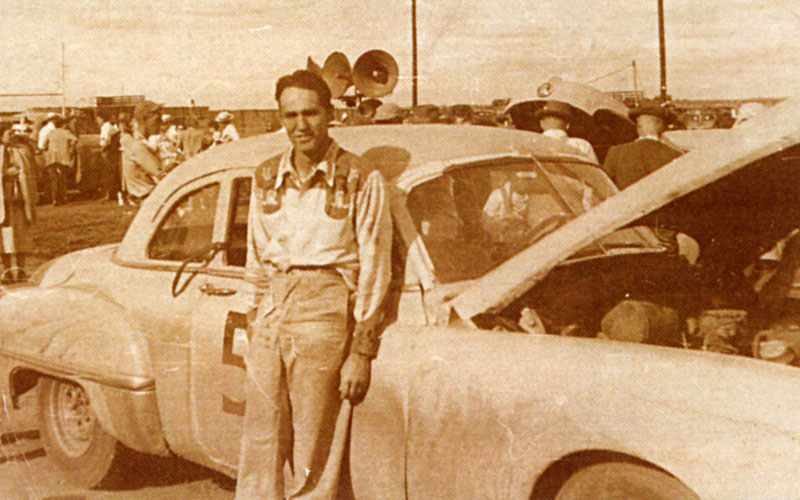
NASCAR events were split into different classes the following year, with the original racing ruleset becoming known as the Modified Division. A new Strictly Stock Division was created that took cars straight from the dealership and onto the track with little modification. This encouraged American manufacturers to produce performance cars straight from the factory. This new division was also the precursor to the Grand National Series, making it the first season of Cup Series races.
Strictly Stock Division cars were limited to passenger cars that had been manufactured three years prior or newer. Only a few changes could be made to their stock designs, but it was mostly limited to items like wheel size, fluids, and maintenance components. Otherwise, the vehicles were basically the same cars you’d see on the street just with sponsorships painted on them and no headlights.
The first race of the Strictly Stock Division was won by Jim Roper behind the wheel of a 1949 Lincoln Cosmopolitan Coupe. This was stock car packed a 337 CID Flathead V8 under the hood that produced 152 horsepower. Lincoln won later in the season with Jack White in the driver’s seat too.
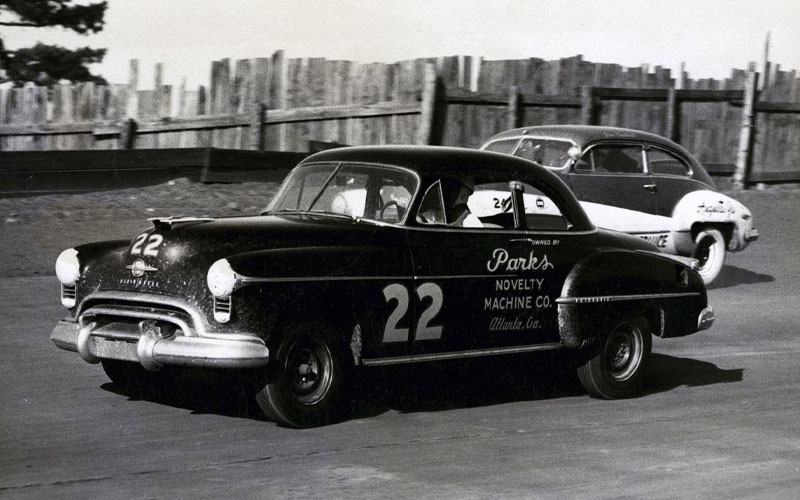
The 1949 Oldsmobile 88 was a class favorite for the 1949 Strictly Stock Season. The Oldsmobile came with a 303 CID Rocket V8 under the hood producing 135 horsepower. That may not sound like much, but it created a nice power-to-weight ratio when coupled with the lighter weight A-body platform it rode on. Of the nine NASCAR races in 1949, five of them were won with the Rocket 88.
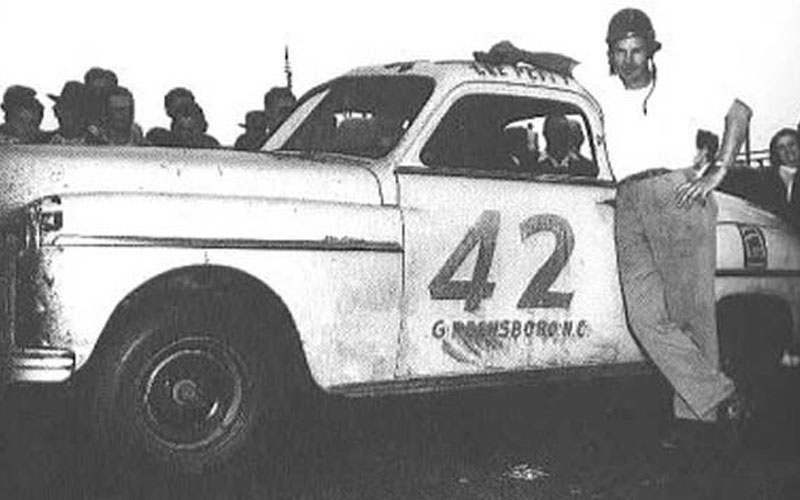
The only other win for the 1949 season came from another manufacturer, but its significance is more with the driver than the car. A white, unassuming Plymouth Deluxe won the race at Heidelberg Raceway that season. In the driver’s seat of that #42 Plymouth was nonother than Lee Petty, a NASCAR legend in his own right but also the father of Richard “The King” Petty.
The Strictly Stock Division would eventually be renamed the Grand National Series in 1950. The following seasons would see cars like the Hudson Hornet, Pontiac Catalina, and Studebaker Starlight join the stock car field. These early NASCAR stock cars would eventually be dubbed “Generation 1” and were replaced by the Generation 2 ruleset in 1967 – the homologation special years where manufacturers really dived into the world of NASCAR.