
Latest News
2027 Chevrolet Equinox ReviewNHTSA Raises Concerns Over Ford’s Fuel Leak Recall

Ford issued a recall on some of their SUVs last month concerning a fuel leak, but their solution isn’t enough according to the NHTSA.
Ford Recall for Bronco Sport and Escape SUVs
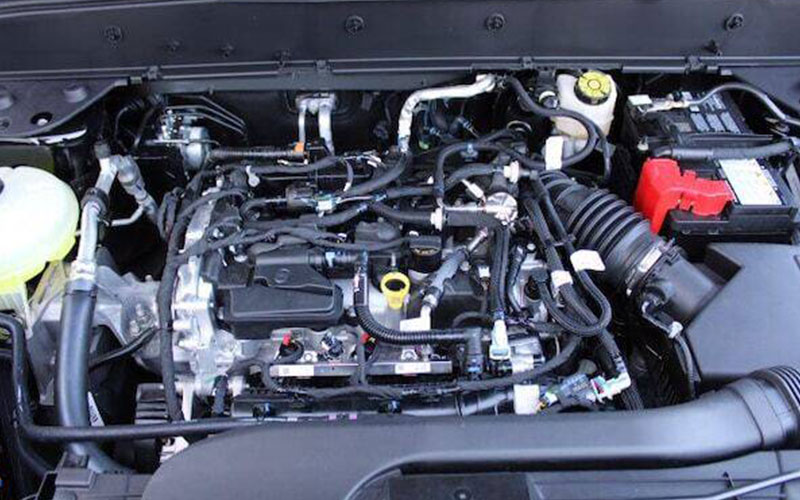
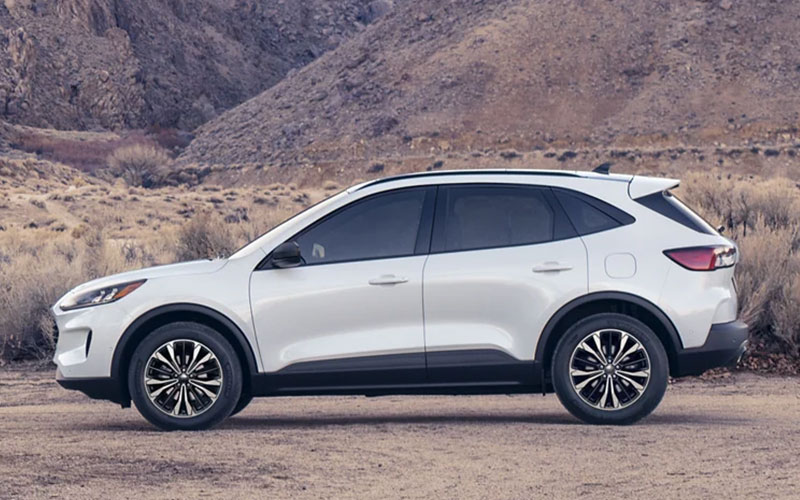
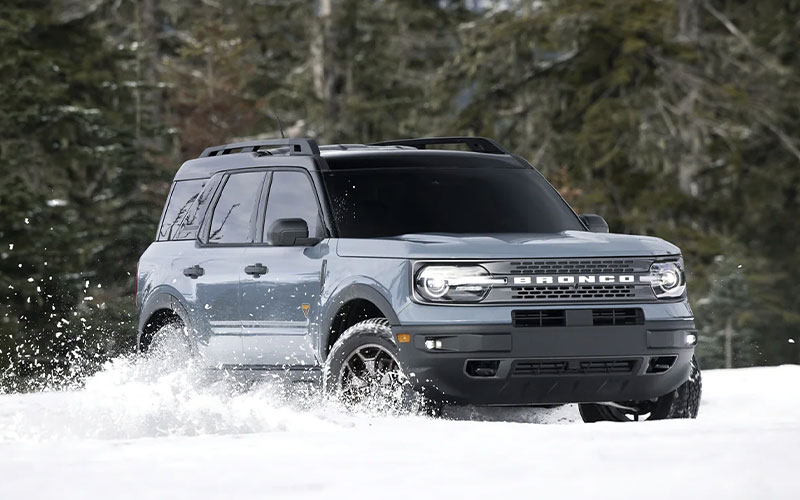
Last month, Ford recalled 42,000 vehicles regarding a fuel leak that could create an engine fire. The effected vehicles were Ford Escape models from the 2022 model year and Ford Bronco Sport models from 2022 and 2023 model years that featured Ford’s 1.5L EcoBoost three-cylinder engine. The issue with these models is in regard to the fuel injector. The component may crack and subsequently leak fuel over heated engine components, which could cause a fire within the engine bay.
Ford’s proposed fix for the fuel injector issue is an engine control software update and a new drain installation that would redirect any fuel leaks in a safer manner. The engine control software update detects any pressure drop in the fuel rail and notifies owners of the issue with a message to the driver. The system then disables the high-pressure fuel pump, reduces power output, and lowers the temperatures of engine components that could ignite if contact with fuel does occur. The company is not planning to replace the problematic fuel injectors though.
This isn’t the first time that Ford’s 1.5L EcoBoost engine has been issued a recall concerning cracked fuel injectors. In 2022, Ford issued a recall on 522,000 vehicles in regard to fuel leaks that had impact 54 customers and caused some injuries. The models effected were Ford Escape models from 2020 to 2023 model years and Ford Bronco Sport models from 2021 to 2023 model years. The company performed a similar remedy regarding this recall.
The NHTSA isn’t Satisfied with Ford’s “Fix”
Given the history of issues with Ford’s fuel injectors found in the 1.5L EcoBoost engine and their workaround regarding the recall, the Nation Highway Traffic Safety Association (NHTSA) has begun investigations into Ford’s handling of the situation. The NHTSA has come out publicly stating that Ford’s solution “does not address the root cause of the issue and does not proactively call for the replacement of defective fuel injectors prior to their failure.” The NHTSA has significant safety concerns regarding Ford’s inadequate handling of the cracked fuel injectors issue.
The NHTSA has made extensive inquiries to Ford about their recall and are seeking answers by June 21st. Ford has announced that they are cooperating with the NHTSA during their investigation.
What Does This Mean for Owners?
Owners of the affected Ford SUVs should still take their vehicles into a Ford dealership to have their vehicles updated with the current solution to prevent a fire risk. Given the NHTSA’s interest in Ford’s current remedy to the recall that doesn’t replace or correct the root cause of the fire risk, owners should expect a follow-up recall that further corrects the cracked fuel injectors issue.