
Latest News
2027 Chevrolet Equinox ReviewFirst Gen Camaro: Know What You’re Looking At
Looking to verify the authenticity of a first-generation Chevrolet Camaro? We’ve got some tips that can help!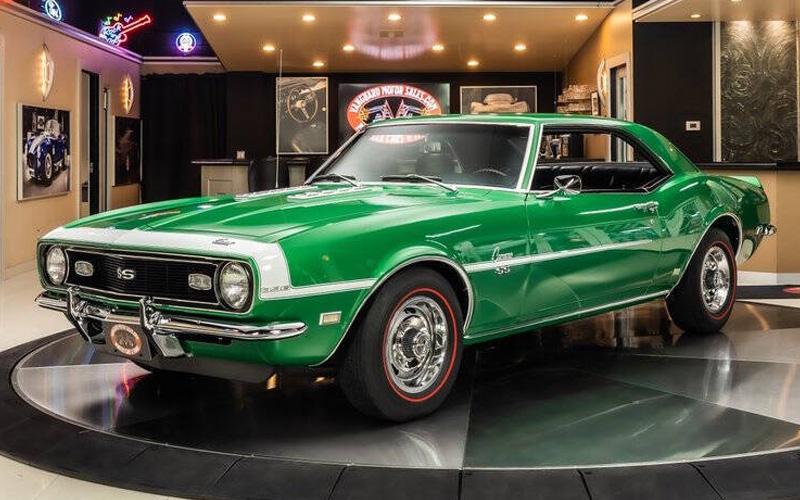
Keys to Spotting a First Gen Camaro
Chevrolet unveiled the Camaro in September of 1966 as a direct competitor to the Ford Mustang. This bowtie wearing pony car packed everything from a straight six up to a 427 CID V8. It was a sweet machine that only lived for three years before Chevrolet transitioned to its next generation, but those three years held some unique differences that help identify their year and authenticity.
If you’re looking to pick up one of Chevrolet’s most iconic cars from the ‘60s, then you’ll want to know what to look for. We’ve brought together some helpful tips and key details that’ll help you identify a first gen Camaro’s year and verify its authenticity. Finding out your “All original ‘68 Camaro SS396″ is actually a ‘67 RS model with some SS badges swapped on is a bummer. Identify the years and separate the tribute cars from the real things with these tips.
Can’t Rely on the VIN for Everything
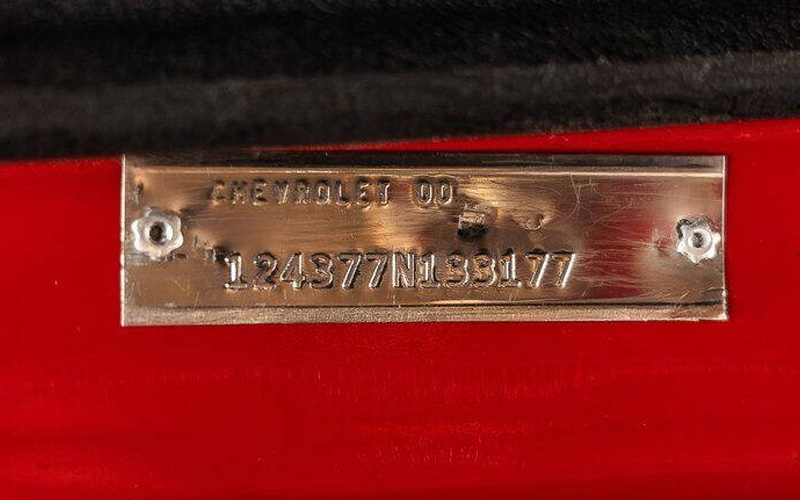
The first thing to know about identifying these old Camaro models is that decoding the 13-digit Vehicle Identification Number (VIN) tells you only a portion of the story. While the Camaro came out just after the VIN mandate of 1966, there wasn’t a set standard for producing a VIN until 1969. This led to some missing information when decoding a Camaro VIN, but not everything was lost.
The first digit of a first-generation Chevrolet Camaro VIN is the manufacturer division code, so you’ll want to see a “1” for Chevrolet. The second digit identifies the model, so it should be a “2” for Camaro. Third digit signifies what engine was associated with this model, meaning a “3” was a straight-six engine while a “4” was a V8 engine. The fourth and fifth digits in the Camaro VIN represent the body style with a “37” signifying a Coupe and a “67” signifying a convertible model.
The sixth digit will stand for the model year of the Camaro – “7” for 1967, “8” for 1968, and “9” for 1969. The seventh digit relates to the production plant the car was produced from. The Camaro was only made in Norwood, Ohio signified by an “N” or in Van Nuys, California (a northern neighborhood of Los Angeles) signified by an “L”. The string of numbers following that digit represents the production number of the Camaro.
So, if you’re looking at what’s being listed as a “RARE 1969 Chevrolet Camaro SS convertible” and that VIN reads as 123377N500000, you could decipher that this is a fake. That VIN is for a Camaro, sure, but it’s a 1967 six-cylinder coupe model. While that simplified example solves that exact scenario, it won’t solve everything when verifying authenticity.
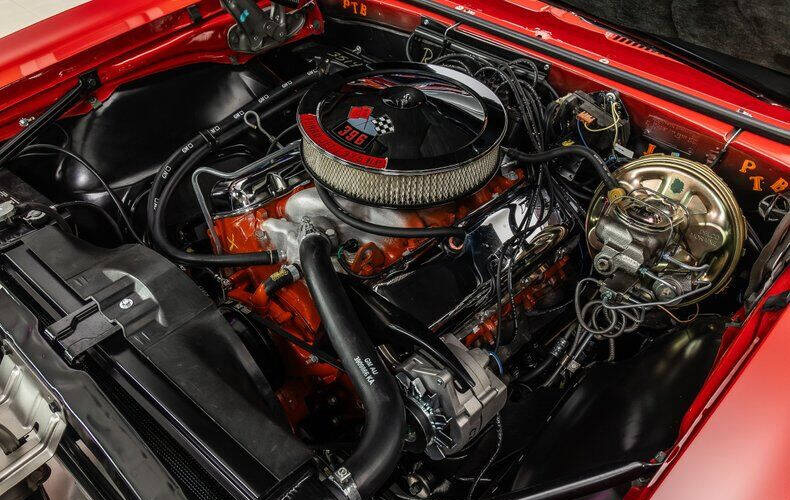
The biggest issue with the VIN on these old Camaros is that you can’t differentiate the various V8s, so the original could have been a 283 and not a 396 but the VIN is still “correct” since they’re both V8s. There’s also the issue of badge swapping. Everyone wants an SS, so plenty of people picked up a non-SS Camaro on the cheaper side and gave it the exterior ornamentation to look like the real thing – and the VIN can’t say otherwise. There was no VIN digit for the Camaro’s trims or packages.
However, there are some key details to take note of that can help in identifying a Camaro’s true nature and even if it’s really an SS. We’ve got some more tells that’ll help separate the real things from the tribute builds.
‘67 Chevrolet Camaro
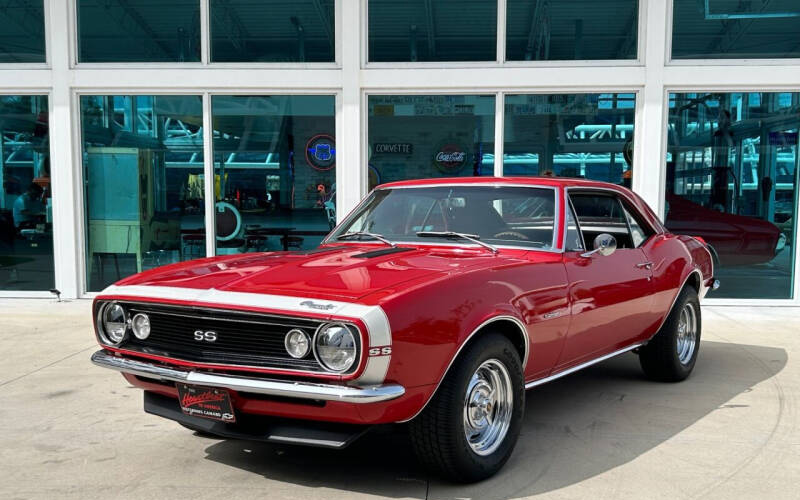
The 1967 Chevrolet Camaro looks very similar to a ‘68, but there are some tells just from the outside. To start, the ‘67 Camaro was the only model to feature a quarter glass design. It also utilizes round indicator lamps placed between the headlights in the grille design. At the rear of this year, you can see that the braking and indicator lights aren’t separated by the taillight trim. The other noticeable difference specific to ‘67 Camaros is that there aren’t any side marker lamps on the front or rear quarter panels. The 1967 Camaro was also unique in the positioning of its VIN plate. If you open the driver side door, the VIN plate should be found on A-pillar between the door hinges.
‘68 Chevrolet Camaro
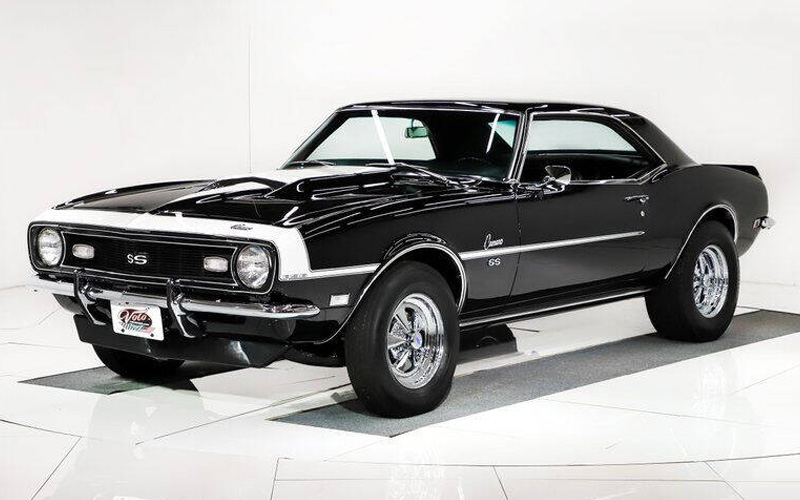
For 1968 Chevrolet Camaro models, you’ll notice that side marker lights were introduced to the front and rear quarter panels. At the front, the indicator lights are still found within the grille design between the headlights but are now rectangular rather than the round lamps from ‘67. The quarter glass was also removed from the design in favor of full-width passenger glass. At the rear is a similar look, but the taillight assemblies have been split down the middle by the surrounding trim. This year also moved the VIN to the now standardized placement on the driver’s side dashboard visible through the front windshield.
‘69 Chevrolet Camaro
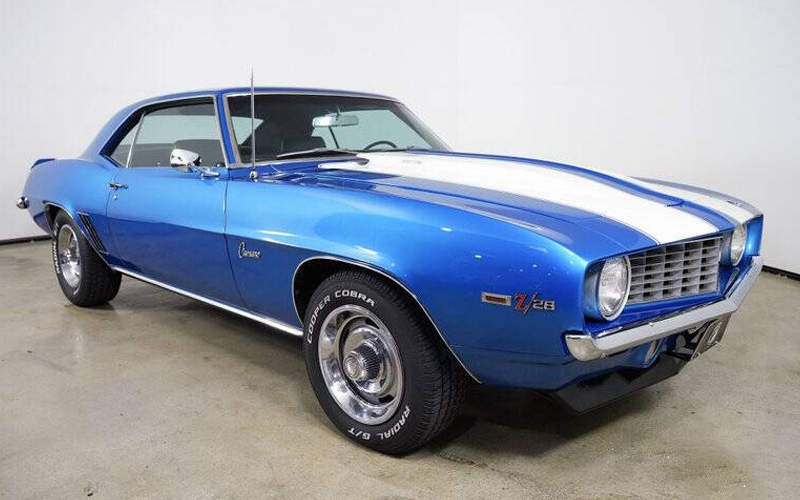
The 1969 Chevrolet Camaro is the most unique of the bunch. The body for ‘69 was revised to feature more square wheel wells, a body line protruding from the front wheel and continuing to the rear of the vehicle, and three slits were cut into the rear quarter panel just ahead of the rear wheel opening – sometimes referred to as “gills”. Up front, the grille was revised and the indicator lights were placed below the front bumper instead of between the headlights like previous years.
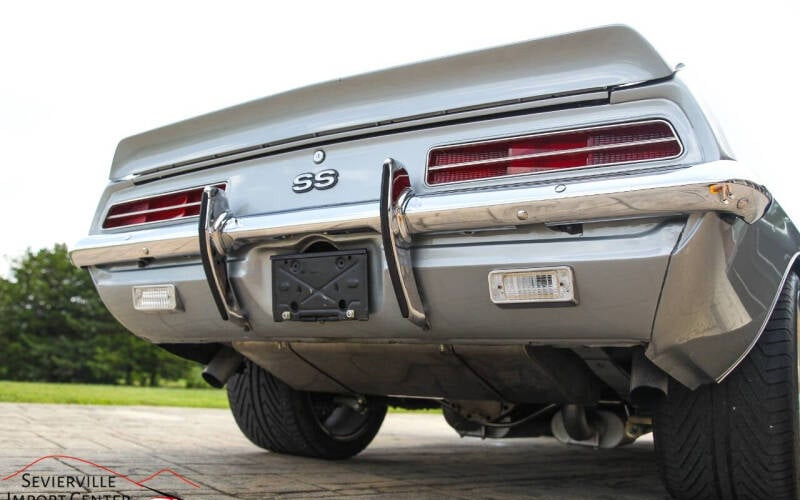
At the rear, the taillights assemblies were again updated. This time the taillight design was made longer with a shapelier contour following the body’s shape. The taillight is made up three brake lamp sections with the middle section holding a small reverse indicator in the center. These changes found on the ‘69 Camaro get even more diverse when you look at the performance and appearance packages too.
Is It an RS, SS or Z/28?
If you’re looking to figure out what package(s) a first gen Camaro has, there are a couple of obvious and hidden things to look out for. We’ll start with the Rally Sport or RS package. This was an appearance package that added a hidden headlight feature to the vehicle’s design, updated taillights, RS badging and additional exterior trim. The hidden headlights is a big giveaway that the RS package was added.
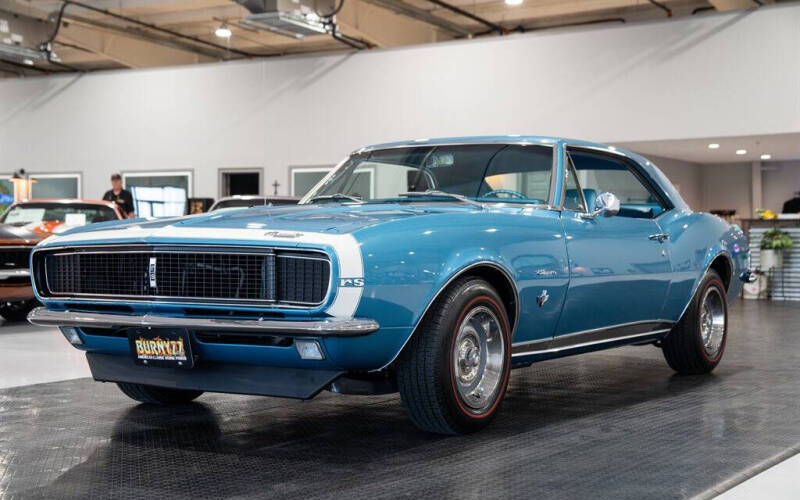
This can be identified by the door covers found mounted alongside the front grille. ‘67 and ‘68 RS models used the same treatment of headlight doors that resembled a continuation of the grille and positioned the indicator lights below the front bumper. ‘69 RS models changed it up with unique door covers composed of color matching paint and three horizontal sections that only partially hid the headlights.
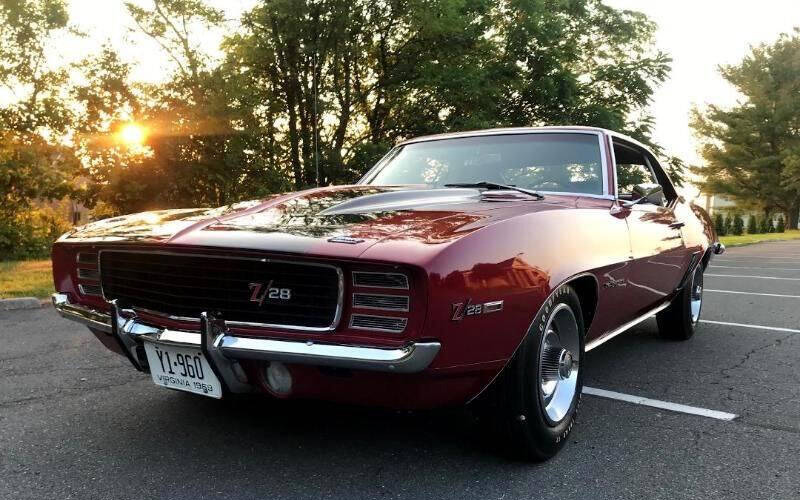
RS models also updated the rear lighting differently between years. ‘67 models turned into a solid red brake light and moved the reverse light below the rear bumper. ‘68 did the same, but the taillight assembly is still split down the middle just with both sections being brake lights. ‘68 again moved the reverse light below the bumper but updated its unique taillight assembly to have horizontal trim dividers rather than vertical one.
The RS package didn’t mean it was a special performance optioned model for sure, so don’t count on these visual cues meaning it’s a Z/28 or SS for sure. Notable things to look for on a Z/28 would be that it has a 302 CID V8 under the hood, a 4-speed manual transmission, front disc brakes, a 12-bolt rear axle, and its iconic dual stripes down across the top of the Camaro. SS models can be identified by the well-known “SS” badging, non-functioning hood louvers, front disc brakes, unique exterior stripes, and either a 350 CID or 396 CID V8 under the hood. Both of these packages added dual exhaust pipes too. Each of these performance models had additional options available, but these listed items were non-optional additions when the package was installed.
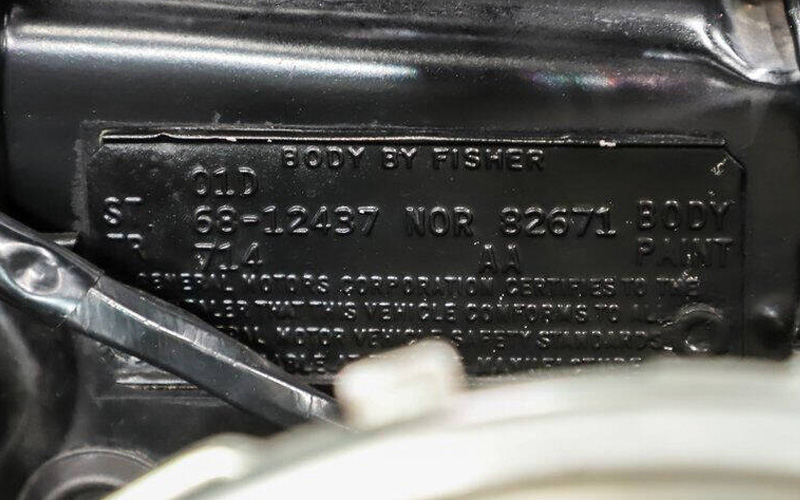
The other major reference point is the cowl tag for United States built Camaros. Under the hood and back on the driver’s side of the fire wall is a small aluminum tag put in place by the Fisher Body assembly plant. These tags can be decoded to help identify things like build date, paint color, what seats were installed, and, most importantly, what package could have been installed originally.
I say could because, like the VIN, can have similar codes while meaning different things. For instance, an “X11” code is associated with SS 350 packaged Camaros, but it could also mean it was a non-SS or even a COPO 427 model. However, the SS 396 and Z/28 packaged Camaros could be more easily identified via the cowl tag since they had specific build options related to their own unique option codes.
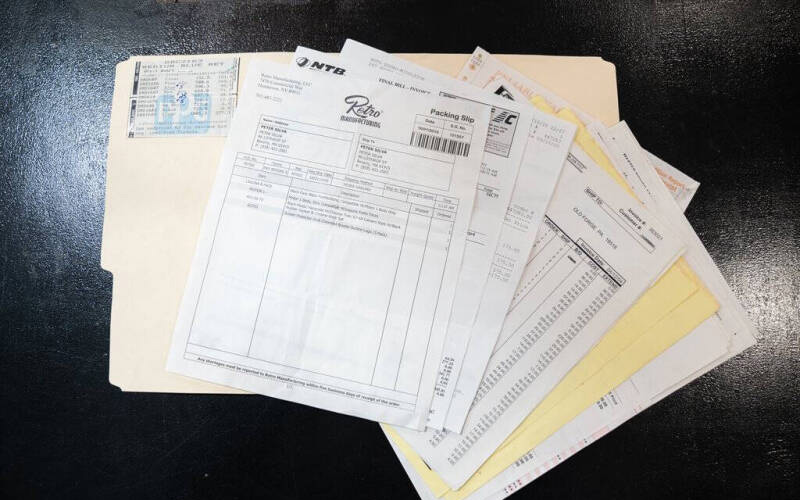
These first-generation Chevrolet Camaros come with a lot of nuances between years, packages, and options when it comes to really pinning down what you’re looking at. The best way to know if it’s the real thing, aside from noting all these details, is by asking for documentation. Finding one of these classic Camaros with their original window sticker, production order form, or even just original sales paperwork is a godsend for verifying authenticity of a highly sought-after model.