Latest News
2027 Chevrolet Equinox ReviewWhat to Know Going Into Daytona 500
The big game is over, now it's time to settle in for the Great American Race! We take a look at everything you need to know to settle in and enjoy the race.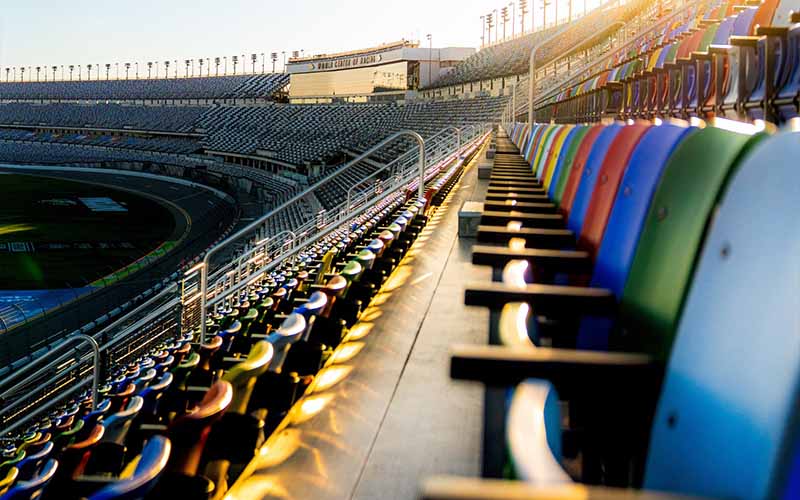
Get Ready for the Big Race
On February 15th, the 2026 NASCAR Cup Series will kick off with the legendary Daytona 500 in Daytona Beach, Florida. Considered the most prestigious race on the NASCAR calendar, a win at Daytona often defines a racer’s career. Going back to the early days of NASCAR, when the sand and roadways of Daytona Beach were used for racing, the Daytona 500 of today is a 200-lap, 500-mile race around the superspeedway’s 2.5-mile long, steeply banked oval.
That steep track angle means cars can run wide open for much of the race, or around 190-mph, which is all the more impressive considering the tight packs of cars you’ll see on race day. Running just a few inches apart to maximize drafting, the flip side is the potential for staggering multi-car crashes at Daytona. Known as “The Great American Race”, today’s Daytona 500 cars feature naturally aspirated 358 cubic-inch V8s with screaming 9,000-rpm redlines and around 510 horsepower. So, for those who think they could drive in NASCAR, be aware that these are not your average race cars.
How Does NASCAR Scoring Work?
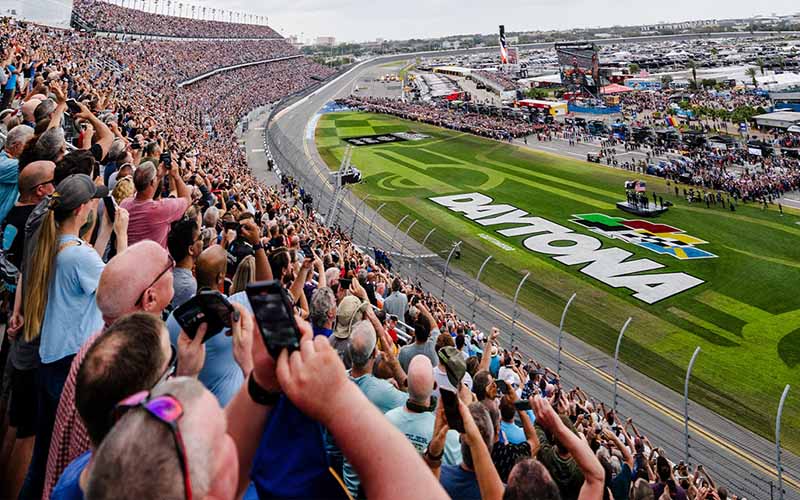
For the first-time race fan, it can be a bit confusing trying to figure out the leaderboard and how scoring works at the Daytona 500. To get there, understand that the starting order is based on the results of the Duels, a pair of 60-lap races that take place on February 12th. The lineup of the Duels comes from time trials the day before in single-car qualifying races. Most of the cars that start the Daytona 500 are part of NASCAR’s charter system and are guaranteed entry, with a handful of non-chartered teams eligible to race via qualifying times.
On race day, you’ll see the Daytona 500 leaderboard ranking drivers by lap position, or where they are on the track as the race takes shape. It’s updated in real-time as drivers pass, drop back, take pit stops, follow caution flags, and modify their strategies. The race is broken into 3 stages with the winners of stage 1 and 2 earning points that impact their Cup Series standings. A yellow flag, “freezes” the field in the current order at the start of the caution. The field typically bunches back up in this scenario, which can quickly alter the leaderboard standings upon restart.
But it is during stage 3 of the Daytona 500 where the ultimate outcome is determined. Regardless of stage 1 and 2 results, the driver of this final 70-lap sprint who crosses the finish line first takes the checkered flag and highly coveted Daytona 500 glory.
Who To Watch During the Race
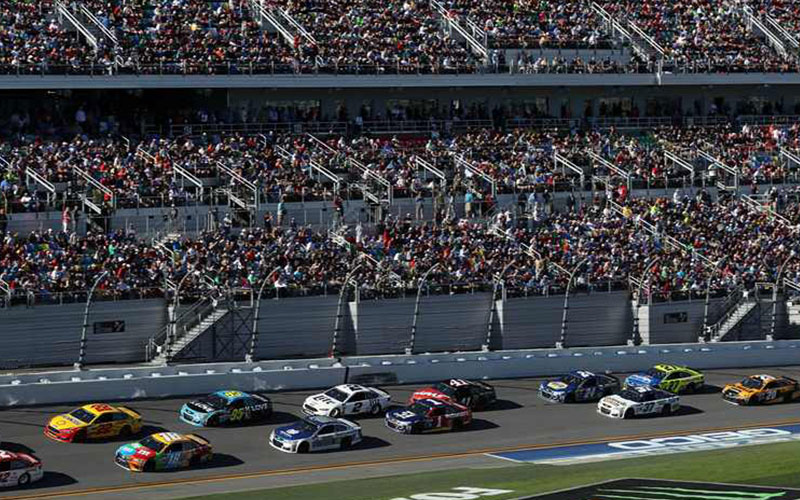
There is a deep field of drivers looking to put their mark on the race. William Byron, who won at Daytona the last 2 years in a row, is a natural favorite looking to 3-peat with Hendrick Motorsports. Joey Logano, who took the checkered flag at Daytona in 2015, is a multiple-time Cup Series champ from 2018, 2022, and 2024, so will be worth keeping an eye on this year.
Watch Denny Hamlin, a veteran Joe Gibbs Racing driver, who has won the Daytona 500 three times, most recently in 2020, and is a consistently strong finisher. And don’t rule out Bubba Wallace. Considered a serious superspeedway threat, he drives for 23XI Racing and was the Daytona 500 runner-up in 2018 and 2022.
Related Articles