
Latest News
2026 Cadillac LYRIQ ReviewDiesel vs. Gas: What’s the Difference?
It’s a perennial question among truck lovers and fleet managers, to go with gas or diesel? We breakdown the pros and cons in the diesel versus gas debate.How Gas and Diesel Work Differently
Both diesel and gasoline engines are ICEs (internal combustion engines) that use a mixture of fuel and air to create an explosion in order to move a piston. But how they mix that air and fuel and how that explosion is initiated differs between the two. In a gas engine the air and fuel are mixed and then injected into the cylinder where it’s ignited by a spark plug. A diesel engine on the other hand, compresses air and then injects the fuel. The hot compressed air and fuel spontaneously combust thereby moving the piston.
How the Fuels Differ
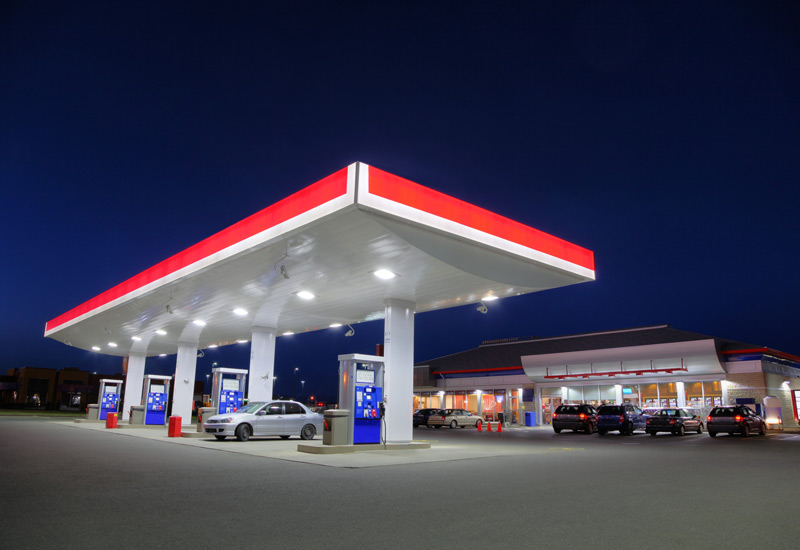
Diesel is less refined and therefore more energy dense than gasoline. Because of this, diesel provides better fuel efficiency, and this in turn is largely why its favored for use in large trucks and heavy equipment. The other reason is torque.
It’s widely known that when you want to tow or haul serious tonnage you want a diesel doing the work. But why? Because the higher compression ratio and longer piston stroke of a diesel engine produces more power at lower rpms.
Gas vs Diesel: Mileage
Since diesel provides more bang for the proverbial buck it’s the more economical choice, especially considering gas and diesel now sell for roughly the same per gallon (market fluctuations not withstanding). And because vehicles operate more efficiently on the highway, if you’re looking for a long-haul fuel, you stand to save up to 30% in fuel costs by opting for diesel over gas.
Gas vs Diesel: Emissions

This one is tricky. Diesel doesn’t produce as much carbon monoxide or carbon dioxide (which means it’s releasing fewer greenhouse gases), but instead it produces more emissions like soot, nitrogen oxide, and sulfur dioxide. Such emissions raise cancer rates, increase smog, and produce acid rain. Because of these dirty emissions, diesel engines usually have catalytic converters and other exhaust filtration systems which reduce the amount of particulate released
Gas vs Diesel: Maintenance
Diesel will save you money at the pump, but it may cost you once you take your vehicle in for service. Even a simple oil change can cost anywhere from two to four times more for a diesel engine. Why? A diesel engine requires more oil than a gasoline engine, up to 40 percent more. Diesels also run dirtier, requiring more frequent oil changes. They also require specialized diesel oil. Add in diesel specific maintenance, from exhaust systems to turbochargers, things can get costly.
That’s not the end of the maintenance cost story. One of the virtues of diesel engines is their durability. The higher compression ratios of diesels require more robust components compared to gas engines. Therefore, it’s common for diesel engines to run for 250,000 to 300,000 miles without a major repair.
Gas vs Diesel: Value

If you’ve ever been in the market for a heavy-duty truck, you will have noticed that the diesel version of the same truck costs more. In addition to a higher sticker price, you have those higher-cost and more-frequent oil changes and expensive heavy-duty replacement parts. Combined, these costs threaten to negate the savings you’d get from a diesel’s superior fuel economy.
But not so fast. A diesel engine’s longevity and durability make up for the added expenses of routine maintenance. Plus, the longer you keep your truck the better positioned you’ll be to reap the fuel economy rewards which really start to add up at higher mileages. Plus, if you find yourself needing to sell your truck, diesels tend to retain their value and command a higher price on the secondary market compared to gas engines.
The Winner Between Gas and Diesel?
Whether to go diesel or gas really depends on your specific use case. If you plan on hauling heavy loads long distances up steep mountain passes, buy a diesel. But if you want a high-revving engine with lower initial cost and towing long-distance isn’t your thing, then go with gasoline.
Diesel may have a smaller carbon footprint and boasts hefty tow numbers, but recent advances like the upcoming 2026 Ram 1500 Ramcharger, a plug-in hybrid with a V6 range extender, will be capable of diesel-like towing and range with even greater fuel and emissions savings. (No guarantees on the same level of reliability, however.)
This post was originally published in September 2019 and has been completely revamped and updated for accuracy and comprehensiveness.