Latest News
2026 Ford Maverick Review
Ford’s Recall Woes
Ford has had a rough past few years when it comes to recalls. Pandemic related production issues (see below) have thrown a proverbial wrench into the Blue Oval’s quality assurance resulting in problems large and small, from poorly affixed trim pieces and valve issues on EcoBoost engines to steering problems. CEO Jim Farley has pledged to right the QA ship at Ford, the company that once coined the slogan “quality is job one.” We are sure Farley and the team at Ford can and will turn things around, but in the meantime the company is busy playing recall whack-a-mole.
Ford Heavy Duty Trucks Fuel Pump Issues
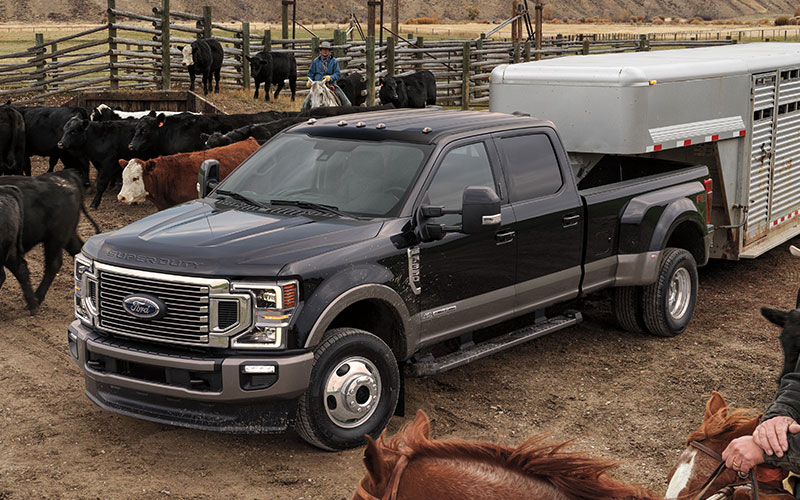
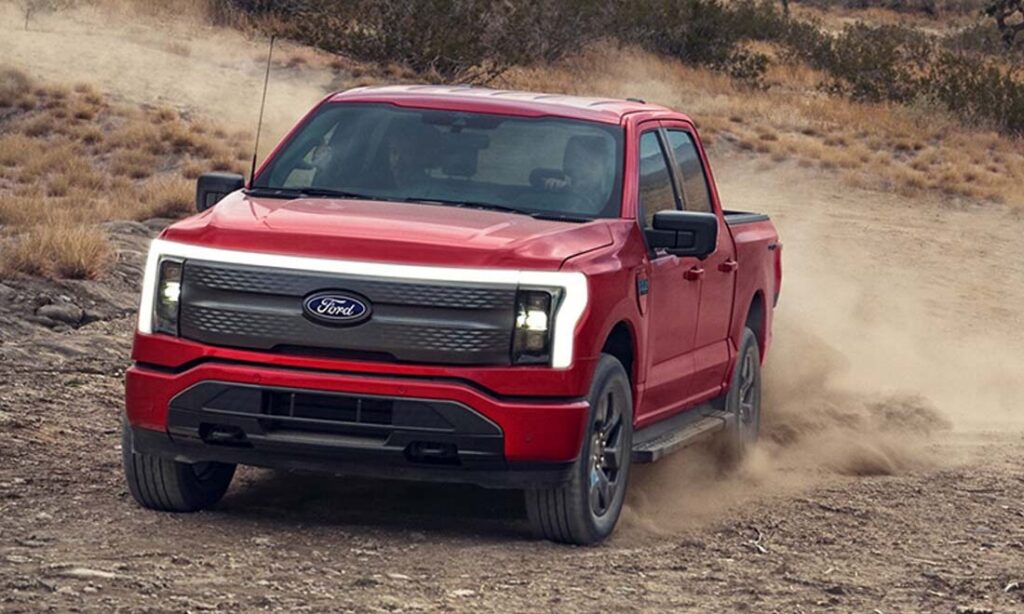
The NHTSA (National Highway Traffic Safety Administration) says Ford is recalling 294,449 Heavy Duty F-Series diesel pickups for potential fuel pump failures. The problem stems from biodiesel deposits that may clog the pump drivetrain roller components and result in the pump failing. Ford points to Covid-related plant shutdowns from February through October of 2022, when biodiesel fuel was allowed to sit in trucks for extended periods of time.
Affected trucks include the following equipped with the 6.7L Power Stroke diesel engine:
- 2020-22 Ford Super Duty F-250
- 2020-22 Ford Super Duty F-350
- 2020-22 Ford Super Duty F-450
- 2020-22 Ford Super Duty F-550
- 2020-22 Ford Super Duty F-600
- 2021-22 Ford F-650
- 2021-22 Ford F-750
Ford says the fix will involve software updates to the powertrain control module which dealers will perform for free. Letters to affected owners will be mailed January 13th.
Lincoln Nautilus Automatic Window Troubles
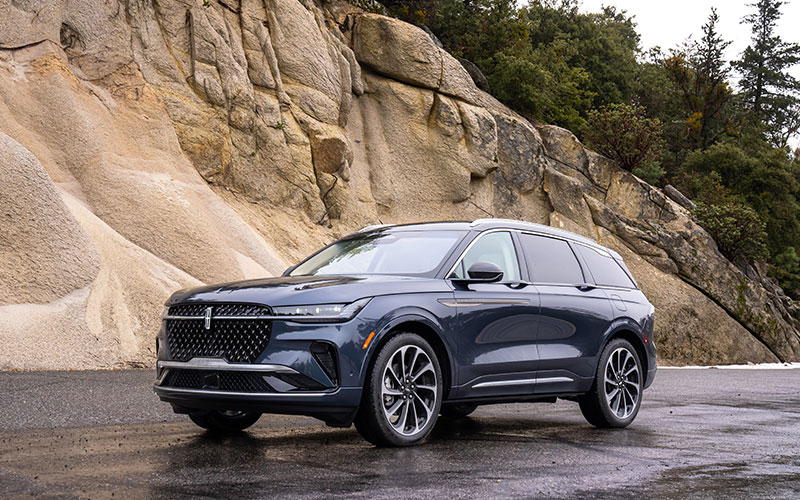
47,818 Lincoln Nautilus from the 2024 and 2025 model year are also under recall for problems relating to their window auto reversal system. The Nautilus’ automatic windows are designed to retract automatically if they encounter an obstruction. Dealers will recalibrate the front and rear door window modules to address the issue. Letters to affected owners will be mailed January 13th.
Rearview Cameras Cause Flex, Fiesta, MKT Recall
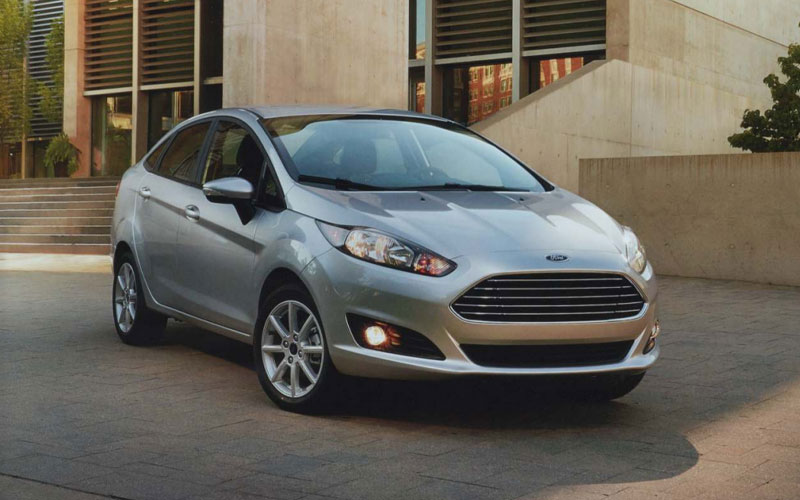
Ford also issued a recall related to failures with the rearview camera systems in 30,715 Ford Flex, Fiesta, and Lincoln MKTs from the 2019 model year. A fix for the problem is currently under development and letters will be sent to owners by February 3rd.
Escape & Lincoln Corsair PHEV Batteries Recalled
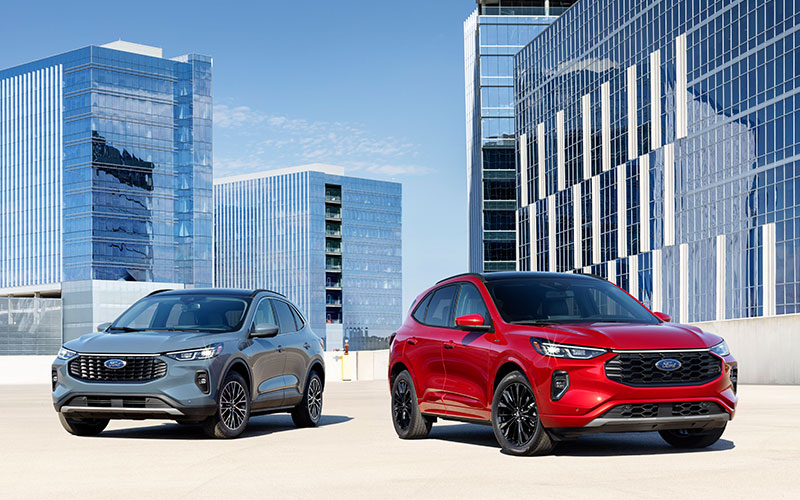
PHEV (plug-in hybrid electric vehicle) versions of the Ford Escape (2020-24) and Lincoln Corsair (2021-24) are under recall for potential defects to their high-voltage battery packs which could result in pack failure and potential fire risk. A software update will be issued and battery packs replaced on an as-needed basis. Letters to owners go out January 20th.