Latest News
2026 Subaru Crosstrek ReviewHonda & Nissan End Merger Talks
The merger between Honda and Nissan is in turmoil as the companies' leaders cannot agree on what roll Nissan would play.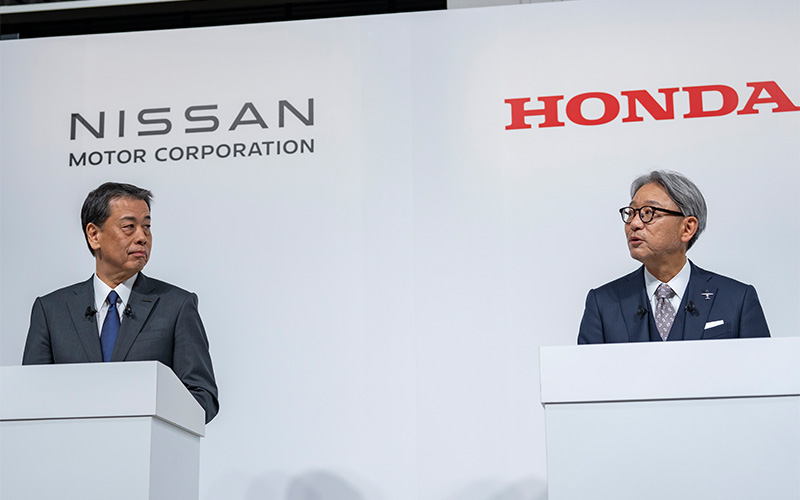
A Multi-Billion Dollar Merger Collapses
Honda and Nissan have been in talks about merging to create what would have been the fourth-largest auto group in the world. This merger would have also helped stave off the growing Chinese electric vehicle market that’s taking over internationally. However, the merger talks have fallen flat as the position Nissan would take in the end is a point of contention.
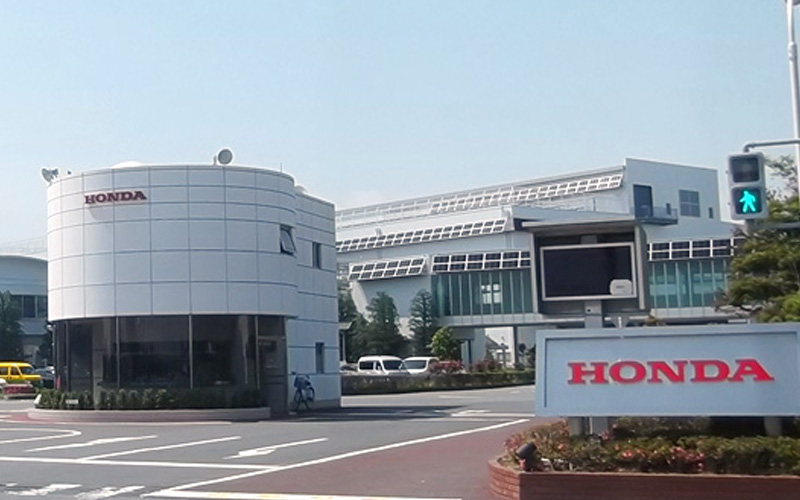
Honda is one of the leading auto manufacturers internationally and holds brand recognition. Meanwhile, Nissan has fallen on hard times. The brand isn’t the shining car maker it once was and has faltered since the financial misconduct scandal by their former CEO, Carlos Ghosn. Just last year, Nissan cut costs by ending over 9,000 industry positions globally.

During merger talks, Honda has entered the negotiation as the head of the new automotive umbrella and positioning Nissan as a subsidiary. Honda wanted further oversight to ensure that Nissan would work to make a turnaround on their current downturn. On the other side of the table, Nissan has asked to maintain its status as a partner rather than a subsidiary. This would grant them more power over their brand’s decisions and keep the two brands seen as equals.
As the two brands could not come to an agreement on where Nissan would stand in this new merger, talks have ended. Mitsubishi was also interested in joining this new alliance, but those talks have also stalled. Nissan is looking for new partnerships going forward and will continue to cut its workforce internationally while focusing on strengthening the brand.
Not All Bad News for Honda & Nissan
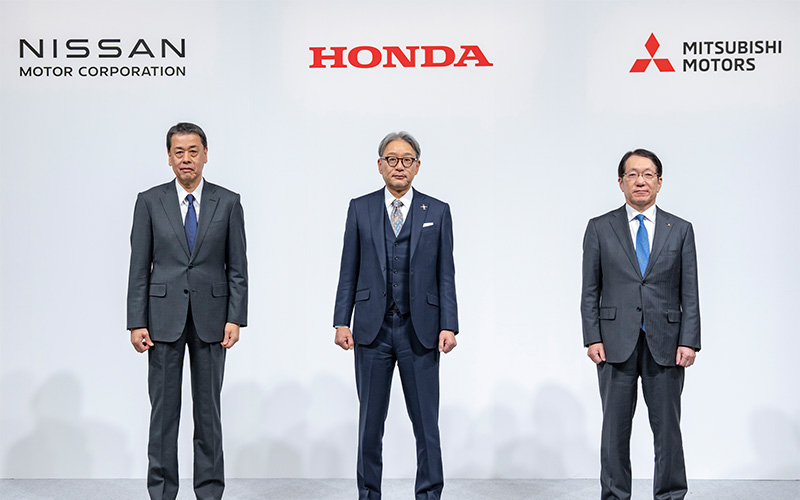
While the merger isn’t going forward, Honda, Nissan, and even Mitsubishi plan to continue their electric vehicle partnership. The three major Japanese auto makers plan to help each other in development of electric vehicle development. This includes expanding the brands’ autonomous driving capabilities, producing more efficient electric motors, and creating longer lasting batteries. Hopefully it’s enough to compete with the likes of BYD, a Chinese electric vehicle manufacturer, who holds nearly 25% of all electric vehicles sales internationally.