Latest News
2026 Ford Maverick ReviewNHTSA Proposes New Pedestrian Impact Rule
The NHTSA is proposing new standards for vehicle hood design that would lessen the danger to pedestrians in an accident.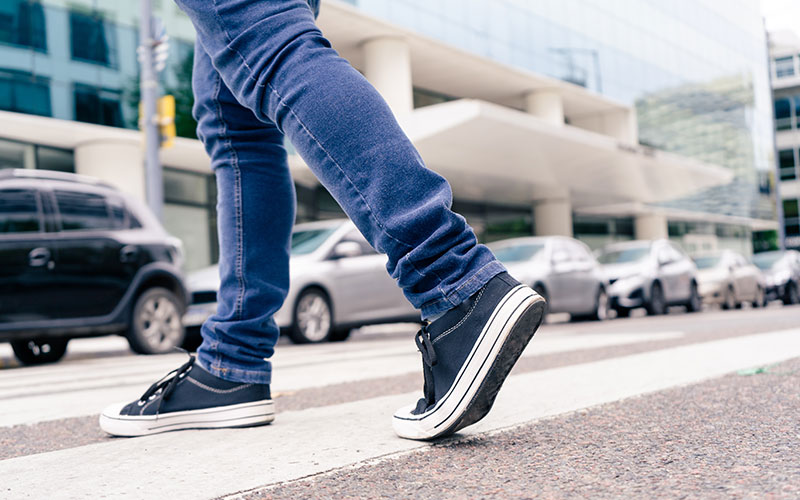
New Rule Would Change Hood Designs
The NHTSA (National Highway Traffic Safety Administration) is proposing a new rule that would require automotive manufacturers alter how they build vehicle hoods to better protect pedestrians in an accident. According to the NHTSA, while traffic fatalities have fallen over the last two decades by some 20 percent, fatality rates for pedestrian accidents rose by 33 percent between 2000 and 2020. The proposed rule addresses one of a number of factors contributing to the rise in pedestrian fatality rates and may presage additional rule changes to come.
NHTSA’s Proposed Rule No. 228

The proposed change to the FMVSS (Federal Motor Vehicle Safety Standards) targets a 70 percent reduction in the risk of fatal head injuries to pedestrians in a 25-mph crash. The new “pedestrian head protection standard” would apply to cars, light trucks, and MVPs (NHTSA’s term for “multipurpose passenger vehicles” that includes SUVs, crossovers, and minivans) as well as buses under 10,000 lbs.
The NHTSA’s proposal outlines basic test criteria for a new side impact standard for both child and adult pedestrians in a 25-mph crash. Those tests evaluate where and how hard a victim’s head impacts the hood of a car in a crash. The NHTSA’s intention with the new standards would be to encourage new hood designs from carmakers to lessen that impact and thereby save lives. The proposal explains that: “the countermeasures would have to ensure that the hood is not too stiff … and not too soft (a too soft hood could also fail because the [head] could penetrate down to the level of a hard, immovable structure beneath the hood). Among other objectives, an effective design balances hood stiffness with depth of penetration.”
The new rule, according to the NHTSA’s proposal, would apply to all current models of pickup and large SUVs sold in the US as well as many passenger cars. Indeed, such rules are already in place in Europe and many vehicles imported to the US would already meet the proposed standard.
Have US Vehicles Gotten Too Big?
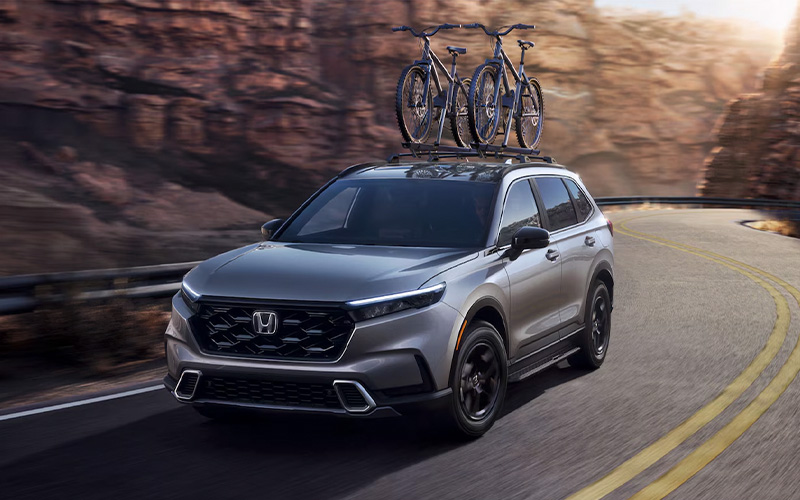
The proposed rule from the NHTSA is of a piece with new research that points to the average size of vehicles on the road may be contributing to the rise in pedestrian accident fatalities. A recent IIHS (Insurance Institute for Highway Safety) study surveying 18,000 accidents concluded that the hood height of vehicles could be a significant factor and that those “greater than 40 inches are about 45 percent more likely to cause fatalities in pedestrian crashes.”
The IIHS also pointed to speed as another key factor. Indeed, the combination of speed and vehicle mass were particularly concerning as the study noted that at a speed of 40 mph SUVs were almost twice as deadly as a passenger car (with a 100 percent fatality rate compared to 54 percent).
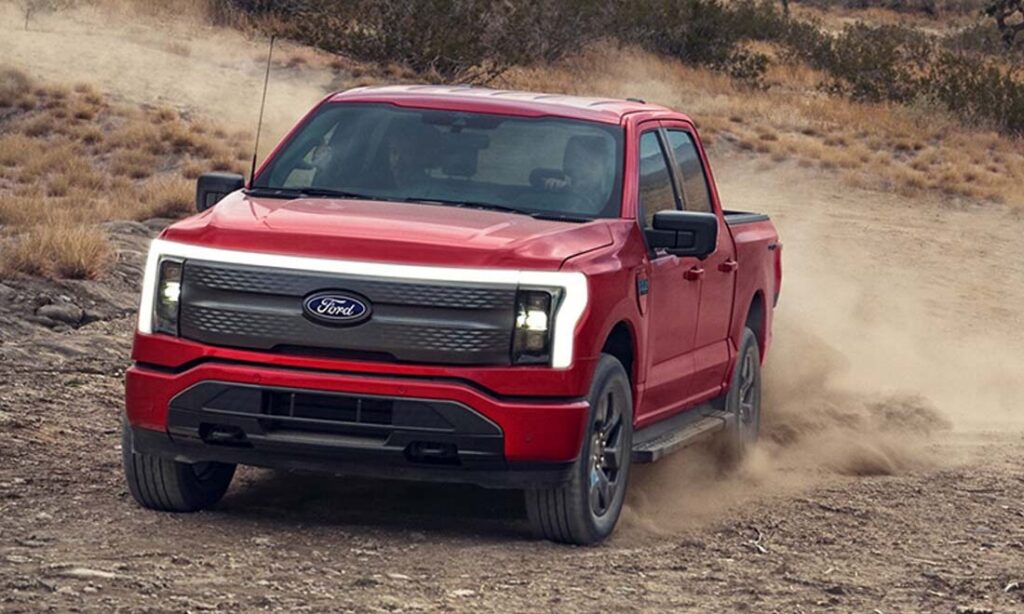
Another study from March of this year by Professor Justin Tyndall of the University of Hawaii concluded that the front-end height of a vehicle was the largest statistical factor in whether a pedestrian accident proved fatal. Dr. Tyndall’s study found pedestrian fatality rates rose by 68 percent when the accident involved a light truck versus a passenger car, that number rose to 99 percent in the case of full-size SUVs. Further, fatality rates rose for every additional 3.9 inches (10cm), up 19 percent for men, up 31 percent for women, and 81 percent for children under the age of 18. The study suggested a height limit of 49.2 inches, that of the Honda CR-V (your average compact crossover). For context, the full-size Ford F-150 pickup has a hood height of 55 inches.
New NHTSA Rule Up for Comment
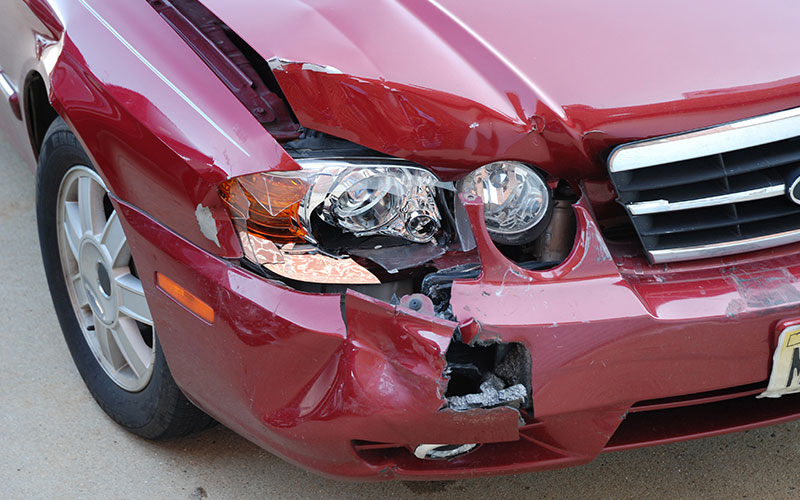
The NHTSA’s proposed changes to hood impact standards for pedestrian accidents is currently up for public comment on the Regulations.gov website. While the new rule would alter how automotive manufacturers build vehicle hoods, the impact on vehicle designs would be almost indiscernible for the average car buyer (again, many vehicles built outside the US already meet the proposed standard).
The proposal is in keeping with rules that required backup cameras as standard equipment in all new vehicles, implemented in 2018, or the new standard for forward pedestrian detection with automatic emergency braking, required by September of 2029, ones that improve vehicle safety while having negligible impact on vehicle design or consumer preferences.
Now, it appears unlikely that regulators will follow the findings of the IIHS and others to their logical conclusion. Just as the size of vehicles in the US has grown incrementally over decades, any possible downsizing of the US fleet would be a gradual, decades-long process led as much by consumer demand and manufacturers’ marketing as by top-down regulations.