
Latest News
2026 Ford Maverick ReviewWhat the Fed’s Rate Cut Means for Car Buyers
The Federal Reserve has cut interest rates for the first time in years. Here’s what it means for car shoppers and when they can expect to see lower rates.
The Fed Cuts Its Rate
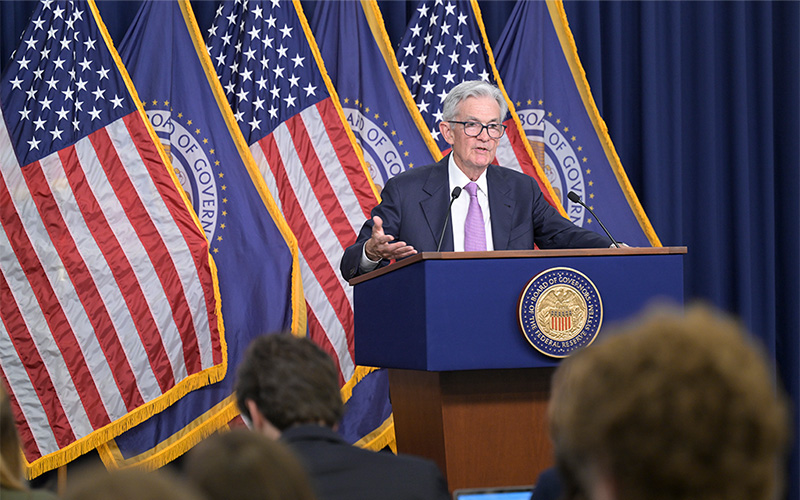
Last week Federal Reserve Chairman Jerome Powell announced a cut to the federal funds rate of 500 basis points, or .5 percent. To fight inflation, the Fed had kept interest rates high in recent years, but with inflation rates trending downward and unemployment ticking up, Powell and company felt the time had arrived to cut rates and give the US economy a nudge.
High interest rates have deterred many potential car buyers from making a purchase over the past year as rates have hovered around 10 percent or more for even the most credit-worthy borrowers (for more on this, click here). Given the Fed’s rate cut, how might the automotive market respond and, significantly, when can car shoppers expect to see a meaningful reduction in lending rates? We explain below, but first….
What is the Federal Funds Rate?

To understand how the Fed’s rate cut might affect auto loans, we need to quickly cover what the federal funds rate is.
The federal funds rate is the interest rate set by the Federal Reserve that banks can charge for reserves they lend to other banks on an overnight basis (modern electronic banking allows for these very short-term loans for banks to cover their deposits). The federal funds rate is basically a floor for the profitability of lending in the economy. It therefore has far-reaching implications for other interest rates within the wider economy i.e., loans that offer greater profitability for lenders.
The connection between the Fed’s rate and the rate you’re charged on your credit card or an auto loan is a lender’s “prime rate.” A lender’s prime rate is the interest rate given to the most credit-worthy of borrowers (often corporate borrowers) and is typically the federal funds rate plus a certain percentage, often plus three percent.
Prime rates are used for things like mortgages, small businesses loans, and other well-collateralized loans. Other interest rates, including car loans, are calculated as the lender’s prime rate plus another percentage based on the creditworthiness of the borrower and the riskiness of the loan. The Wall Street Journal publishes a prime rate daily, a calculated average of the prime rates of major lenders.
What the Fed Rate Means for Car Loans
Over the last year, the average prime rate has been 8.5 percent, that is the fed’s rate of 5.25 to 5.5 percent plus three percent. The Fed’s cut of .5 percent makes for a new fed rate of 4.75 to 5 percent, meaning prime rates will come down to around eight percent.
Sadly, that doesn’t mean we’re likely to see the average auto loan rate dropping down to eight percent, at least not for a while. The first reason is that banks usually update their prime rates on a quarterly basis. Another reason is specific to the auto industry. This month total debt in US auto loans surpassed college debt to become the second largest financial liability for American consumers (roughly $1.6 trillion).
Historically high default rates and the total amount of debt have made auto loans riskier for lenders. To better hedge that risk, lenders have been charging higher interest rates. This is why the current averages for US auto loans are what they are: 9.63 percent for new car loans and 13.95 percent for used car loans.
The Prospects for Lower Auto Loan Rates

The consequences of the Fed’s rate cut will ripple through the US economy over the next weeks and months, eventually trickling down to auto loan rates. A hopeful scenario for seeing lower auto loans goes something like this: a lower fed rate stimulates the economy as lending becomes cheaper and US consumers catch a break on more rate-sensitive loans like credit cards; a healthier economy reduces overall US debt, curbing auto loan defaults, thus allowing auto loan rates to edge closer to prime rates.
Barring a meaningful increase in inflation, we could see additional rate cuts from the Fed over the course of 2025, which would take us closer to pre-pandemic rates of 7.5-8 percent for new car loans by the end of next year. In the meantime, here is our advice on how to get the best loan rate possible and additional tips when shopping for your next vehicle.