Latest News
2026 Ford Maverick ReviewIdentifying a “G-body” Porsche 911
The longest generation of Porsche 911 may also be its most beautiful incarnation. Here’s how to identify the many different versions of the G-body 911
2nd-Gen, Best Gen Porsche 911?
Over its 62-year existence, the design of the Porsche 911 has remained amazingly consistent. If the initial 901 generation defined what a 911 should look like, the G-body second generation made that design indelible. The G-body saw the 911 take a visually aggressive turn. Influences from Porsche’s racing division added spoilers and wide fenders dovetailed with the steady march of increased displacement (and horsepower) under the hood. Over the course of the second-generation the 911 got faster and looked faster, a trend that culminated in the intimidating and beguiling 930 Turbo.
Technically the “G-body” designation was specific to the 1974 car, but that name has come, in common Porsche parlance, to reference all cars between 1974 and 1989. Below we get into all the year-by-year details that distinguish second-gen 911s.
What’s Not a G-body 911
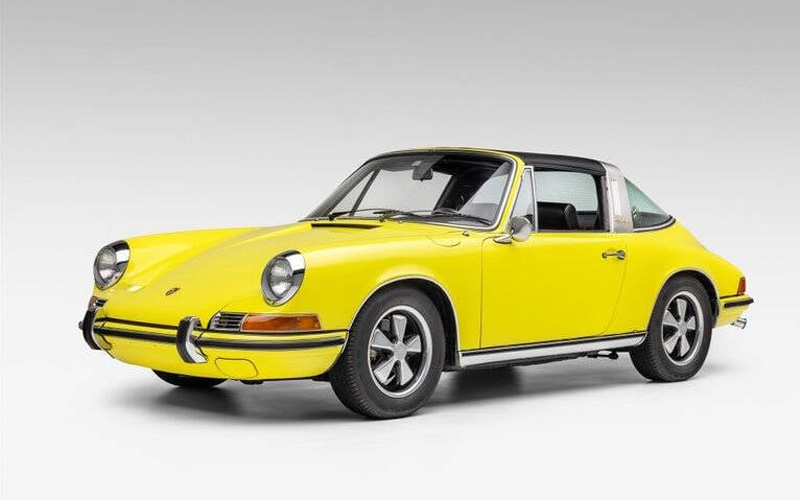
Before we leap into G-body 911s and their year-over-year morphology, let’s take a moment to glance at the transitionary period between the first generation and second generation 911, specifically the 1973 F-body. The easiest way to distinguish between the first and second generation 911s is by their hoods and bumpers. The common division among Porsche enthusiasts is long hood versus short hood. 1973 and prior cars featured a longer hood that folded over the front of the car and wrap around turn signals. The introduction of a new US regulation bumper is the G-body’s defining feature and one that necessitated the switch from a long hood to a short one and new turn signals up front.
Year-Over-Year Changes
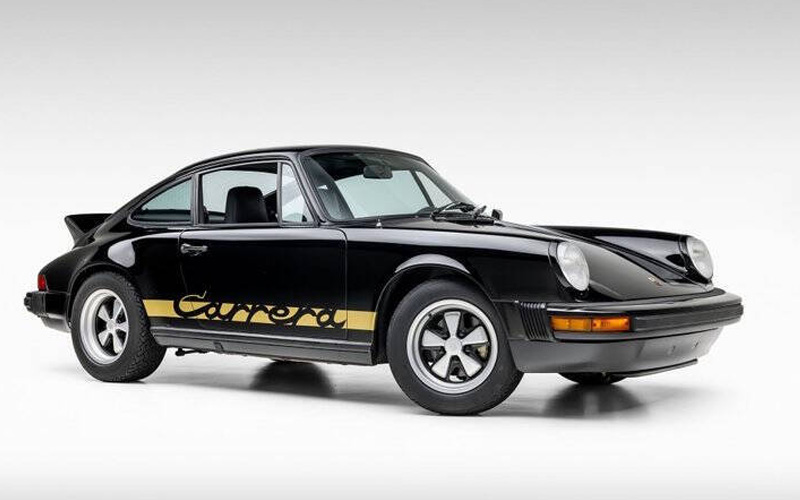
1974’s most significant change was the addition of the aforementioned impact bumpers, typified by the black accordion-style plastic covering on each side. Additional visual changes for the 1974 model included a new full-width rear reflector across the back of the car, chrome trim around the fog lights as well as the new “tombstone” style seats. In addition to the 911 and 911S, was the Carrera which can be visually distinguished by its ducktail spoiler, wide rear fenders, and the Carrera script above the rocker panels. A larger “whale tail” spoiler was created for the Carrera RS 3.0, 55 of which were built to homologate the Carrera RSR racecar.
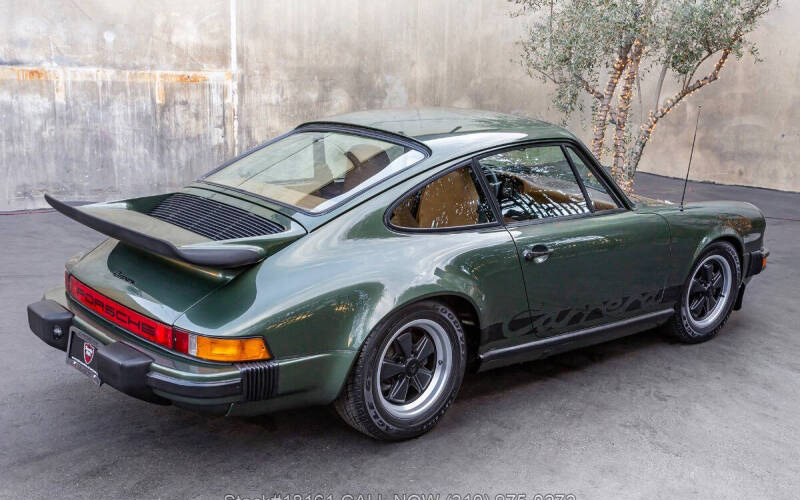
1975 marked the official arrival of the whale tail spoiler which was adopted for the 1975 Carrera as well as the new 930 Turbo. The 911’s side mirror was now offered in black in addition to chrome, and the rear bumper overriders gained size for US cars. The rear engine grille, that in ’74 had been metal and featured an engine displacement number, was changed to plastic and the number deleted.
1976 changes included a new body-color side mirror (the US 911 continued with a single side mirror through ’77). Cork was introduced as an interior color. 1977 was a carryover year.
The 911 lineup received a major shakeup for the 1978 model year. The wide rear fenders were adopted across the board. The SC (Super Carrera) replaced the Carrera. The whale tail evolved into the “tea tray” with the addition of an intercooler with larger vents.
The 911 in Limbo
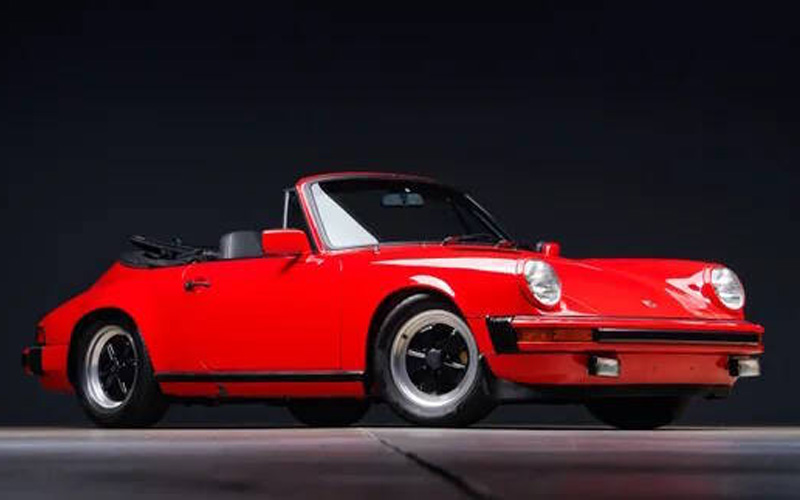
The 911 entered a stasis between 1978 and 1983, with minimal changes made. This was due the plan by Porsche to sunset the 911 in favor of the new front-engine transaxle 928. A few minor changes include the 1980 car adopting standard dash symbols. Where once the cigarette lighter had the image of a zippo lighter, it now had the more familiar burning cigarette. The “snorkel” style headlight washers of 1978-79 were replaced with smaller versions for 1980. Like the Carrera, the 930 Turbo was given a hiatus starting in 1980. For 1982, Porsche finally introduced the cabriolet body style to the 911.
1984 saw the return of the Carrera to the 911 trim lineup. Recessed fog lights introduced that same year help identify ’84 and later cars. The “Turbo look” returned under the M491 option code that provided wide flaring rear fenders and tail but with a naturally aspirated engine under the hood. 1985 was another carryover year with subtle changes like revised seats that eliminated the horizontal pleating.
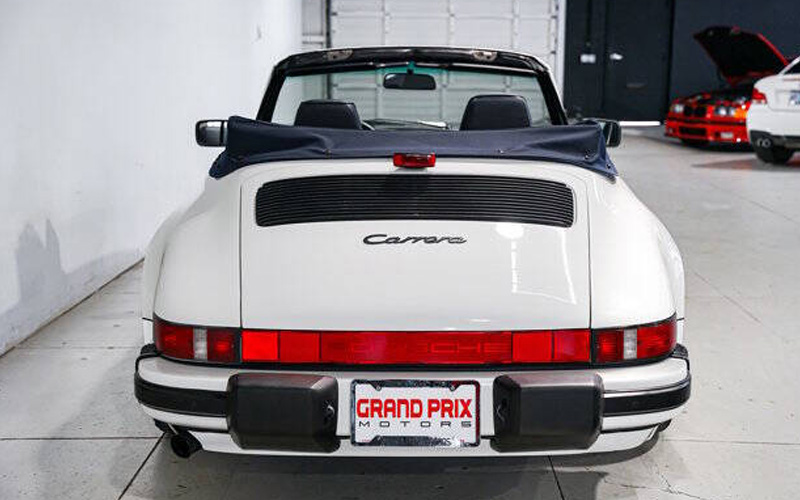
1986 brought the return of the 930 Turbo. A CHMSL or center high-mounted stop light (third brake light) was added to the bottom center of the rear window. The dashboard was revised, including new, larger square dash venting.
For 1987, the 911 received a new rear reflector that dispensed with black lettering in favor of transparent lettering and narrowed slightly to accommodate revised marker lights. In 1988, Porsche moved the CHMSL/third brake light from the bottom of the rear window to the top. 1989 was the final production year for the G-body before the arrival of the 964 generation 911.
Over its fifteen years in production, the G-body continued the 911’s steady evolution while introducing some of the car’s most indelible visual elements like the whale tail spoiler, cabriolet body style, and wide rear fenders. For many fans of the 911, your author included, the G-body is the definitive look for the Porsche 911.