

Latest News
2026 Ford Maverick ReviewCracks and Chips : What to Know About Windshield Repair
Is your windshield cracked or chipped? If you're not sure whether to fix it yourself or take it to a professional, here is a helpful guide for making the repair.
If you’ve followed our past guides on car paint scratch repairs and DIY touch-up techniques, you already know how minor damage can turn into a major (and costly) problem fast. This time, we’re shifting focus from paint to glass – because that tiny chip in your windshield? It’s not just cosmetic.
Windshields are more than just see-through barriers, they’re a critical safety component. A single chip can quickly turn into a crack thanks to heat, cold, moisture, or even just the stress of everyday driving. When that happens, air and water seep into the layers of glass, weakening the structural bond. According to Glass.net, it’s essential to keep the area dry and covered until you can make a proper repair.
For small chips and short cracks, DIY windshield repair kits can be a convenient, affordable solution, sometimes restoring up to 90–95% of the glass’s original clarity. But not all damage is DIY-friendly. Before you reach for a resin kit, it’s important to know what can (and can’t) be safely fixed at home.
Is Your Windshield Damage Repairable?

Not every crack is a good candidate for a DIY repair. According to the National Windshield Repair Association, cracks that are under 2 to 2.5 inches in length are generally safe to fix using a repair kit. However, the location of the damage is just as important as its size. Do not attempt to DIY the repair if the crack reaches the edge of the windshield, is under sensors or cameras, goes through both layers of glass, is starburst-shaped, or is in the driver’s direct line of sight. In these situations, a full windshield replacement by a professional is usually needed.
What’s in a DIY Windshield Repair Kit?
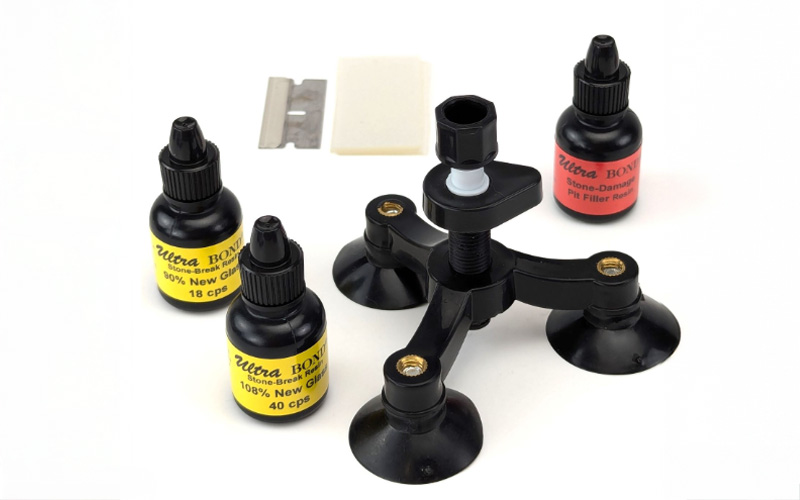
Most repair kits come with a few essential tools to help you fix minor windshield damage. These typically include a razor blade and suction mount for cleaning and preparing the area, a bottle of resin to fill the chip or crack, and a UV curing strip or small lamp to harden the resin and complete the repair.
How to Use a DIY Kit
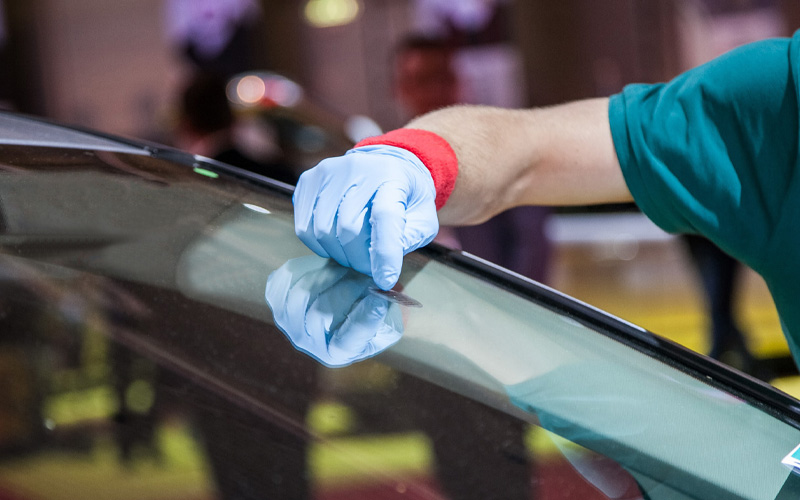
Step 1: Assess the damage
The ideal situation for a DIY repair is any chip under 1″ or crack under 2–6″ that is not attached to any window edges.
Step 2: Clean and dry the area
Clean the area with a dry, lint-free cloth. Avoid using any glass cleaner and apply clear tape to keep any moisture out of the area until you are ready for the repair.
Step 3: Prepare your materials
Your resin and other tools should be kept at room temperature during the repair.
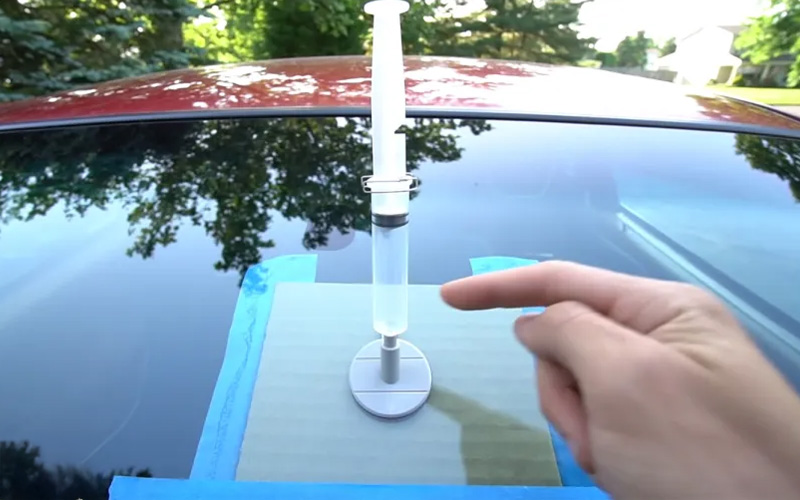
Step 4: Mount the suction base
Make sure to align the suction base directly over the center of the chip/crack.
Step 5: Inject the resin
Follow your specific kit instructions and ensure the chip has been filled completely by using either pressure or a vacuum.
Step 6: Cure the resin
After applying the resin, let it cure either in direct sunlight or under a UV lamp for at least 15-30 minutes.
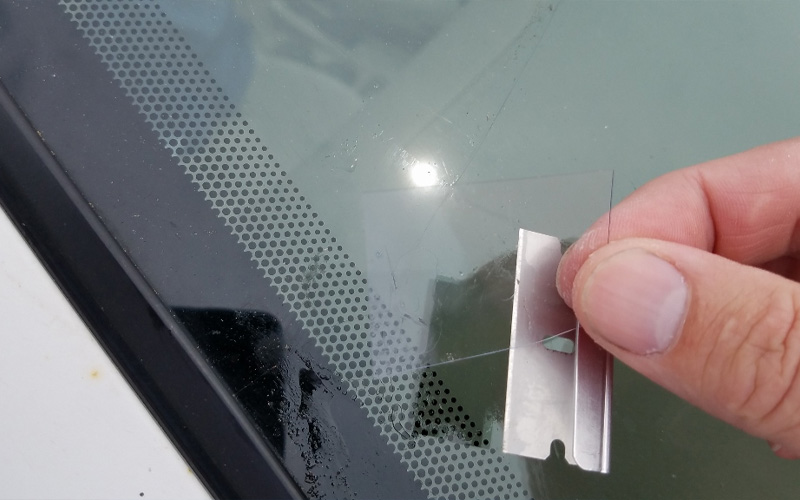
Step 7: Scrape off excess
Use a razor blade at a right angle to remove the excess resin and ensure a smooth finish.
Step 8: Inspect the area
Inspect the area to ensure a job well done. If necessary, you can reapply the resin and repeat steps 5-7.
Risks and Drawbacks of DIY Kits
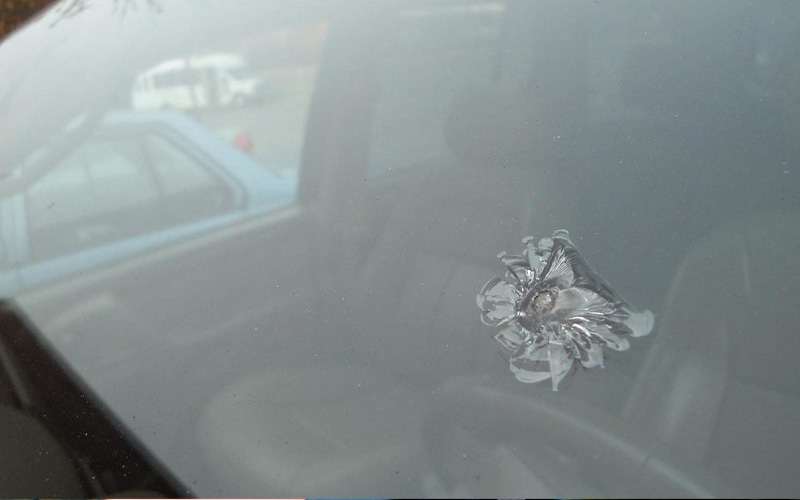
Even though DIY windshield repair kits are easy to find and budget-friendly, they come with real limitations. One major concern is reduced structural integrity, these kits can’t fully restore the original strength of the glass, which is critical in the event of an accident. Aesthetic flaws are also common, such as streaks, patchiness, or visible marks caused by imperfect application. Additionally, mishandling the repair can actually worsen the damage, causing cracks to spread further. The effectiveness of the repair is also highly sensitive to environmental conditions, with ideal curing temperatures between 50–75°F and minimal humidity or dust. Lastly, DIY repairs may complicate insurance claims, as some providers won’t cover them, and poor repairs could even void your coverage.
When to Go Pro: The Case for Professional Repair
DIY windshield repair can work in a pinch, but professional repairs offer clear advantages that go beyond convenience. Trained technicians provide accurate diagnoses, evaluating the depth, position, and type of damage to determine the best course of action. They also use advanced equipment, such as vacuum-injection systems and controlled UV curing, which ensures a more precise and effective repair. The materials used by professionals—especially high-quality resin—create a stronger bond and a clearer, more seamless finish. Many repair shops also offer warranties on their work and can assist with insurance claims, giving you a little extra peace of mind. Most importantly, professional repairs help maintain the structural integrity of the windshield, which is essential for safety in crashes and proper airbag deployment.
Maintenance & Prevention Tips
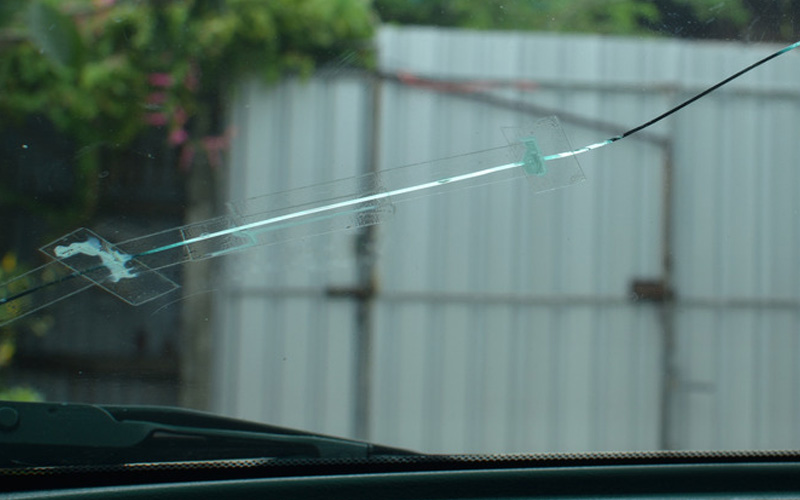
To help prevent further damage or protect an existing windshield chip, it’s a good idea to cover the chip with clear tape to block out moisture and debris. Additionally, try to limit driving if the chip affects your visibility, as vibrations and temperature changes can make the damage worse. Avoid pouring hot water on a cold windshield, as the rapid temperature shift can cause cracks to spread. For long-term protection, consider applying a windshield protection film to help prevent future chips and cracks from occurring.
Final Thoughts
DIY windshield repair kits can be effective for small, isolated chips or short cracks, especially when instructions are followed carefully and the repair is done under the right conditions. They’re best suited for small, clean chips located away from the edges, and as temporary fixes in ideal weather. However, they’re not ideal for larger, spreading, or complex cracks, damage near the windshield edges or sensor areas, or situations where full structural integrity is critical. If you’re unsure about the severity of the damage or want lasting results backed by a warranty, professional repair is well worth the investment.