Everrati: Redefining Automotive Icons
We chat with Everrati CEO about using modern EV technology to capture the joy of driving iconic cars like the Porsche 911 and Land Rover Series IIA.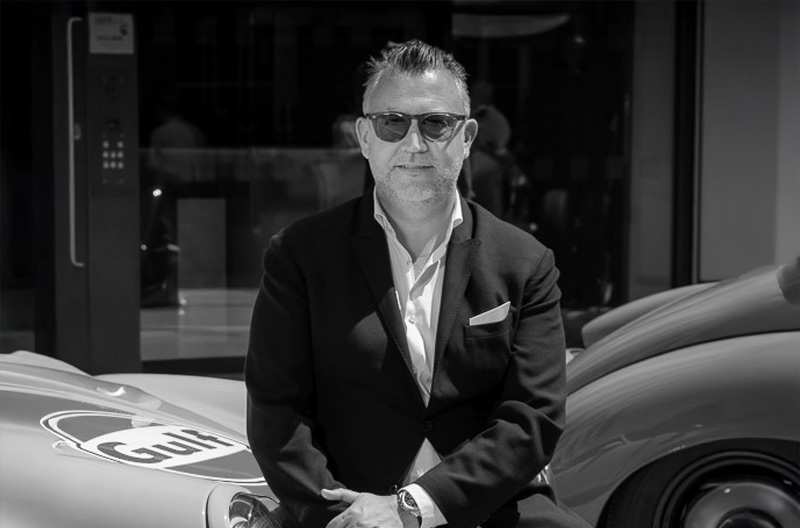
Bringing the Past into the Future
As the automotive industry continues its seismic shift from internal combustion to electric power, there is a fear among the enthusiast set that they’ll be left in the lurch. For those who believe cars have souls and who feel a connection to the mechanical wonder of an internal combustion engine at full whack, the ever-expanding crop of EVs may seem a bit blah. Fast and powerful, no doubt, but from a design and driver engagement perspective, today’s EVs can be lacking. Everrati, UK-based redefiner of what an EV can be, aims to help change that sentiment. I recently spoke with Everrati CEO, Justin Lunny, and here’s what I found out.
Redefining Automotive Icons
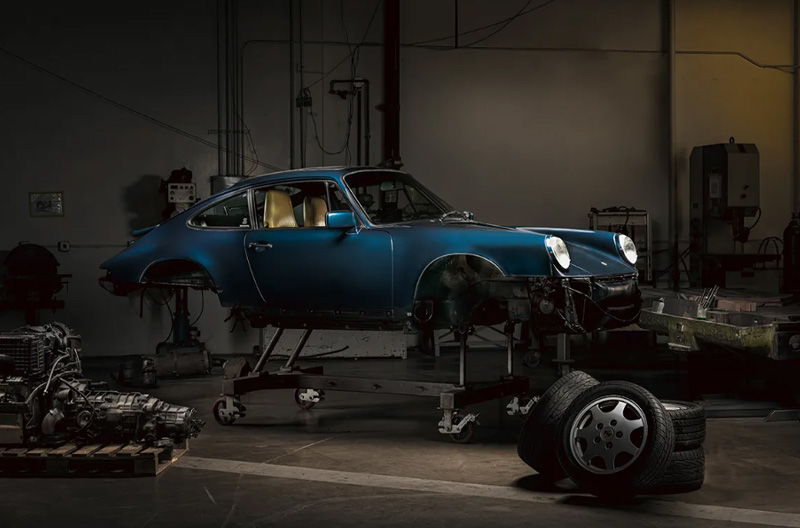
For starters, Everrati is not the next Tesla and not a company simply swapping an old car’s gas-powered engine for a battery-powered drive unit. Instead, it is a tech- and design-centric manufacturer that is respectfully evolving iconic cars into future-proof statement pieces. In the words of Justin Lunny, “I’ve never liked the word ‘convert’ as it implies you’re taking something apart and forcing it into a new shape. That’s not what we do. We respect the soul of these vehicles and our job is to redefine what they can be without compromising what made them iconic in the first place. It’s a more precise word for a more precise process. You don’t convert a masterpiece, you evolve it.”
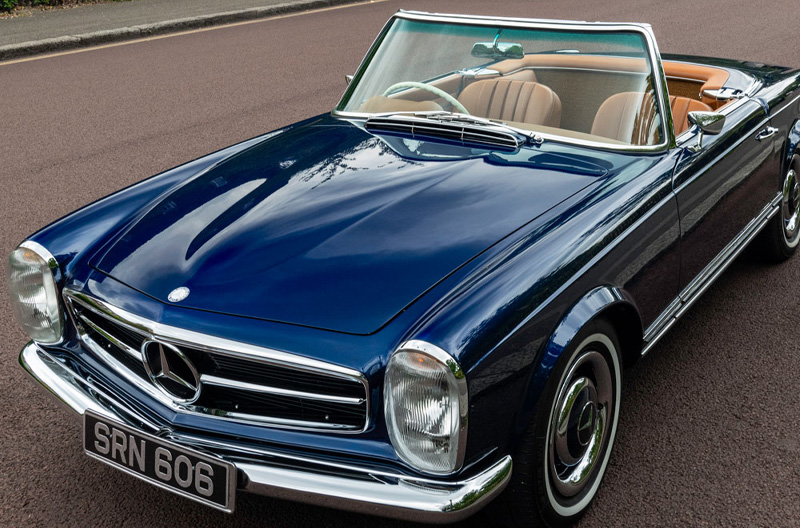
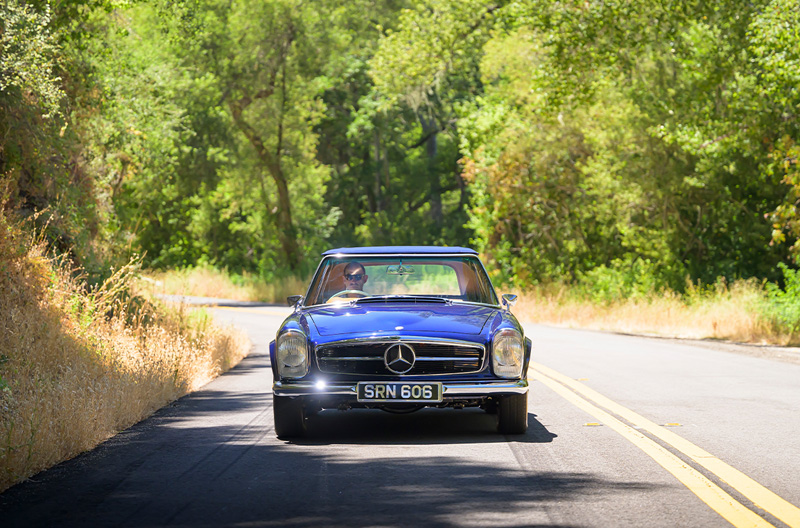
The cars Everrati works with, like the Porsche 964 and Mercedes SL Pagoda, are each highly desirable collector’s items in their own right. These are the kinds of vehicles purists consider automotive masterpieces, vehicles that are best enjoyed without modification. It’s fair to say that recrafting a classic Porsche 911 from the 964 generation is an endeavor fraught with the potential for enthusiast grumbling. Which is the crux of what makes Everrati so interesting.
The Vision of a Petrolhead
Everrati founder, Justin Lunny, is a dyed-in-the-wool petrolhead. As an aside, I’m not British, but petrolhead is such an excellent term, and one invoked by Mr. Lunny, that I’m going to use it. He has a long history of owning the kind of gas-powered rides that gearheads dream about worldwide. Ferrari 812 Superfast, Porsche 991.2 GT3 RS, BMWs of many ilks. You get the idea; he fully understands why enthusiasts care so deeply about the details that make their cars special. He is one. So to ensure that grumbling is kept to a minimum, the cars Everrati reimagines keep their chassis fully intact.
Yes, the running gear is entirely new or refurbished, but the soul of the car stays in place. In fact, Everrati goes so far as to maintain the original weight distribution. Of course, as an EV, the finished product is quite a bit more powerful, but these Everrartis are not looking to take on a Lucid Air Sapphire in a drag race. Instead, vehicles like the Everrati 964 offer more performance than from the factory, but with a focus on excitement, not sweaty palms. 500 horsepower is the figure Everrati quotes for their Porsches, which sounds about right.
Poised For EV Success

With a staff that includes engineers from the likes of McLaren, Lotus, and Rimac, it’s clear that Everrati is serious about creating truly special vehicles. Considering the estimated 6,000 hours of development time that go into a new vehicle program, you can bet the finished product will be just that. You can also be sure Everrati’s cars do not come cheap. Figure on $450,000 to start and know that certain commissions have encroached on three-quarters of a million dollars. With Everrati’s Artisan department delivering true bespoke design, unique to each client, these numbers are less surprising.
The name Everrati is a blend of “Ever”, as in keeping iconic cars on the road forever and “Rati”, the goddess of passion, love, and desire. It fits with the company ethos of creating “the ultimate expression of sustainable, exhilarating, quiet luxury.” And after spending some time chatting with the founder and CEO, it’s obvious the Everrati mindset is baked into every iconic Porsche, Mercedes, and Land Rover they redefine. I, for one, am excited to see what this EV-meets-art manufacturer comes up with next.