
Latest News
2026 Subaru Crosstrek Review
With timeless lines and raw power, BMW 3.0 CSi shows us what makes this classic ‘70s grand tourer the Ultimate Driving Machine.
New Classic Bimmer
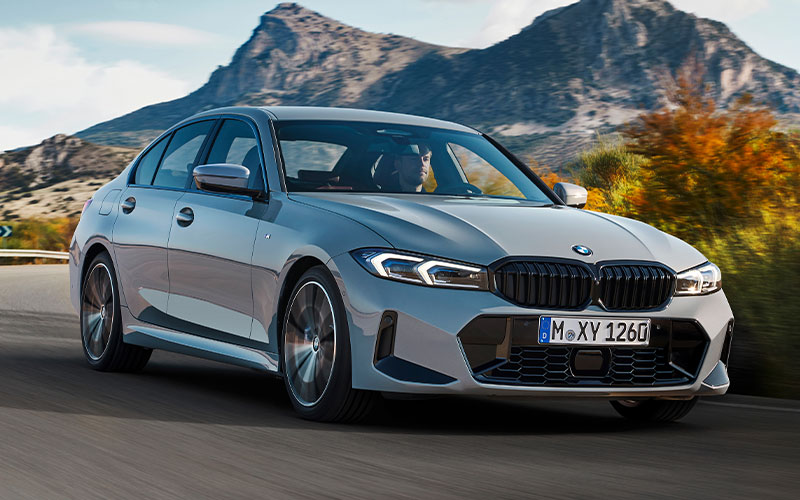
Modern BMW design has come in for criticism of late. The signature kidney grille design has grown to outlandish proportions, with critics using terms like “bucktoothed” and “weird” with regularity. The one time “Ultimate Driving Machine,” while still fast in a straight line and capable in the corners, is today a more homogenized experience than ever. For purists and long-time loyalists, BMW has lost the plot on the way to greater profitability.
Nowhere is this more evident than when confronting classic BMWs. Cars like the 2002, the E30 M3, and the M1 (now there’s a proper kidney grille) make plane what all that fuss was about when Beenie Man asked, “Who’s got the keys to my beamer?” The BMWs of yesteryear had a perfect balance of elegant proportions, road-hugging dynamics, and world-beating power.
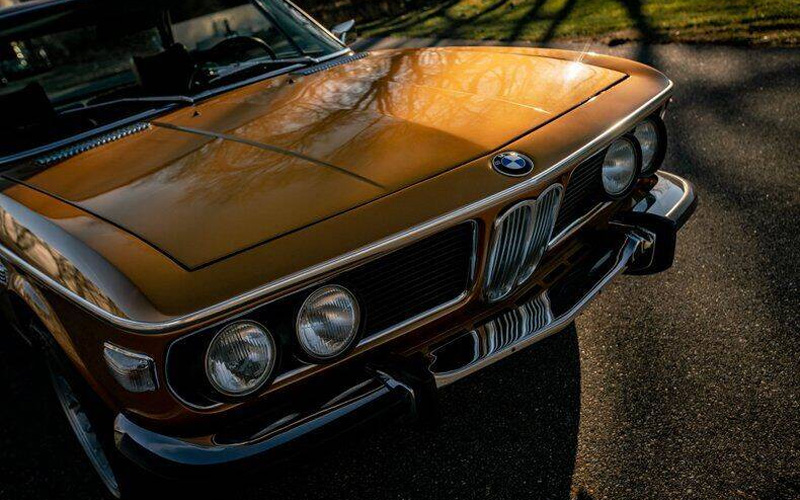
As collectors have fallen head-over-heels for the E30 and E46 3 Series in recent years, there are still lots of other classic BMWs remaining under the radar. One is the BMW E9, a beautiful, athletic coupe from the early 1970s that is among the brand’s most captivating designs.
Today’s Cool Car Find is a 1974 BMW 3.0 CSi, a highpoint within the E9 generation. Here’s what makes it special.
E9 Coupes
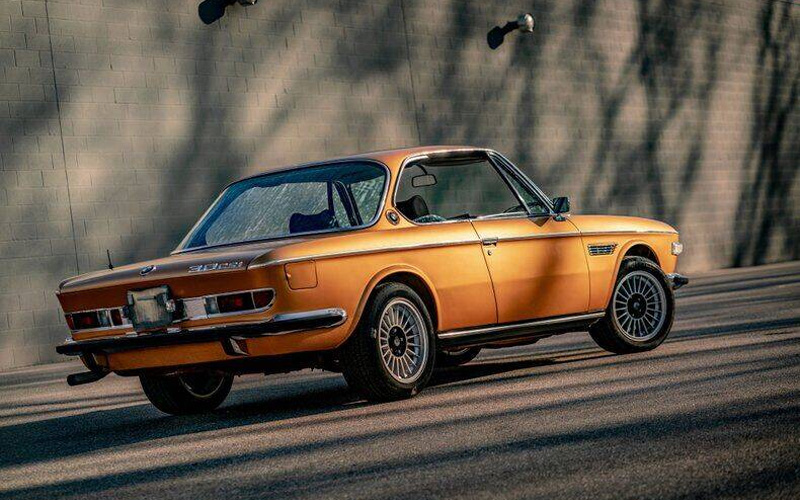
The 3.0 CS and 3.0 CSi BMW coupes had their beginnings with the 2000 C and 2000 CS (the C and CS standing for single and dual carbs, respectively). The 2000 C and CS were natty pillar-less coupes from 1965 through 1969. They ran a 2.0L inline-four and were themselves an offshoot of BMW’s New Line sedans of the 1960s.
The E9 generation kicked off with the 2800 CS in 1968. While it retained much of the styling the 2000 C and CS (penned by Wilhelm Hofmeister of Karmann), the new 2800 CS was widened and lengthened to accommodate its new 2,788cc straight-six engine.
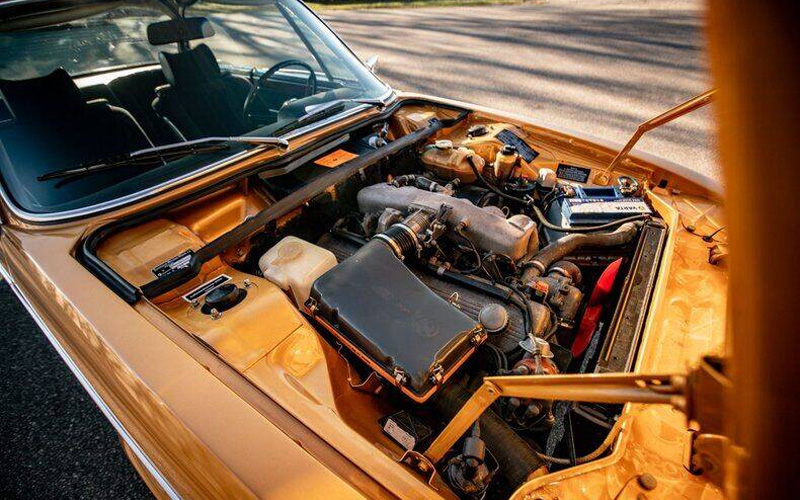
The car got another major upgrade in 1971 with the introduction of a new bored out version of its straight-six, now 2,985cc. The new 3.0 CS now offered up 170 horsepower and 185 lb.-ft. of torque, along with new ventilated disc brakes in the rear. Also new was the 3.0 CSi, which introduced a Bosch fuel injection system which helped bump output up to 200 horsepower and 200 lb.-ft. of torque. The 3.0 CS/CSi could be ordered with either a four-speed manual or three-speed automatic transmission. The 3.0 CS and 3.0 CSi were not the quickest off the line, with zero to sixty times of nine and eight seconds respectively, but top speed for these Grand Tourers was an impressive 139 mph.
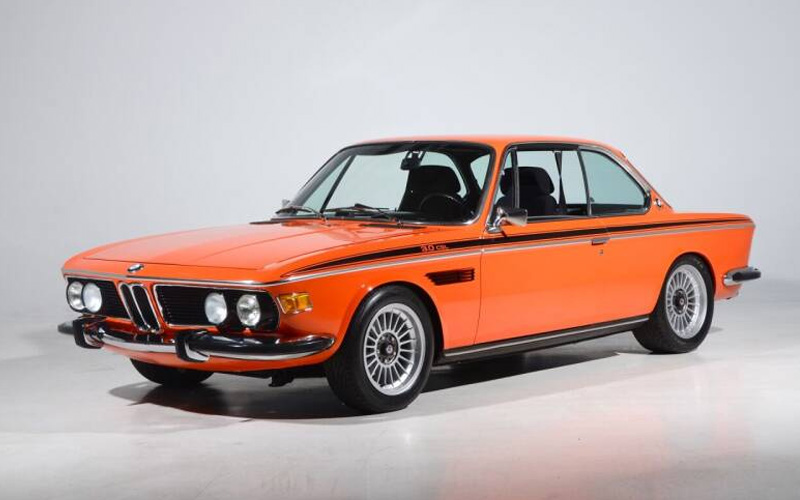
The most well-known version of the E9 coupes was the 3.0 CSL racing homologation which debuted in 1972. Its 1973 racing livery has become one of BMW’s most iconic with its classic white with red and light and dark blues striping, plus its prominent front air dam and huge rear wing that earned the 3.0 CSL its “Batmobile” nickname. The first of the BMW art cars were both 3.0 CSLs, the first by Alexander Calder in 1975 and the second by Frank Stella done in 1976.
The E9 coupes were eventually succeeded by the new 6 Series (E24) in 1976.
This Cool 1974 BMW 3.0 CSi
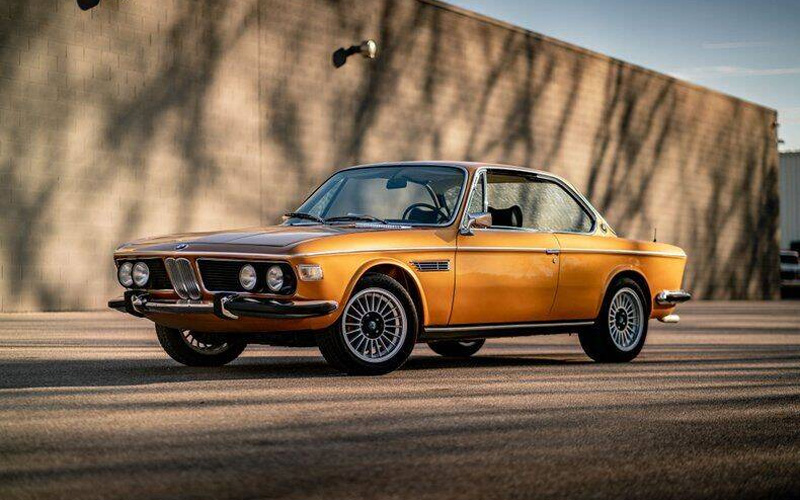
As one of BMWs iconic designs, we chose this exquisite 1974 BMW 3.0 CSi as today’s Cool Car Find. As the fuel injected version, this example has 200 horsepower and 200 lb.-ft. of torque and comes with a four-speed manual transmission.
The restoration on this car is unimpeachable top to bottom and included new seals and gaskets. Note the Alpina alloy wheels and the Ceylan Metallic (gold) paint (the seller notes that this was not the original Siena Brown, but the color change has been flawlessly executed).
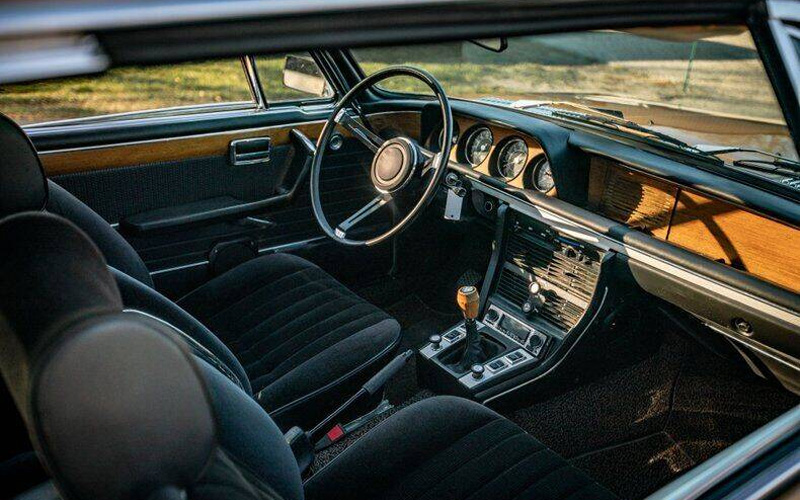
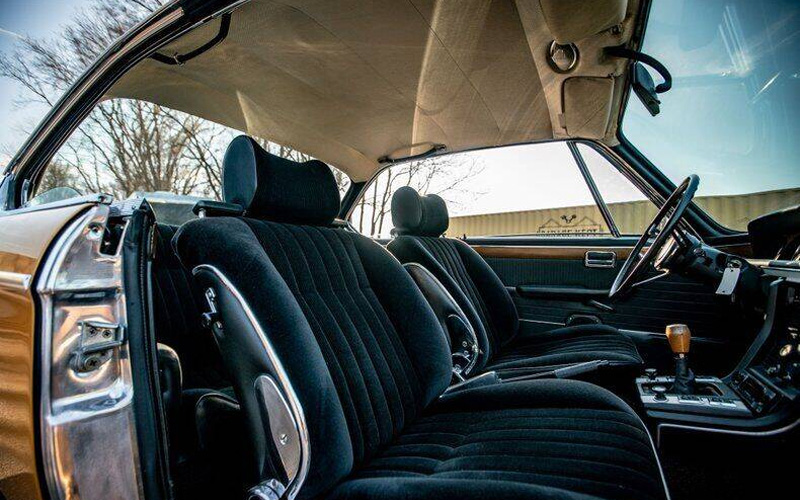
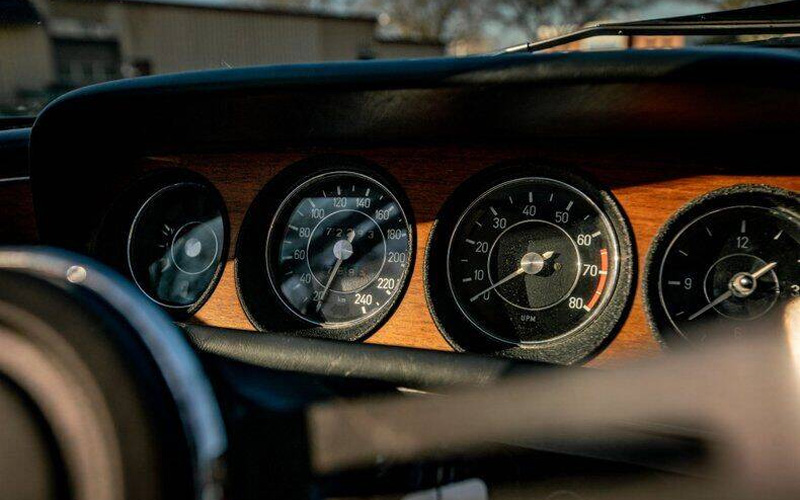
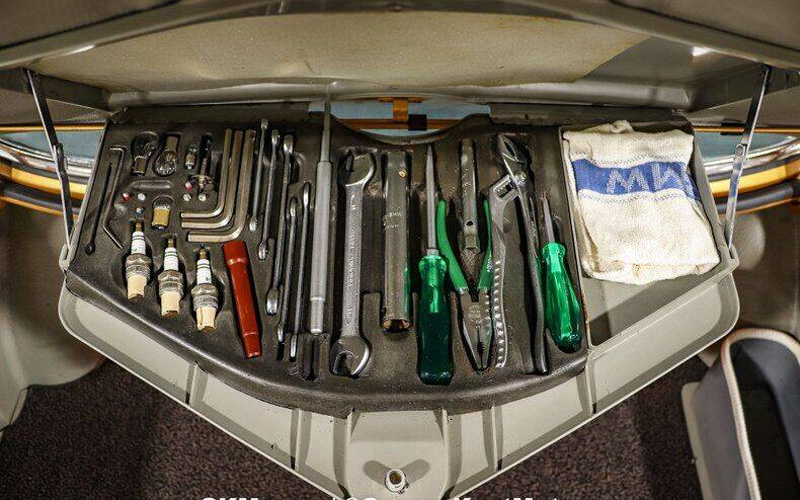
Inside you’ll find wood trim on the dash and doors and well-bolstered cloth seats. The lack of a B-pillar and a thin A-pillar provide the 3.0 CSi with an airy cabin and fantastic outward visibility.
As classic BMWs continue to climb in price and rarity over time, you can bet the price tag on this 3.0 CSi, of $109,900, will look like a steal in the years to come. We suggest getting in on the ground floor on this iconic beamer.