Latest News
2026 Chevrolet Suburban Review
How did the Indianapolis 500 help spawn North America’s premier open-wheel racing series? Learn more about IndyCar!
North America’s Open-Wheel Motorsport
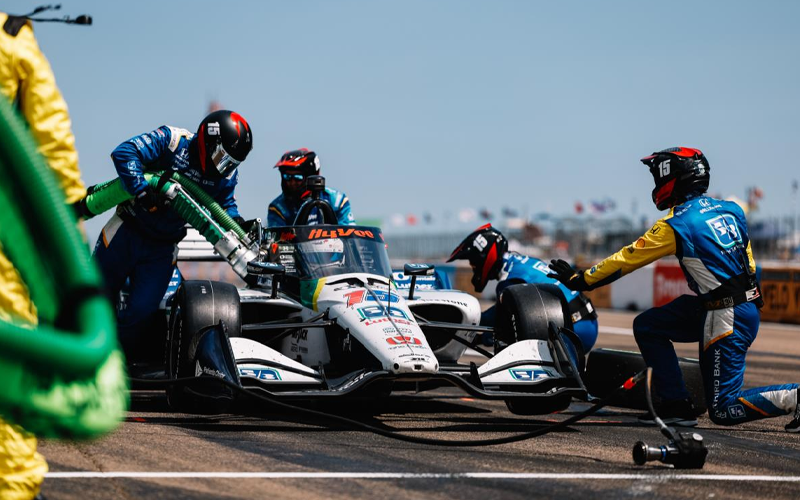
Formula 1 may be the largest motorsports series internationally, but we’ve got our own open-wheel racing series that’s been taking place across North America. While it has gone by different names, Indy car has been a staple motorsport for over 100 years. While it’s predominantly known for its most well-known event, the Indianapolis 500, the IndyCar Series is a season long championship that’s had its own share of motorsports greats grace its podiums.
With the 2024 NTT IndyCar Series currently underway and the next Indy 500 on the horizon, we figured we’d get into the spirit and learn more about this long running motorsport. We’re looking at how this motorsport has changed and some of its greatest drivers. To start though, we’re looking into that interesting name for this North American open-wheel racing series.
Why is it Called Indy Car Racing?
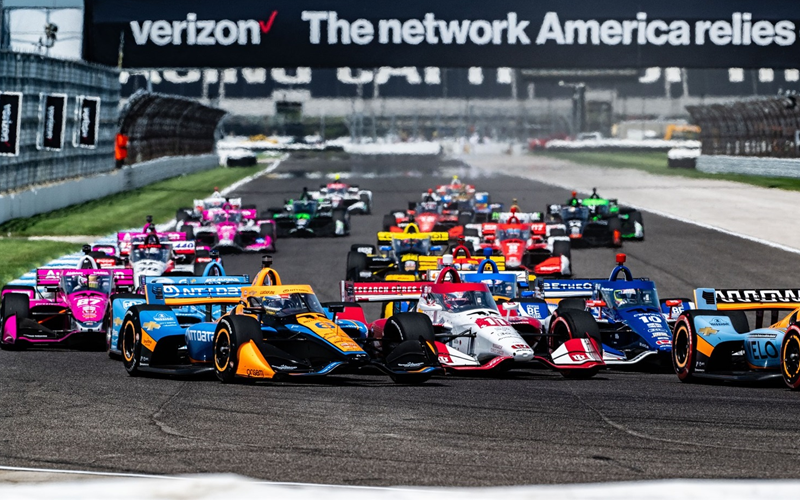
“Indy car” was originally coined as a nickname for the unique open-wheel race cars that competed in the United States Auto Club’s Championship Division. It is derived from the name of this motorsport’s most prestigious race, the Indianapolis 500 – which is also referred to as the Indy 500. Prior to that moniker, these cars were called Championship Cars or Champ Cars, but the connection to the Indy 500 won out with fans and organizers.
Indy Car’s Complicated History
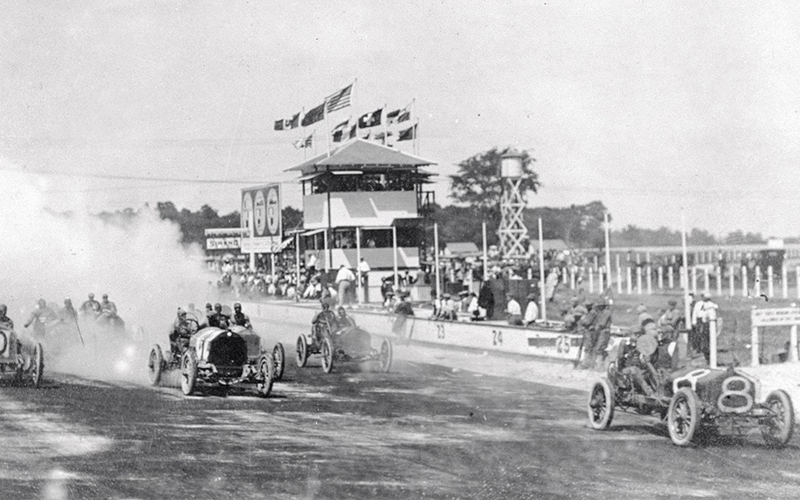
Indy car’s roots go all the way back to the early 1900s and even predates the Indianapolis 500. The American Automobile Association (better known as the very same AAA we use today for roadside assistance) instituted their own Racing Board in 1902. The AAA Racing Board helped in officiating and organizing racing events like the Vanderbilt Cup, America’s first major racing trophy. They enacted the first season long National Championship in 1905. AAA also sanctioned the first ever Indianapolis 500 in 1911.
Subsequent AAA sanctioned seasons were sporadic with international incidents like the Great Influenza Epidemic, World War I, and World War II all putting pauses on racing. AAA stayed steadfast in being the leading sanctioning body when it came to Indy car racing up until 1955. The Le Mans Disaster and the unfortunate death of Bill Vukovich at the Indy 500 led to AAA severing their association with racing.
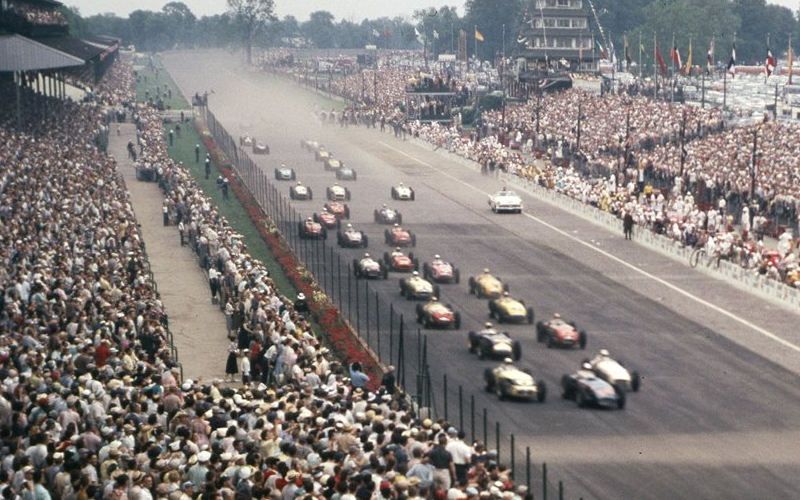
Indianapolis Motor Speedway along with other major Midwest motorsport promoters formed an emergency committee following AAA’s departure. This group went on to be called the United States Auto Club (USAC). The first USAC Championship Car Series season was held in 1956 and they’d continue to act as the lone sanctioning body for over 20 years. USAC seasons prior to 1971 featured road courses, dirt tracks, hill climbs, and paved ovals. 1971 saw Indy cars race more often on paved circuits with the dirt tracks gaining their own series, the National Dirt Car Championship.
While paved track conditions allowed for faster cars and better aero packages, tensions were getting high between team owners and USAC. The loss of major sponsors, lackluster event promotion, and podium purses that actually resulted in a net financial loss led to the creation of CART. Championship Auto Racing Teams (CART) was founded by team owners as a way to take control of the situation themselves. They aimed at creating better sponsorship opportunities, securing television rights, enacting larger purses, and holding seats on USAC’s decision making board as a competitor advocate for rule changes.

When the representatives of CART were denied their request by USAC, they went ahead and started holding their own Indy car races in 1979 with the help of Sports Car Club of America (SCCA). USAC tried to retaliate against the teams that participated in the CART event by banning them from the Indy 500 that year, but CART still managed to get those teams in for qualifying that year. Of the twenty Indy car races that took place in 1979, 13 of them were under the CART.
USAC stood down and decided to try act as a sanctioning partner with CART for the 1980 Championship Racing League but bowed out after just the first five races. USAC continued to solely act as the sanctioning entity of the Indianapolis 500 while CART operated as a separate season long championship sanctioning body. In 1983, CART was granted access by USAC to add the Indy 500 to their schedule officially and use its results for their championship points, but the event itself was still managed by USAC.
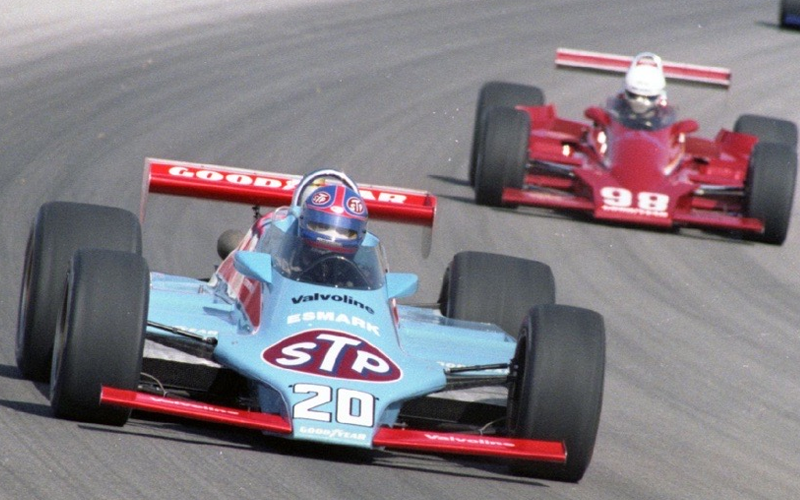
The CART PPG Indy Car World Series ran from 1982 to 1991. The new series made great strides in improving open-wheel racing across Noth America. They added major racetracks like Road America and Laguna Seca to their schedule and even added events that took place on the streets of Detroit and Long Beach. CART also instituted the first full-time travelling safety team, so they always had professionals on hand rather than relying on local event staff.
Indy car racing was growing in popularity under CART’s direction. It was playing more frequently on television, more fans were in attendance, and the purses made it actually worth showing up to race. While this seemed like positive advancements for the motorsport, there were some disagreements growing from the pits. The smaller teams found it hard to compete against teams like Penske and Haas who had their hands in the CART governing board and who owned some of the tracks on schedule. While these big-time teams were flush with cash and could get all the latest and greatest equipment, the guys at the back of the pack had to make do with older Indy car models or even miss some of the season to cut costs.
CART also joined the Automobile Competition Committee for the United States in 1988 which enabled foreign drivers to compete in the Indy car series without losing their FIA Super License. This led to F1 drivers entering the grid and the sport saw its first non-American driver win the championship in 1989. This helped give Indy car international publicity and CART went on to take the series outside of North America for the first time for a race in Australia.
As costs for Indy car skyrocketed and CART continually siding with the highest bidders, the little guys started getting pushed out. These smaller teams couldn’t hire professional F1 drivers, they couldn’t afford the latest engines or chassis, and they weren’t able to remain competitive. This focus on foreign drivers also led to seats being taken away from American talent which pushed them to pursue NASCAR and further that motorsport’s popularity in the early ‘90s.
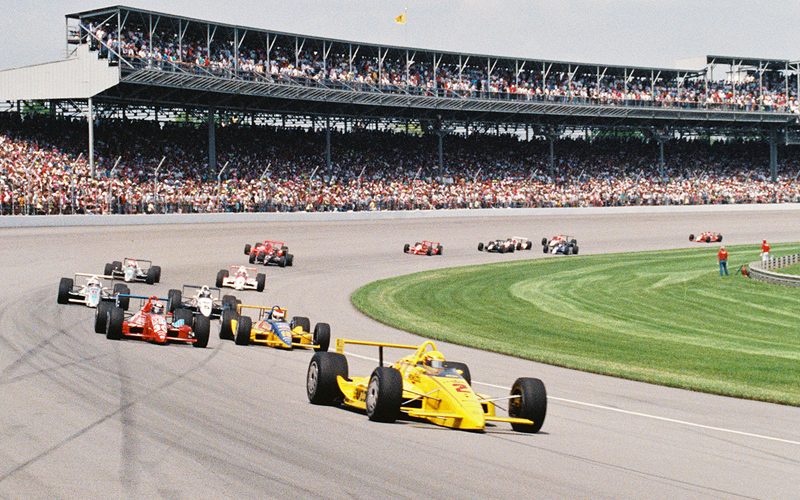
CART felt pushback from Indianapolis Motor Speedway who still were utilizing USAC for the Indy 500. Rather than lose access to their biggest race of the season, CART made changes to their governing body in 1992. They rebranded as IndyCar and formed a new board made up of five elected members sat alongside the IndyCar CEO and the Indianapolis Motor Speedway owner. This effort would fall flat after the 1993 season.
The 1994 season saw the infamous Mercedes-Benz 500I powered Penske take the checkered flag at the Indy 500. This unique Indy car that skirted around the rules of USAC and IndyCar for the event led to Indianapolis Motor Speedway taking the situation into its own hands. They created the Indy Racing League (IRL) with the help of USAC acting as the sanctioning body. This new Indy Racing League enacted cost control rulings to prevent the richest teams from buying their way to the podium.
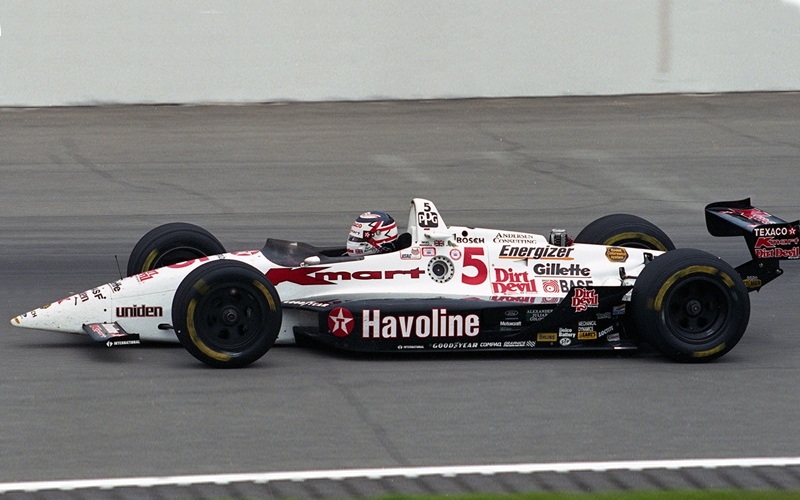
The 1996 IRL season saw the implementation of the 25/8 Rule for the Indianapolis 500. This rule did away with the full 33 car grid resulting from qualifying results and instead guaranteed spots in for the top 25 points leaders of the IRL. This rule left just eight spots left for the remaining IRL and CART drivers to qualify for. CART claimed they’d been prevented from competing at the Indy 500 and removed it from their schedule while IRL said they were simply boycotting the event.
In retaliation, CART’s IndyCar held their own major race called the U.S. 500 at Michigan International Speedway on the exact same day as the Indy 500. In return, Indianapolis Motor Speedway tried to terminate CART’s license to use the “IndyCar” trademark in court. To overcome this legal dispute, CART agreed to hand over the rights to the IndyCar name as long as the IRL would not use it until the end of the 2002 season. This left CART to transition to the term “Champ Cars” for their promotions.
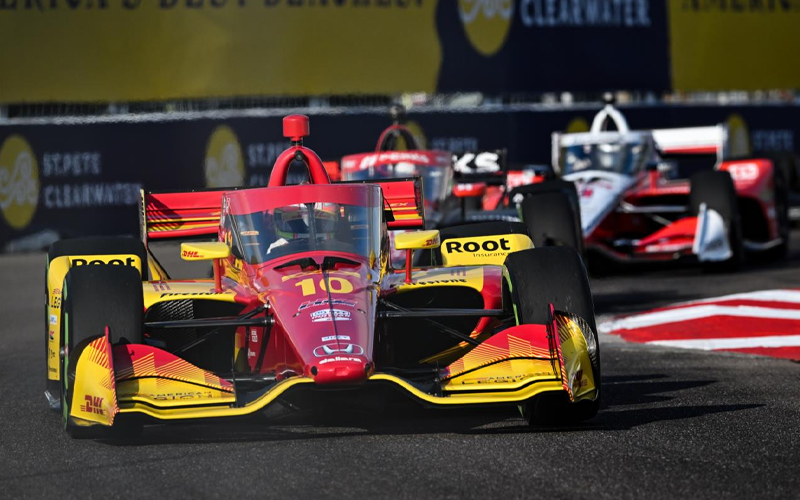
CART went on to fluctuate in popularity before ultimately declining and being forced into bankruptcy in 2002. The Champ Car World Series took over and rebranded CART’s series before ultimately folding itself and being brought under the IRL umbrella in 2008. Now all the separated Indy car series technically live under one entity, IndyCar.
Indy Car’s Greatest Drivers of All-Time
Now that we have some idea of the mess behind the scenes, we can focus on the great drivers that made this motorsport fun to watch. Here are some of the greatest Indy car drivers of all-time, including one who is still racing today.
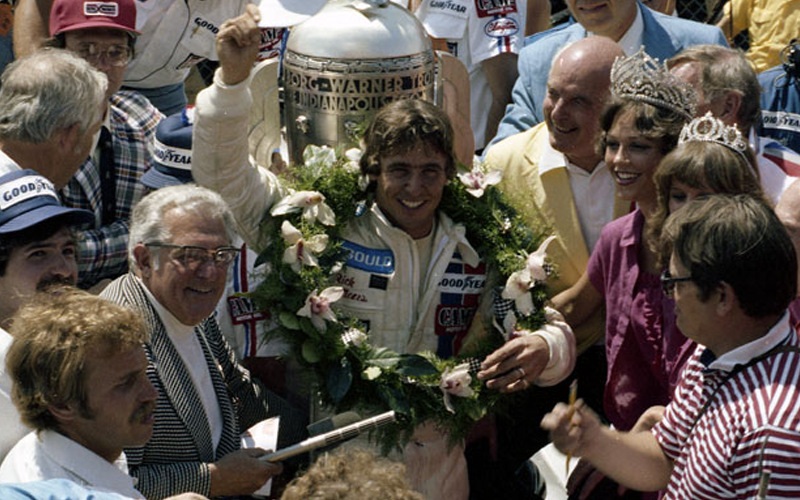
Rick Mears
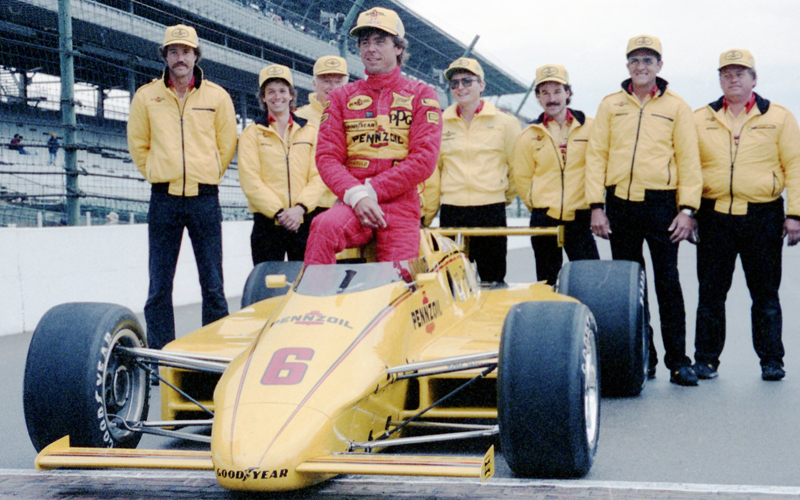
Rick Mears started out racing Indy cars in 1976 when the Championship was still under USAC. He didn’t see major success though until he joined up with Penske in 1979 to race in CART. Not only did he win the Indy 500 that season, but he won the first ever CART sanctioned championship. Mears’ career featured 29 wins, three National Championships, and he not only won the Indy 500 four times but holds the record for the most pole positions at the event with six. You may recognize his most famous car, a bright yellow Pennzoil chassis that featured a turbocharged Cosworth V8.
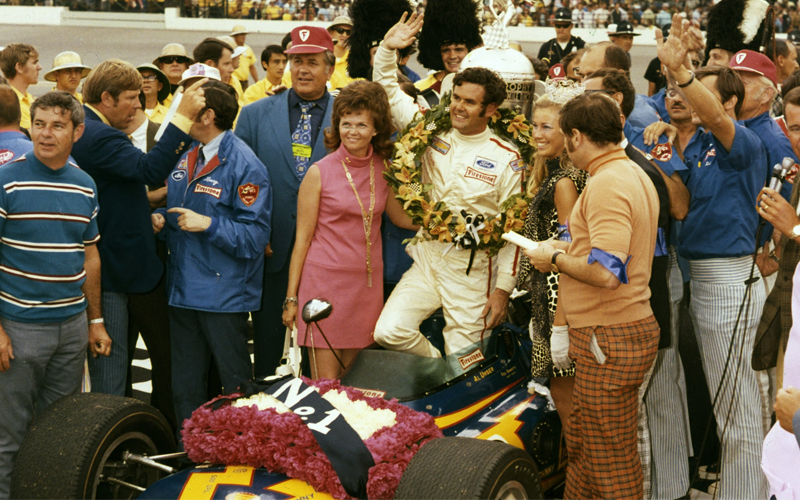
Al Unser Sr.
Al Unser Sr. was the most successful of Indy car’s Unser family. Over the course of his 30 year career, Unser Sr. won 39 races, took home three National Championships, and won the Indy 500 four times. Unser Sr. has been associated with a ton of cars each with their own iconic liveries, but his most memorable has to be the blue and yellow “lightning bolt” Colt chassis Indy car featuring a Ford V8. This car not only has a memorable look, but he used it to both qualify for the pole and his first Indy 500 in 1970.
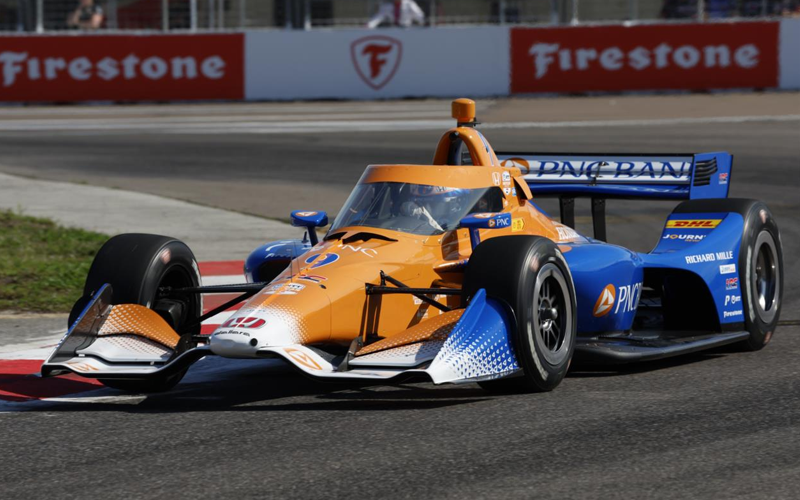
Scott Dixon
Scott Dixon is a New Zealander that’s been racing since 14 and is still currently racing in IndyCar today. He’s one of the best the sport has seen and has the potential to be known as THE best in IndyCar history if he keeps it up. His illustrious IndyCar career already features 46 wins, a 2008 Indy 500 win, and five IndyCar National Championships. You can catch him racing under Chip Ganassi in the #9 PNC Bank Honda car this season.
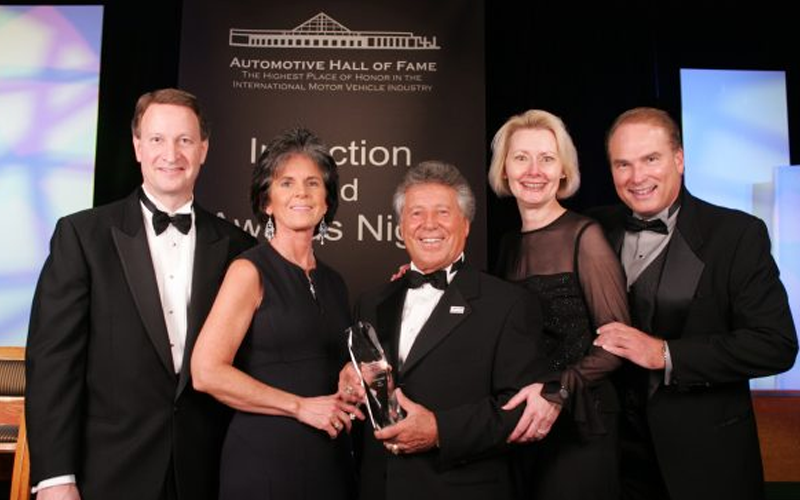
Mario Andretti
Mario Andretti isn’t just one of the biggest names in Indy car but the motorsports world as a whole. His Indy car career consists of 52 race wins, four National Championships, and one Indy 500 win. He is one of only two drivers ever to win both the Indy 500 and NASCAR’s Daytona 500. Andretti also raced in the 24 Hours of Le Mans where he’s podiumed twice for the overall event and won his class all behind the wheel of the Porsche based Courage C34. He’s even won the Formula One World Championship in 1978. Today, Andretti enjoys making appearances around the country and watching his legacy continue through his sons and his grandsons in the world of racing.
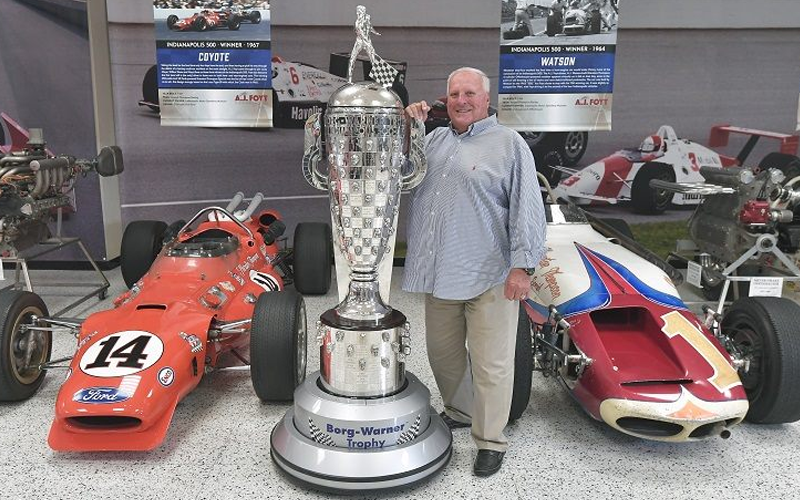
A.J. Foyt
The only possible driver that could be considered higher on the list of Indy car driver than Andretti is A.J. Foyt. Foyt’s career is one of the most successful the sport has ever seen. He’s won a record 67 races, holds a record seven National Championships, and is tied with Unser Sr. and Mears with four Indy 500 wins. He also joins Andretti as the only ever drivers to have won both the Indy 500 and Daytona 500. Foyt only ever raced at the 24 Hours of Le Mans once in 1967, but he came away with the overall first place finish driving a Ford GT40. The motorsports legend has since been enjoying watching his teams of cars race under A. J. Foyt Enterprises.