Latest News
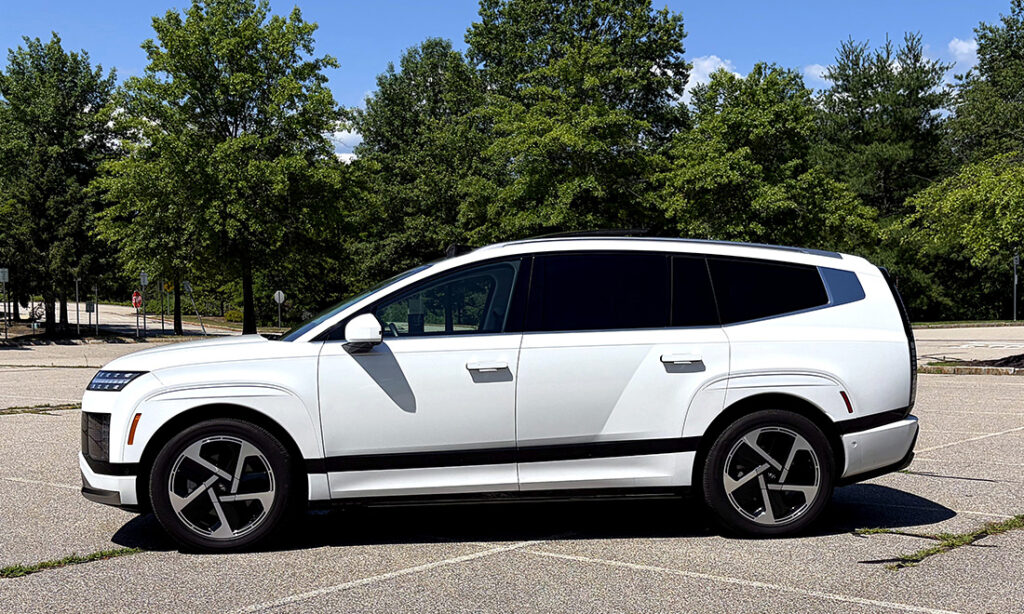
Hands on With Hyundai’s Flagship Electric SUV
Low inventories have brought prices to record levels, but there are signs that the used car market may finally be coming back down to earth.
A Return to Sanity?
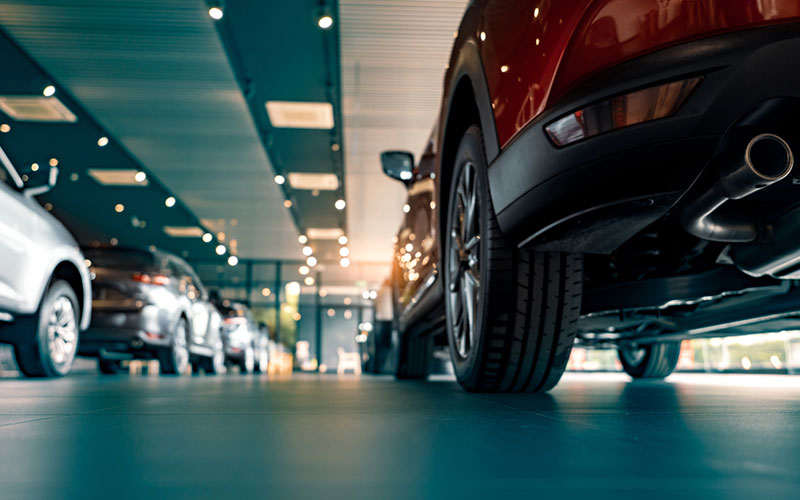
It’s been a challenging few years in the automotive industry, which has become a poster child for inflation as double digit year-over-year jumps in prices have become the rule rather than the exception. Pandemic related supply chain issues have dogged production and the resulting pinch on supply has driven up prices for both new and used cars. But there are signs that things, at least in the used market, may finally be cooling off, though “normalcy” may still be months or years away.
Trendlines and New Car Prices
The proximate cause of high car prices has been an ongoing microchip shortage dating back to early 2021. Reduced production has equaled exceptionally low inventory levels, concomitant economic stimulus has buoyed demand leading to record high prices. Current inventory levels are around 1 to 1.1 million new cars for sale versus over four times that pre-pandemic. From 2020 to 2021, the industry saw a 44% jump in retail prices. From 2021 to 2022, that number was down but still eye-wateringly high at 28%.
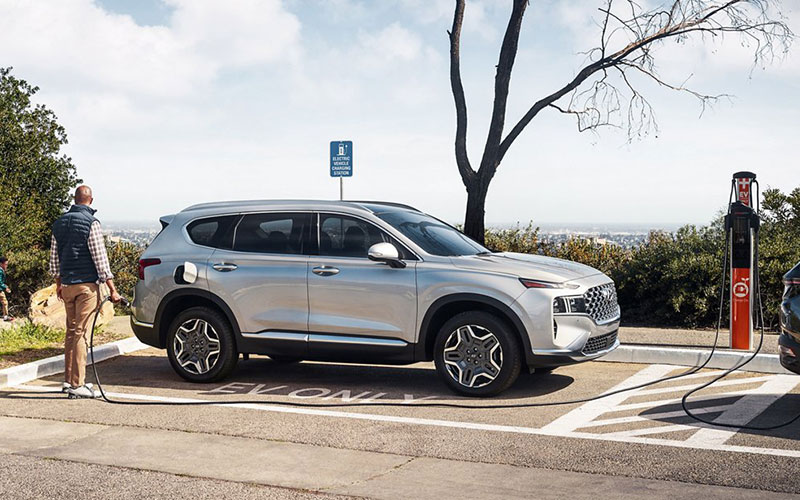
New car prices hit another record high this past month, with June’s average reaching $48,083. Non-luxury cars topped $43,942 and averaged $1,017 above MSRP. In response to soaring gas prices, consumers flocked to gas alternatives raising prices there too. New BEVs (battery electric vehicles) averaged over $67,000 while hybrids spiked to $39,000, up $8,000 year-over-year. At least some for the latter two has been the result of excessive dealer markups on electrified vehicles surging in popularity.
The Used Market Appears to be Stabilizing
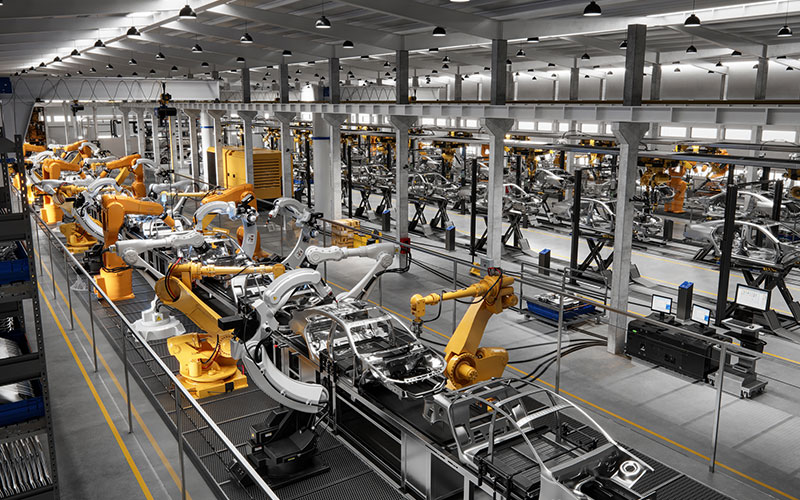
While new car prices remain at record highs, there are signs that the used car market may have reached its peak and could be finding a new equilibrium. Wholesale prices for used cars have been trending downward, if ever so slightly.
Prices were down again this week by .35% across all categories/segments. A drop in wholesale prices typically has a six-to-eight-week delay before impacting retail prices. The national average sale price for used cars in June was at $28,012. That’s up 12% year-over-year but down from May, and the longer trend looking back over the first six months of the year shows a clear plateauing of prices. Supply in the used market was up 5% year-over-year in June, with a total of 2.46 million units on sale. The lowest supply was in sub-$10,000 vehicles.

On the macro level, recent interest rate hikes from the Federal Reserve, including a most recent hike of .75%, are intended to cool off a burning hot, inflationary economy. One key indicator for economists is the level of car repossessions, which have seen an uptick in recent months. This has even been seen in prime borrowers, up from 4% to 8%. High prices have induced car buyers and lenders into longer terms and higher payments which may be proving unsustainable, especially as inflation really begins to take its toll on people’s finances.
Turning the Corner

Up until now, consumers have been willing to fork over the extra money to get into a new or used car. But the questions today are: as prices remain sky high, incentives shrink, and interest rates rise, when will demand finally take a dip? Where exactly is the ceiling? Judging from the plateau in used car prices, we could be riding the peak right now, with cooling demand and lower prices arriving sooner than later.