
Latest News
2027 Chevrolet Equinox ReviewCar Myths People Still Believe
From premium fuel to warming up your engine, these common car myths refuse to die. Learn what’s true and what’s wasting your money.Separating Car Facts from Car Fiction
Cars are more advanced than ever, and though EVs currently own the limelight on technology, gas-powered cars remain impressive. The phrase, “Not your father’s Oldsmobile” is accurate in many ways, but especially when it comes to old-timey car myths that still get tossed around. From oil-change intervals to coasting in neutral, times have changed when it comes to “rules” you should follow with your car. These are some of the more common car myths folks may still believe, but that you probably shouldn’t.
Premium Gas Makes a Car Run Better

The octane rating you see at the gas station indicates the level of knock resistance. In cars with high-performance engines, 91- or 93-octane fuel might be required to deliver the automaker’s stated performance. But for the majority of mainstream cars out there, ponying up for premium is a waste of money, though it is important to keep your gas tank full.
Considering AAA says premium is $0.86 more per gallon than regular at the moment, it can be a big waste. Unless your car’s owner’s manual states that a high grade is required, stick to regular gas.
You Need an Oil Change Every 3,000 Miles
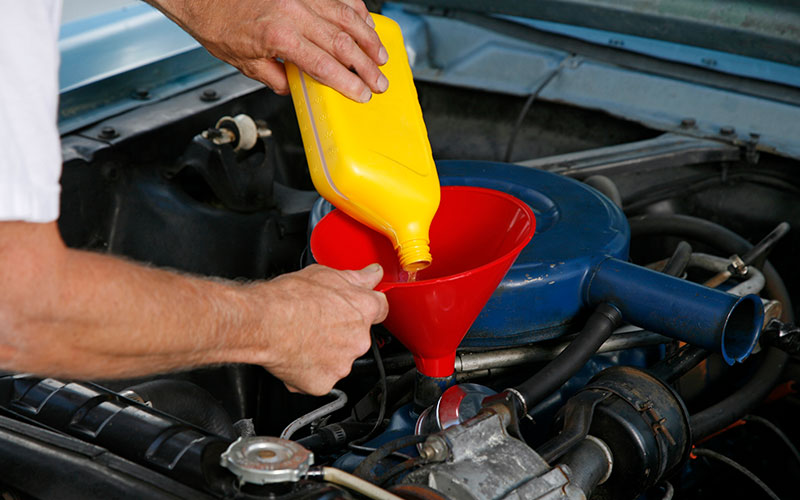
An unheralded, and often unseen, hero of modern automotive engineering is motor oil. Once upon a time, motor oil would only last about 3,000 miles before losing its lubricating properties and require a change. No longer.
With today’s synthetic oils, 5,000, 7,500, and even 10,000-mile oil change intervals are possible. Improved oil filtration and engine design help here too. Much like deciding what kind of gas to put in your vehicle, when it comes to oil changes, follow the guidance provided by the manufacturer. Your wallet will thank you.
Opening the Windows is More Fuel-Efficient Than AC
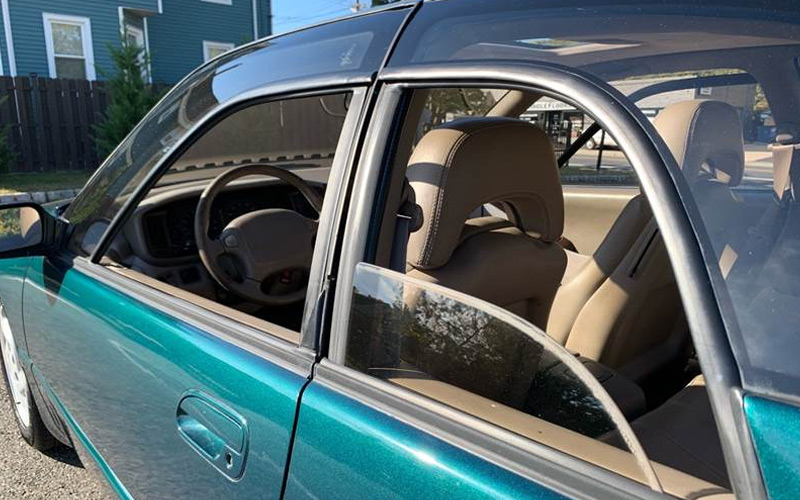
My 1989 Jeep Cherokee leaked air (and water) through its quarter-vent windows, and the air-conditioning was either on, or off. In that scenario, rolling the windows down was probably negligible from an efficiency perspective. But even then, having the windows down at higher speeds increased aerodynamic drag and forced the engine to work harder to maintain speed.
Modern cars typically offer far better sealing than an old Jeep and the HVAC systems are more efficient, thanks to technology like variable-speed compressors, smart controls, and improved coils. Rolling the windows down may feel good, but you’ll save gas by keeping the AC on and the windows up.
Warming Up Your Car is Necessary
Nice as it may be to warm up your car on a cold winter day before getting in, it’s unnecessary for the engine. Modern cars have long since moved past carburetors, with advanced fuel injection systems capable of managing cold starts and not requiring a long idle. Turns out, this old car myth not only wastes fuel, it can also increase wear and tear on the engine.
Manual Transmissions Get Better Mileage
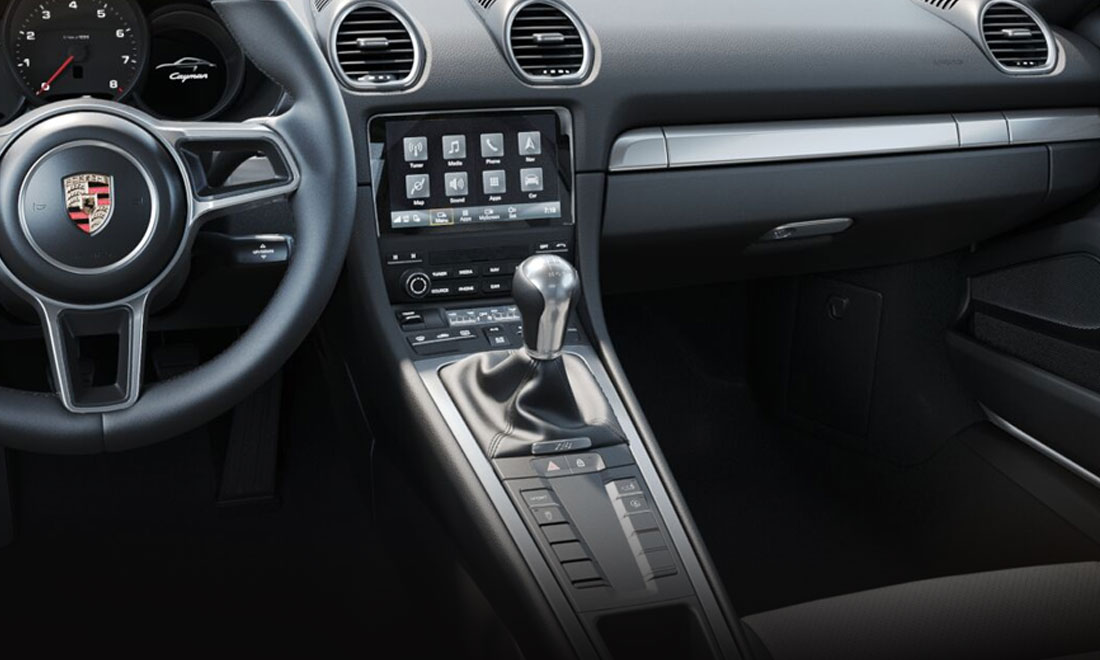
There was a time when versions of a given car fitted with a manual transmission outperformed the automatic variant in fuel economy. No more. Way back when, 2-speed automatics were a thing. In the 80s and 90s, 4- and 5-speed slushboxes were common. Today, cars might sport 10-speed automatics that shift faster and smoother than ever before, helping improve fuel efficiency. Factor in dual-clutch systems, CVTs, and advanced torque converters, and the equation becomes even more favorable to modern automatic transmissions when it comes to getting better gas mileage.
All-Wheel Drive Makes a Car Safer
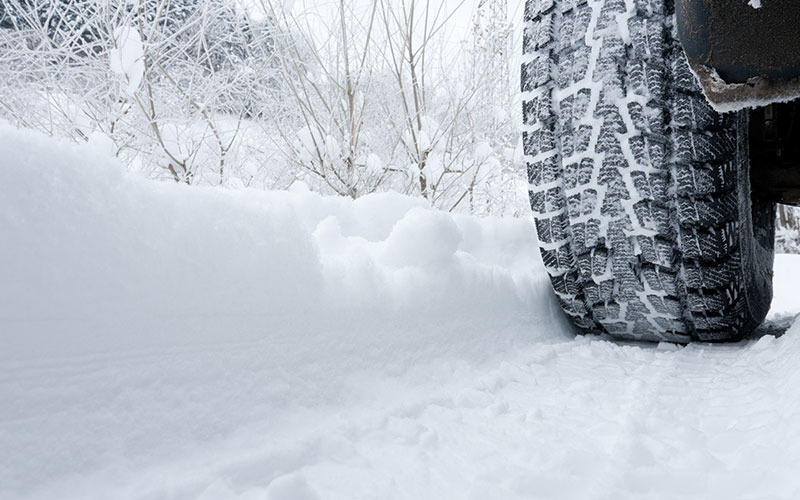
Don’t assume that buying an AWD car means you’ll be unstoppable in winter driving conditions. It is the tires on your car that hold the most sway in starting, stopping, and cornering. The AWD system will work to distribute torque effectively, but that won’t help much on snow and ice. For those situations, you’ll be wanting a good set of winter tires to go along with your AWD car.
Shift Into Neutral Saves Fuel
This car myth should be of particular interest for those driving manual transmissions, as it’s so easy to slip the transmission into neutral on a downhill coast. Though you can also, of course, shift into neutral with an automatic, the idea that you’ll save fuel with this maneuver is no longer applicable. For modern fuel-injected cars, going into neutral means using fuel to maintain the idle speed. But while in gear and coasting downhill, the engine is not using fuel, so it’s a more efficient approach.
Related Articles