
Latest News
2027 Chevrolet Equinox ReviewTesla Recall: Safety Defect or Wear and Tear?

A Tesla recall has been issued, by the company, regarding a malfunctioning central touchscreen on nearly 135,000 Model S and Model X vehicles.
Safety Concerns with Tesla
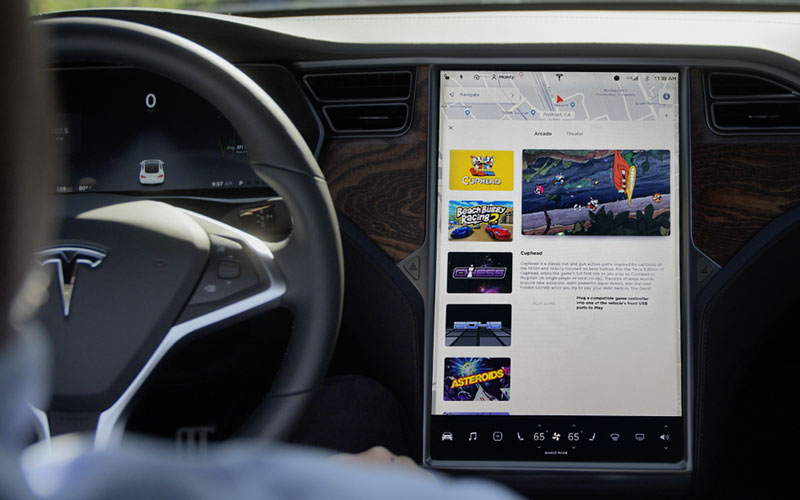
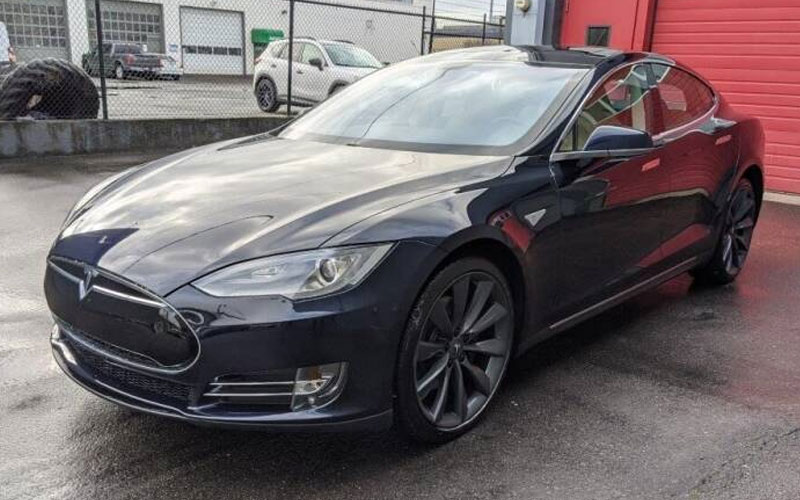
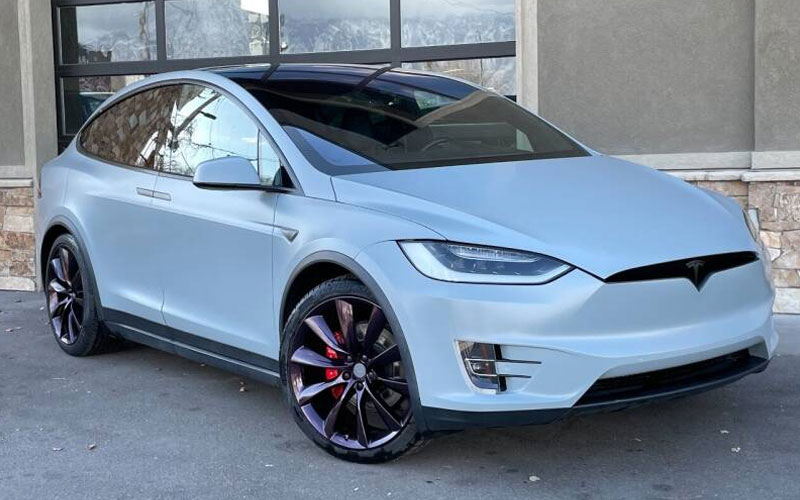
Tesla has issued a recall on approximately 135,000 Model S and Model X vehicles, related to a failing central touchscreen. The recall impacts 2012 to 2018 Model S sedans and 2016 to 2018 Model X SUVs. The embedded MultiMediaCard (eMMC) in the affected vehicles is malfunctioning, causing the rearview camera display, defrost controls, and exterior turn signal lighting to stop working. The National Highway Traffic Safety Administration (NHTSA) defines this as a safety defect, but Tesla disagrees, citing age and wear of components as the culprit.
Is It Wear and Tear or a Defect?
In a letter to NHTSA from Tesla’s vice president of legal Al Prescott, he notes that the Safety Act “does not require manufacturers to design vehicles and components that never fail.” This is getting to the core of the argument about a safety recall – NHTSA’s position – versus vehicle parts that wear out over time – Tesla’s position. Mr. Prescott’s letter explains that the expected life of the eMMC flash memory device is 5-6 years and so NHTSA has, by issuing a safety recall, in effect asserted the useful component life is double its expected lifespan.
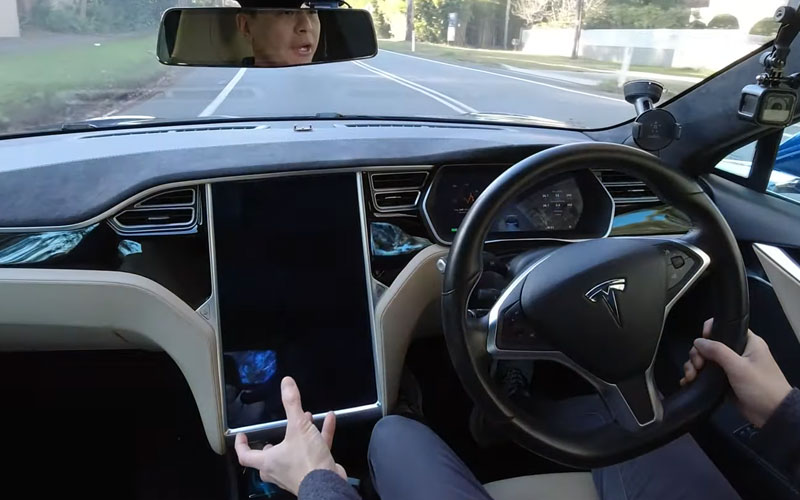
Another point of contention on this Tesla recall comes from a disagreement on both sides, that the malfunctioning touchscreen and loss of certain controls constitutes a safety issue. In their letter, Tesla suggests that since the vehicles can be operated safely with these systems malfunctioning and there have been no related accidents or injuries, this is a maintenance issue.
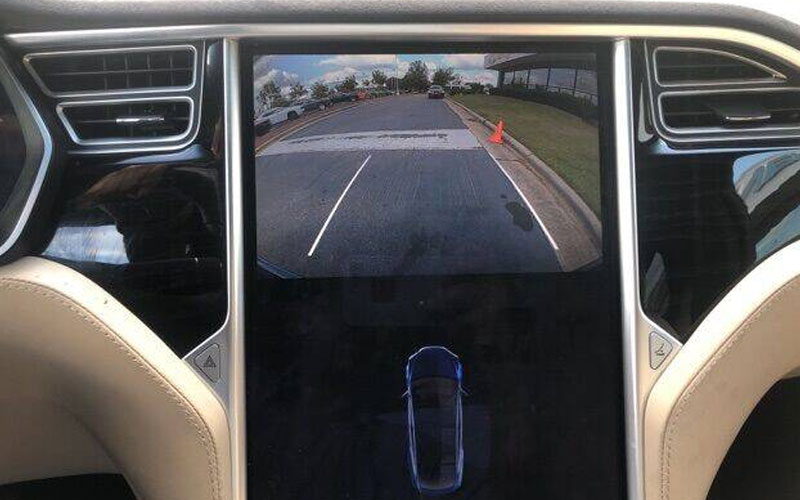
According to NHTSA, the combination of failed systems caused by the malfunctioning eMMC can reduce visibility and increase the risk of an accident. In response to Tesla’s letter on the issue being unrelated to safety, NHTSA’s Chief of the Recall Management Division Alex Ansley says, “In our view, this statement has no force or effect in terms of Tesla’s obligation to undertake and complete the recall, and NHTSA does not agree with it.”
What This Means for Tesla Owners

Ultimately, Tesla will handle the recall per NHTSA’s request “in the interests of efficiently resolving this matter and providing a better experience for the customer.” While NHTSA initially requested that the Tesla recall cover 158,716 vehicles when the issue arose last month, some owners have already replaced the eMMC unit resulting in the final tally of 134,951 affected vehicles. Tesla has said that they will reimburse their customers’ in this situation.
Tesla reached out to owners on February 2, 2021 to explain they will be replacing the malfunction-prone 8GB eMMC, due to wear and tear, with an upgraded 64GB eMMC free of charge. In it, they note that a blank center screen can occur due to the eMMC issue, but that there is no risk to drivability or effect on acceleration, braking, and steering. They also detail solutions to the recall problems based on the customers operating software release.
For those running release 2020.48.12 or newer, if the eMMC malfunctions, the rearview camera and exterior turn signals will continue working. As well, the defrost system will automatically default to a preset temperature to ensure windshield visibility. Those with operating software older than 2020.48.12 may lose functionality of these systems, so are asked verify their software via Tesla’s support page and complete an over-the-air update to possibly remedy the issues.
The Tesla recall will begin on March 30, 2021, but the company will be phasing the work, based on the age of each customers’ system, due to global chip shortages. To facilitate this, they have asked owners not to schedule service for this work unless they receive a vehicle alert about memory storage degradation or a regular blank touchscreen that cannot be rebooted. To keep track of the recall, NHTSA has stipulated that Tesla submit six consecutive quarterly status reports detailing their progress on the touchscreen fixes.