Latest News
December 2025 New Car Incentives
From home charging to infrastructure, here’s what you need to know about switching from gas to electric cars.
Making the Switch
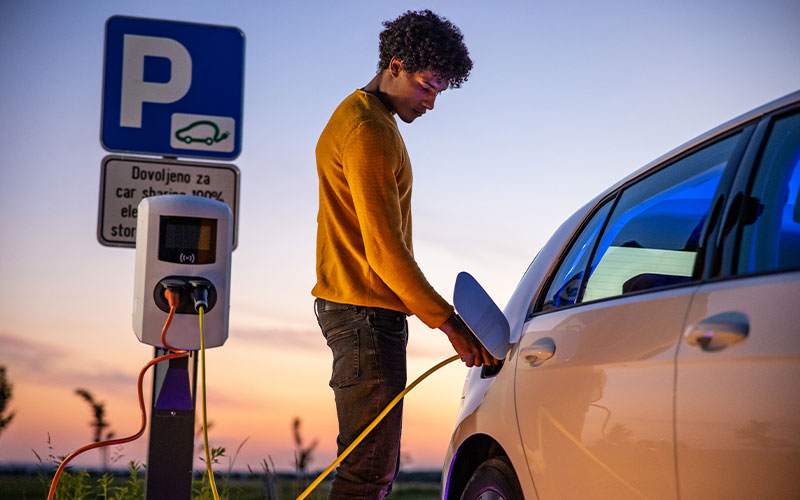
Electric vehicle (EV) sales have risen dramatically in recent years, up 60% in just the first quarter of 2022. Undoubtedly, this is in part due to record high gas prices as car buyers seek more affordable alternatives. Other significant factors at play in the uptick of EV adoption are the wider selection of EVs that has hit the market in recent years and the increasing quality of those vehicles, especially in terms of performance.
And yet, there are still major obstacles in the transition to EVs. Car buyers still cite the challenges of charging, a lack of charging infrastructure, and range anxiety as factors keeping them from making the switch. While it will take years and continued government and private investment to complete this monumental transition, getting the most out of the current crop of EVs is getting easier every day.
Below we’ll discuss some of the most (and least) efficient EVs, what you need to know about home charging, examine how the electrical grid will need to adapt to increased demand, attempt to allay your range anxieties, and current alternatives to going full EV that can still reduce your gas bill and emissions.
Efficient and Less-Than Inefficient EVs
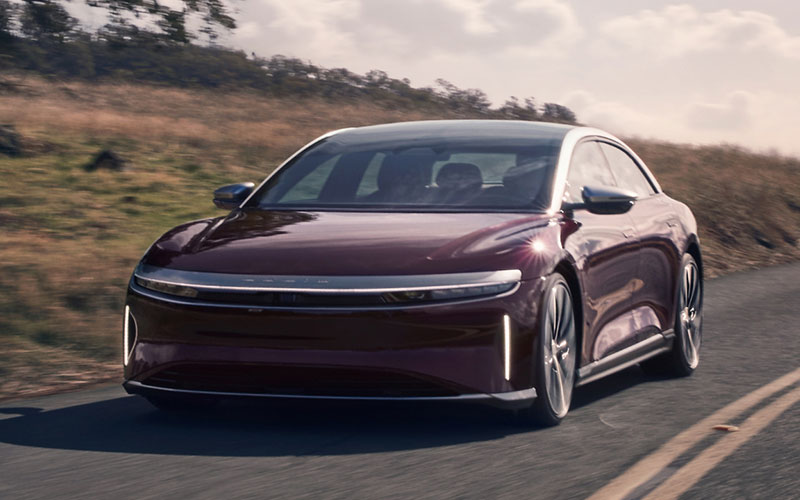
Like their internal combustion counterparts, not all EVs are equally efficient. In fact, while some EVs are miserly in their energy consumption, others are decidedly profligate.
On the more efficient end we have the Tesla Model 3 RWD (Rear Wheel Drive) which uses 25 kWh per 100 miles or 132 MPGe and has a range of 272 miles on a single charge. The dual motor version is also impressive at 26 kWh per 100 miles and has a range of 358 miles. The Model 3 starts at around $46,000. For high-end luxury, there’s the Lucid Air Grand Touring with 26 kWh per 100 miles or 131 MPGe and an industry best range of 512 miles. The Lucid Air Grand Touring starts at an exorbitant $190,000. On the opposite end of the price spectrum is the Chevrolet Bolt, which starts at just $32,495 and offers 28 kWh per 100 miles or 120 MPGe.
Some EVs aren’t nearly as efficient. The least efficient is the new GMC Hummer EV. It weighs in at over 9,000 lbs. and, as a result, uses 64.5 kWh per 100 miles or 47 MPGe. At least the new Hummer EV is still keeping things on brand. The new half-ton EV equivalents are better, by degrees. The new Ford Lightning EV pickup uses 51 kWh per 100 miles or 66 MPGe. The Rivian R1T comes in at 48 kWh per 100 miles or 70 MPGe. The performance coupe EV from Porsche, the Taycan, uses 49 kWh per 100 miles or 79 MPGe.
Home Charging
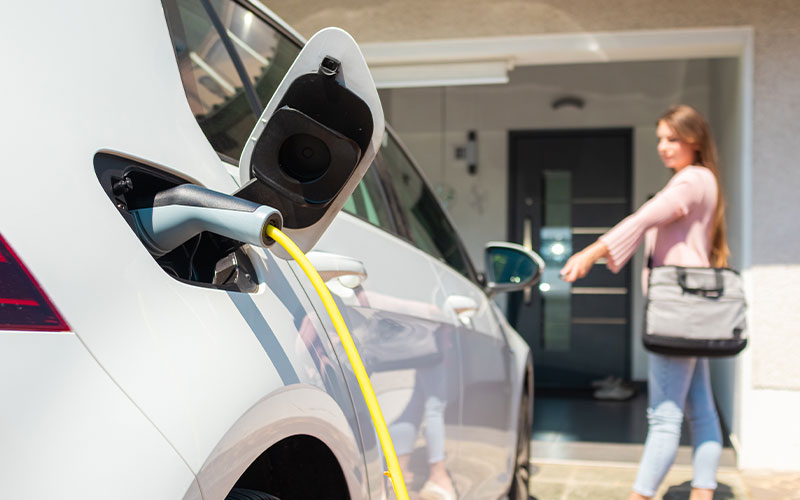
For most BEV (battery electric vehicle) buyers, home charging will be necessary. To help explain what an EV buyer will need, it’s necessary to cover what the various levels of EV charging are. Level 1 charging is 120-volts. Think your regular household outlet. Charging via Level 1 only adds between three and five miles of range per hour, as in, super duper slow.
Therefore, most EV buyers will want a Level 2 charger installed at their home. A Level 2 charger operates at 208 to 240 volts. While this can include up to 80 amps, most Level 2 home charging can suffice at just 40 amps. This will allow for charging between 12 and 80 miles per hour, perfect for plugin in the car overnight in the garage.
Level 3 charging requires between 400 and 800 volts. This is the realm of DC Fast Charging and Tesla’s Superchargers. Such Fast Charging can add 3 to 20 miles of range per minute. While virtually no home is equipped for Level 3 charging, such chargers are the core of new EV charging infrastructure.
Can the Grid Handle the Shift to EVs?
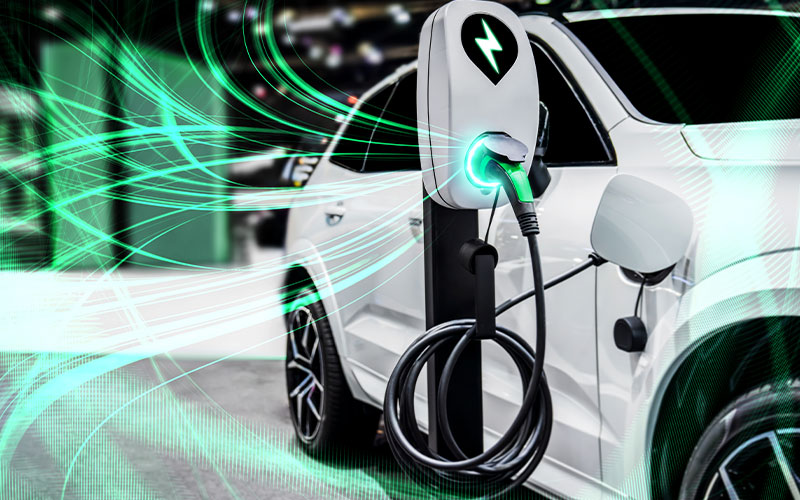
If all the gas cars were suddenly replaced tomorrow with EVs, the answer to the above question would be no, America’s electrical grid couldn’t handle the charging demands of some 284 million cars. But we aren’t transitioning to EVs so abruptly. Adoption is on the rise, with 5% of new cars being electric only across the first two quarters in the US. But with the average age of a car on the road being 12 years old, meaning we are still a long way from widespread EV adoption.
In anticipation of the growing demands for charging, electricity companies the world over are building out capacity at a rate that will, in most cases, far outpace EV adoption rates. Indeed, the boom in air condition was more rapid than our transition to EVs, the electrical grid was able to expand to accommodate the increased demand. Energy producers have the time and incentives to expand supply, even as they continue their own transition away from fossil fuels and toward renewables.
While energy experts agree that our electrical grid can and will adapt to the increased demand from EVs, significant questions remain regarding charging infrastructure.
Road Tripping and Range Anxiety
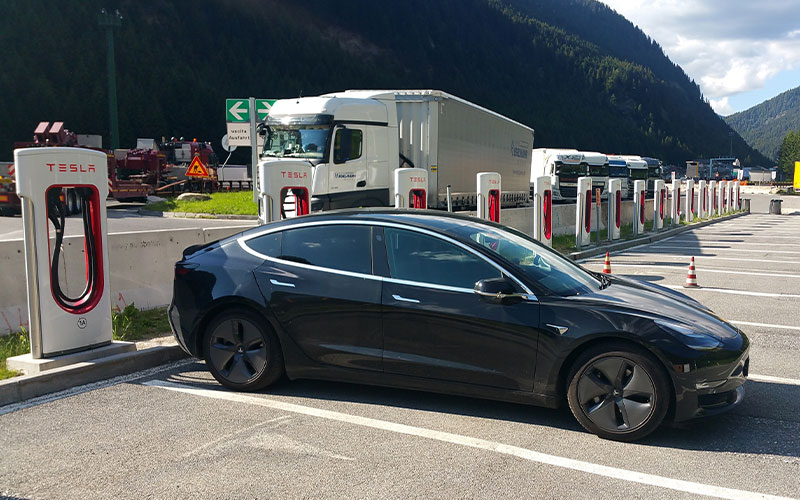
The biggest hurdle for consumers considering an EV is charging away from home and related range anxiety. Currently, charging infrastructure in the US is imperfect at best, at worst maddeningly bad. If you’re a Tesla owner, you’re in luck. The company’s Supercharger network is vast and reliable. If you’re not a Tesla owner, finding a charger, and one that works, can be a challenge. Indeed, many current non-Tesla EV owners report difficulties charging away from home, with broken or otherwise inoperable chargers creating major headaches.
The Biden Administration did provide for $5 billion dollars in funding for charging as part of this year’s infrastructure bill. As those funds get spent by state governments over the next few years, the hope is, the quality and abundance of charging stations will increase substantially.
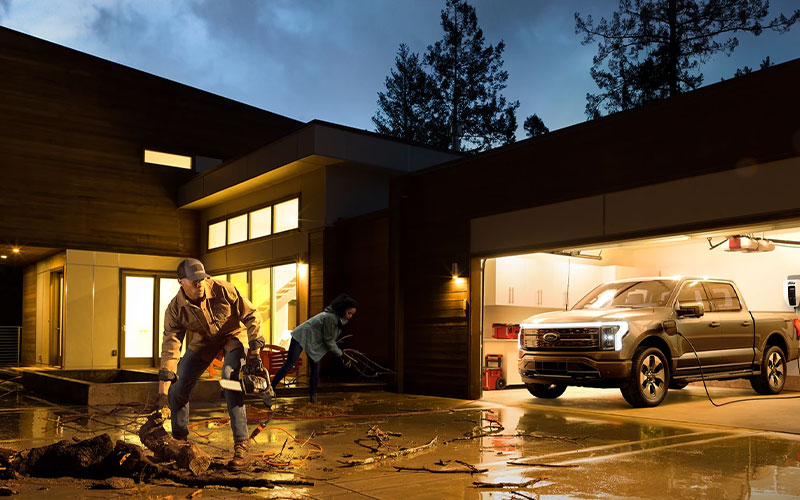
As that infrastructure gets built out, it’s important to remember that the average American drives 39 miles a day. Unless you’re travelling 200+ miles, you’re not often going to need to worry about your EV’s range. If you plan your route with charging in mind, even road tripping with a non-Tesla can be done fairly easily. Yes, DC Fast Charging isn’t as quick as filling up on petrol, but at 15-20 minutes versus five, the additional time is nominal.
The New Ford F-150 Lightning can not only charge your house, serving as an emergency generator, it can also charge another EV. Were such a capability to become commonplace among EVs (a likelihood), the prospect of running out of charge on the roadside wouldn’t be the epic fail it currently is.
Smart Alternatives to Battery Electric Vehicles (BEVs)
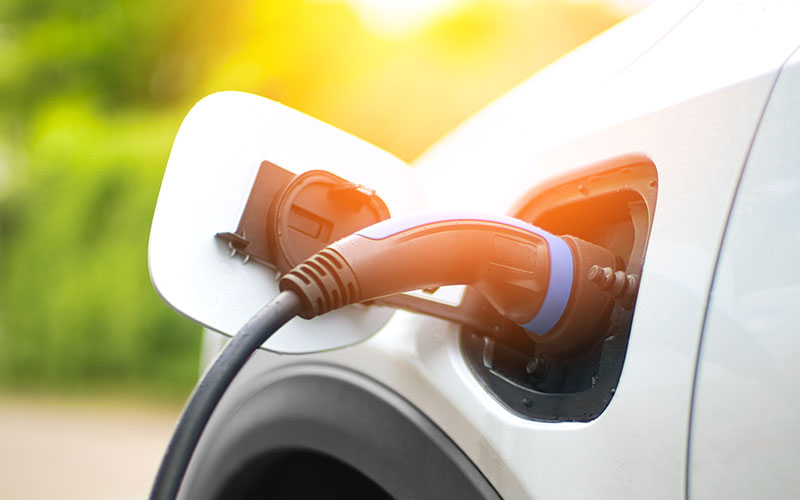
Making the leap to an EV won’t be practical or desirable for everyone. For those looking to tow heavy objects long distances, internal combustion will likely still be a necessity long into the future. (EVs can tow a LOT of weight, but it comes at a great cost to their range.) For those living in more remote and rural areas of the country, the current lack of charging infrastructure makes range anxiety a legitimate concern. And then there are those who live in apartments where access to even Level 1 charging can be difficult or impossible.
For those car buyers, I’d suggest a hybrid or plug-in hybrid vehicle. Many new vehicles have a hybrid variant that functions (almost) identically to its ICE (internal combustion engine) counterpart and gets between 45 and 50 MPG. Plug-in hybrids offer limited but practical electric-only driving, between 20 and 40 miles, before the gas engine takes over. With most daily driving falling within that range, many PHEV (Plug-In Hybrid Vehicle) owners report only filling up on gas every few weeks or even months.
With sales of EVs and hybrids rising sharply, it’s clear many Americans are recognizing the virtues of electrification.