

Latest News
2026 Chevrolet Tahoe ReviewHow to Negotiate a Car’s Price
The most nerve-wracking part of buying a car is trying to get a good deal. We’ll show you how to best negotiate a car’s price.
Getting to Yes
Car buyers often complain about their experience at dealerships. And no, it’s not the stale popcorn or the long waits while the salesperson talks to their manager that they find most irksome. The perceived unpleasantness of the “dealership experience” is wrapped up in people’s anxiousness about getting a good deal.
Trying to negotiate a fair price for a car is, for many, an unfamiliar and intimidating challenge. Car salespeople are professionals. They negotiate car deals on a daily basis; you do not. But the dealership doesn’t hold all the cards. In fact, we’ll show you how to negotiate a great deal on your next car, using a combination of diligence and patience.
Do Your Research

A first step on your car buying journey should be determining your use case, i.e., what kind of vehicle you’re looking for and at what price range. This applies whether you’re shopping for your daily driver, a ride for your teenager or college student, or a second or third vehicle for fun. Begin by making a list of your must-have items. Do you need four-wheel/all-wheel drive? Do you need room for kids, dogs, camping gear? Are six cylinders an absolute minimum? Or do you want to consider an EV?
Once you’ve narrowed down to a handful of vehicles, read up on them. We recommend looking at a minimum of two to three vehicles in segment, this will give you a better idea of what’s available and what the average price is for similarly equipped vehicles. Read reviews, comparisons, and the manufacturer’s website. Seek to become something of a lay expert on the car you want. You’ll want to know the trims and key features.
Now that you’ve narrowed down what kind of vehicle you’re shopping for, it’s time to compare prices. For new cars this will be the MSRP, or manufacturer suggested retail price, plus any dealer markups (these can vary by local market depending on the supply and demand for a specific model). We suggest getting prices from multiple dealerships in your area to find an average. In the case of used cars, much of the same approach applies, comparing listings from multiple dealerships to get an average. It’s important to pay attention to the trim levels of the listings you find as vehicles can often vary by as much as $10,000 between the top and bottom trim levels.
Test Driving

In narrowing down from a segment, say compact crossovers, to a single vehicle like the Toyota RAV4, it’s important to test drive your short list of vehicles. Even if you think you’re sure what make and model you want, driving other vehicles in the segment can be illuminating. It also helps guard against becoming emotionally invested in a specific car.
We suggest separating your test driving from your purchasing process. Remember the purpose is to gain as much knowledge as you can about the vehicles you’re interested in. Ask questions about the vehicles but avoid talking turkey with the salesperson. Politely take their card and let them know you’re “just looking at your options.” (An added benefit here: you’ll be test-driving not only the vehicle, but the dealership experience as well. If they’re pushy or otherwise put you off, they may not be who you want to be negotiating price with.)
Secure Financing Pre-Approval
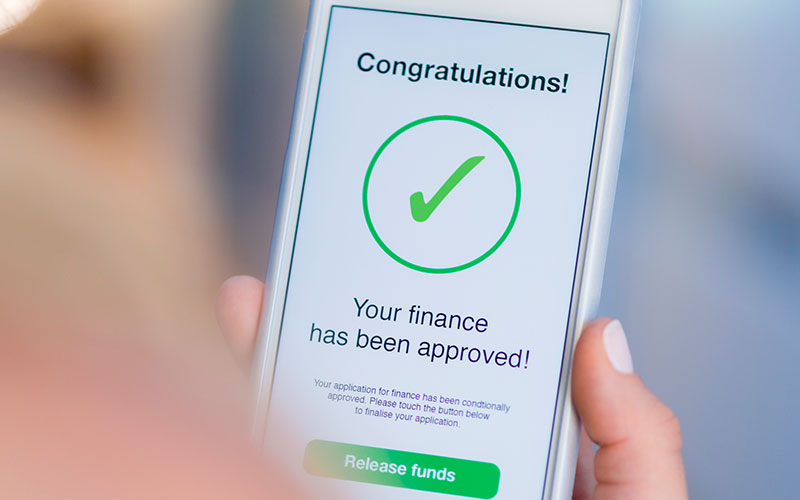
Another important preliminary is securing financing pre-approval from your local bank or credit union. They can pull your credit and let you know what amount of money you have to work with. Knowing your price ceiling will be vitally important in the negotiations to come. Even with pre-approval, do consider a dealer’s financing offers as they may be able to meet or beat the best interest rate of other lenders.
It’s also important to talk to your insurance agent about a potential purchase. Some vehicles, like classic cars or sports cars, can be prohibitively expensive to insure. Make sure you’re factoring in the costs of insuring a potential purchase when budgeting.
Get a Value on your Trade-In

Another thing to do before setting foot on a dealer’s lot is getting a value on your trade-in. Be honest with yourself about the condition of your trade-in vehicle, most will fall within the good to fair range. Seek out offers on your trade-in vehicle from multiple dealers, knowing you’ll be getting a few thousand dollars less than the market price. If you have the time and wherewithal, you can consider a private sale to get closer to that market value, but then you’ll be opening yourself up to a whole other round of negotiating.
It’s important to get a value on your trade-in prior to negotiating the price of the purchase vehicle. The fewer variables in negotiating your price, the better. Salespeople will often use financing offers, trade-in values, and other factors to complicate the negotiations to their advantage.
Ask for an “Out-the-Door” Price

The next step is to start calling around to dealerships in your area to get quotes. It’s important to get multiple quotes to work with. Not only will this help you know exactly what the vehicle’s retail market value is in your area, but it will also give you important leverage when trying to get to an acceptable price range.
Ask dealers for an emailed list that includes the “out-the-door” price as well as all taxes and fees; if a dealer refuses to send anything in writing and instead asks you to come in, you can strike that dealer off your list. Serious and scrupulous dealers won’t have a problem putting an offer in writing.

It’s important at this juncture to ignore monthly payments and concentrate on the final price of the vehicle. One of the first questions a salesperson is likely to ask is what kind of monthly payment you’re looking for. Politely decline to answer this question.
Longer term loans that stretch to 60, 72, or even 84 months are becoming increasingly common. These long-term loans spread out the total price over time and therefore decrease the size of each monthly payment. The danger here is two-fold: first, long-term loans allow the dealer to charge more for a given vehicle; second, they mean you’re paying interest on the loan for longer, much longer.
Given the amount of your payment going toward interest rather than the principle, these long-term loans also increase the chances that you end up “underwater” on the vehicle. Meaning the vehicle depreciates at a faster rate than you can pay the loan, eventually leading to you owing more on the vehicle than it’s actually worth.
Making Your Offer

Negotiating a car deal ranks right alongside root canals and DMV visits as some of people’s least favorite ways to spend an afternoon. But now that you’ve armed yourself with information, the process can be much less painful. First, we suggest scheduling your in-person sit-down at the dealership for the afternoon, right after lunch being the best time. This is because you won’t be hungry and therefore less rushed and stressed, and likewise, the salesperson will be more amenable (it’s well documented that judges and parole boards are much more lenient after the lunch hour as opposed to right before, the same is true for the rest of us).
Since you’ve gathered other offers from other dealers and know what you can afford, it’s time to make your offer. Though you’re trying to save as much money as possible, don’t lowball the dealer. Depending on the price of the vehicle, a few thousand below sticker price is a reasonable place to start. With the multiple offers, and the listings you’ve already seen, you should be able to know what’s a low, but fair, price for the vehicle.
The salesperson will likely come back with a counteroffer. This is where the back-and-forth that buyers detest begins. It’s important to remain patient and detached. Don’t allow yourself to be rushed into a decision or become too emotionally invested. Be cool, be polite. You already know there are other similar vehicles out there.

It may take a few rounds of offers and counter offers to come to a reasonable accommodation. During this process avoid being overly talkative. Salespeople are trained to glean information from you to use in their negotiations. Again, be cool, be polite, but don’t give them the ammunition.
You can have a better chance of getting the salesperson to snap up your offer if you time your purchase correctly. Shopping at the end of the month, quarter, and around holidays can often mean significant savings and a less stressful negotiation.
Read the Paperwork, Thoroughly

Make sure to carefully read any and all paperwork surrounding your purchase. Take special note of all the fees the dealer is charging. Some, like documentation fees, can be exorbitant but are generally unavoidable. Other fees and services, however, are largely there to pad the final price and are spurious in nature. Double check when you’re completing your purchase to ensure no charges have been tacked on post-negotiation.
Know When to Walk, When to Say Yes

It’s important to remain friendly but firm. You can acknowledge the salesperson’s and dealership’s need to make a profit while also making it clear you’re looking for a fair deal based on the current market for that vehicle. If the dealer isn’t close to other offers you have, don’t hesitate to walk out the door. There’re plenty of other vehicles out there to consider.
Likewise, if the dealer has engaged in a good-faith back-and-forth on the final out-the-door price and it’s within range of your other offers you’ve seen, take the deal, especially if you like the way they’ve done business.