Latest News
2026 Ford Maverick ReviewTips for Buying a Car Out of State
Buying a car from another state? Learn essential tips to avoid scams, verify titles, arrange inspections, and ensure safe payment and transport for a smooth purchase.
Buying a Car From Another State? Avoid These Mistakes
Buying a car from another state comes in handy when you’re looking to pick up something that can’t be found locally. It’s also a potential approach for getting a better deal, as a car that is in high demand around your part of the country may be less popular elsewhere. But if you’re planning to buy a car out of state, take your used car checklist and read up on our tips for what to know beforehand.
Make Sure the Car Dealership is Legitimate
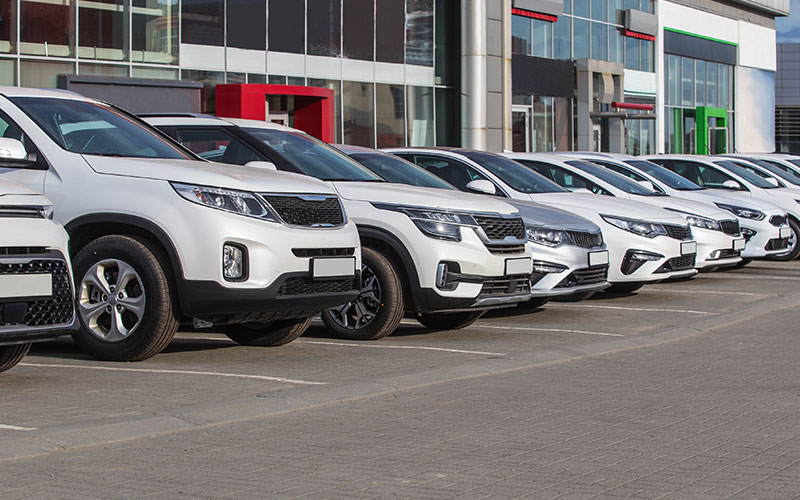
If you decide to buy a car in another state from a dealership, it’s important to verify they are who they say they are, to avoid potential scams. You can start by checking that the dealer is registered with their state, typically via the DMV. If there is no online method, you can call the DMV. It’s also smart to check out Better Business Bureau for any complaint history.
If you are buying from a new car dealership, double check that they are a franchise dealership on the car manufactures website. Also note the dealerships on CarsForSale.com have already gone through a verification process to ensure they are a registered dealer.
Ask for Detailed Photos and Videos
When buying a car in another state, sight unseen, pictures and videos are the only real way to confirm condition of the car. For photos, you want high-resolution images of the entire exterior, including close-up shots of the wheels and tires. Interior images should show details on typical wear points like seat bolsters. You’ll also want to see what the engine bay and undercarriage look like. As for video footage, a cold start is critical as it can reveal mechanical issues with the car.
Make sure to request videos of the infotainment and HVAC system operation, a walk-around highlighting any blemishes or concerns, and driving footage providing evidence of how the car performs under basic acceleration and braking.
Get Your Free Vehicle Report
Reviewing a vehicle report before making a purchase out of state is a good way to uncover any unexpected issues. Typically, these reports include information on the title status, number of owners, and service history. You can also check for any open safety recalls using the VIN number and our free vehicle history reports.
Schedule a Third-Party Inspection
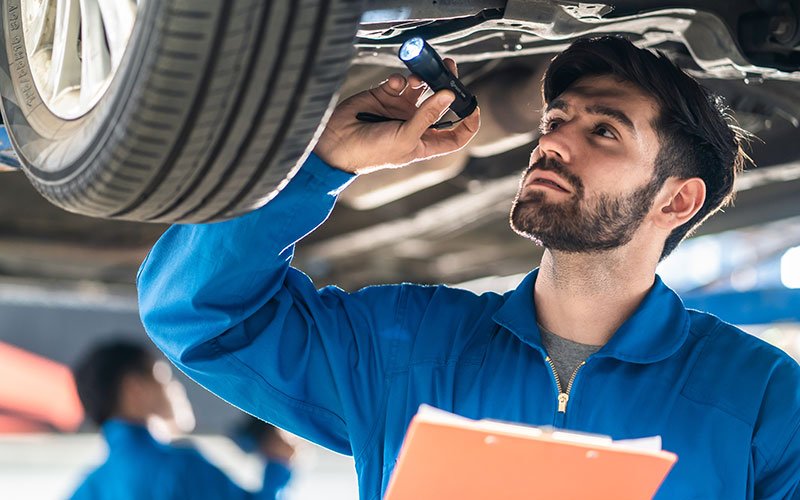
Once you’ve zeroed in an out-of-state car to buy, be sure to have a pre-purchase inspection, completed by an outfit like LemonSquad. You can also search for a reputable third party mechanic to perform the pre-purchase inspection, but make sure to do you homework.
Ultimately, you’re looking for a test drive, photos of the condition, a diagnostic scan, and estimates for any recommended repairs. Should the vehicle need work done, address the cost before the final purchase. You could negotiate a lower price based on the estimate or have the seller pay the shop to have the work done. If you go the latter route, have the car re-inspected before taking delivery.
Check For A Clean Title
The last thing you need when buying a car out of state is to find out, after the fact, that there are issues with the title. Ask the seller for hi-res photos of the title – front and back – to ensure they have it in their possession and that there is no lien on the car. If there was a lien, get a hold of the lien release letter just in case your state’s DMV asks for it when you go to register the car.
Ensure a Safe and Secure Form of Payment
If you’re buying an out-of-state car through a verified dealership and can pick it up in person, legitimate operations should accept a cashier’s check or financing. Wiring payment is also an option, as are sites like Escrow.com for private purchases. Regardless, it’s best to pay a refundable deposit up front, but hold the balance until you’ve verified the pre-purchase inspection results and title information and have a finalized bill of sale.
Bringing Home Your New Car
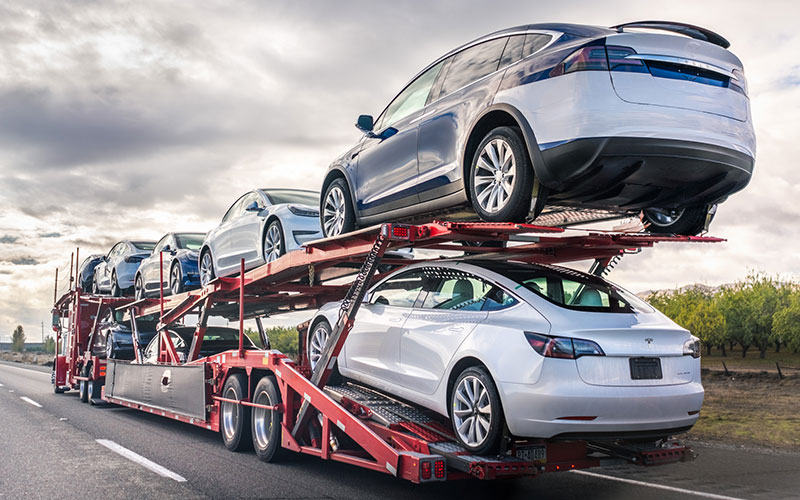
Ideally, you could drive your new car home yourself. In that case, check the rules on temporary registration in your state and the state the vehicle is located in. If you plan on driving it home, also make sure you have added the car to your insurance policy, and you have proof of insurance.
Going the professional trucking route is helpful when the car is too far away or if you need specialized options for high-end vehicles. Be aware that your personal auto policy is unlikely to cover damage during transportation. However, a professional trucking company should have liability and cargo insurance. Just double check the limits and deductibles, and consider buying supplemental coverage for rare or exotic cars.
Related Articles