
Latest News
2026 Ford Maverick Review
Here’s everything you need to know about why your car has a radiator, what it does, and why it’s important to maintain it.
The Raditor is Essential Car Technology

When most of us think about our car and the engine underneath the hood we consider how powerful it is and how it feels to use but beneath those performance characteristics lies a delicate balance of temperature control.
The humble radiator plays a crucial role in the balance. Despite its original form that dates back to the 1850s, a water-cooled car without a properly functioning radiator is likely in for a bad time.
An underperforming, damaged, or broken radiator can cause catastrophic problems with your car including complete engine failure or transmission failure. Today, we’ll break down why the radiator is so important, how it does its job, what some common issues are, and how to maintain it.
The Heart of the Car
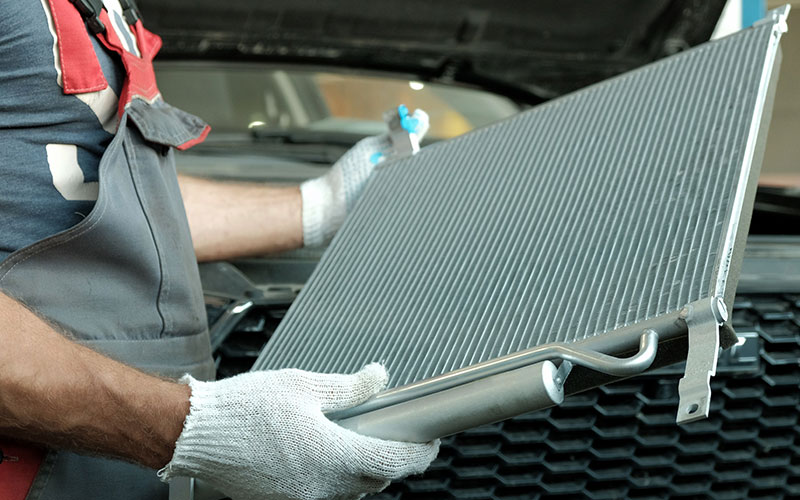
Before we dive into the work that the radiator does, let’s chat briefly about why it’s needed in the first place. Regardless of what type of car you might drive, so long as it has a combustion engine, it has one thing in common, heat. All combustion engines regardless of whether they run on gasoline or diesel create a lot of heat.
That heat is the product of the natural combustion cycle but engines that don’t have a temperature control system overheat and end up damaged. They can warp, blow a head gasket, lose proper lubrication, or even seize up due to excessive heat.
The Radiator’s Mission
Every radiator has the same goal regardless of position, namely, to cool down fluid that flows through it. Here’s how it accomplishes that goal.
Coolant Circulation
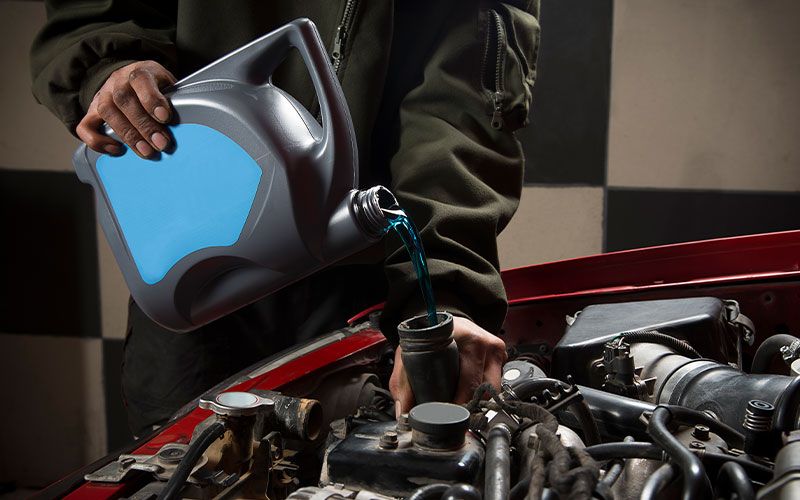
Inside of your car’s engine you’ll find coolant, a liquid designed to absorb heat and never freeze no matter how cold it gets. It flows through numerous channels inside of the engine itself before reaching the radiator.
Head Exchange
As it flows through the motor, the coolant absorbs a great deal of the heat generated by the combustion process. Of course, at that point, it’s still very hot so we need a way to cool it back down. That’s where the radiator comes into play. The coolant flows from the engine into the radiator.
Radiation of Heat
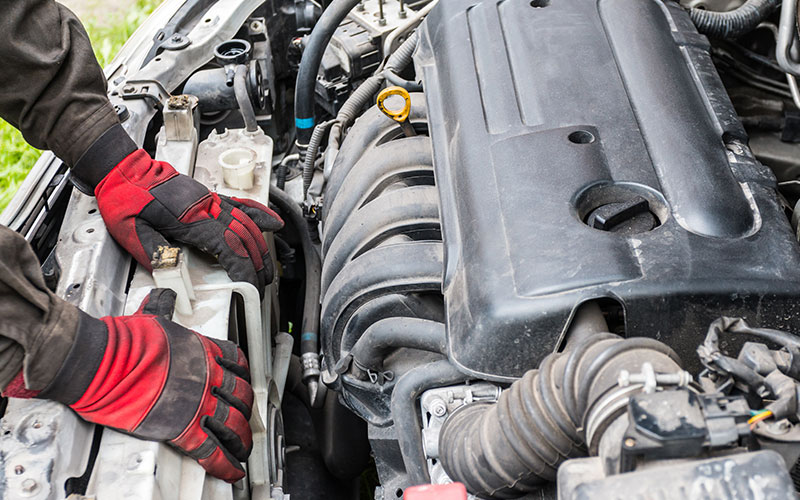
This is the part where the radiator gets its name. As the hot liquid flows through the radiator it’s naturally cooled down due to air that’s flowing over the radiator. That’s why many radiators are positioned at the front of the car where they’ll get the most airflow. It’s also why many cars employ a fan at the front of the car that can create airflow when the car is stationary.
Returning Cooler Coolant
Now that the coolant is cooler itself, it’s returned to the engine where the process can begin again. This continuous flow helps to ensure that the engine stays at its optimal operating temperature.
Why Does Engine Temperature Matter?
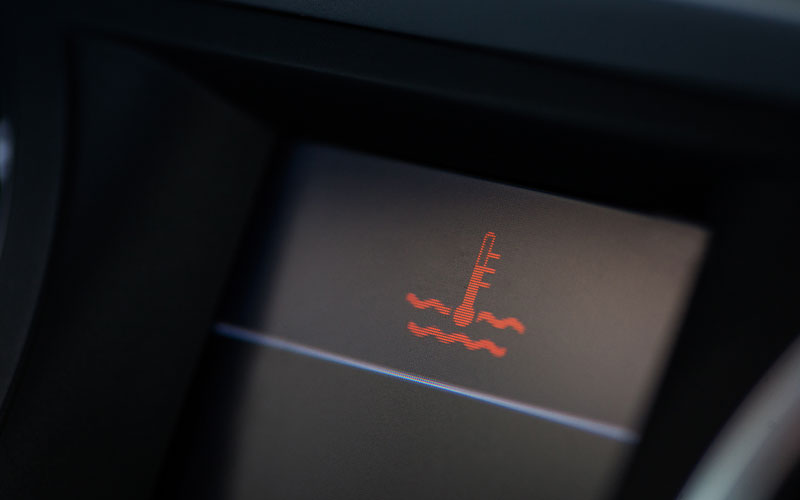
Maintaining the proper engine temperature improves three vital functions of the engine.
Efficiency
Engines have an optimal operating temperature. When they’re too cold they can’t produce as much power as when they’re warmed up. Conversely, when they’re too hot they can break, warp, or seize up.
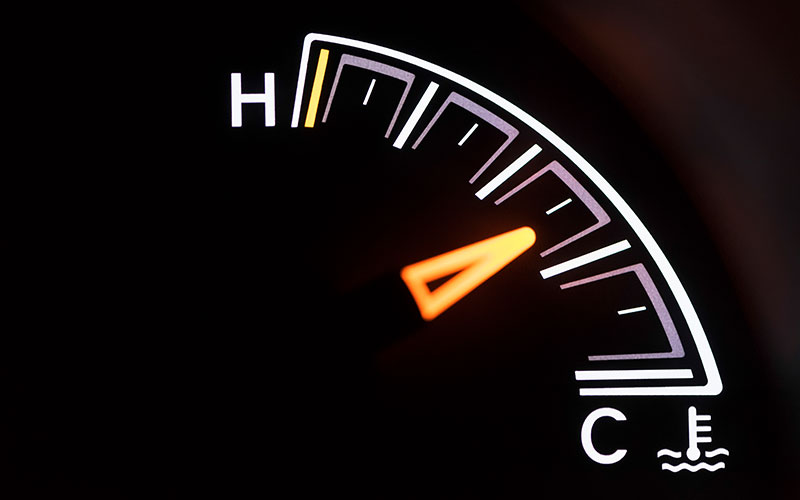
Emissions
Regulating engine temperature enables the most efficient use of fuel. Some automakers actually program their cooling systems to manage the engine temperature based on the conditions. For example, they’ll allow the engine to run at higher temperatures under low load to get better fuel economy and they’ll lower the target temperature when the car is under high load.
Longevity
Maintaining proper engine temperature also increases the chances that one’s engine will last much longer. Reducing the strain and stress caused by uncontrolled temperatures means that engine parts are likely to remain closer to their new condition. That, in turn, increases engine life.
Common Radiator Problems
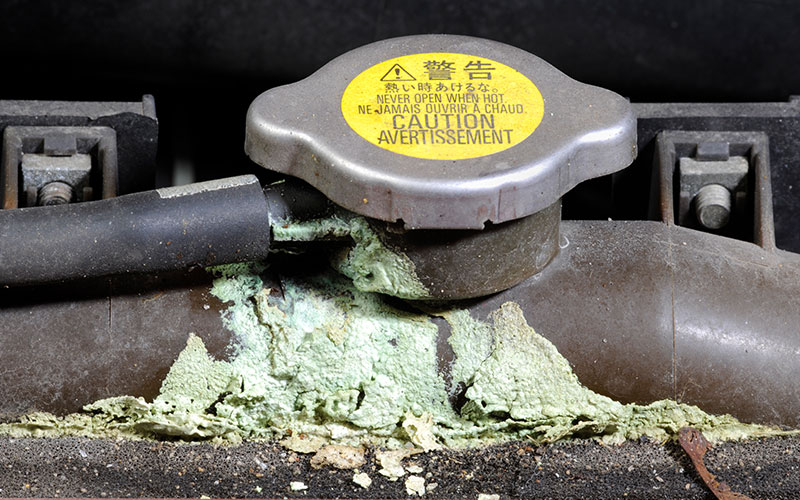
Radiators are rather resilient as they don’t have any moving parts. Despite that, there are still some common issues that can pop up from time to time.
Leaks
Over time, radiators can corrode or experience other factors that create a leak. Should one leak, the coolant that it’s losing can’t help maintain engine temperature and the system can fail.
Clogs
Debris or rust particles can accumulate in the radiator, hindering the flow of coolant and reducing its efficiency.
Fan Issues
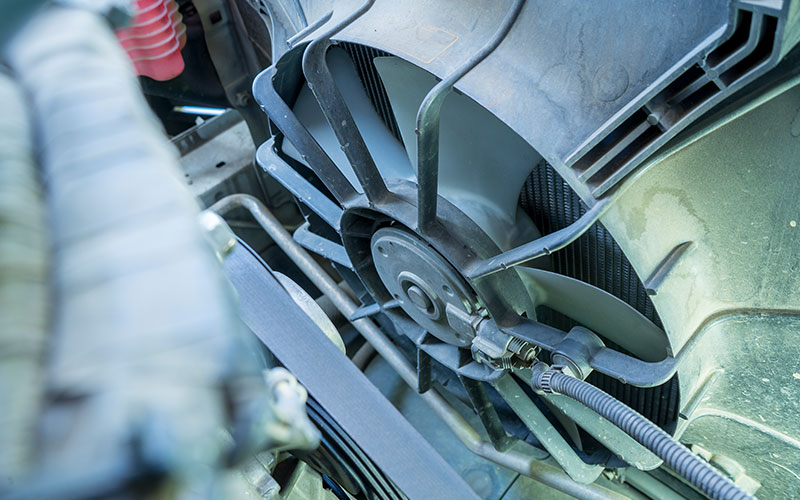
If the radiator’s fan fails, the cooling process may be insufficient, especially during idling or in traffic.
Corrosion
Over time, the radiator can corrode internally, leading to reduced cooling capacity and, as we’ve already discussed, the potential for leaks.
Maintenance Is Key
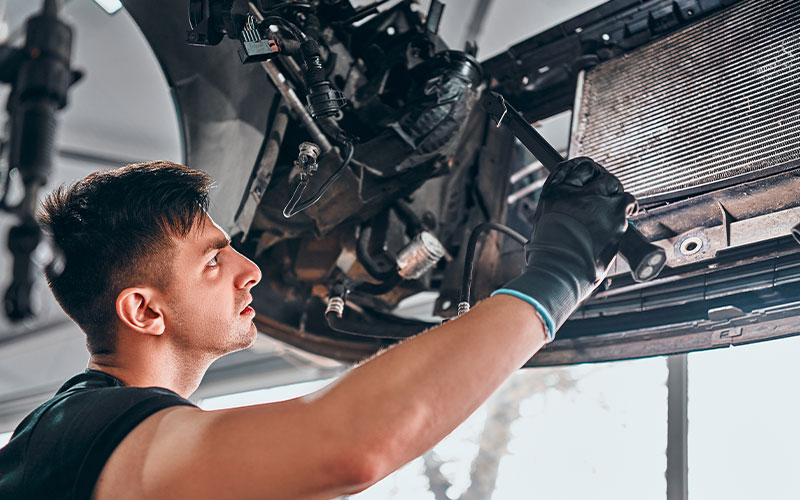
As we’ve discussed in a separate article, regular maintenance is key to keeping your car running at its best. Maintaining one’s radiator is part of that maintenance schedule. That checkup should include regularly checking the hoses that lead from the radiator to the engine, checking the level of coolant in the radiator to ensure that it’s sufficient, and at times, flushing the coolant system to ensure the fluid is up to the task.