Latest News
2026 Ford Maverick Review
Carroll Shelby is famed for his work with Ford, from the GT40 to the Mustang. But Shelby also made a lot of cars that didn’t carry the blue oval.
Shelby Americana
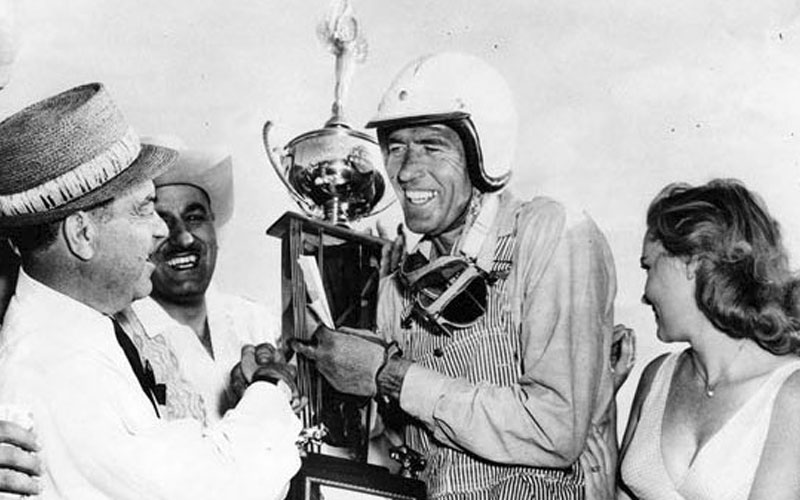
Carroll Shelby, racecar driver, car designer, impresario of all things fast, is something of an automotive patron saint. For decades, the Shelby name was all ye need know to know a car was quick. Shelby first won renown by winning the 24 Hours of Le Mans in 1959 for Aston Martin. After health problems forced him from racing, he started building cars under the banner of Shelby American.
If you know Shelby’s name at all it’s likely owing to his collaborations with Ford Motor Company. He was the man that made the Mustang fast with the GT350 and GT500, among many subsequent. He helped shepherd the Ford GT40 to Le Mans wins, knocking Ferrari off its GT pedestal in the process. But there are also a lot of non-Ford cars on Shelby’s lengthy CV as well. Below are some of the most notable.
AC Cobra (1962-1965)
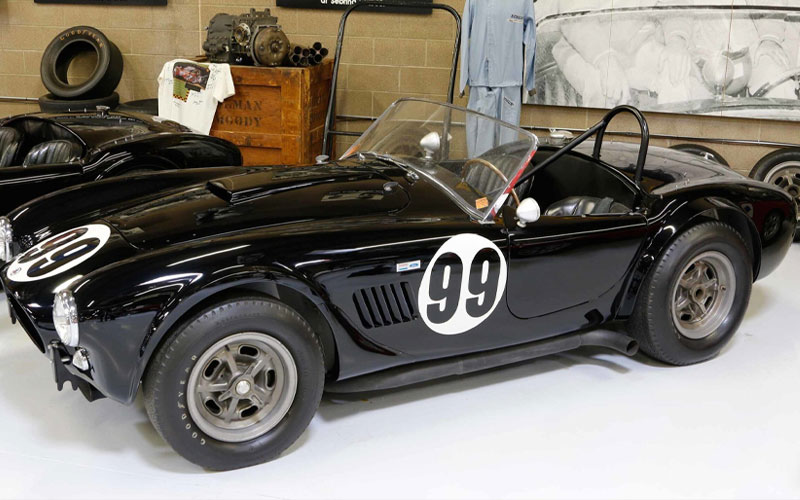
The formula for the AC Cobra combined the lightness of British roadsters that Shelby had raced over in Europe with good old American V8 power. While AC was happy to partner with Shelby to build his new car, Chevy was less than enthusiastic about supplying an engine to a car that might one day rival the Corvette. Ford was more receptive, first supplying Shelby American with a 260 V8 and later with a larger 289 V8. (Yes, this is a bit of a fudge on the conceit of the article, but this collaboration didn’t make the Cobra a Ford.)
In 1965, Shelby sought an even bigger engine for the Cobra, adopting Ford’s 427 FE V8, the same engine they fielded in the Galaxie NASCAR and would later use in the GT40. Ford was instrumental in helping Shelby fit the massive engine into the modestly sized Cobra, modifying the suspension to coil springs as part of the process. The Mk. III Cobra was rated to 425 horsepower in its street-going form and 485 for competition versions.
Shelby Daytona Cobra Coupe (1964)
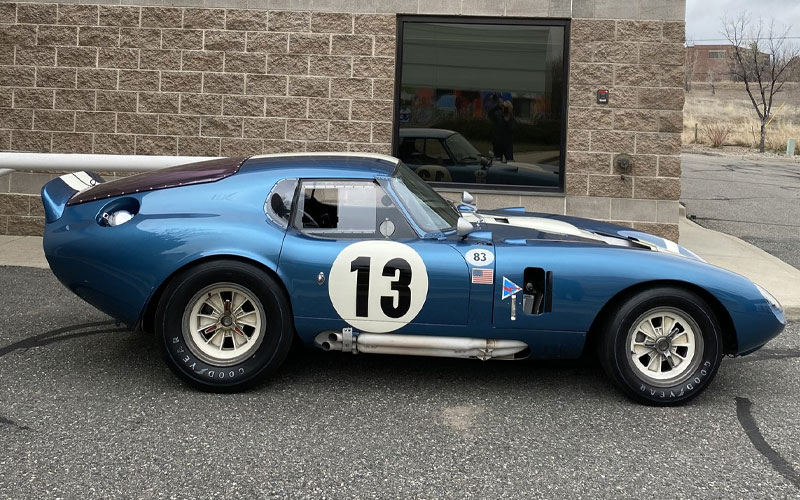
As powerful as the Cobra was, it was not the most aerodynamic of cars. Drag at top speed meant the Cobra wasn’t competitive against Ferrari’s cars on Le Mans’ famed Mulsanne Straight. Luckily Shelby had one Pete Brock in his employ at Shelby American and it was Brock who designed a new aerodynamic coupe body for the Cobra. The new Cobra Coupe debuted at the Daytona 24 Hours, posting a DNF (did not finish). Even so, the car adopted the moniker the Daytona Cobra and when on to win its very next race, the 12 Hours of Sebring. It did the same at Le Mans, taking the GT class win and fourth overall. Just six Daytona Cobras were built, making them a rare and prized collectors’ car.
Shelby Lonestar (1968)
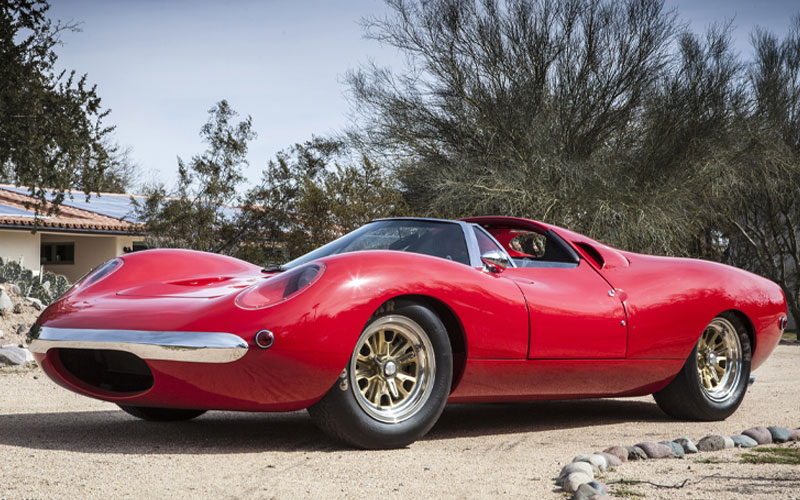
The Lonestar was Shelby’s follow-up on the success of the Cobra. After Shelby had parted ways with Ford’s racing division, the company was loath to allow him to continue to use the Cobra name, for which they claimed copyright. Shelby instead named his new project after his native Texas.
The Lonestar took as much in its design form the GT40 as it did the Cobra. It featured a mid-mounted V8 with 289 horsepower paired with a four-speed manual and ZF transaxle. The low and sleek body design borrowed much from the GT40. Safety and emissions regulations, often Shelby’s bane, made the car untenable to build. Just one prototype was finished.
Toyota 2000GT SCCA (1968)
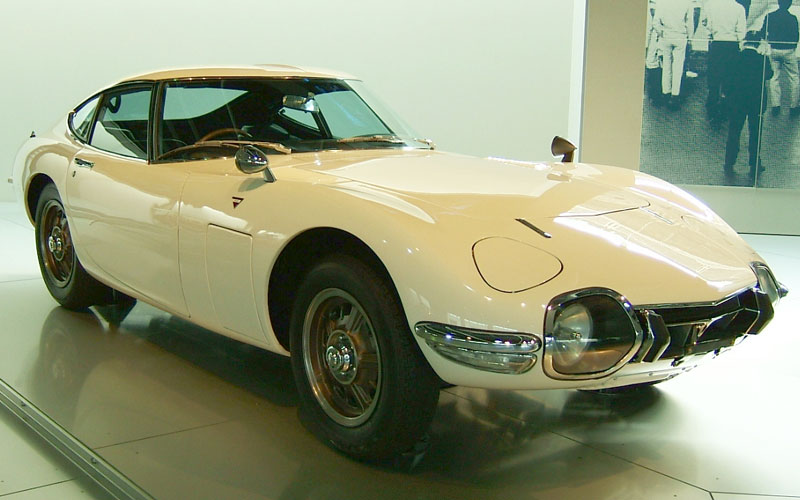
Ford wasn’t the only racing team Shelby helped. In the late 1960s, Toyota had built a new brand halo car, the 2000GT. When they wanted to take it racing for the 1968 SCCA season, they knew just they Texan to call. Shelby worked tuning three racing 2000GTs and their high-revving six-cylinder engines.
Collaborations With Chrysler
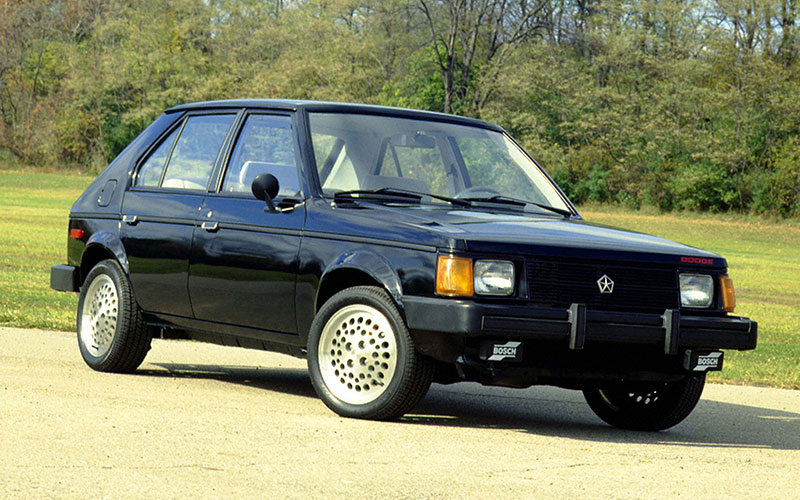
In the 1980s, Carroll Shelby went to work for Chrysler, then under the stewardship of a former Ford collaborator of Shelby’s, Lee Iacocca. Shelby’s first project for Chrysler was injecting some fun into their commuter special, the Dodge Omni. Though not the likeliest candidate for Shelby’s kind of attention, he gave it his signature spin with the addition of the GLH (Goes Like Hell) acronym. The Golf lookalike benefited from his knowledge with a tune that allowed the car’s 2.2L four-cylinder to crest 110 horsepower. A turbocharged version later netted 146 horsepower, and its final iteration, the GHLS (Goes Like Hell S’more) reached 175 horsepower.
Shelby also worked on the L-body Dodge Charger (no relation to the Charger of old or future). Here too, Shelby was able to create a zippy, fun car out of an otherwise boring one. The Shelby Charger was powered by a turbocharged 2.2L making 175 horsepower.
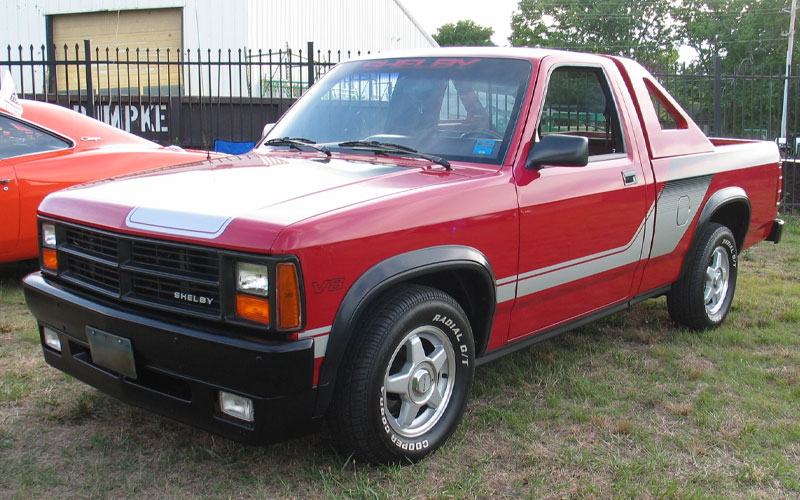
Shelby even had a turn at improving on the 1989 Dodge Dakota. In addition to some spiffy body work, the Shelby Dakota swapped in a 5.2L V8 for its traditional six-cylinder, topping out at, you guessed it, 175 horsepower.
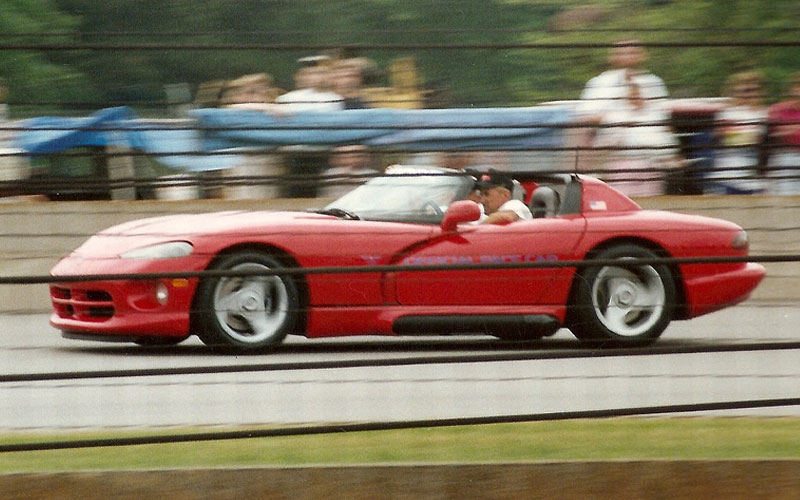
A good deal more powerful was the Dodge Viper. The Viper was the brainchild of Chrysler President Bob Lutz who had reportedly been inspired by a drive in an AC Cobra replica and the nudging of Carroll Shelby. Along with Tom Gale, head of design, and Francios Castaing, head of engineering, Lutz convinced Lee Iacocca that the time was right for a Cobra reboot. The Viper did indeed channel the spirit of the Cobra. The car was stripped down to the essentials for weight savings: no AC, no door handles, no fixed roof. The unbridled fury of the Viper came curtesy of an 8.0L V10 making 400 horsepower. Shelby consulted on the project and even drove a prototype version as the 1991 Indy 500 pace car.
Shelby Series 1 (1998-2005)
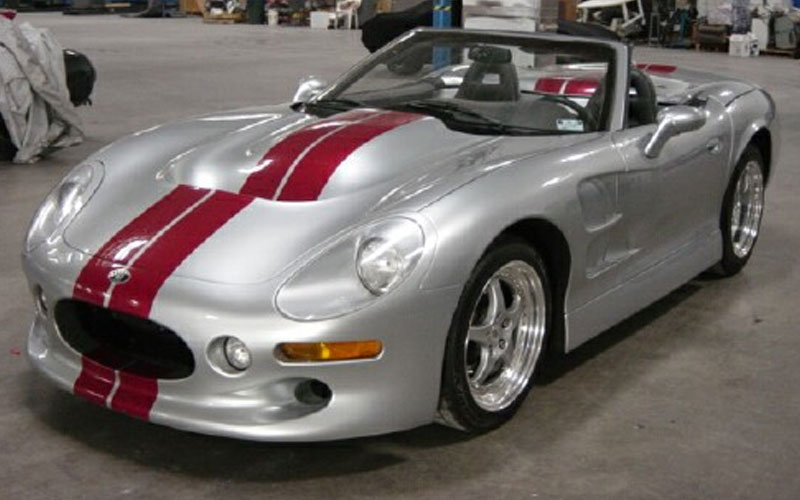
In the late 1990s, Shelby again had hopes to recreate the magic of the AC Cobra with a new light and powerful roadster. Rather than build it under a major carmaker, Shelby attempted the boutique approach he had employed to great effect with the original Cobra, engineering the car from the ground up for performance. While Shelby directed the initial planning for the car, ill health kept him from being involved in the building. Staff from Shelby American and Oldsmobile, who were supplying the engine, stepped into the void.
The plan for the Series 1 was to tune the Oldsmobile 4.0L V8 from its stock 250 horsepower to 350 horsepower with an optional supercharger to reach 450 horsepower. The supercharger proved too expensive to make business sense and Shelby’s team ended up having to settle for the 320 horsepower it was able to coax from the Olds V8.
Hopes continued to be dashed as production cost soared. The best parts of the car, it’s bespoke chassis, carbon fiber and fiber glass body, double wishbone cantilevered suspension all ballooned the cost of the car. Meanwhile, a GM parts bin interior sank its hopes of competing with other luxury performance cars. Between production issues (the collapse of Oldsmobile being just one of many), cost overruns, and insurmountable safety regulations, the Shelby Series 1 never reached its full potential.