
Latest News
Famous Cars: Patton’s Willys JeepCars on Album Covers
Discover the cars on album covers and the stories these vehicles tell about the artists and their music.The Cars on the Cover
Some of the best albums didn’t just sound cool—they looked cool too. For decades, artists have thrown cars onto their covers to set a mood, tell a story, or just look flat-out awesome. From rock legends to rap icons, some of these album covers have become just as iconic as the songs themselves.
The Beatles – Abbey Road
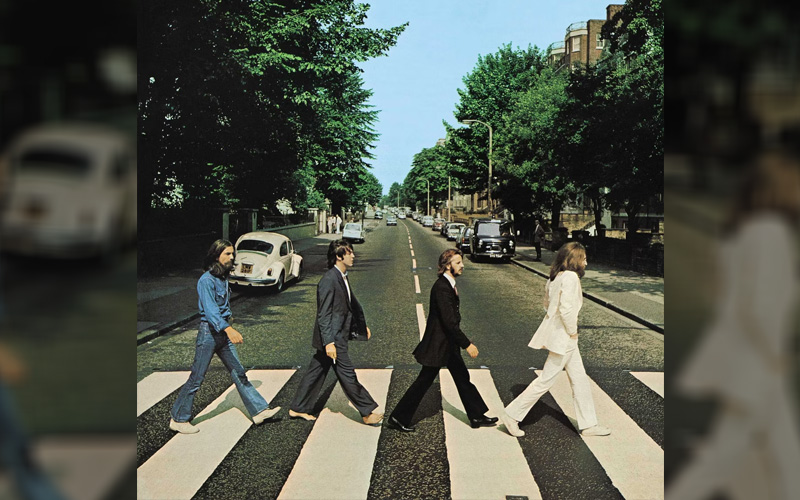
We’ll start with one of the most famous bands—and album covers—of all time. The white Volkswagen Beetle you see parked in the background along the curb wasn’t staged at all—it just happened to be there when the Fab Four crossed Abbey Road.
By 1969, when the photo was taken, Volkswagen Beetle sales were already skyrocketing, before ultimately peaking in 1971. Maybe that’s why it feels so perfect that a Beetle found its way onto a Beatles cover.
ZZ Top – Eliminator
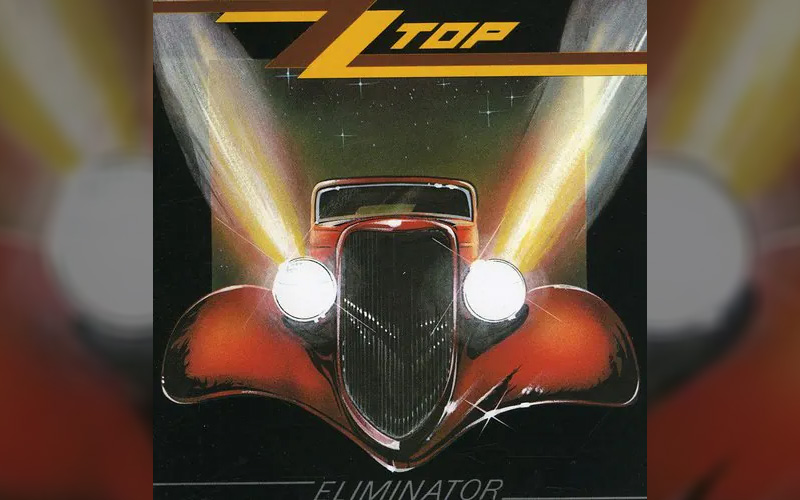
If there was ever an album that looked as loud as it sounded, it’s this one. The album? It included hit songs like ‘Sharp Dressed Man,’ ‘Legs, and ‘Gimme All Your Lovin.’
The car? Well, that bright red hot rod — known as The Eliminator — was a 1933 Ford coupe built just for the band. It wasn’t just a prop either. The car toured with them, starred in their videos, and became a rock ’n’ roll mascot.
Post Malone – F-1 Trillion
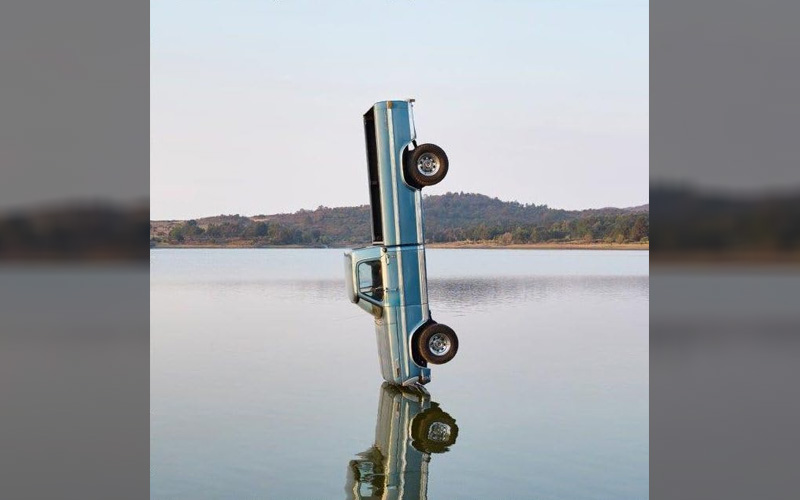
This cover is appropriate because Post Malone’s first dip into country music came in 2023 on a re-recording of ‘Pickup Man’ by Joe Diffie. When it came time to release a full album, Posty combined his love for vintage vehicles and country music with an image of a Ford F-100.
The cover shows the Ford as it’s about to plunge, nose first, into the water. After the photograph was taken and the truck was dropped from the crane, they pulled it out of the water and put it on display at a Raising Cane’s location in Dallas, Texas.
Kendrick Lamar – good kid, m.A.A.d city
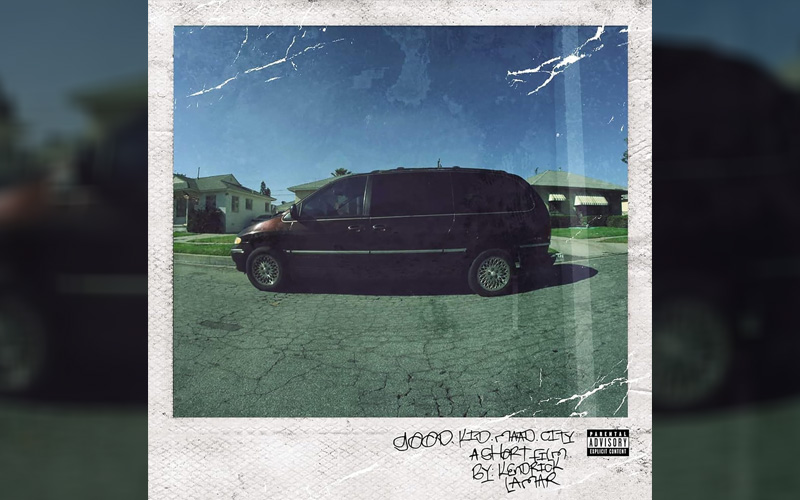
People may already be familiar with the GNX from Kendrick Lamar’s Super Bowl Halftime show – and on his GNX album cover – but we’re going a little further back to one of his earlier albums for this one.
The cover of his 2012 album isn’t from a well-lit photo shoot. The beat up 1996 Chrysler Town and Country was his mother’s van, grounding the album in real life and reminding listeners of the struggles he faced in his Compton upbringing, long before the fame.
The Black Keys – El Camino
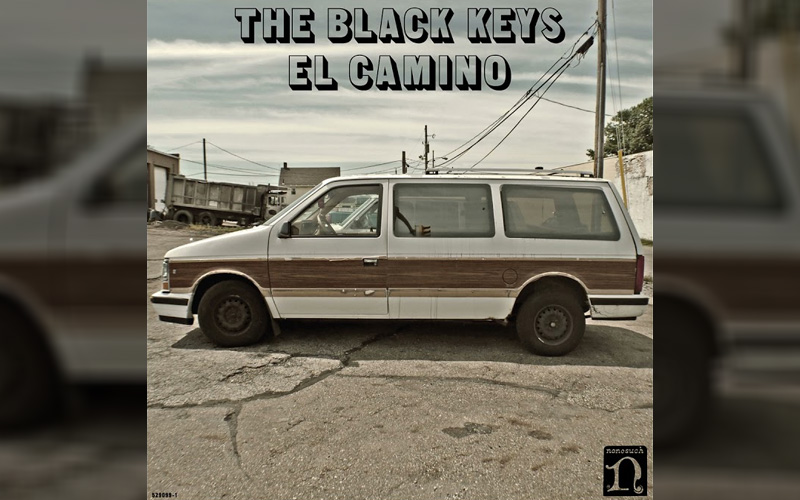
Your eyes aren’t deceiving you—on an album called El Camino, there’s no actual El Camino in sight. The van on the cover is a 1987 Plymouth Grand Voyager. Why? Well, as one of my coworkers said, “It’s the Black Keys—they can do what they want.”
But really, the choice was pure irony. Tongue-in-cheek, just like their bluesy rock sound. Everyone expected an actual El Camino. Instead, they went with the first car they ever toured in.
Lana Del Rey – Lust for Life
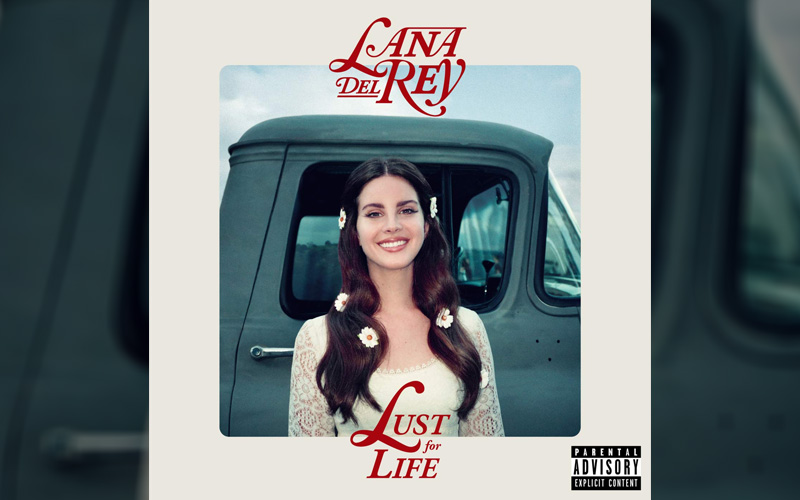
Whether they’re on singles or the album itself, Lana Del Rey likes to feature vehicles in her cover artwork. Her Honeymoon album featured a StarLine tour bus. But, on Lust for Life, she’s smiling in front of an old, green 50s-era Chevy pickup.
Fans like to read into her artwork as part of the story she tells with each album. They theorized that she used the Chevy to throwback to a happier time, to show off an innocence, or to put forth a more mainstream image. Whatever the reason, the better question is: what car will be on the next album cover?
Frank Ocean – nostalgia, ULTRA
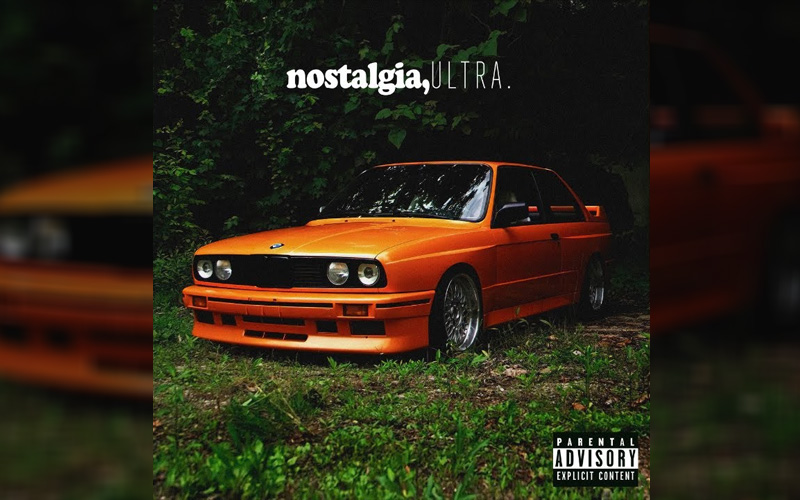
This cover stands out in any collection. The bright orange 1980s BMW E30 M3 is front and center. The orange color pops even more against the green grass and trees surrounding it. Why was it used? That’s easy. It was Ocean’s dream car.
His love for cars doesn’t end with the E30 or the album cover, though. He mentions a Lincoln town car on the “Swim Good” track and he mentions a Ford Mustang on “American Wedding,” but his real-life collection includes several BMWs, a McLaren 675LT, a Tesla Model X, and a Porsche GT3.
The Cars – The Cars Greatest Hits
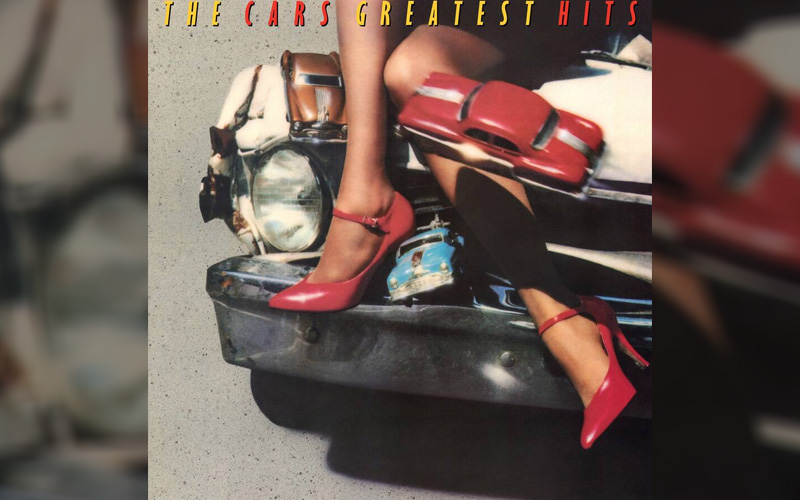
We can’t have an article about cars on album covers without The Cars. The singers of “Drive” didn’t show off just one vehicle on their Greatest Hits album from 1985. Instead, they did a mash-up image of sorts.
A woman is sitting on the hood of a vehicle, but multiple 1950s classics are either interlaced or overlapping in some way. The cover (and album) may not be as good as some of their original work, but it works well enough for a Greatest Hits effort.
The Killers – Battle Born
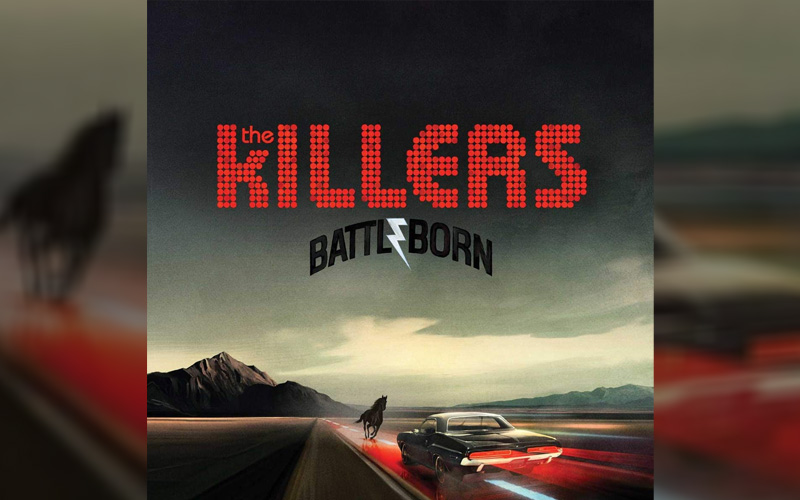
Las Vegas pride meets desert roads on this cover. Enhanced with some dark gray cloud cover, a black stallion is racing toward what appears to be an older-generation Dodge Challenger. Red taillights and road markings add pops of color.
What does that imagery mean? I have no idea. There could certainly be some underlying meaning (conflicting parts of yourself doing battle), but it shows off an interesting juxtaposition of natural horsepower going up against man-engineered horsepower. Plus, it looks cool!
Jay-Z – Vol. 2… Hard Knock Life
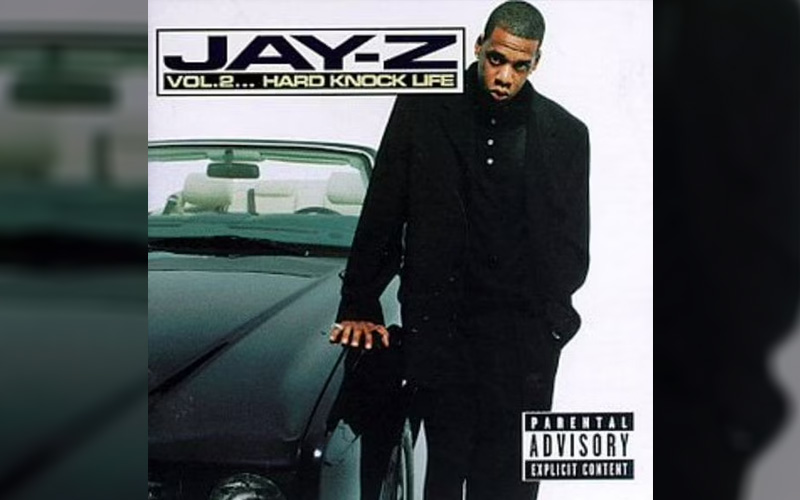
The imagery here is simple, but striking. Jay-Z is standing in front of one of his favorite vehicles, a black 1997 Bentley Azure. With his all-black outfit, the cover exudes success, sophistication, and style.
In a way, using this image on this album cover helps tell the story of Jay-Z’s rise to fame. It was his third album, so now he’s got credibility, name recognition, and enough money to splurge on a ’97 Azure, which was selling for $329,400 minimum at the time.
Bob Dylan – The Freewheelin’ Bob Dylan
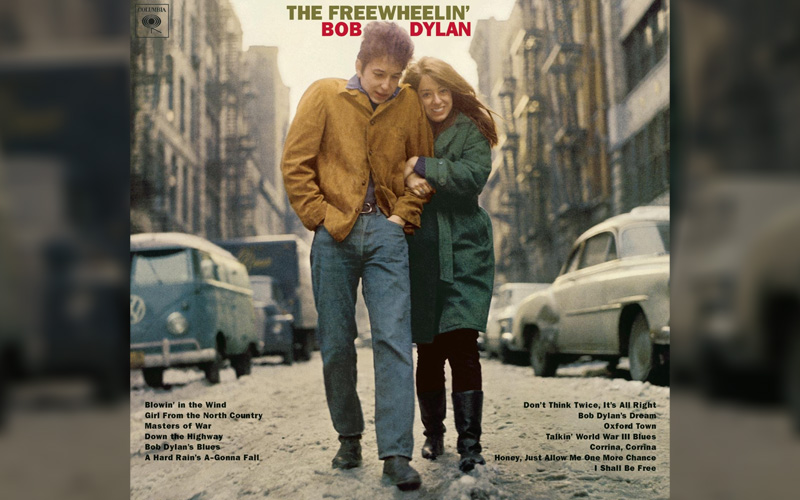
Dylan’s famous album cover shows him and girlfriend Suze Rotolo briskly strolling through New York City streets. A classic blue-and-white Volkswagen Bus happens to be very visible, parked on the street behind them. Though Dylan reportedly planned his outfit carefully, the photo captures 1960s city life perfectly — casual, authentic, and frozen in time.
Multiple shots were taken, including ones featuring a dark blue moving truck behind the VW and a light-colored 1950s Chevy. Dylan’s favorite ended up highlighting the VW and its logo. The bus belonged to a local butcher. Unaware it would become so famous, he sold it shortly after the shoot for a newer 1963 model.
The Beach Boys – Shut Down Volume 2
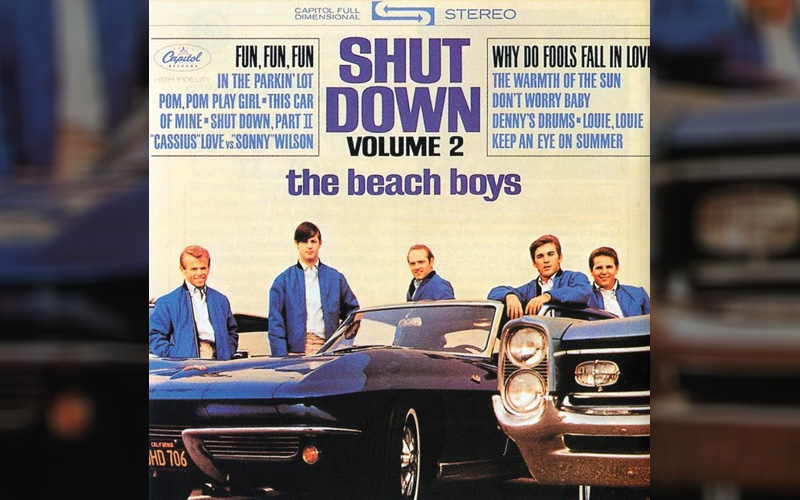
The Beach Boys featured several cars on their 29 different studio albums. Some of them included the Ford Model A pickup on their Surfin’ Safari release and a blue 1932 Ford hot rod on the Little Deuce Coupe album. Both were nice covers, but their coolest album cover – from a car perspective – had to be the Shut Down Volume 2 cover.
Released in 1964, the Beach Boys are standing alongside not just one classic, but two of them. First, there’s a blue 1963 Chevrolet Corvette. Next to them is a lighter blue 1964 Pontiac Grand Prix. Of course, there are plenty of car references throughout the songs on this album. “Fun, Fun, Fun” famously mentions a T-Bird and “This Car of Mine” is all about fixing up a clunker.
Thomas Rhett – About a Woman
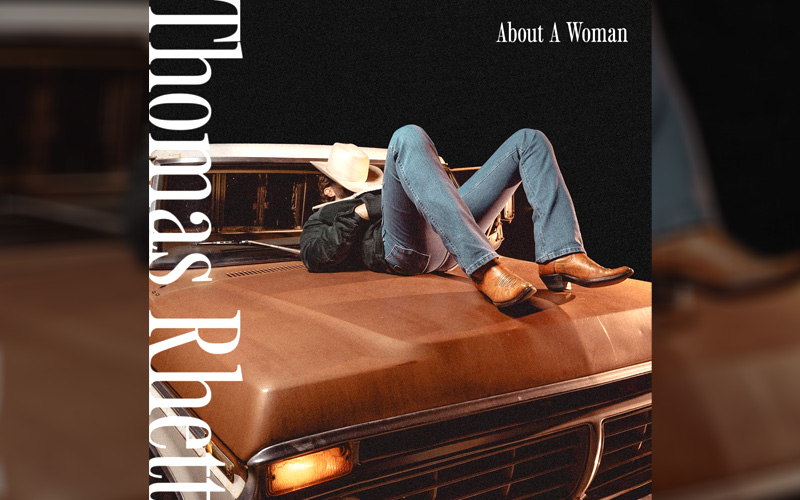
Thomas Rhett looks like he’s taken a roadside pause, stretched out on the hood of a weathered pickup. The cover has a cowboy energy —laid-back (literally) and easygoing. There’s nothing fancy here. It’s just him, the truck, and a quiet moment to breathe. Rhett isn’t known for heavy, rock-infused anthems, so the image nicely reflects his low-key way of life.
Now, was this just a truck used as a prop or was there a deeper meaning behind it? My hunch is the later. Even though Rhett sings about a 2004 Ford F-150 in the song “Overdrive,” the truck on the album cover is a much older model.
Snoop Dogg – Ego Trippin’
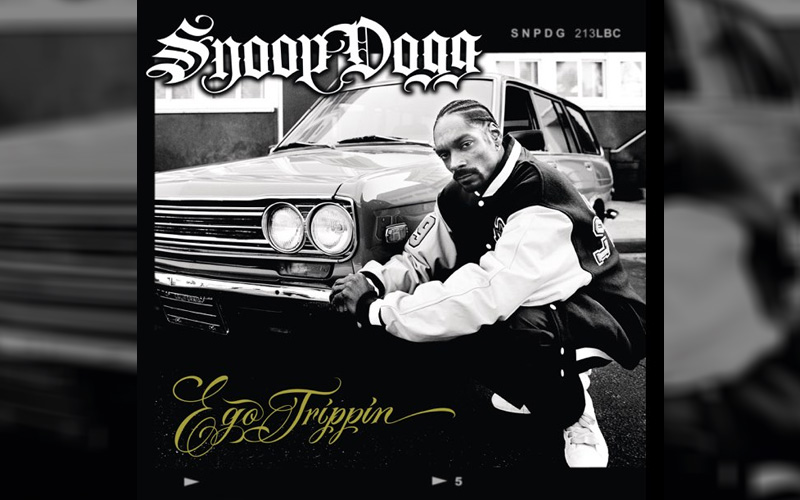
Another original in the rap game, Snoop hits the streets for this album cover, posing next to a 1970s Datsun 510 station wagon. Though the image is in black and white, this 510 is actually a very recognizable orange color. Somewhat similar to Kendrick Lamar, The Black Keys, and Frank Ocean’s reasons for their album artwork, Snoop had a personal connection to this car. It’s actually the car that he owned in high school.
As you can see from this list, sometimes cover art is just cover art, but other times, there’s a meaningful reason behind it. Either way, when an album cover works, it works.
Related Articles