
Latest News
2026 Ford Maverick ReviewChopped and Channeled Hot Rods
Chopped and channeled, a key phrase in any car customizer's vocabulary, is just the tip of the iceberg when it comes to hot rods and Kustom Kulture.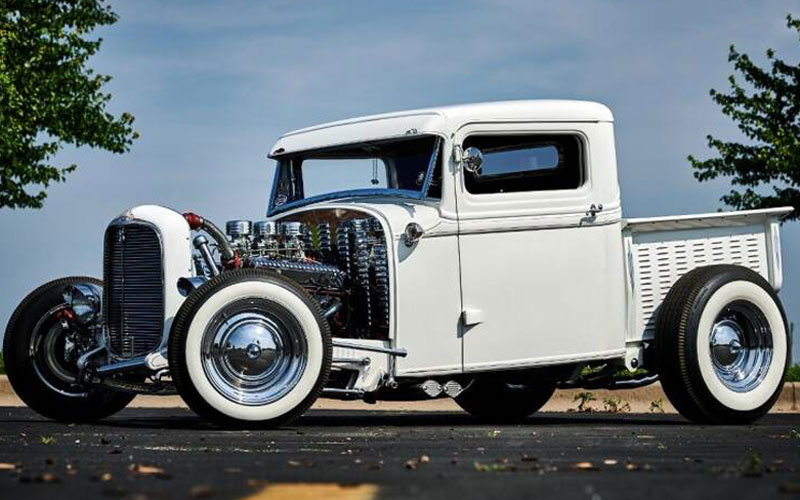
Language of an Automotive Kulture
Chopped and channeled, sectioned and shaved, Fords and Flatheads, oh my! This is the language of “kustom kulture”, an all-encompassing term that captures the world of automotive customization generally focused on the subcultures of 1950s and 1960s America. Think hot rods and Harleys, tattoos, and all-time muscle cars. Within this world, today we’ll be looking specifically at what it means to chop and channel a car.
What Does Chopped and Channeled Mean?
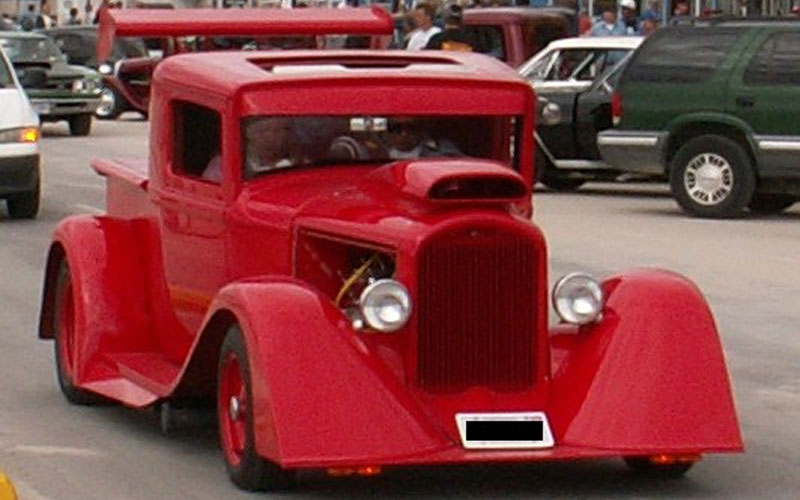
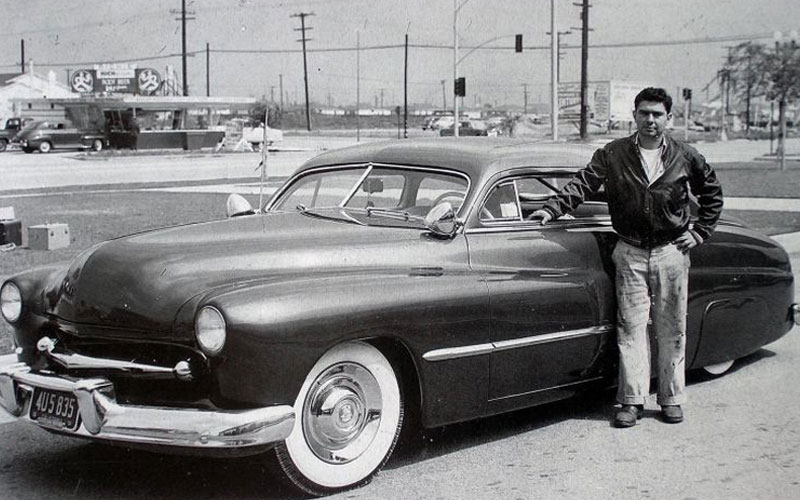
Referring to a car as “chopped” means the roof has been lowered by cutting out a chunk of metal from the pillars all the way around. Also known as “chopping the top”, this process requires removing the windshield and window glass, welding the newly shortened pillars back together, and fitting new glass. This also typically involves customizing the angles of the A- and C-pillars to fit properly.
“Channeled” is a customization technique typically applied to vehicles with body-on-frame construction, which is why it’s so popular among the hot rod crowd. The basics – and it’s not a basic job – involve lifting the body off the frame, cutting the floor free, reattaching the floor higher up inside the body, and lowering the body back onto the frame. Not so simple. But it means you can leave the suspension alone while still getting that sweet lowered look.
When someone is going this far in their customization journey, it’s not unusual to “section” that car too. Just like it sounds, a horizontal section of the body panels is cut out, all the way around, and the remaining top half is welded to the new bottom half. Along with chopping and channeling, sectioning looks pretty mean, but this styling favored by hot rodders did not come about simply for creating cool cars. Originally, it was all about function – for racing.
Dry Lake Racing
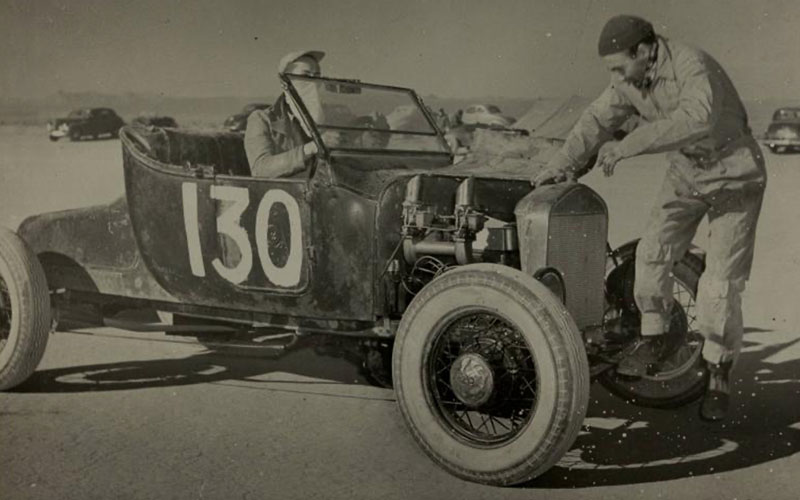
While the hot-rodding culture exploded post-World War II when troops – who had seen some interesting automobiles in Europe – returned home to an economic boom and the associated extra spending money, the style of those rides can be traced back to the 1930s.
At the time, an automotive racing scene out west rewarded drivers who could minimize wind resistance and maximize speed. Racing on dry lake beds in the deserts of Southern California, these racers realized that more powerful engines could only take them so far. To cut their times down further would require cutting into the cars themselves.
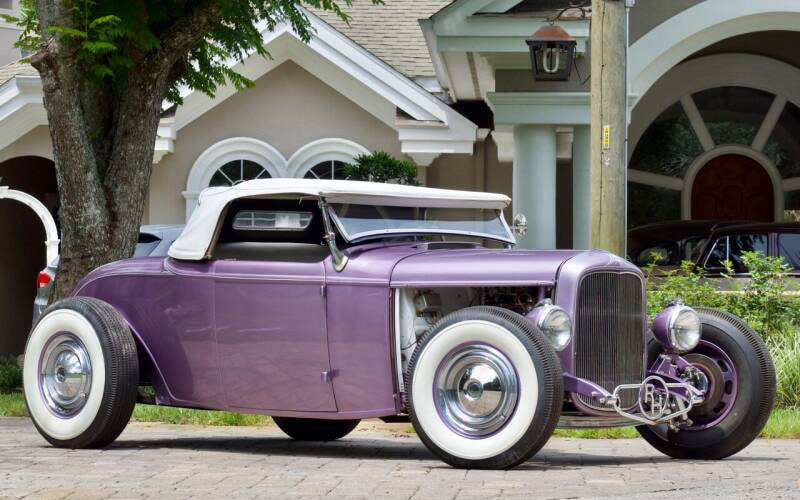
By chopping, channeling, and sectioning their race cars, the frontal area was naturally reduced and the vehicle could slice through the air more efficiently. This effort to reduce wind resistance led to some extreme chop jobs that left tiny “mail slot windows” – as they came to be known – to see out of.
Soon, drag racers adopted the function-over-form approach, and eventually the trend caught on with the customization crowd who go hand-in-hand with hot rodders. The fact that this style helped a car go faster on the race track became secondary to how much meaner it made that car look.
Style, Profile, I Said
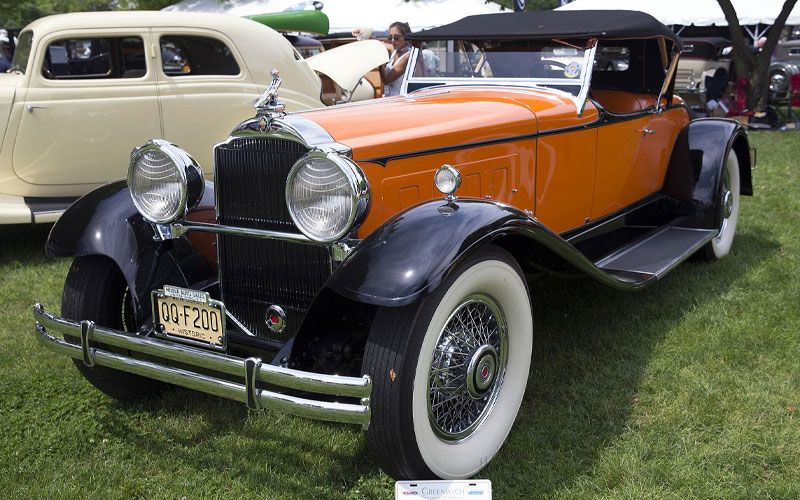
However, while racers were all about function, customizers were all about stylin’ and proflin’. So, the lean and mean look was taken to new heights as those GIs returned home and put their cash to work on rad new rides. The reason this all came together during the hot rod heydays of the 50s and 60s is a combination of factors involving wealthy Europeans, old-timey Duesenbergs, and those lake bed racers.
It’s important to consider the impact that period automotive designers would have had on both these early racer car drivers and the later customization crowd. During the 1930s, those designers tended to sketch vehicles with a long wheelbase, skinny windows, and low rakish tops. Particularly when it came to brands like Packard, Duesenberg, and Cadillac. It sure looked sharp, but production models had to accommodate practical realities of production like a customer being able to sit in the car with a hat on.
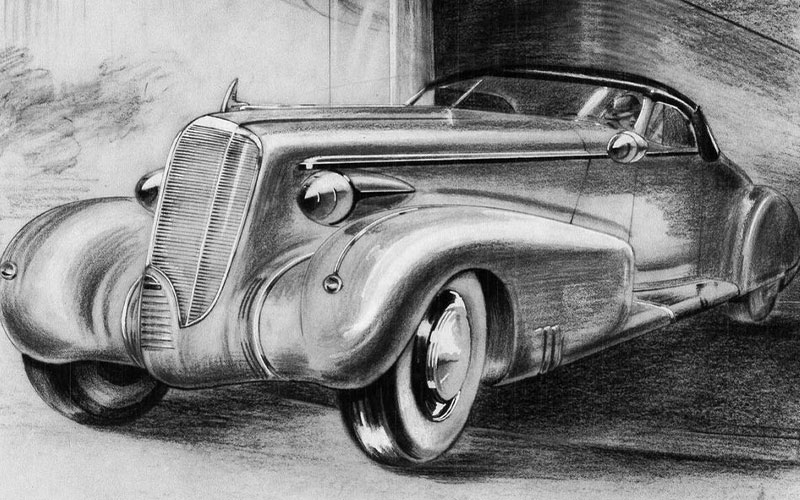
Nonetheless, these pre-production sketches were frequently featured in sales materials to add some pizazz. This practice continued for decades with marketing brochures that had drawings of the cars for sale. This allowed the marketers to fudge the line between an eye-poppingly cool design and the typically more conventional production reality.
On top of that, U.S. soldiers fighting overseas during WW II would have had the opportunity to see some of the high-end coach-built vehicles that wealthy Europeans were driving – which was akin to bringing those designs to life. Blend it all together and you have a recipe for an explosion of relatively wild hot rods and car customizations of all types, including that chopped and channeled style.
Car Customizers Extraordinaire
Today’s mega-sized car customization industry dates back to these dry lake racers from nearly 100 years ago, post-WW II hobby customizers, and a long list of business owners that effectively created the market back then and those who have continued to do so today.
One well-known name frequently cited for his contribution to this culture is Sam Barris. Brother to George Barris and part of the famed Barris Kustoms company that built legends like the original Batmobile, Sam was one of the earliest documented pioneers of the chopped and channeled style.
Around the same time that Sam Barris was heavily modifying a 1949 Mercury, Gil Ayala – who also worked with his brother Al – was busy customizing the very same model. Also like the Barris brothers, the Ayala brothers’ creations were featured on magazine covers and purchased by celebrities like actor Wally Welch.
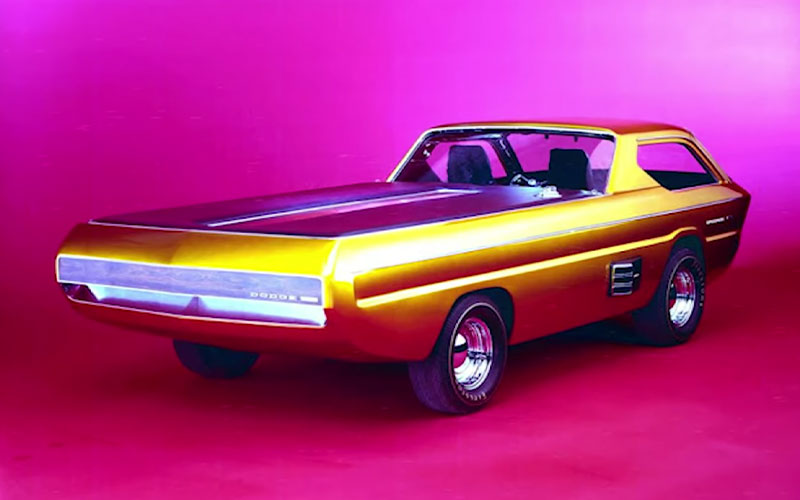
There were a lot of other people back then helping to transform this lifestyle from a hobby to a standalone industry including the Alexander brothers, whose Dodge Deora would be immortalized as one of the original Hot Wheels cars, and Gene Winfield with his cutting-edge paint techniques.
And those legacies live on in the form of countless clubs, shows, and celebrations of Kustom Kulture today. Names like Chip Foose of Overhaulin’ television fame, Troy Trepanier of Rad Rides by Troy, and the former Boyd Coddington, fiery owner of the eponymous Hot Rod Shop are just a few of the modern-day purveyors of this chopped, channeled, and heavily customized approach to the car enthusiast universe. It’s been quite a ride so far and we’re looking forward to another 100 years of cool customized cars.