
Latest News
2026 Ford Maverick Review
Going electric for your classic car build can add power, speed, and efficiency. Here’s what you’ll need to consider when electrifying your classic car.
ICE to EV Heart Transplant
Before you, dear reader, allow the thought of swapping out the engine of a classic car for an electric motor to cause you a dangerous spike in blood pressure, let us pause, breathe, and take stock. No doubt an internal combustion engine is often the defining, quintessential, indispensable heart of a classic car; think of the V8 in an AC Cobra, the Colombo V12 in a Ferrari, or the 300 SL’s straight-six. The naturally-aspirated scream of the Lexus LFA’s V10 is what makes that car special and swapping out such an engine for an electric motor, no matter how powerful, would ruin the experience of an LFA and many other cars.
With that said, swapping an electric powertrain over an aging internal combustion one can have its advantages. Consider any number of American classics from the 1950s. You have three choices when restoring/resurrecting such a car. Do you swap in an LS or similarly absurd V8 for double or triple the original horsepower? (Temping, isn’t it?) Do you attempt to return the car to stock form with all the attendant headaches? Or do you swap in a smooth operating, super torquey electric powertrain giving the car a new lease on life and a subtle shift in personality?
Pros of EV Conversion
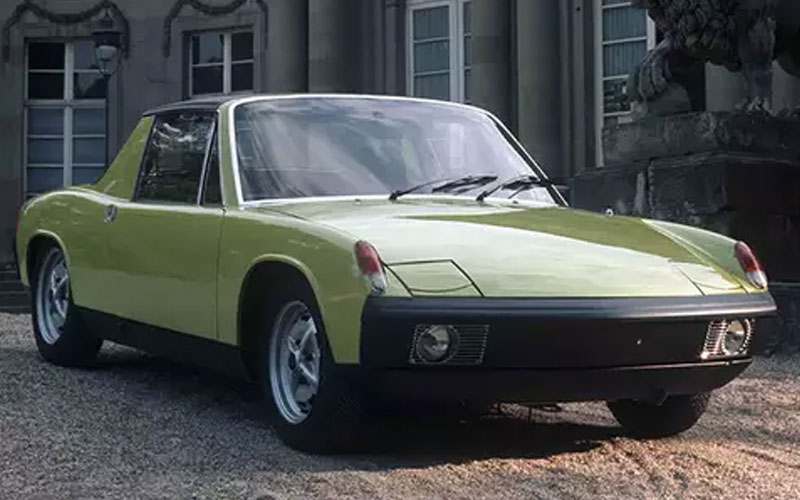
There are many pros to going with an electric powertrain swap for a classic car. First, there’s the power output. Electric motors provide instant torque and, depending on how many motors you go with, heaps and heaps of horsepower. An originally light car like a Porsche 914 or Mazda Miata are prime candidates in this regard.
Then there’s the mechanical simplification. Sure, the actual swap is a major overhaul, but an electric powertrain has many fewer moving parts than an internal combustion engine and therefore has many fewer to wear down or break. This also means greater reliability and reduced maintenance. An original Land Rover Defender sure looks cool but keeping it in running order is a labor of love with an emphasis on the labor. And of course, there’s also the reduction in emissions which isn’t just good for the local and global environments, it also means no more nerve-wracking state emissions tests.
Cons Of EV Conversion
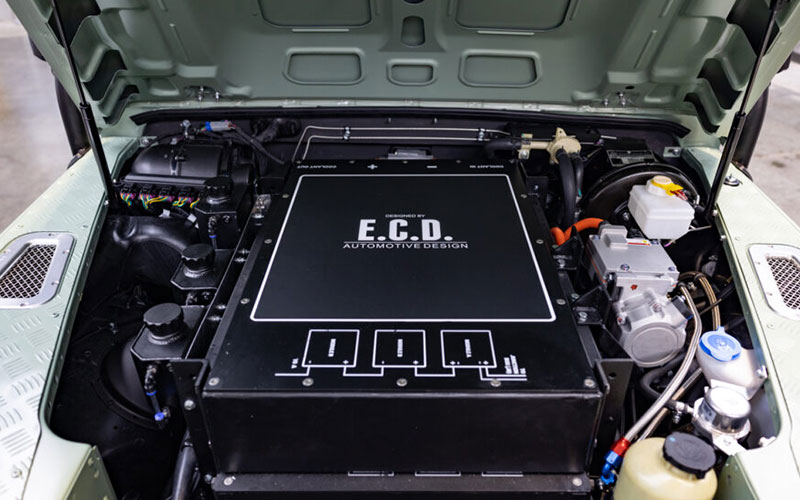
There are three big cons to EV conversions. The first we addressed in the introduction, jettisoning internal combustion can indeed detract from the character of a car. This means carefully choosing the right vehicle for such a swap, the criteria for which we’ll elaborate below.
Another major con is the cost. EV swaps aren’t a cheap alternative to fixing up or even replacing a gas engine. Between the motor(s), battery pack, and new wiring, even minimalist EV swaps can run well into the $20,000 range and thorough jobs can quickly double that number depending on what components you want to adapt or replace.
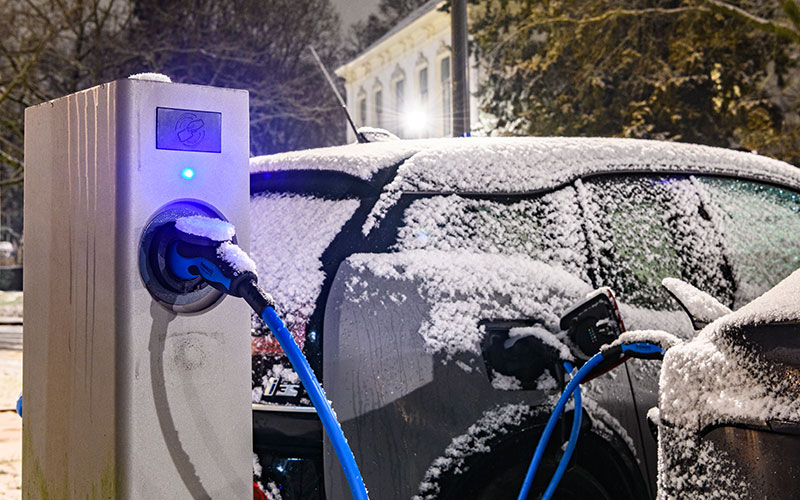
The final con is simply this: EVs aren’t perfect (gasp!). Range anxiety can be well-founded depending on your use case and where you live in the country. EVs also don’t work as efficiently in cold weather or when they’re towing.
And yet, potent electric motors are certainly alluring….
Considerations When Choosing a Car
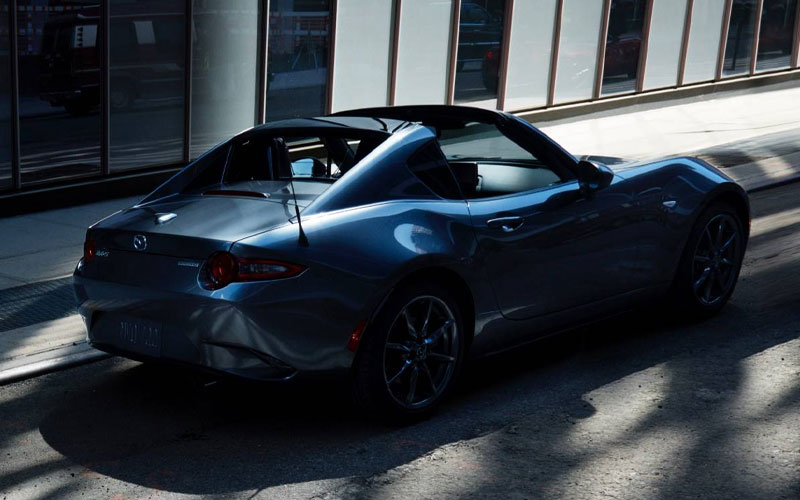
Choosing the right car for an EV conversion is a matter of both personal taste and practicality. The practical end contains a number of factors to consider.
For example, a vehicle’s curb weight and GVWR (gross vehicle weight rating) that is how much weight the vehicle’s suspension is designed to carry, both play important roles. Typically, the weight from removing the engine and running gear is replaced by the new EV motors and battery pack. Maintaining this balance is important, especially if you want to avoid overhauling the suspension. The delta between curb weight and GVWR accounts for average passenger weight and payload, but in some cases, that gap is small. In small cars like the Mazda Miata, that gap is only around 350 lbs. so it pays to know how much leeway for added battery weight a given vehicle can afford you.
Another practical consideration is a candidate vehicle’s drag coefficient. Drag increases with the square of speed and becomes increasingly relevant at speeds above 45 mph. A mediocre drag coefficient will sap your batteries more than a more aerodynamic design. But then, maybe you don’t care about going all that fast in your electrified VW Westfalia camper van, anyway.
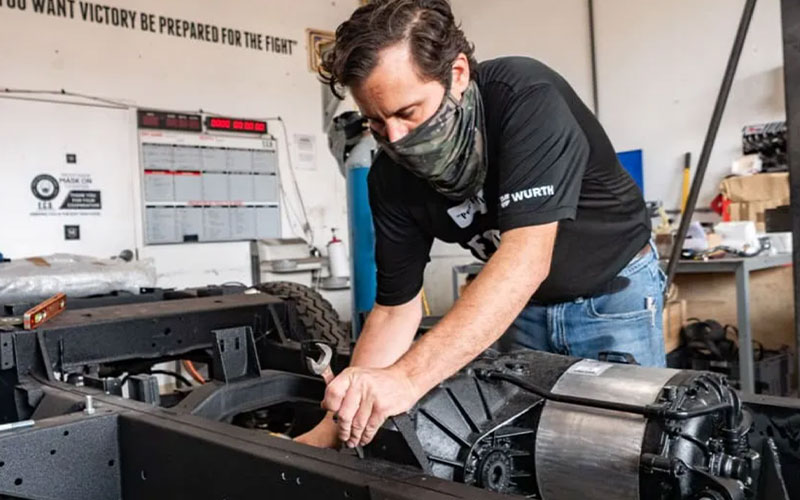
You’ll also have to decide whether you’re going to do the swap yourself DIY-style or hire out one of the many EV conversion companies that have cropped up over the past decade-plus. If you are going the DIY route, depending on your chosen vehicle, there are likely internet forums dedicated to this exact project. Thorough research will be rewarded.
Speaking of which, a final practical consideration will be your specific use case. While you can go crazy and add a 150-horsepower electric motor at every wheel of a 1965 Suburban, is that going to be cost-effective? If you are looking to go fast, maybe add power to a small car like a Mini. If you just want the ease of an electric powertrain, maybe consider a classic like a late- ‘50s Bel Air? The most important consideration of all, however, is what vehicle do you find most personally compelling for such a project?
Basics of EV Conversion
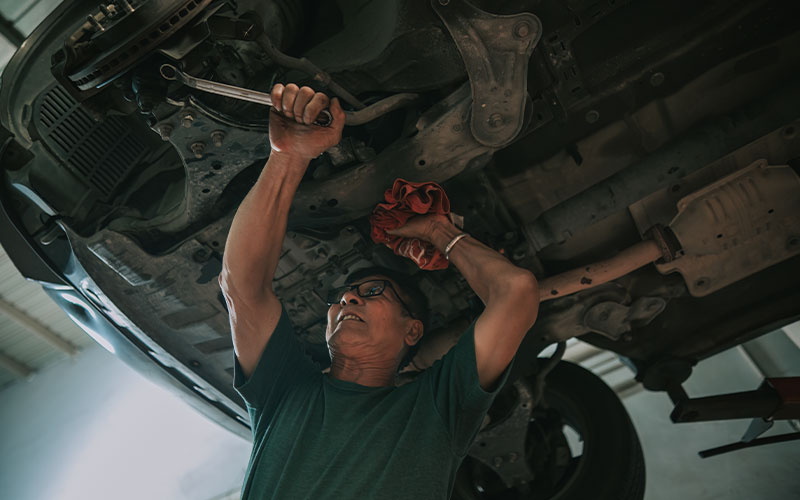
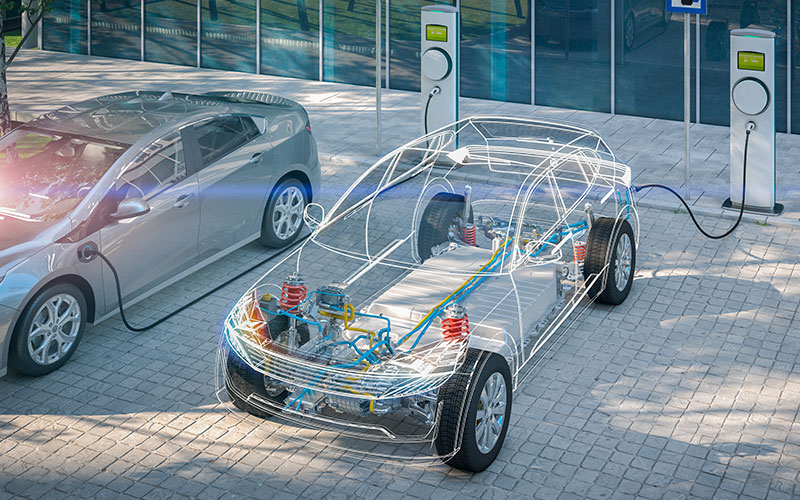
Once you’ve chosen the vehicle you want to convert to an EV, here are the basic components that will be swapped in.
Batteries – Your batteries will be the new power source for your car. Whether you’ll need one or two or even more battery packs will depend on your desired amount of power and the vehicle in question. Some, like a vintage F-100, will have room probably under the seats or in or under the bed to accommodate even a sizeable battery pack. Other classic cars, like a BMW 2002, might call for splitting up the batteries into multiple packs in multiple locations.
Electric Motors – Most EV conversions will situate the motor or motors at the rear, but depending on your build you can go all-wheel drive with either a two- or even four-motor set up. You’ll have a wide array of electric motors to choose from. You can go with an OEM motor like a recycled Tesla motor, or either GM’s or Ford’s new electric crate motors. Otherwise, there are many other companies building high quality electric motors.
Controller/Inverter – This converts the DC power from your battery pack to AC power used by your electric motors.
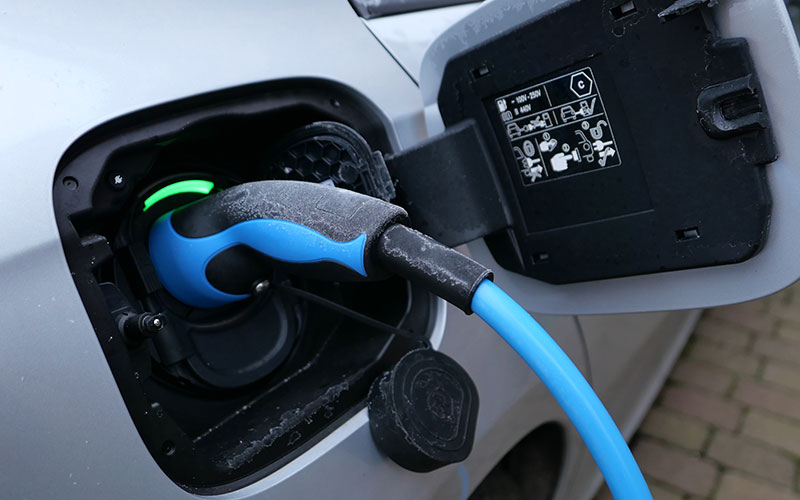
Charge Port – The charge port will typically take the place of the gas tank door.
Updated Instrumentation – Accounting for the new propulsion system, you’ll need at least minimal updates to the dash gauges to indicate battery charge.
12-volt System – Your original 12-volt system will often need updating or replacing.
Additional Optional Upgrades – This goes about as deep as you want when it comes to modifying a classic car, but the addition of a new EV powertrain highlights specific areas you might want to consider upgrading. The suspension is one such area. The added or rearranged weight can alter how a vehicle handles. While not a big deal on a lumbering late- ‘40s Buick, if you’re doing a sportier car suspension upgrade can help preserve or improve handling. Brakes are another worthwhile investment to make, especially if you’re going over the vehicle’s original weight. Other items to update could include the HVAC system, pedal box, and the gear selector and transmission (whether you plan on keeping a transmission at all or not).