
Latest News
2026 Chevrolet Blazer ReviewRemembering Ayrton Senna
Ayrton Senna was one of the greatest racers to enter Formula 1, but his story was cut short by an accident. Learn about his legacy and remember the driver.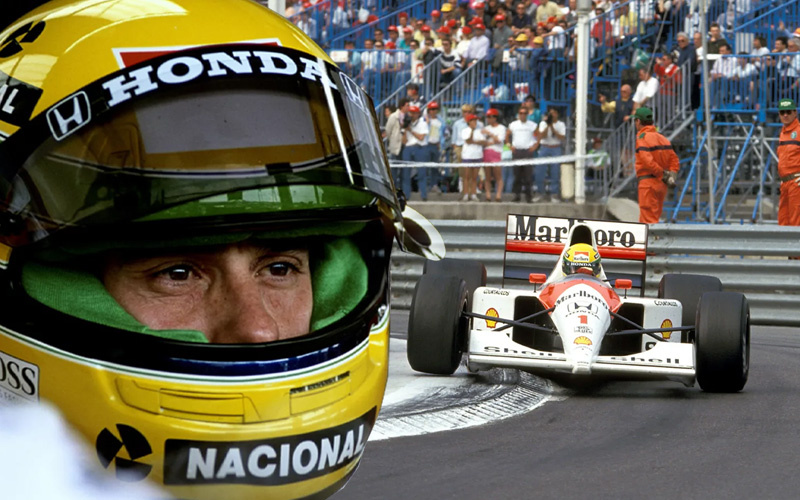
One of Racing’s Greats Taken Too Soon
Ayrton Senna was a Brazilian racer who dominated the track at an early age and rose to greatness in Formula One. He was a unique breed of driver that took careful consideration of the details surrounding the circuits he raced on and the performance of the cars he drove. His career set multiple records with 41 wins, 80 podiums, 65 pole positions, and three Formula One Drivers’ Championships over the course of just nine seasons.
Unfortunately, this list of accolades and a historic career were cut short at the 1994 San Marino Grand Prix. This accident forever affected the lives of drivers and fans alike while also leading to drastic changes by the Fédération Internationale de l’Automobile (FIA). Ayrton Senna left a lasting impact on the world of motorsports and helped McLaren continue their racing legacy. Learn more about one of Formula One’s greatest drivers and how his legacy is still honored today.
Ayrton Senna’s Racing Career
After becoming the South American Karting Champion at 17, Senna moved to the FIA’s World Championship Karting series where he achieved two silver medal finishes over five seasons. His success quickly drew the attention of Formula Ford teams where he went on to win five championships between Britain and Europe over two years.
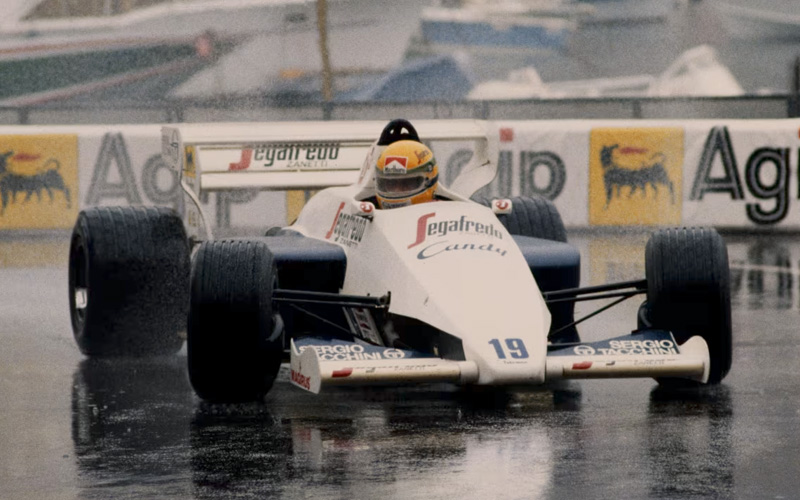
This quickly garnered Senna a seat with West Surrey Racing’s Formula Three team where he’d again rise to the top and secure the 1983 British Formula Three Championship and cap his Formula Three career off with a win at the Macau Grand Prix. The following year, Senna tested with multiple Formula One teams but ultimately signed with the relatively new Toleman Motorsport team. It’s there that he got his first taste of Formula One competition and made a name for himself on racing’s grandest stage.
While he ultimately finished ninth in points for the season, he achieved multiple podium finishes and showcased his extreme prowess racing in wet conditions – a specialty that led to his nickname “The Rain Master”. He was a special driver that took a keen interest in the performance of his car and acknowledged every small detail of the tracks he raced at, giving Senna an edge where his car sometimes could not.
Senna eventually moved into talks with Lotus in 1985 following his rookie year where he continued to excel and secured his first pole positions and his first Formula One win of his career. His three-year ride with Lotus ended with six wins, 22 podium finishes, 16 pole position starts, and a podium finish for the ‘87 Drivers’ Championship. It’s here on the Lotus team that Senna also built a lasting relationship with Honda, who supplied multiple Formula One teams in the late ‘80s with their turbocharged V6 engines. This relationship led to a connection to the McLaren Formula One team and Senna’s highest points of his career.

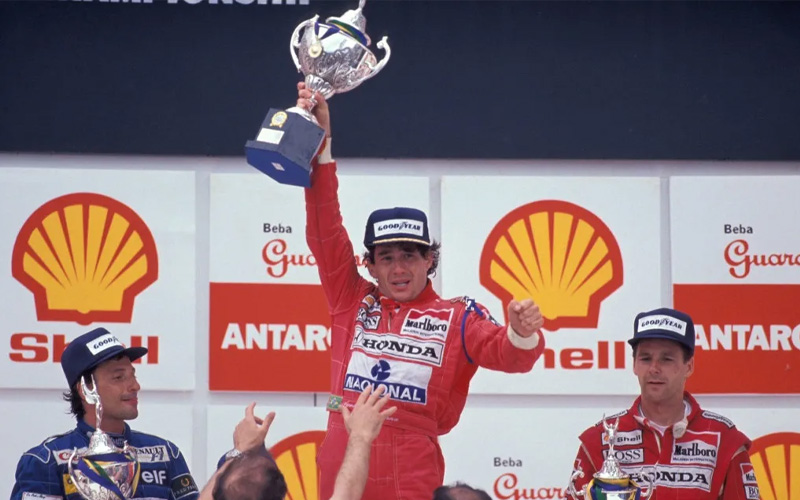
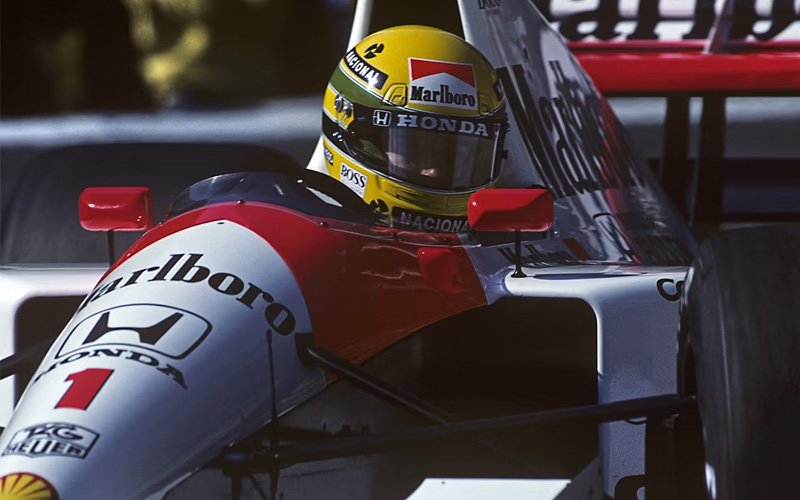
In 1988, Ayrton Senna joined up with McLaren alongside already well-established champion Alain Prost. The two drivers carried a heated rivalry throughout their time together at McLaren but ultimately worked together to best their competition. Senna won his first Drivers’ Championship and Constructors’ Championship in his inaugural year with McLaren. He continued to excel and achieved a total of 35 wins, three Drivers Championships, and led McLaren to four Constructors Championships over six years with the team.
Midway through the ‘93 season, Senna signed with Williams to replace his former teammate, Alain Prost, who planned to retire. Senna’s last win with McLaren took place at the ‘93 Australian Grand Prix where he pulled Prost up to the top of the podium with him as to celebrate his largest rival’s career.
Senna’s first races with Williams were rough. He took pole position in the first three races but failed to finish. The fourth race was the 1994 San Marino Grand Prix, an event that was already marred in controversy prior to the events that led to Senna’s death. Multiple crashes occurred prior to the race itself including one that led to the death of Roland Ratzenberger. This was the first death since 1982 to occur during a Formula One race.
Ayrton Senna was uneasy about the accidents and failed safety assurances leading up to the race. He’d confided in other drivers, including the retired Alain Prost and Niki Lauda, prior to the race that he felt the need to bring back the Grand Prix Drivers’ Association to promote better safety practices for drivers. Unfortunately, Senna never got the chance to help in those efforts as he crashed into a barrier during the Grand Prix leading to his untimely demise. The track’s unsafe racing conditions coupled with the improper welds on his shortened steering column led to Senna losing control through a high-speed corner.
Ayrton Senna’s Impact Still Felt Today
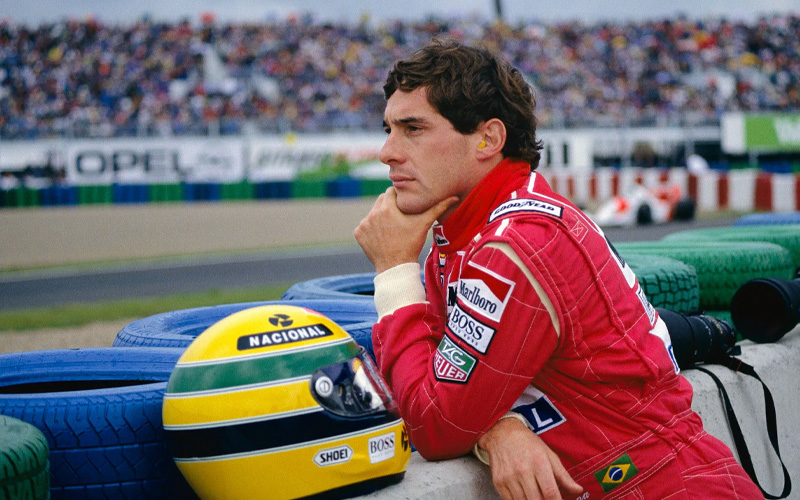
Following the catastrophic events at the San Marino Grand Prix, the FIA left the first two gird positions open at the following event. They were painted with the Brazilian and Austrian flags to honor Senna and Ratzenberger respectively. Michael Schumacher dedicated his 1994 Drivers’ Championship to Senna as did the Brazilian soccer team after winning the ‘94 World Cup.
Following the events of the 1994 Formula One season, a number of safety advancements were made to help reduce the severity of a crash. The circuits that Formula One events took place at received safer crash barriers and some tracks were even revised for safety concerns. The cars engines were reduced in size and output and the FIA increased weight regulations to account for additional safety structures that aimed at absorbing side impacts, frontal collisions, and protecting the driver more overall.
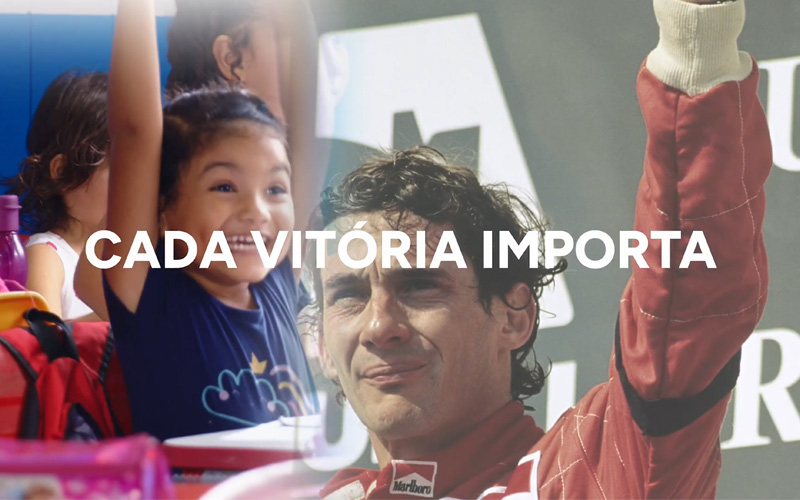
Ayrton Senna is still remembered around the world as one of the greatest drivers of all time and as a great human being. Instituto Ayrton Senna is an organization that was devised by Senna before his death with the help of his sister Viviane Senna. It was created mere months following Senna’s passing and has since donated over $80 million towards bettering the lives of Brazilian children.
The legendary driver has multiple memorials around the world dedicated to his remembrance and even some of today’s greatest drivers, like Lewis Hamilton, point to Senna as a pivotal figure in their journey to Formula One glory. The trend continues today as evidence by Brazilian driver Gaberiel Bortoleto who wears a similarly designed helmet to the iconic yellow one Senna had throughout his career.
McLaren Senna: An Automotive Homage
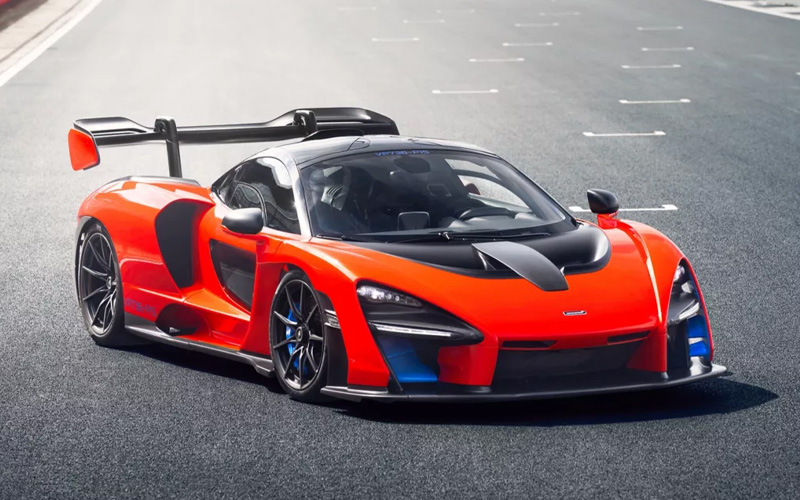
McLaren had a great run with Ayrton Senna and were saddened by his passing. They’ve since honored his legacy with the brand in a multitude of ways, but their most impactful association with the drive came in 2018 with an automotive creation that shares his namesake. McLaren owns the rights to the Senna family name and in an effort to preserve its notoriety, they produced the McLaren Senna.
The carbon fiber bodied, mid-engined sports car carries a twin-turbocharged 4.0L V8 engine producing 789 horsepower and 590 lb-ft of torque. Mated to that engine is a seven-speed dual-clutch transmission directing power on to the rear wheels. The Senna carries highly technical aerodynamic advancements including an electronically adjustable rear wing that also acts as an airbrake. The car even features carbon ceramic Brembo brakes and Pirelli wrapped, center-locking wheels.
With a top speed of 208 mph and a 0-60 mph time of 2.8 seconds, the McLaren Senna is truly one of the closest things to Formula One performance on today’s roads. Each of these cars honoring Senna’s name were hand built at McLaren and just 500 examples were produced. With McLaren as the sole rights owner to the Senna family name, the McLaren Senna is the only car to use the late driver’s namesake and what a car it is.