Latest News
2026 Ford Maverick ReviewTop 10 JDM Hondas
Honda is a Japanese car brand that’s dedicated to providing innovative, reliable, and fun to drive products for 60 years. Here’s the top 10 Honda JDM cars.Honda JDM Cars: The Power of Dreams
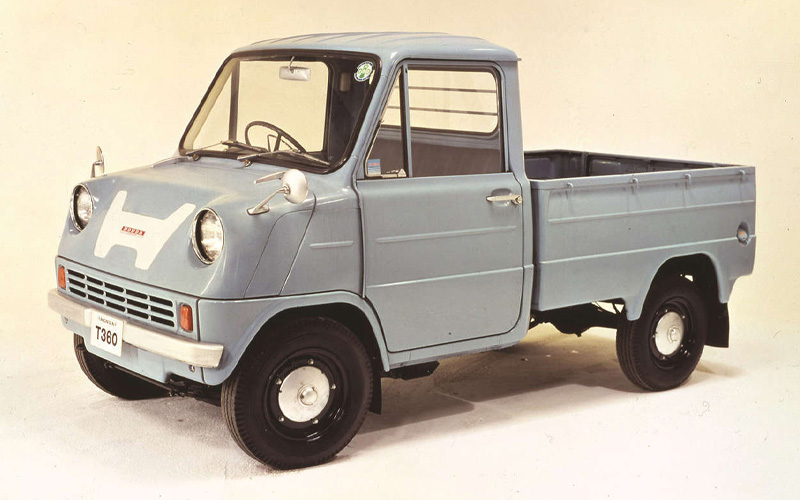
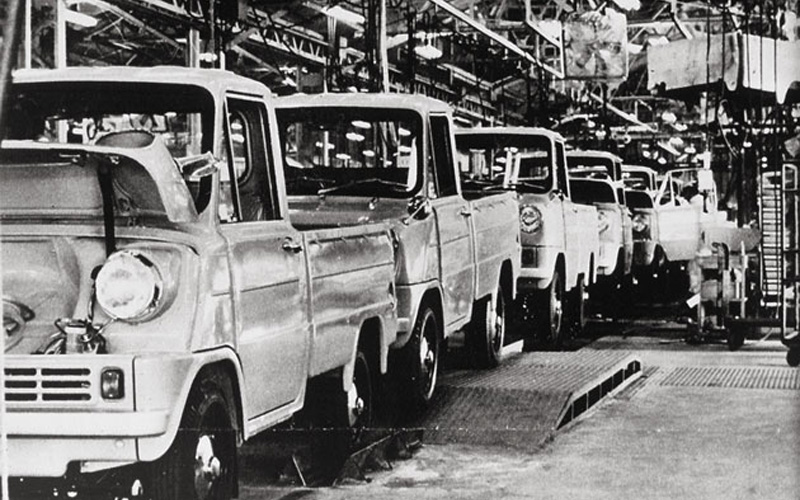
Soichiro Honda started out working on bicycles and cars before producing his own auxiliary bicycle engines back in 1947. From there his company would explode in popularity as they began to produce motorcycles, mopeds, and even farming equipment. It wouldn’t be until 1963 that Honda would bring their first automobile to market. The Honda T360 was a humble kei truck focused on utility rather than performance.
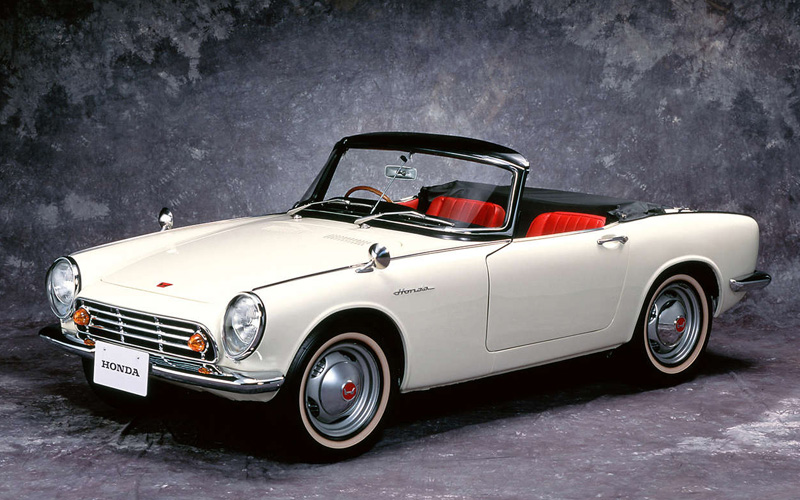
Just four months later though, Honda would introduce their second production car, the S500 roadster. The small two-seater was based off of their early S360 concept car and featured a fully independent suspension, four-speed manual transmission, and a 531 cc dual-overhead cam (DOHC) inline four-cylinder engine. This all came together to create a fun, high-revving driver. The following year, Honda established themselves in the world of motorsports by entering their own Formula 1 racecar into the 1964 German Grand Prix and went on to secure their first F1 victory just year later.
These early years of Honda provided a glimpse at what the brand would grow to exemplify. An automotive manufacturer that’s eager to engineer innovative products while also having its hands in the exciting world of performance. Honda has gone on to produce some of the most beloved cars in the world and has amassed a cult-like following thanks to its reputation for building reliable, fun cars that help push its competition to do better and catch up to the new standard they continue to set. Today, we’re taking a moment to appreciate some Honda cars that we in the United States of American didn’t get to fully appreciate or experience in their prime. Here are the top Honda JDM cars!
Honda S800
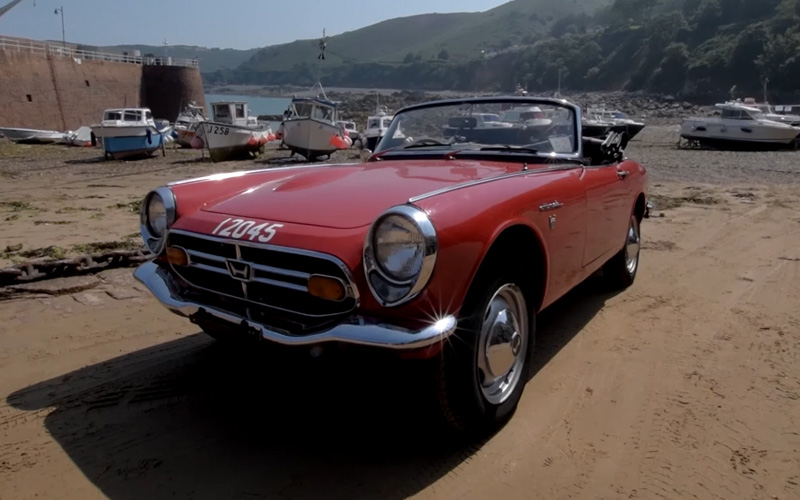
The Honda S800 took what made Honda’s early roadsters great and improved upon it. So much so in fact that it became known as the fastest production 1-liter car back in the day. The 791 cc DOHC inline four-cylinder engine only made 70 horsepower, but its high-revving motorcycle-like design helped the S800 become Honda’s first ever car to hit 100 mph. The S800 also utilized a live axle rather than continuing with the chain-driven rear end that its predecessor’s had and added on some disc brakes at the front wheels. This was the last of the Honda “S roadsters” to be produced prior to the S2000 and was pivotal car in Honda’s legacy.
Honda Crossroad
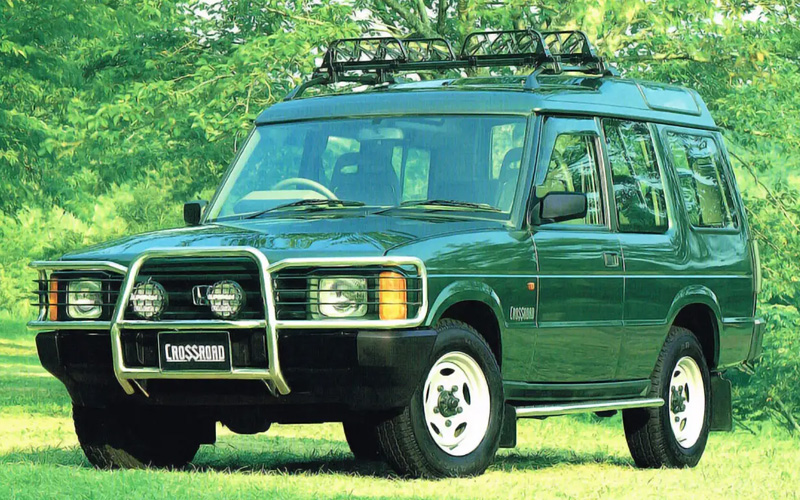
While the Crossroad is simply a Land Rover Discovery Series I rebadge, it’s still an interesting piece of Honda’s history and a fun JDM conversation piece to some. Honda was behind when the SUV surge first kicked off. So, to help push themselves into the segment they joined in a partnership with Land Rover. The Honda Crossroad debuted in 1993 featuring a 3.9L V8, 4×4 drivetrain, and a suspension prepared for traversing off-road. The Crossroad carries the distinct honor of being Honda’s first (and only) production vehicle to carry a V8 engine. This would have been a significant step for the company had they engineered the eight-cylinder engine themselves, but this was the same unit from Land Rover that plagued the model with reliability issues. While it may come with its problems, the Crossroad helped introduce Honda into the SUV segment that it now continues to dominate year after year.
Honda City
The Honda City was an interesting little hatchback that melded Honda’s love of two- and four-wheeled vehicles into one package. When it first debuted in 1981, the idea was that the City was small enough to park almost anywhere and it offered an interesting twist to circumvent backed up traffic. Honda made a folding moped called the Motocompo that could be tucked away at the rear of the City and be unfolded for use as an alternative mode of transportation through the lanes of slow-moving vehicles. At first it was just a fuel-efficient car with a unique gimmick, but it eventually got a little sportier.
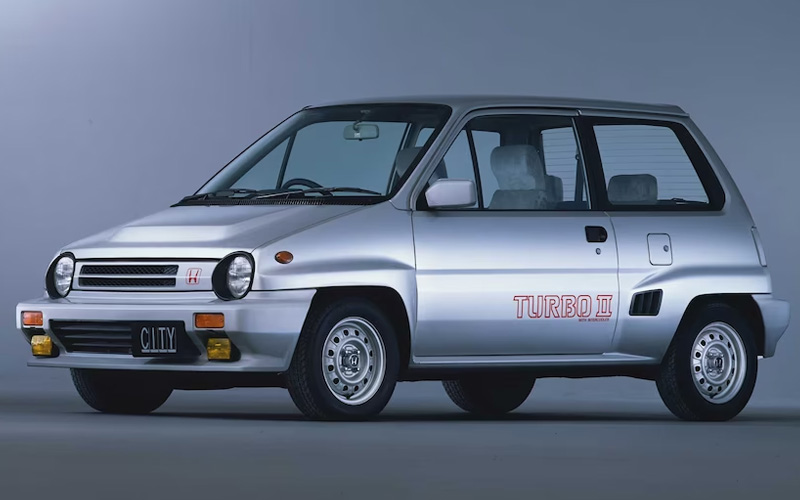
Hirotoshi Honda, son of Soichiro Honda and owner of Mugen, added a turbocharger and tuned the City to be a JDM sleeper. Honda loved the idea and brought the City Turbo to model lineup in 1982. The 1.2L CVCC inline four-cylinder produced 99 horsepower which may not seem like much but when coupled with the reduced weight of the vehicle it allowed the hatchback to hit 0 to 60 mph in 8.6 seconds. Honda followed this up with the Honda City Turbo II in 1983 which not only added an intercooler and other performance bits to the turbocharged kei car but adorned it with a great looking wide body kit.
Honda Beat
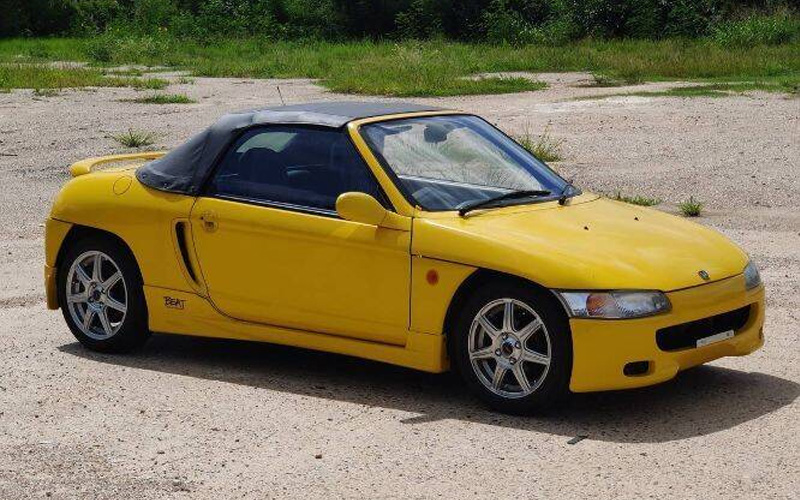
Another fun kei car of note from Honda is the Beat. It was a part of a short-lived yet highly contentious sports-kei segment where it was met with the competition of the Autozam AZ-1 and Suzuki Cappucino. Each had their gimmicks to attract shoppers, and the Honda Beat’s was its interesting powertrain. The Beat was a rear-wheel drive, mid-engined roadster that carried a 656 cc inline three-cylinder engine that utilized Honda’s Multi Throttle Responsive Engine Control (MTREC) system. This unique design featured individual throttle-bodies at each of the cylinders to help adjust the air to fuel ratio of each cylinder helping it to provide a better throttle response and a little better performance. Now, kei cars aren’t really made to outmatch larger cars on the road, but the Honda Beat was at least competitive amongst its pint-sized peers.
Honda CR-X SiR
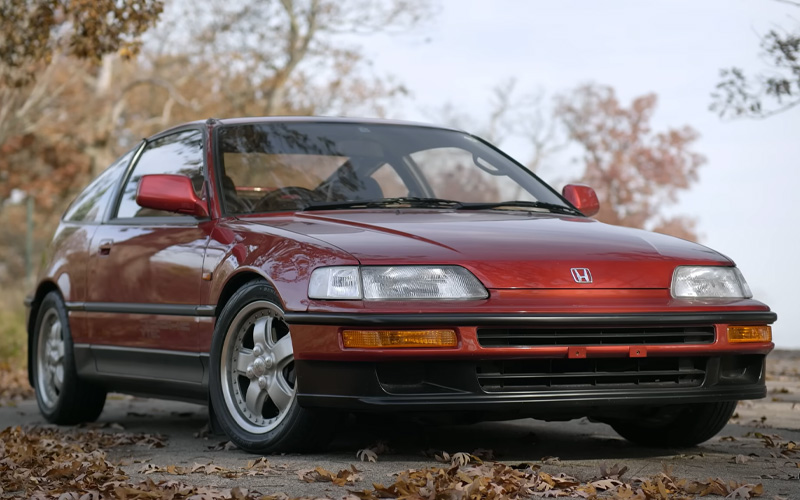
The American JDM fans are well aware of the sporty compact known as the CRX as we received the model over here in the states. What we didn’t get our hands on though was the JDM exclusive CR-X SiR model. This version carried the B16A engine which is a 1.6L DOHC VTEC inline four-cylinder engine that made 158 horsepower. This was the second time ever that a VTEC engine had been put in a production vehicle and it gave the model 50 more horsepower than the Si model that was available for Americans. This potent little unit combined with the CR-X’s low weight made for a sweet ride and a worth addition to this list of the best Honda JDM cars.
Honda Prelude Type S
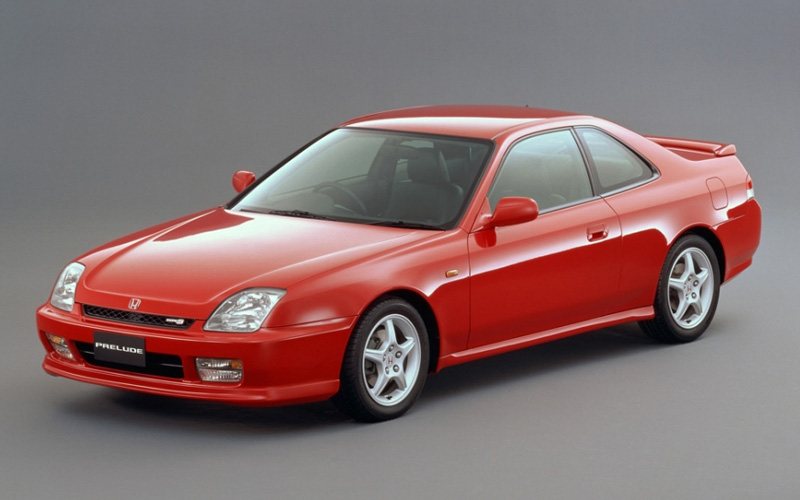
I could simply put the Honda Prelude on its own for this list as it one of the best Honda, but the Type S is the pinnacle of the illustrious fifth generation of the model. Honda commonly uses the Type R badge to show a model’s premier performance example, but the Prelude introduced its Type S variant in 1996. The Type S added Honda’s Active Torque Transfer System (ATTS) to the sport compact that helped optimize the torque vector to combat understeer around corners that typically plagues front-wheel drive cars. This coupled with the H22A 2.2L DOHC VTEC inline four-cylinder engine that generated 220 horsepower created a wonderfully handling JDM sports car.
Honda S2000 Type V
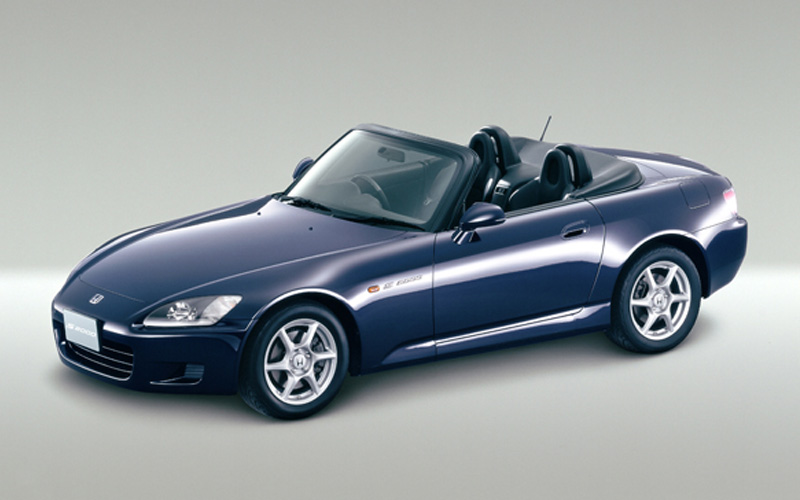
Another Honda model that we loved in the States that had a unique version in Japan was the S2000. The Honda S2000 Type V added the first ever example of a Variable Gear Ratio Steering (VGS) system. The VGS system continuously varied the steering gear ratio in response to the S2000’s speed and steering angle to help aid in the roadster’s maneuverability. The Type V also gained a specially designed chassis, dampers, stabilizer bar, and limited slip differential that were unique to the JDM trim level. This, coupled with the high-revving F20C 2.0L VTEC inline four-cylinder engine, made for an exhilarating driving experience – especially around the winding mountain roads of Japan.
Honda NSX-R
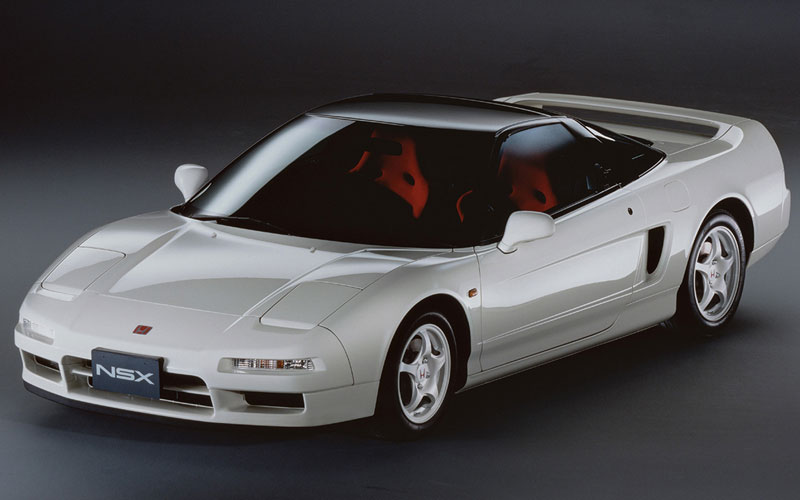
The Honda NSX was a mid-engined supercar that came out in 1990 and helped kick off a performance trim level that’s been immortalized in JDM car culture. The Honda NSX-R variant debuted in 1992 and was built with Honda’s F1 racing heritage in mind. It was developed with input from Formula 1 legend Ayrton Senna to make it excel as a race-oriented offering. Plus, the NSX-R even paid a subtly homage through its white paint that matched Honda’s RA272 race car from their first ever F1 victory. After having cut over 200 pounds, tuned the suspension, increasing the final drive ratio, and adjusting the C30A 3.0L VTEC V6 engine, the NSX-R was transformed into a true track day star. Only 483 examples of the Honda NSX-R were made, and they were all exclusive to Japan.
DC2 Honda Integra Type R
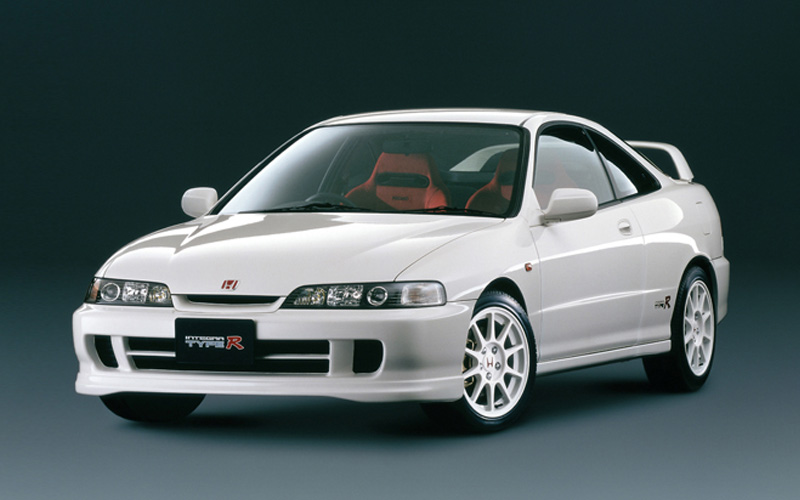
Next in the Type R lineage was the DC2 generation of the Honda Integra Type R, perhaps the best front-wheel drive performance car ever conceived. The NSX-R was a great way to get things started but giving the Type R treatment to the Integra helped make performance ascertainable to the everyman. Honda fine-tuned their B18C 1.8L DOHC VTEC inline four-cylinder engine and hand-built it with polished parts and ported the intake ports. This led to the Honda Integra Type R producing 197 horsepower. They mated that engine to a 5-speed manual transmission and a limited-slip differential. That already helped make this the best performing version of the Integra at the time, but they also strengthened the chassis and reduced the weight to help further its potential. To finish it off, Honda painted it that frost white Type R models are known for.
EK9 Honda Civic Type R
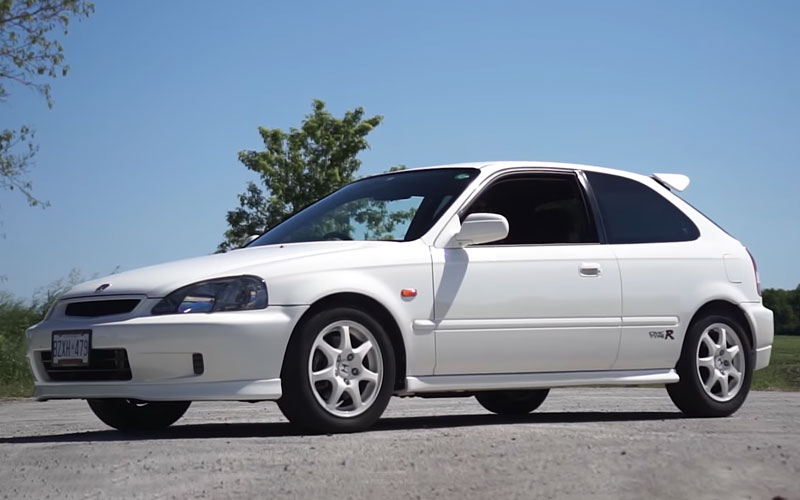
Potentially the most popular Type R ever made was the EK9 generation of the Honda Civic. The hot hatch came on to the scene in 1997 in Japan and has been highly regarded ever since. The front-wheel drive Civic was given a similar treatment as the Integra before it. Weight reduction throughout, tuned B16B 1.6L DOHC VTEC inline four-cylinder that made 182 horsepower, added limited-slip differential, and a more rigid chassis. Honda finished off the Civic Type R with that white paint, some Recaro seats, a Momo wheel, and the iconic badge.