
Latest News
December 2025 New Car Incentives
Hot rods, Harleys, custom paintjobs, tattoos, and rock-n-roll go hand in hand to form an eccentric gearhead lifestyle known as Kustom Kulture.
What is Kustom Kulture?
Kustom Kulture encapsulates a lifestyle of people who are heavily influenced by a culmination of subcultures from the 50s and 60s. You’ve got greaser styles, rock music, post war era tattoos, pop surrealism art techniques, and then there’s the street beasts these Kustom Kulture aficionados show up in. Chopped, lowered, custom fabricated, and loud hot rods or Harleys with pinstriping and vintage influenced paintjobs. These rodded Ford Model As, custom Mercury coupes, and motorcycles that look like they’re straight out of Easy Rider are some of the center pieces to Kustom Kulture. So, where did Kustom Kulture even come from? And why is it spelt like it’s from a Mortal Kombat game?
The Influencers of Kustom Kulture
Kustom Kulture is derived specifically from the hot rod culture of the 50s and the prominent drag racing scene of the 60s. Southern California is specifically credited as being the birthplace of Kustom Kulture. This is where many notable Kustom Kulture figures started their work and molded the lifestyle into what it’s known as today. Here’s a couple well-known names that helped build Kustom Kulture as we know it.
Ed “Big Daddy” Roth
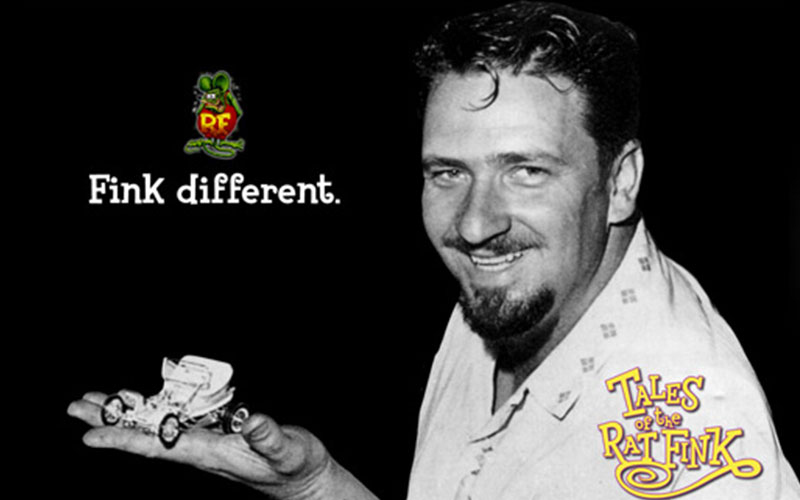
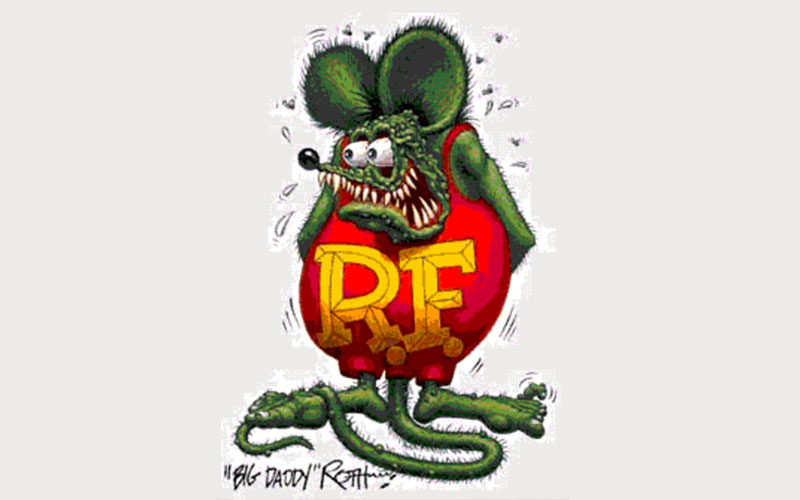
You may not immediately recognize the name Ed “Big Daddy” Roth, but you’ve run into his artwork in some fashion. I’m sure you’ve seen a large monster cartoon burning out it in a hot rod, that’s directly from or inspired by Ed. He’s known for creating the Kustom Kulture symbol known as Rat Fink, an anthropomorphic rat with grotesque features, and Hot Rod Monster art as a whole. Ed didn’t just draw cartoons though. Ed was an avid car builder and brought to life many Kustom Kulture hot rod icons. He’s credited as being one of the largest inspirations for the Kustom Kulture community.
Kenny “Von Dutch” Howard

Kenny Howard wasn’t well known by his real name, but in classic car circles the name “Von Dutch” is widely recognized. Under the pseudonym Von Dutch, he’s known as the originator of modern pinstriping. He grew up with a father who was a sign painter, started out painting in a motorcycle shop, and grew to be known as a Kustom Kulture legend with his handmade pinstriping designs. He’s credited as not only being the originator of pinstriping techniques as we know them, but Von Dutch has also been said to have first wrote custom with a “K” in relation to custom car work back in the day. This is where use of the letter “K” in Kustom Kulture came about, but George Barris felt it was actually his idea.
George Barris

George Barris is known for running Barris Kustom Industries which has created tons of Kustom Kulture vehicles for years and even produced some well-known Hollywood cars. Barris and his team are credited with creating The Munsters’ Koach, The Munsters’ DRAG-U-LA, Batman’s classic live action Batmobile, and even KITT from Knight Rider. Back in the day, Barris had employed Von Dutch to work with him and to paint his company’s sign which is where the Kustom dispute arises. However, George Barris claimed he used the spelling pre-World War II back in high school as the Kustoms Car Club.
The Rides That Make Up Kustom Kulture
Walking the rows of different cars at a Kustom Kulture car meet, you’ll notice a common trend. A lot of the models that showcase vintage paintjobs, chrome ornamentation, and rat rodded body cuts are primarily from the 1930s to 1960s. They’re all also primarily made up of American brands like Ford and Chevrolet, but there is a niche out in Europe that have chopped Fiats and Aston Martins to a Kustom Kulture style. Otherwise, there are a number of common offenders found riding around in rockabilly fashion.
Ford Model A

Whether it’s coupe, roadster, or pickup, the Ford Model A has a spot in Kustom Kulture. It is the ultimate hot rod platform. The Model A rumbles its way on to the road either as a brightly colored, chrome trimmed hot rod or in vintage, heavily patinaed rat rod fashion.
Mercury Eight
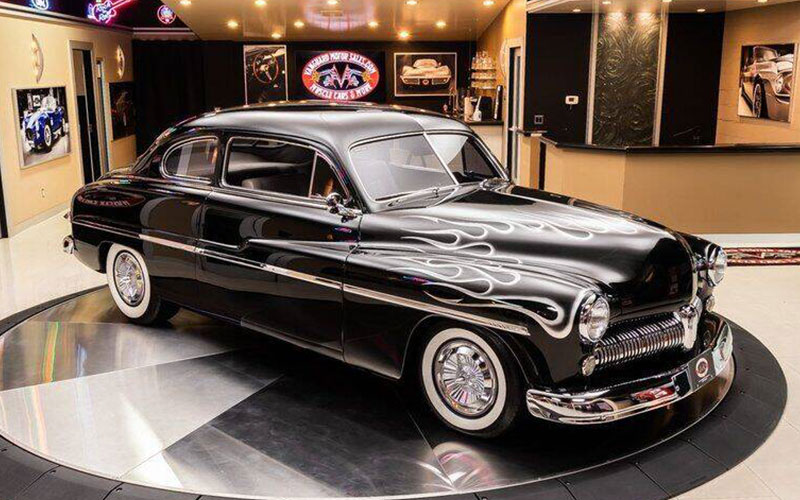
The Mercury Eight came in many forms, but you’ll commonly find the 2-door coupes and convertibles in Kustom Kulture style. With its lone engine offering being the 255 CID flathead V8, it was ready to be stripped down and rodded out. You’ll find the Eight either in a solid color paint job that accentuates its curves or with the classic flame job.
Chevrolet Bel Air
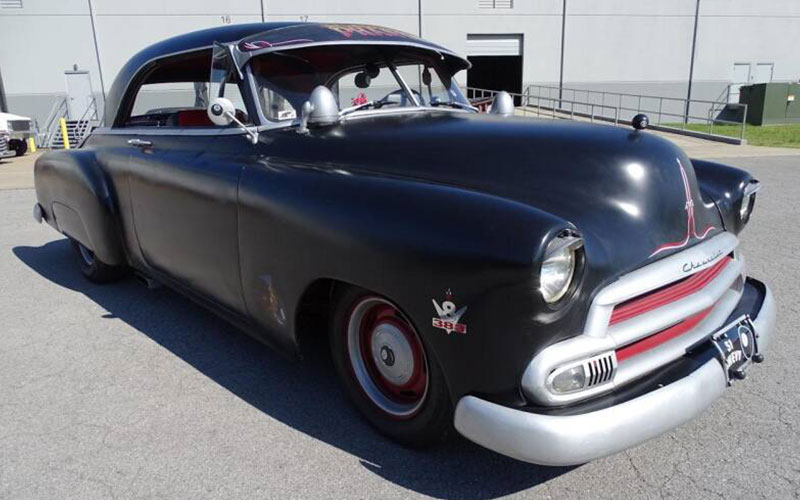
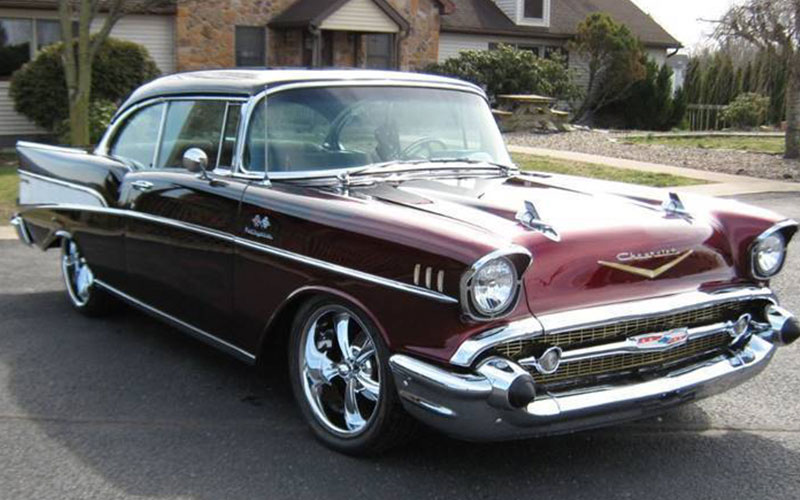
The Chevrolet Bel Air exemplifies the 50s automotive style. You had the early 50s with the long body lines and protruding curves and then there was the boxier late 50s models with the tailfins and two-tone paint jobs. Plus, it shared components with the Corvette and could be found with a small-block V8 under the hood.
Oldsmobile 88
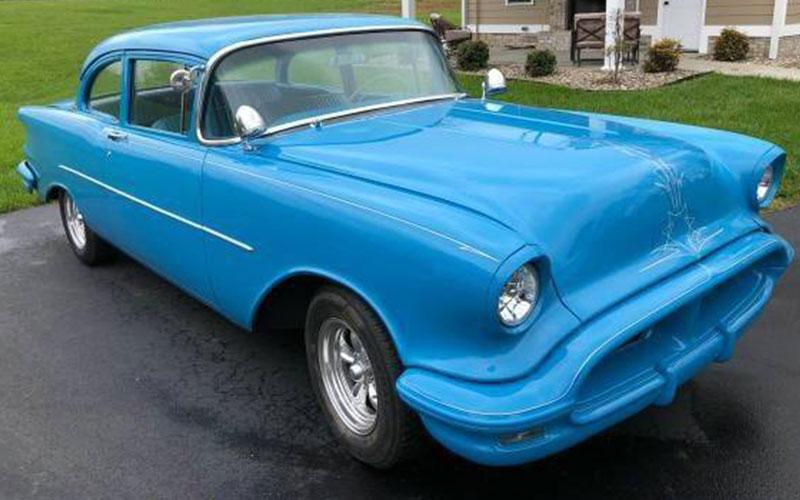
The Oldsmobile 88 went through a few different iterations in the 50s, and all of them were vastly different. The one commonality between them was the Rocket V8 engine inside of them, at least in name. You can read more about the 88 in our Retro Review article.
Chevrolet Advanced Design
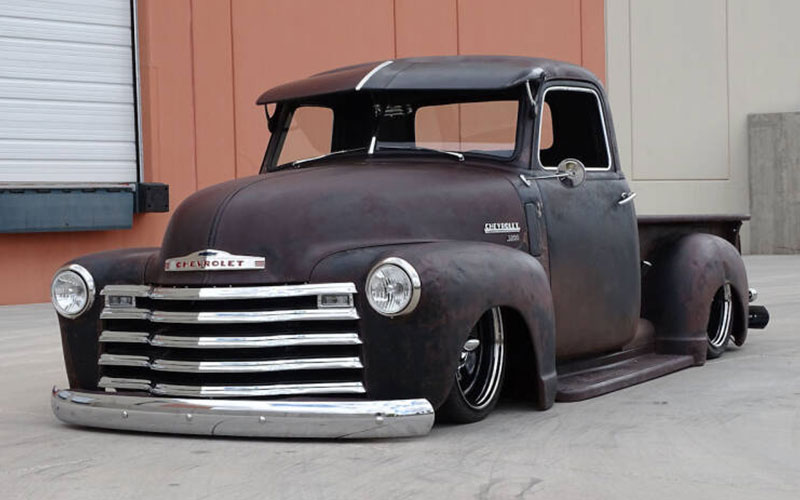
Kustom Kulture uses some notable trucks too. One of the common builds you’ll find is based off the early Chevrolet Advance Design pickup trucks. It’s a classic truck with a nice sized engine bay to drop a small-block V8 into.
Harley-Davidson Motorcycles
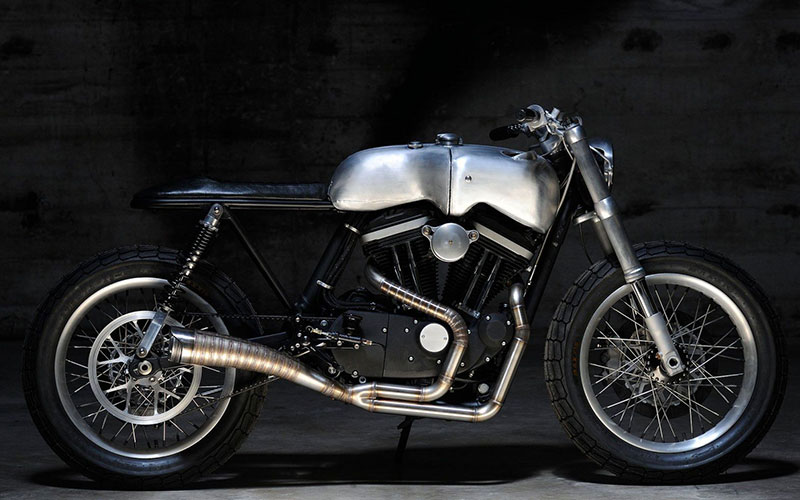
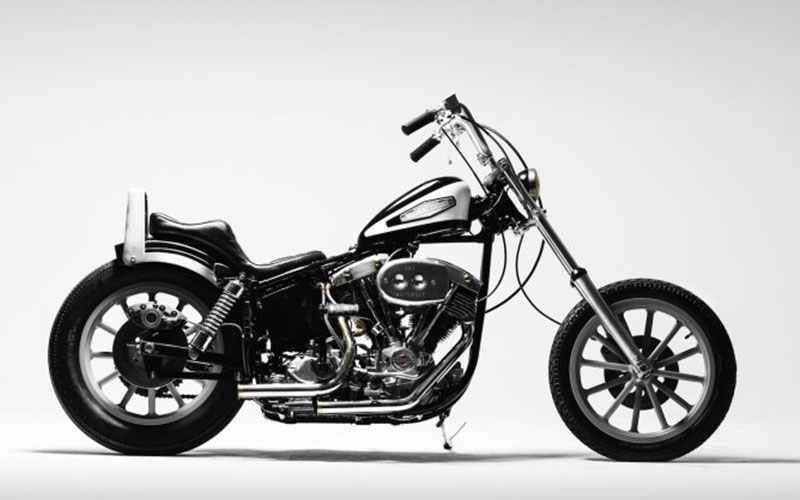
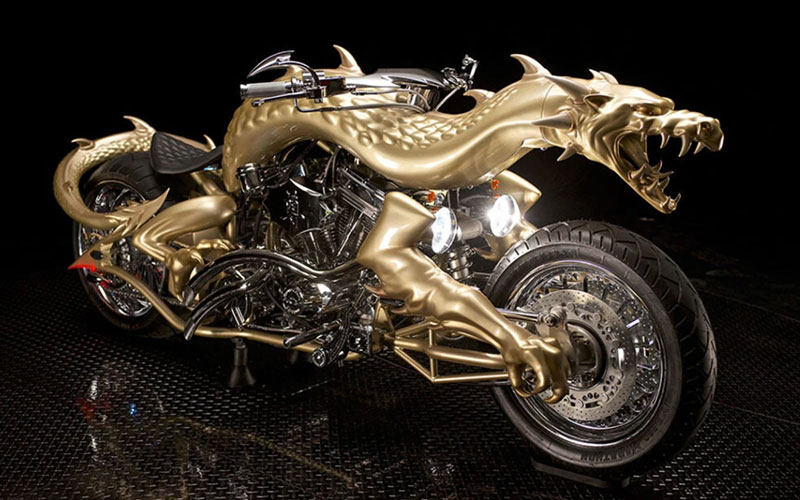
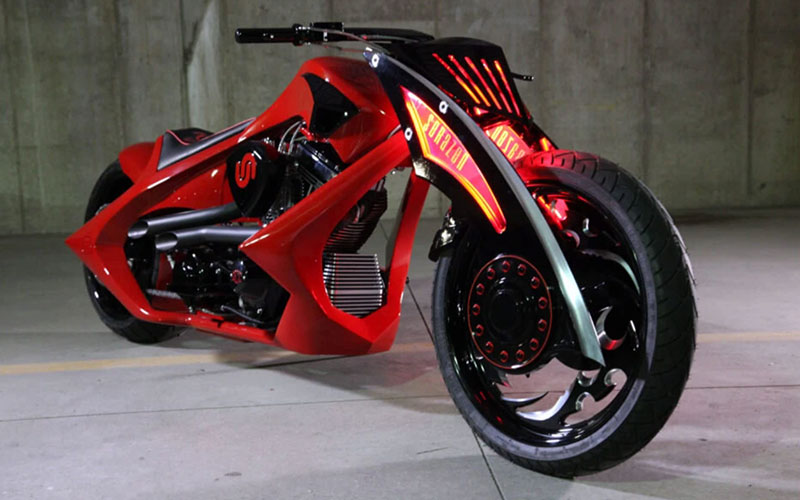
The Kustom Kulture crowd doesn’t just stick to cars, they also make their motorcycles into works of art. Harley-Davidson has a long history of outlandish and overly personalized motorcycles, which has led to the creation of well-known custom bike shops like Orange County Choppers, Revival Cycles, and Clockwork Motorcycles.
Kustom Kulture Isn’t Leaving Any Time Soon
It’s a car culture that has been here since the 50s, and it’ll continue to exist well into the future. Sure, the cars that are the building blocks of Kustom Kulture are old, but they have so much character and are built with so much care that they’ll last far longer than they should have. The paintjobs, styles, and characteristics of Kustom Kulture have influenced much of the automotive customization world and can be seen in other car cultures like low riders and tuners. We’ll experience the influences of Roth, Howard, and Barris for as long as we can personalize our cars.