Latest News
2026 Ford Maverick ReviewWhen NASCAR Used Production Cars

Wondering why we don’t see actual stock cars racing in NASCAR anymore? Learn all about the early days and how we’ve gotten to modern NASCAR.
Why Doesn’t NASCAR Use Everyday Cars?
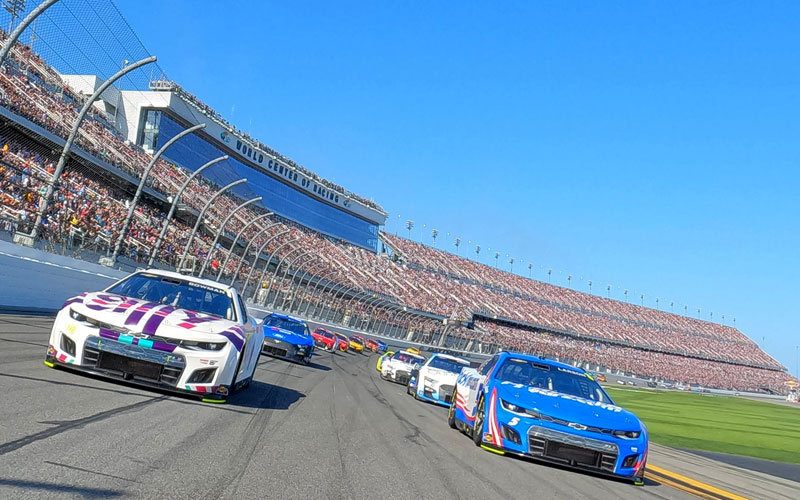
The NASCAR Next Gen car takes on three different appearances at today’s races. The front and rear bumpers are switched out to give these race cars similar facias to the Ford Mustang, Chevrolet Camaro, and Toyota Camry. Aside from those minor visual differences, the Next Gen cars all adhere to the same strict guidelines and are all essentially the same car racing around the track. While this makes NASCAR racing more about teamwork and driver skill, there was a point in this motorsport’s history where what car you drove decided if you were winning or not.
Back in the early days of NASCAR you could take the same car you drove to the track right into the race. So, what gives? When did we move on from actual stock cars to these modern “stock cars”? We’re looking back at the first generation of NASCAR stock cars and seeing how these racers have changed over the years into what we know today.
The NASCAR Strictly Stock Division
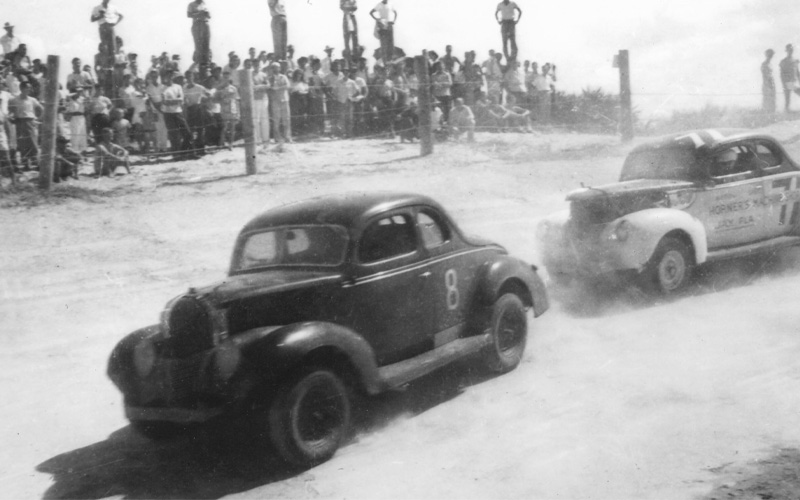
Bill France Sr., founder and driving force behind NASCAR, knew there was a need for use of newer cars so that fans could feel a better connection to the races by seeing their own car take the checkered flag. The problem, however, was that new cars were hard to come by in the post-war era that NASCAR started in. American auto manufacturers were still converting their factories back from wartime use thus limiting available supply. France and the rest of the NASCAR sanctioning body were aware of this issue, so it was mandated that racers could only use cars manufactured before World War II for the 1948 season. This was later known as the NASCAR Modified Division.
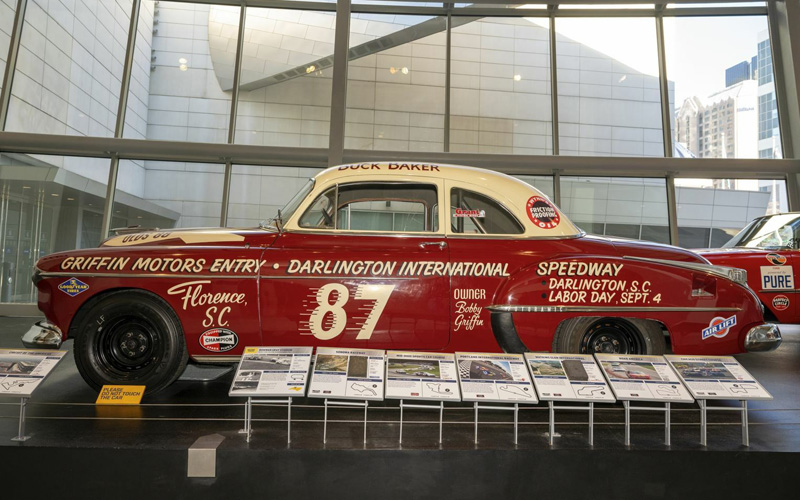
In 1949, NASCAR introduced new guidelines for another division that allowed drivers to utilize American passenger cars produced from 1946 to the current year. Other rules mandated that the cars remain virtually entirely stock with the exception of 31 items listed by NASCAR that could be modified or were otherwise unenforced changes. The only real difference between these NASCAR stock cars and their road going variants were that the headlights were removed or covered, doors were strapped shut, mufflers were removed, and that seatbelts were mandatory equipment. This was the beginning of the NASCAR Strictly Stock Division.
The inaugural NASCAR Strictly Stock Division race took place at Charlotte Speedway in 1949 and was comprised of 33 cars from nine different American automakers – Buick, Cadillac, Chrysler, Hudson, Ford, Kaiser, Lincoln, Mercury, and Oldsmobile. Over the season, other manufacturers like Chevrolet, Studebaker, Plymouth, and even Nash joined the fray. NASCAR Hall of Famer Red Byron took home the championship in his 1949 Oldsmobile 88. Five other NASCAR Hall of Fame inductees were racing alongside him that season including Lee Petty in a Plymouth Deluxe along with Buck Baker, Tim Flock, Curtis Turner, and Herb Thomas (the inspiration behind Doc Hudson) all racing in Oldsmobile 88s.
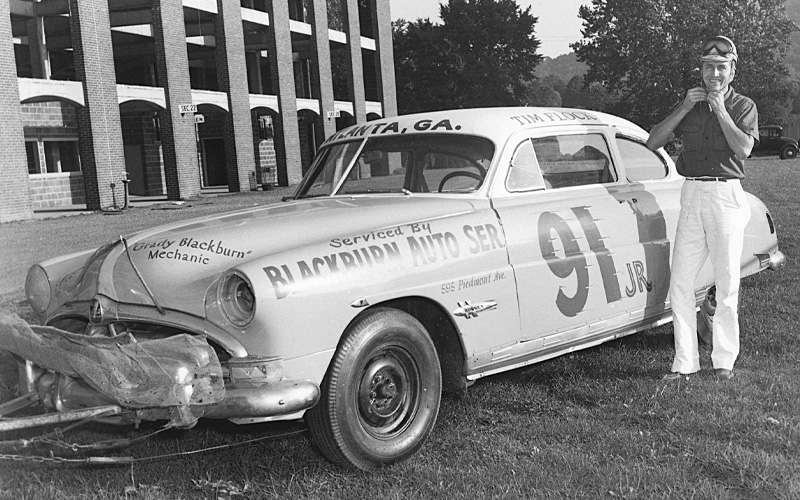
The NASCAR Strictly Stock Division would be renamed Grand National Series the following year, but the division would continue with the same rule package that included the newest available American passenger cars up until 1966. 1967 introduced the Generation 2 NASCAR race cars and acts as the turning point where these cars no longer remained truly stock.
When Stock Cars Became “Stock Cars”
NASCAR updated its rules for the 1967 Grand National season regarding the approved cars and modifications. This next generation added extensive updates to mandatory safety equipment. While the bodies all remained stock visually, they now carried a modified tube chassis underneath the body work that included full roll cages. This made repairs easier and made the cars safer in the event of a crash. The doors were also sealed shut leaving the drivers to enter and exit through the side window.
While these Generation 2 NASCAR stock cars weren’t the exact same cars out on the road, the use of stock bodies made sure they still looked the part. To retain this stock look out in the racing field, NASCAR mandated that any car used in a race must have a minimum of 500 cars sold to the public. This allowed manufacturers to get their hands into the aerodynamics side of NASCAR and produce homologation specials so that their brand would be on the podium.
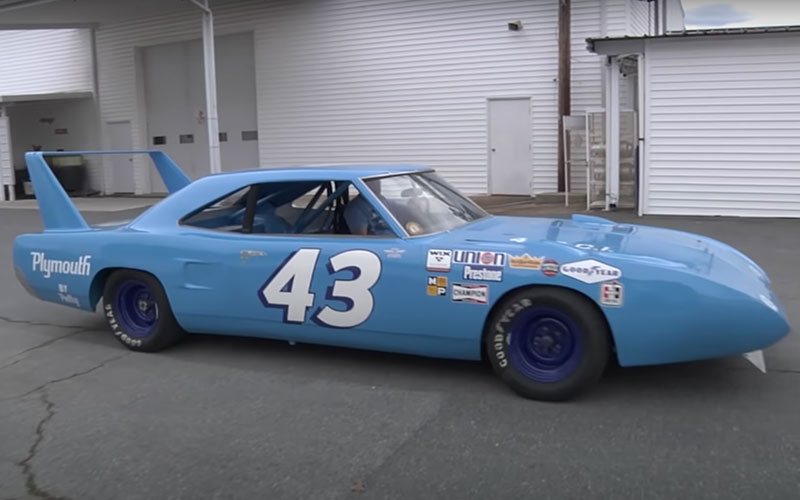
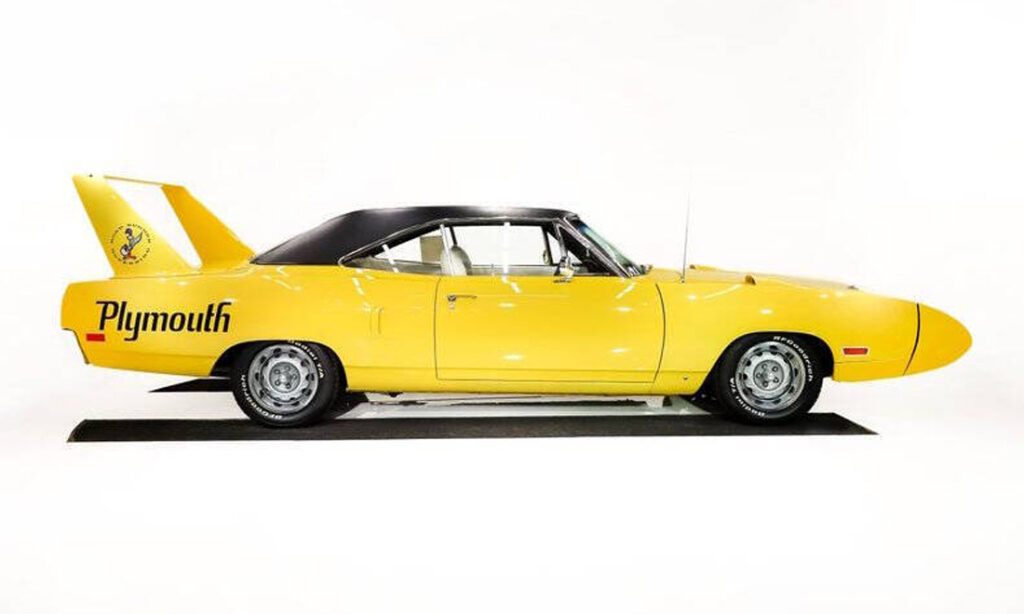
These homologation specials led to the creation of the “Aero Wars” of 1969 and 1970. These were long, aerodynamically shaped cars that featured large rear spoilers. There was the Ford Torino Talladega, Mercury Cyclone Spoiler II, Dodge Charger Daytona, and Plymouth Superbird all dominating NASCAR tracks at this time. These aerocars didn’t represent what NASCAR wanted for their racing fields, so in 1971 they revised the rules against them. If you wanted to run one of these aerocars going forward, its engine displacement couldn’t exceed 305 cubic inches of displacement, or they had to tack on more weight than the rest of the non-aerocar racing field. The worse power-to-weight ratio far outweighed aerodynamics, so nearly all NASCAR teams resorted to more traditional bodies that season.
Less Stock but Safer NASCAR Racing
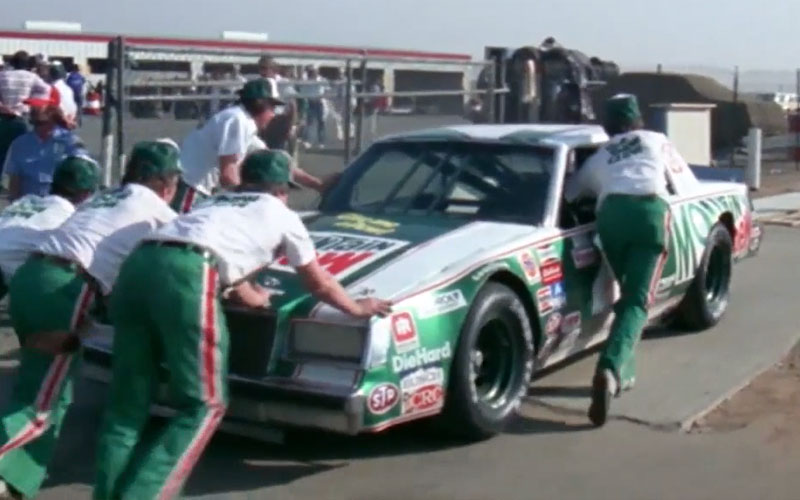
As the auto market trended towards smaller cars, so did NASCAR. In 1981, Generation 3 cars came about. These stock cars featured wheelbases of 110 inches while still utilizing body panels from auto manufacturers over a tube chassis. This generation also introduced restrictor plates at superspeedways after Bill Elliott achieved a top speed of 212 mph at Talladega and went airborne towards the infield.
Then Generation 4 was introduced in 1992 and truly removed any “stock” that was left in NASCAR. It was still a steel body over a tube chassis, but the bodies were crafted by teams rather than taken from an auto manufacturer. These unique bodies were highly engineered to squeeze out the best aerodynamic performance and typically carried an asymmetrical shape like late model dirt racer cars. The only thing that resembled a production car on these stock cars were the fiberglass bumpers that would look visually similar to cars like the Chevrolet Monte Carlo or Ford Taurus. Roof flaps were first added to this generation of cars to prevent them from gaining lift when they got sideways or spun around.
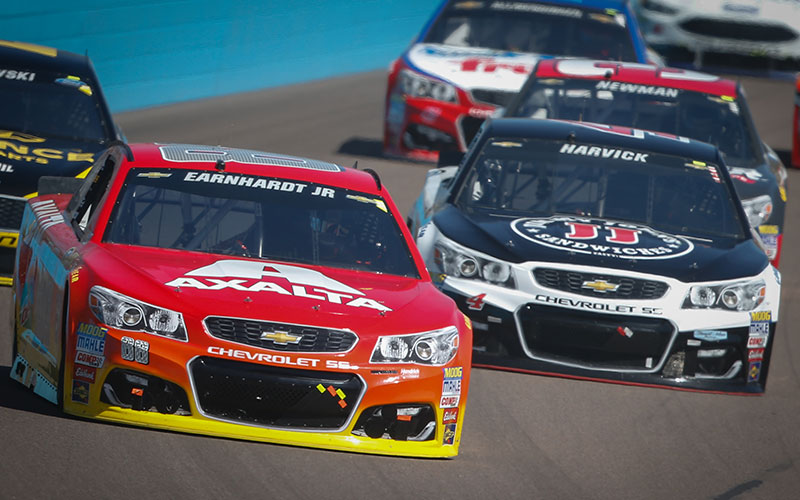
In 2007, NASCAR brought the Car of Tomorrow to the Cup Series. This car underwent extensive research and design focused around making racing safer for the driver. The bodies became slightly larger, boxy, more generic between all teams, and cheaper to repair. The package also added additional adjustable aero in the form of a front splitter and rear spoiler. Gen 6 advanced on that design in 2013, although it was aimed at bringing the NASCAR stock cars back towards production car looks while still providing advanced safety and aero.

Then we come to the NASCAR Next Gen cars of today. Introduced for the 2022 season, these new cars derived themselves from the prior generation while adding improvements to the different aero packages, an independent rear suspension, new center-locking lug wheels, and chassis improvements. These Next Gen cars also aided in cheapening costs for their parts in an attempt to entice more manufacturers to join the motorsport. While this car has encountered some backlash from fans and drivers, it’s beginning to shape up as teams get used to the modern stock car design.
Hopefully we’ll see some auto manufacturers like Buick or Dodge return to the NASCAR scene in coming years, but for now we’ll just have to remember those classic stock cars as they were back in the day speeding around the tracks.