Latest News
Hands on With Hyundai’s Flagship Electric SUVVolvo: Safety Beyond the Star Ratings
Volvo is known for its safety tech, and we traveled to the Volvo Safety Center in Sweden to see how they evolve safety equipment to go beyond the standard.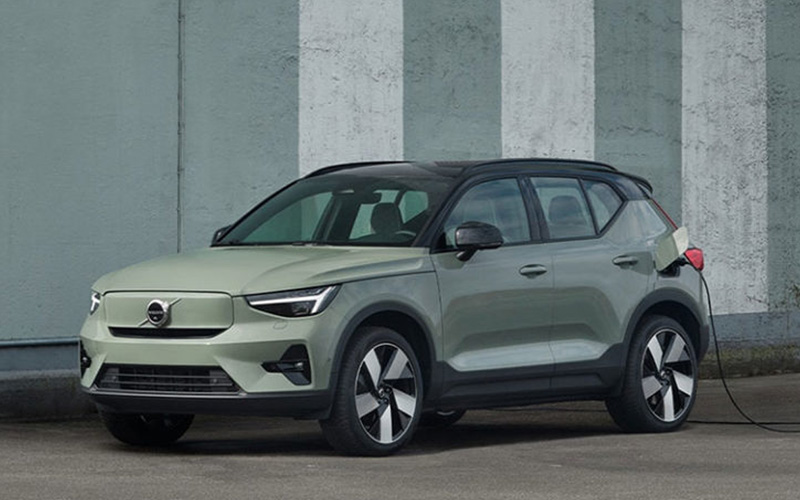
Volvo’s Legacy of Safety Continues On
Volvo has a reputation for building safe cars, dating back to at least 1959 when Nils Bohlin invented the 3-point safety belt. Today, that seemingly mundane aspect of modern cars is easy to overlook. But considering the design is credited with saving more than one million lives since then, this automotive safety system is one of the most critical.
Over the past 66 years, Volvo has consistently innovated on safety, including with the side impact airbag and pedestrian detection technology with full automatic braking. That safety focus continues today, as evidenced by a recent presentation Volvo gave at its safety center in Sweden. Three core principles stood out from this event, and all of them reflected the deep-seated passion Volvo has for building safe cars.
Advanced Automotive Safety
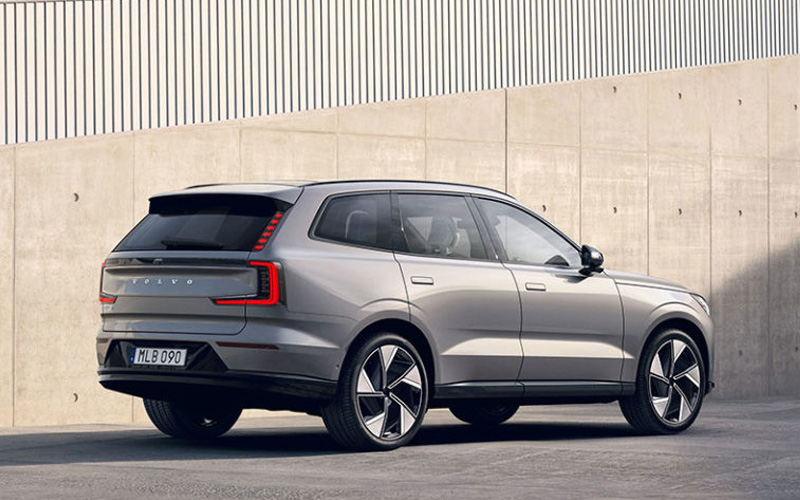
Volvo’s safety center has been crash-testing cars for 25 years. Loaded with cutting-edge technology, it allows the automaker to create virtually any accident scenario imaginable. Along with running a live crash test of the all-electric EX90 to display the latest safety innovations, Volvo made its safety engineers available for discussion. Covering a wide range of disciplines, something that jumped out during these conversations was a passion for safety. Many of these employees had been with Volvo for 30 years or more, and every one of them made it clear that building safe cars was more than just a job.
Of particular interest was how the company incorporates human behavior into its advanced safety technology. As anyone who has driven a modern car knows, there are plenty of onboard systems working to keep you safe. From collision warning and automated braking to blind-spot monitoring and cross-traffic alerts, the technology can be overwhelming. Which is why it’s not uncommon for drivers to tune out these systems entirely.
To address this, Volvo has folks like Dr. Mikael Ljung Aust, a human behavior scientist, on hand to help translate research findings into real-world car safety. For example, a study he performed to determine what people are looking at while driving found that in a given 60-minute span, at least 12 minutes are spent looking at something besides the road. As a result, Volvo has adjusted how its safety systems operate and the design of its digital screen interfaces, all in the name of creating a safer car.
Accident Research Department
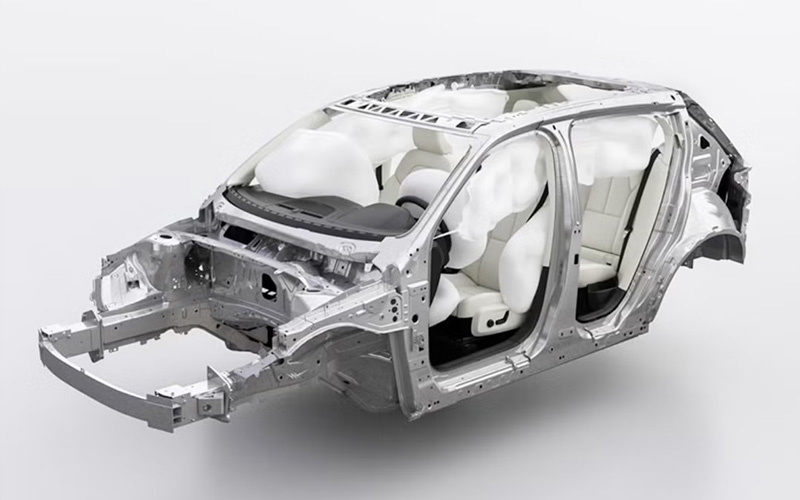
Another way Volvo works to build safer cars is by investigating accidents involving its vehicles and applying the findings to future development. Specifically, Volvo has built a database of more than 70,000 accidents over the past 50 years. That level of dedication to automotive safety is unusual, if not entirely unique, within the automotive industry.
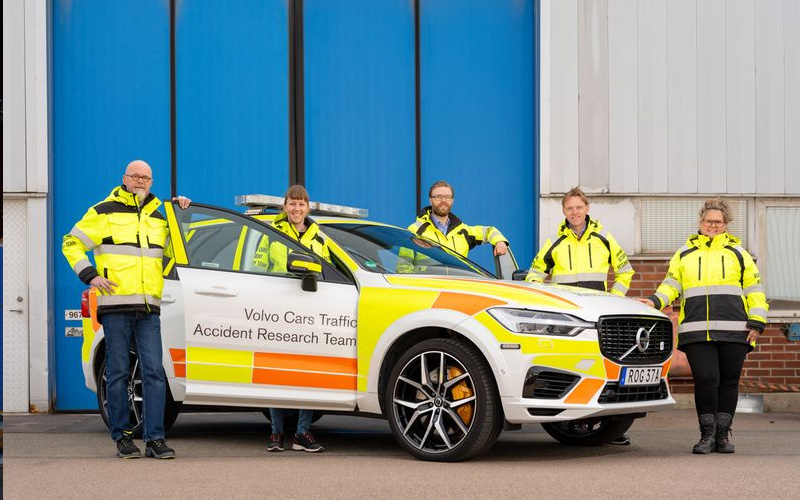
To do this, the company has a team that performs on-site investigations of crashes, along with longer-term studies of the vehicle involved. After laying eyes on examples of Volvos involved in crashes and hearing stories from those drivers regarding their full recoveries, it’s easier to understand where that reputation for safety comes from.
Reinventing The Seatbelt
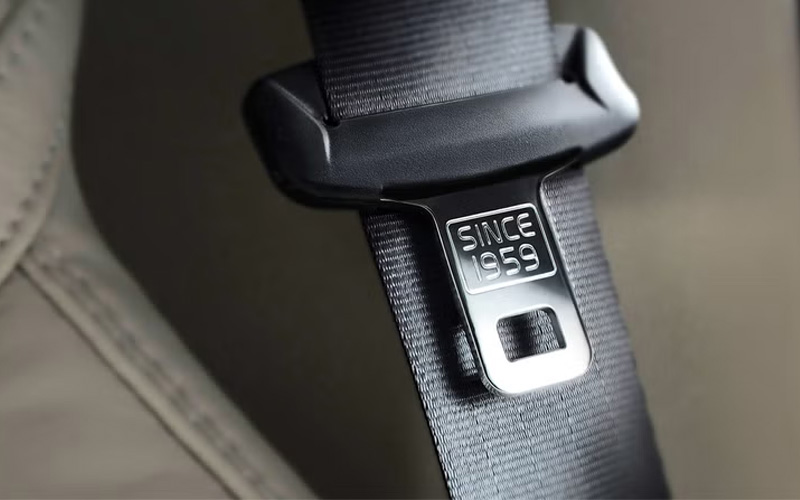
Which brings us to the next evolution of Volvo safety, the multi-adaptive seatbelt. After inventing the 3-point belt over 60 years ago, Volvo is ushering in its latest innovation with the upcoming EX60 all-electric crossover. Visually, this new seatbelt looks familiar as it uses the same webbing and the mechanism for clipping it into the buckle is only 7 millimeters wider than a standard belt. However, this new seatbelt is far more advanced in what are known as load-limiting profiles.
Typical seatbelts have 3 of these profiles, which manage the force applied to occupants during an accident. This new multi-adaptive belt allows 11 profiles, meaning it can customize the protection level based on who is in the seat. For example, a pregnant woman in a low-speed accident should receive a different level of protection than, say, a 250-pound man involved in a high-speed crash.
To accomplish this, the system captures data from interior and exterior sensors and feeds it to the multi-adaptive seatbelt to provide a more nuanced level of protection based on factors like speed, passenger posture, and accident direction. As well, Volvo’s ongoing safety research and data collection can be used to modify these seatbelts via over-the-air updates, making them safer over time.
Safety Beyond the Stars
Volvo titled its presentation, “Safety Beyond the Stars”, meaning it looks to go beyond the star ratings provided by safety agencies like the NHTSA. An example of this was one of the Volvos from the accident investigation lab that had been in a head-on collision. That crash created 4 times the amount of energy normally required to meet industry crash-test safety standards, and the driver made a full recovery. Factor in the dedicated engineers working behind the scenes with ongoing data collection and groundbreaking innovations like the multi-adaptive seatbelt, and you can clearly see where Volvo’s reputation for building safe cars comes from.