
Latest News
Famous Cars: Patton’s Willys JeepEVs Struggle as Hybrids Soar
The road to electrification is proving a bumpy one as car buyers, dealers, and manufacturers voice skepticism.Electric Ambitions
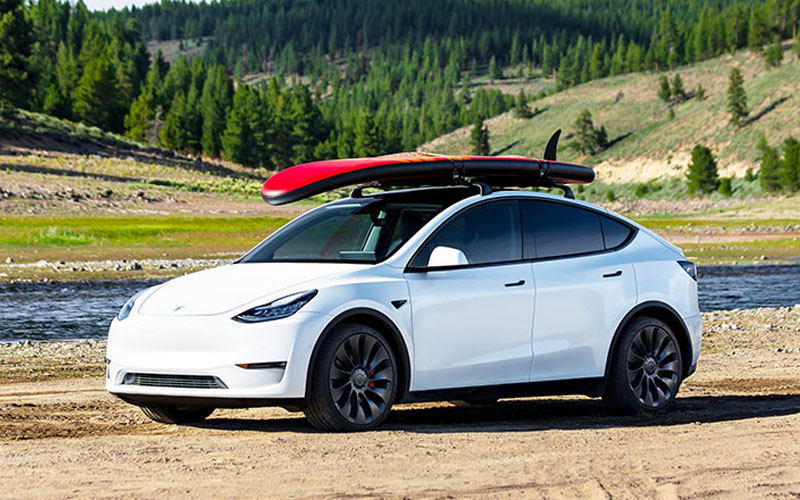
America loves ambition. It’s been the wellspring of our economic and cultural achievements for centuries now. Where things get interesting, and by interesting, I mean difficult, is where that ambition butts up against reality. The most interesting automotive story of the moment is the shift toward greater electrification. The careful couching of that last phrase should give you a sense of the challenges reality poses to the ambitious plans of regulators and car companies in transforming the American fleet from one powered by internal combustion to one powered by electrification.
Just last year, carmakers were proclaiming their intention to pour billions of dollars into electric vehicles (EVs), with each carmaker’s pledge seemingly intended to outdo the last. At the same time, legislators, regulators, and the White House were setting ambitious targets for a transition away from gas-powered cars and toward EVs. At the time, the market for those EVs appeared red hot as carmakers, emerging from years of supply chain restraints, struggled to meet demand and proclaimed their intentions to aggressively ramp up production.
What a difference a year makes…. This year, ambitions for an EV boom have met with a messy reality that may force the public, regulators, and carmakers to temper their expectations.
EV Demand Diminishing?
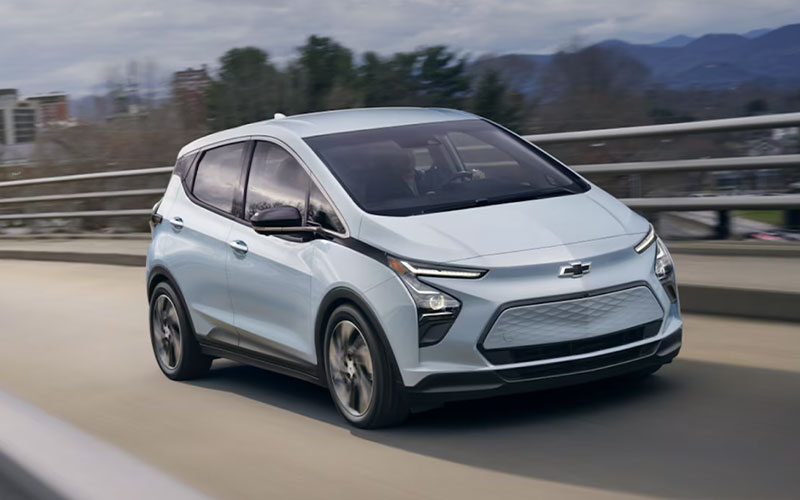
A slew of headlines over the last six months demonstrates carmakers’ less sanguine appraisal of the near-term EV market. Last year GM CEO Mary Barra said the company was aiming to go fully electric by 2035, but the company recently paused production of their Bolt EV and Bolt EUV along with delays for other EVs. Meanwhile, Honda canceled its joint EV venture with GM, and Ford too said it was shelving $12 billion dollars of investments into EVs indefinitely at the same time over 400 Ford dealers stepped away from the company’s Model e, EV readiness program.
To make all this more challenging for traditional car companies, Tesla kicked off an EV price war, slashing prices up to 25% on their most popular models to the consternation of competitors and many owners who are forced to eat both greater market depreciation and feel they’ve overpaid.
All this is in response to a rapidly shifting automotive market. With supplies recovering and interest rates climbing, EVs are sitting on lots longer than in the recent past. Public enthusiasm is also coming back to earth as the number of car shoppers considering an EV is down from 86% in 2021 to 67% in 2023.
Public Skepticism

Early adopters have made the jump and now carmakers and dealers are facing the headwinds of convincing all those remaining shoppers that EVs are a viable option. Dealers have sounded the alarm on the expectations being set by regulators. Recently, a letter addressed to the White House and signed by 4,000 dealers across the country outlined the challenges of rapid EV adoption. These dealers cite high price premiums for EVs, public skepticism regarding EV range, and a lack of charging infrastructure as major hurdles to aggressive electrification targets.
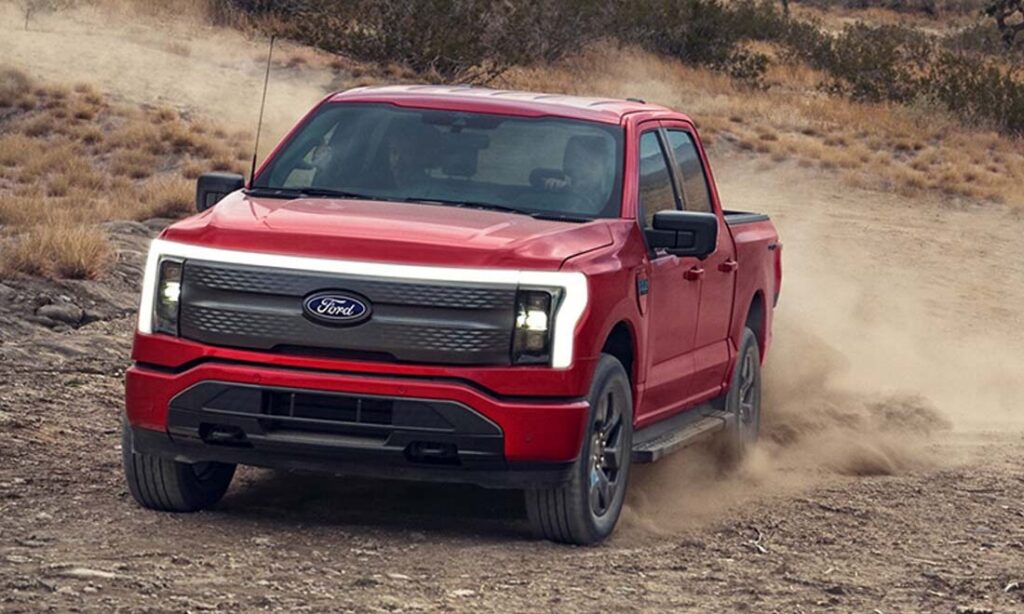
EV prices, which tend to be higher than average, are another big sticking point. Carmakers have struggled to keep prices down. Ford pitched the Ford Lightning electric pickup with a target price of $40,000 but delivered to market a $60,000 truck. Prices for the Lightning are down to around $50,000, still significantly higher than the original target price. GM is having similar problems as the Equinox electric SUV was planned to start at around $30,000 while its Launch Edition was $48,000.
The average price of a new vehicle is currently around $48,000, while the average for an EV is closer to $53,000, down from approximately $60,000 a year ago with nearly all of that drop attributable to Tesla’s price cutting.
A lack of charging infrastructure in much of the country is another factor. While chargers are plentiful on much of the coasts, in flyover country chargers can be far, few between, and in the case of non-Tesla Superchargers, even inoperable. Billions in investments from Build Back Better and the IRA (Inflation Reduction Act) may help break the chicken versus egg circularity of charging supply and demand, but that spending will take time to bear fruit. And though EV ranges continue to ratchet upwards, they still lag their gas-powered counterparts.
Hybrids Spike in Popularity
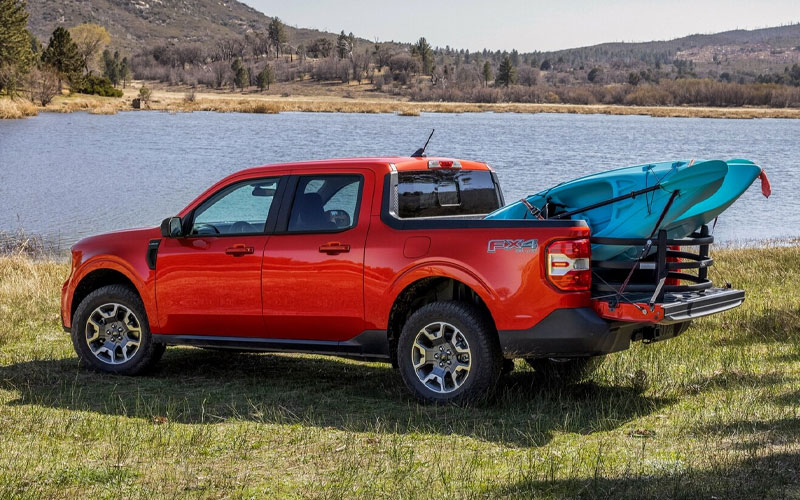
Just as momentum for rapid EV adoption seems to be hitting the skids, enthusiasm for hybrids is stronger than ever. In fact, seven of the top ten fastest selling models (those cars whose supply sits on dealers’ lots the shortest) are hybrids. These include the Toyota Grand Highlander hybrid, Camry hybrid, Lexus RX 350h and NX 350h, the Ford Maverick and Escape hybrid, and the Kia Sportage hybrid. In a bellwether moment, Motortrend awarded their Car of the Year to the 2024 Toyota Prius. It appears car shoppers are finally taking hybrids for the bridge technology they’ve long been, opting for greater efficiency and lower emissions without the (current) hassles and limitations of EV ownership.
EV’s Still on the Rise
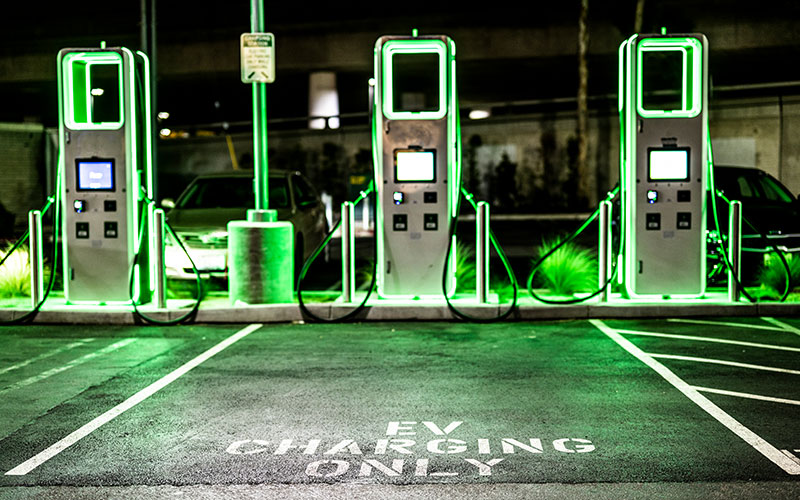
Despite all this, EV adoption continues to rise, if not at the same clip as a year ago. EV’s percentage of the market rose from six percent at the beginning of the year to nine percent by September. More carmakers are also switching to Tesla’s charging standard, aka the North American Charging Standard or NACS, including traditional automakers like BMW, Ford, GM, and Hyundai/Kia, as well as fellow EV-only carmakers like Fisker, Lucid, and Rivian.
Even as GM and Ford are scaling back the rate of transition, other carmakers like Hyundai/Kia are full steam ahead on EVs. Hyundai/Kia is now the number two in the US for EV sales at 7.5 percent of the market. Tesla remains by far the dominant player at around 50 percent, their share of market has been steadily eroding as more traditional carmakers enter the EV game. For its part, Hyundai/Kia remain fully committed to being a major player in EVs as they forge ahead on their Savannah, GA EV plant, slated to enter production in late 2024.
The EV optimism of the last few years has been reined in by the practical realities of making such a seismic shift in our transportation fleet. But as battery tech improves and charging infrastructure gets built out, we’re likely to see EVs become more viable and therefore more popular as time goes on. That the rate of change won’t be as rapid as some have hoped shouldn’t surprise or discourage because it’s that synthesis between high ambition and harsh reality where real progress is made.