
Latest News
2026 Ford Maverick Review
A new National EV Charging Network has just been approved by the government to make long distance travel easier for electric vehicles.
The New National EV Charging Network
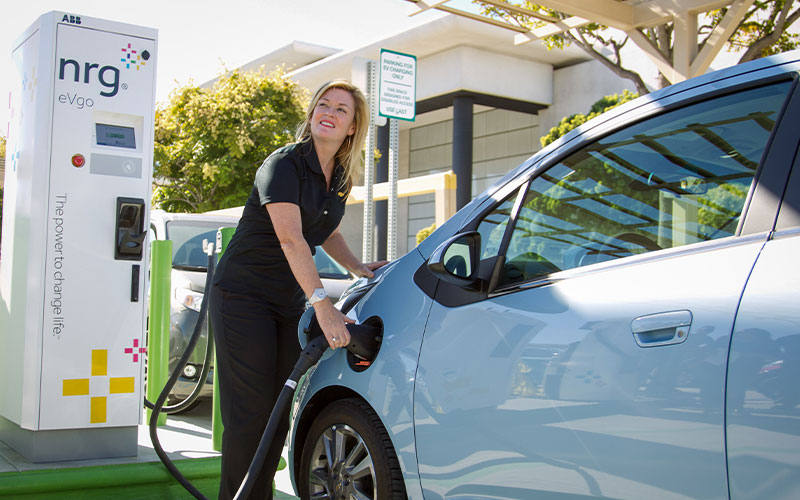
There’s no question that the electric vehicle revolution is already well underway. Automakers all across the globe are beginning to make the transition with new all-electric models arriving all the time. Many brands including big ones like General Motors have committed to going all-electric in the near future. In addition, demand for these vehicles is skyrocketing as consumers understand how nice it is to own a vehicle that can be charged at home instead of at the gas pump and one that requires very little maintenance compared to a vehicle with an internal combustion engine. Still, there are many concerns to overcome, including the need for a national charging network.
The Problem & The Proposed Solution
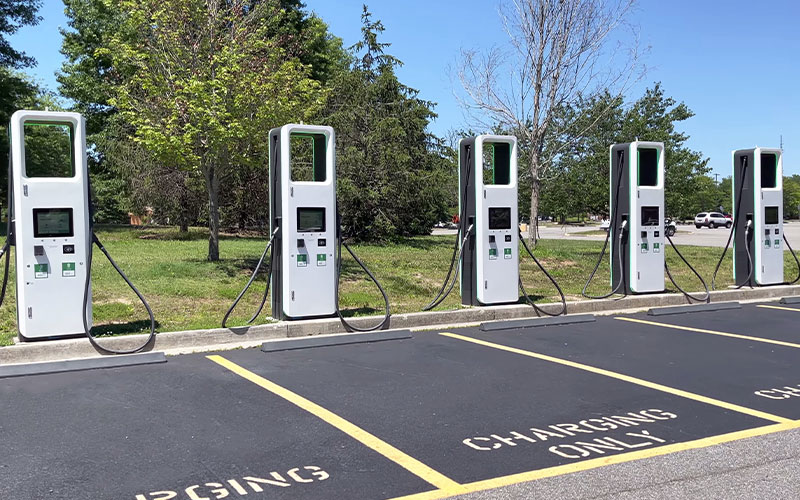
One major hurdle that has slowed the electric vehicle’s advance is a lack of national infrastructure to support road trips. Some EV owners need to charge in the middle of the day while they’re away from home or their workplace. To solve that problem, the Biden Administration has just passed a new infrastructure bill. It aims to provide nearly $5 billion over the next five years to help states create a complete network of EV charging stations.
To access the funds, each state will be required to submit an EV Infrastructure Development Plan to the new Joint Office of Energy and Transportation. In it, the state needs to describe exactly how the public funds will be utilized. Once approved, each state will receive a specific amount that has been approved for it. No state will receive less than $2.5 million for the 2022 fiscal year. The District of Columbia gets slightly less at $2,468,807 and even Puerto Rico has the opportunity to benefit with an allocation of $2,020,490.
Important Implications Of The Bill
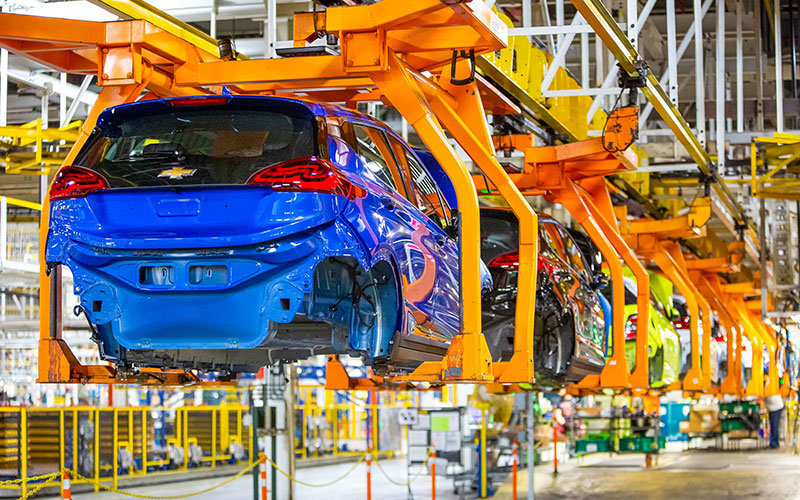
The program should do far more than simply add charging stations to the nation’s highway network. In the process thousands of jobs will be created and electric vehicle technology should speed up. $10 million will be used specifically for research and development into lowering the cost of electric vehicle supply equipment for DC fast charging.
Double that amount will be used to “acceleration the adoption of commercially-available plug-in electric vehicles (PEVs) and supporting infrastructure through community-based public-private partnerships that demonstrate PEV technologies (for cars, buses, school buses, trucks) and infrastructure in various innovative applications and share resulting data, lessons learned and best practices with a broader audience,” says the White House.
Significant Concerns
One concern is that the states only have until August to submit their plans for the network. While about half of the states already have a plan in development or in place, the other half is starting from scratch. In addition, it’ll be vital that the states work together to make the most of the network.
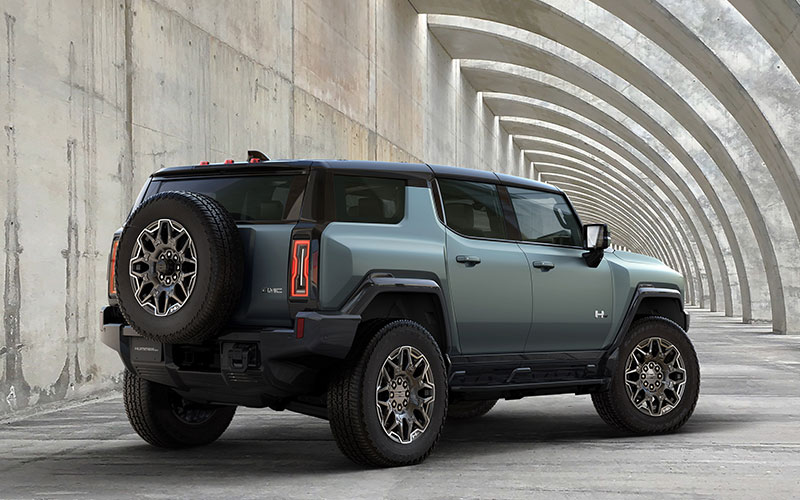
Charging stations might need to be huge to accommodate multiple users at once. While many EVs in the past were fairly small, modern ones like the new Hummer are large, and they’ll need the space to get in and get out easily. Unlike gasoline and diesel-powered vehicles, EVs take 20 minutes or more to top up. Imagine if it took ICE vehicles that long and you can easily picture the lines at the fuel station. Now consider what those charging lines could look like on a busy travel holiday weekend in America.
Conclusion
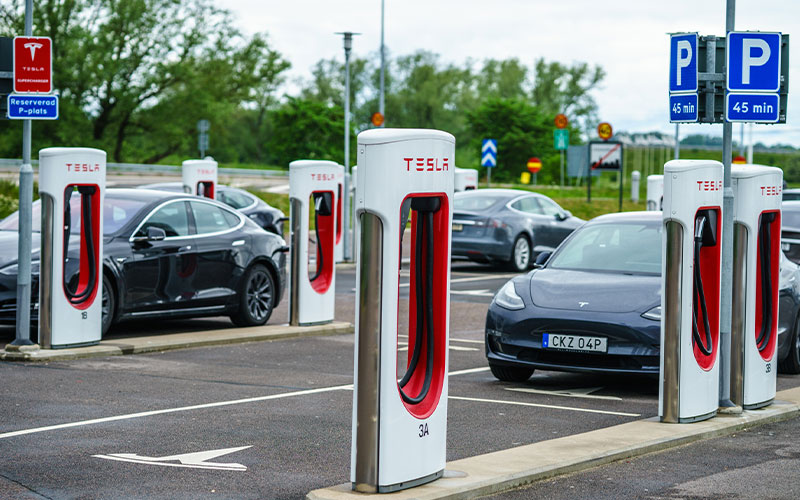
“A century ago, America ushered in the modern automotive era; now America must lead the electric vehicle revolution,” said U.S. Transportation Secretary Pete Buttigieg. Just like back then, this new network won’t go up without some hassles, speed bumps, and hurdles to overcome. Tesla has proven that a reasonably reliable, fast, and effective charging network can exist across the country. Now it’s time to see how well the government can do the same thing for the rest of electric vehicle owners.