
Latest News
2026 Ford Maverick Review10 Things New Drivers Need to Know About Cars
We run down 10 routine maintenance issues new drivers need to know to keep their cars in good running order.Knowing Your Way Around a Car
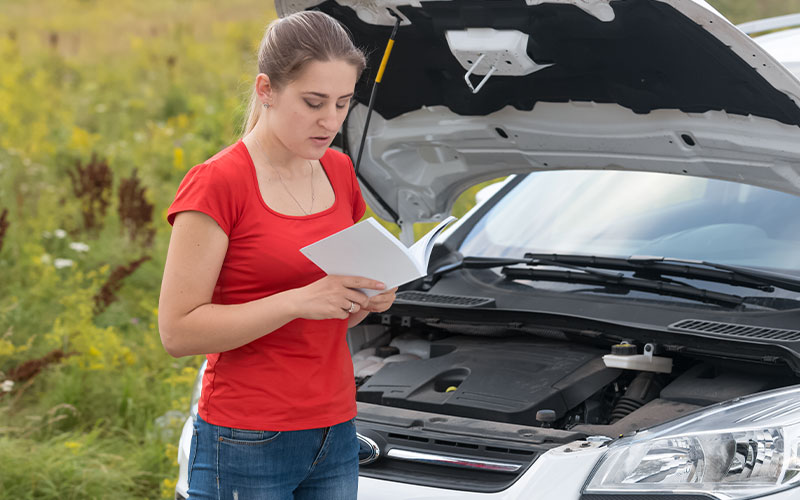
Learning about everyday maintenance issues and how to address them can make the process of learning to drive less stressful and help avoid common maintenance mistakes in the years to come. Not only does regular maintenance save you money in the long run, but it will also often save you from getting stranded on the roadside.
Check Your Tires
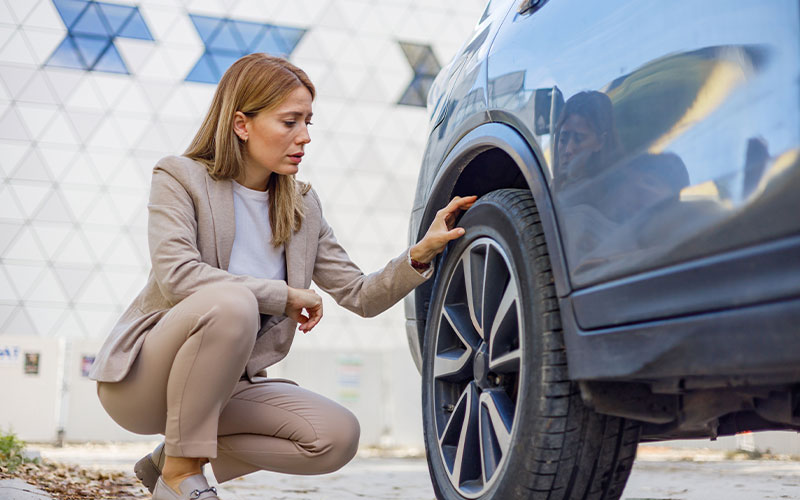
Tire maintenance includes checking your tire pressure. Which means carrying a tire pressure gauge in your car. (A tire gauge is one of a few tools we recommend always carrying in your car.) If you’re unsure how much to inflate your tires, check your owner’s manual and/or the tire manufacturer’s recommendations.
Speaking of tire pressure gauges, it’s the next item on this list. Newer vehicles likely monitor and display your tire pressure on your dashboard screen, but it doesn’t hurt to have a physical gauge in your car. It’s one of those tools.
Also keep an eye out for wear on your tires. A common method for checking tread depth is the penny test. Vertically insert the penny in the tread. If you can see the top of Lincoln’s head, the tread is 2/32nd of an inch or less which means your tires need urgent replacement. Tire rubber degrades over time. Regardless of tread, six years is a good rule of thumb for when tires need replacing.

Limit Use of the Spare Tire
It might be tempting to keep rolling along on that spare, but don’t. Most spares are not a “full” spare, that is a wheel and tire identical to the rest. “Donuts” come on a slimmer rim and tire and are designed for no more than 50 miles of travel and speeds under 50 mph, otherwise you’re risking another flat. Keep this 50/50 rule in mind when you’re running on a spare.
Keep up With Regular Oil Changes and Maintenance
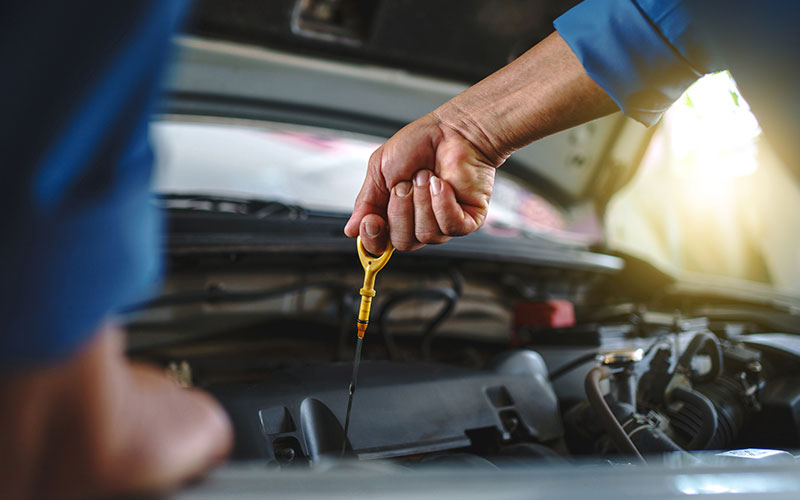
If you want your car to last, don’t overstress the system with poor lubrication. Depending on your engine, the age of the vehicle, and the type of oil used, most cars need an oil change somewhere between every 3,000 to 9,000 miles.
Be Sure to Regularly Check Your Car Fluids
Coolant, differential fluid, transmission fluid, even windshield washer fluid needs occasional changes or top offs. Manufacturers typically have recommended maintenance that includes these fluids, along with other items, at 30,000-, 60,000-, and 90,000-mile intervals.
Know When Your Wiper Blades Need Replacing
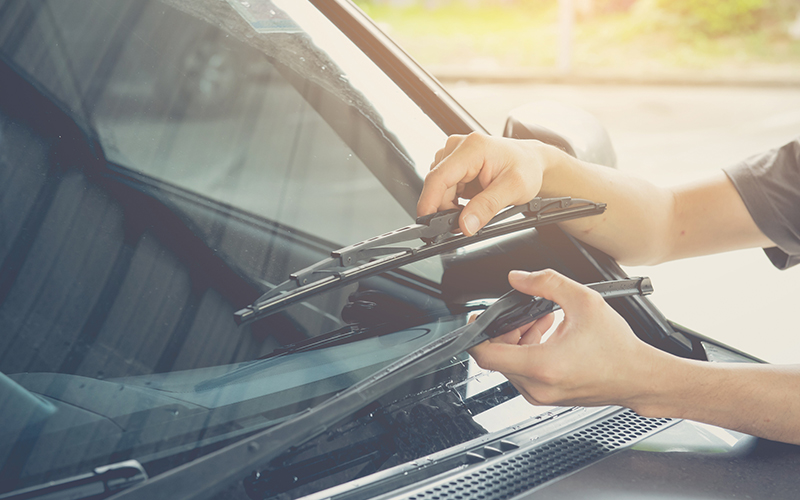
Old wiper blades do a poor job of keeping your windshield clear of rain and snow, dangerously reducing visibility. The good news is wiper blades are relatively cheap and easy to install. We recommend replacing your wiper blades at least once a year.
Rattling Suspensions Are Dangerous
Some weird car sounds, like a loose heat shield, are merely annoying, while others are downright ominous, like the rattle of a broken control arm. Don’t risk a crash by delaying suspension maintenance.
Watch for Blue or White Exhaust Smoke
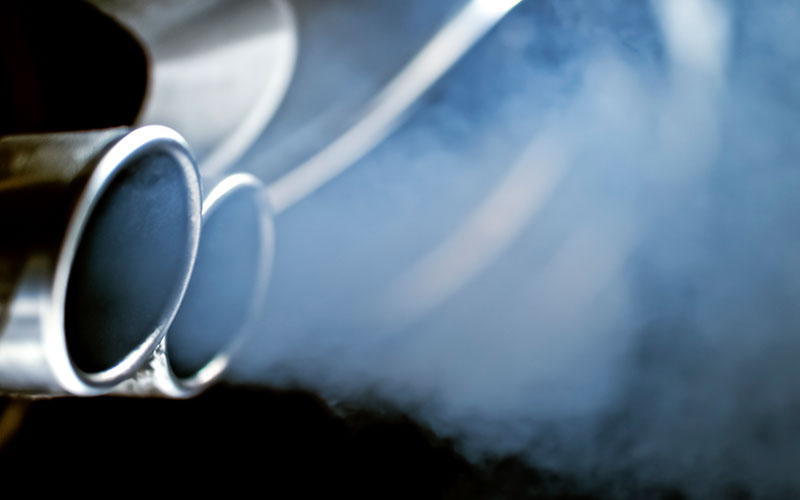
Visible exhaust is often a bad thing, aside from a modest amount of steam in winter. Black smoke means there’s something hinky going on with your exhaust. Blue smoke can indicate your car is burning oil. Plumes of white smoke indicate that coolant has made its way into the combustion chamber, the hallmark of a blown head gasket. Here’s an article on whether the expense of a head gasket replacement is worth it.
Squeaky, Squishy Brakes
Some rust on the brake discs and a bit of squeaking, especially in wet or humid conditions, are normal. Prolonged or consistent squeaking is often a sign you need new pads or other maintenance done. Vibration up from the brake pedal can be a warped rotor while squishy brakes can point to fluid leaks and/or a loss of pressure. If you’re intrepid enough, here’s our guide to changing your brakes.
Aging Batteries
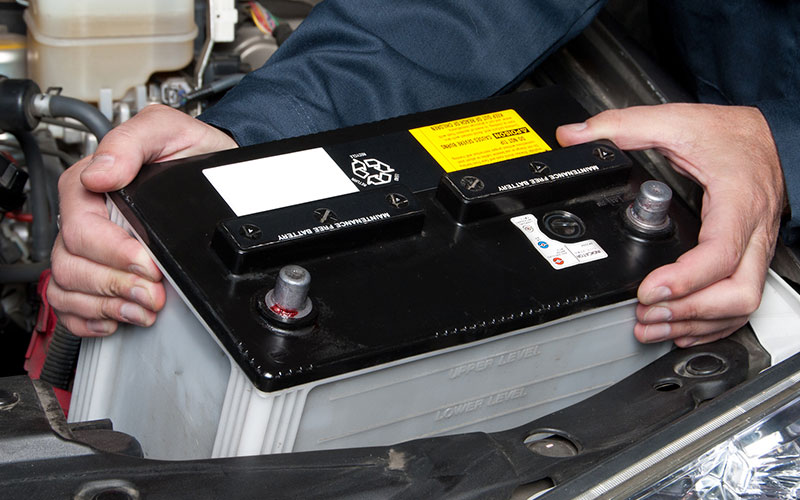
Older batteries often conspire with cold weather to ruin your day. That’s why it’s important to pay attention to the signs of a weakening battery like poor or stuttering starts, corroded terminals, and dimming lights. Car batteries typically last three to five years, the warmer the climate and more often the AC is used, the shorter a battery’s lifespan. If you do end up with a dead battery, here’s our step-by-step for jumping a car.
Check Your Lights
Today’s cars come with a lot of lights: fog lights, running lights, headlights and taillights, high beams, center brake lights, and turn signals. That’s why you should periodically check to see whether all your lights are working properly and replace any that might have burnt out. For older cars, here’s how to replace bulbs on your own.