Latest News
2026 Chevrolet Suburban ReviewJapanese Van Culture
Japan’s car culture focuses on tiny kei cars and performance JDMs, but the country also has a fascination for vans. We’re looking at Japanese Vanning.Japan Loves Vans
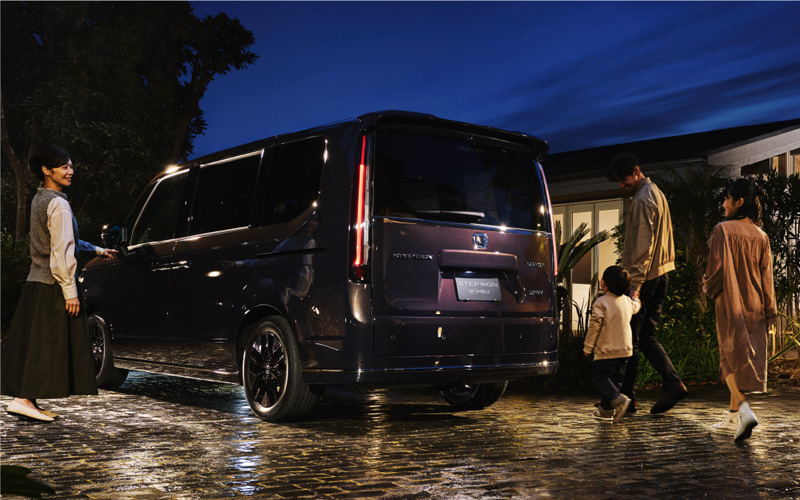
When you think of the streets of Japan, some of the greatest JDM cars come to mind. You’d expect to see performance models like the Nissan Skyline GT-R, Mazda RX-7, or Honda Civic Type R. Then there’s of course Japan’s Kei cars that are specially crafted to be as compact as possible to navigate the tight side streets. There could even be one of those crazy “Bosozoku” inspired cars with the exaggerated aero and loud exhausts.
What you probably wouldn’t expect is the amount of vans driving around. Japan loves vans. Japanese vans are one of the preferred methods of automotive travel through their major cities and even out along the countryside. They’re efficient people movers or can be used for hauling work equipment to jobsites. Vans are the ideal choice for families, taxi services, and executive vehicles over there, but they’ve also found their own automotive culture. Check out the highly customized and performance-oriented vans of Japanese Vanning culture.
JDM Vanning Culture
Japan’s van focused subculture is often referred to as “Vanning”. This is where a van is heavily modified into a moving art piece. Some of these vans take inspiration from the tuner scene by lowering it and throwing on a wide body kit while others go to extreme lengths to craft a van that’s truly out of this world.
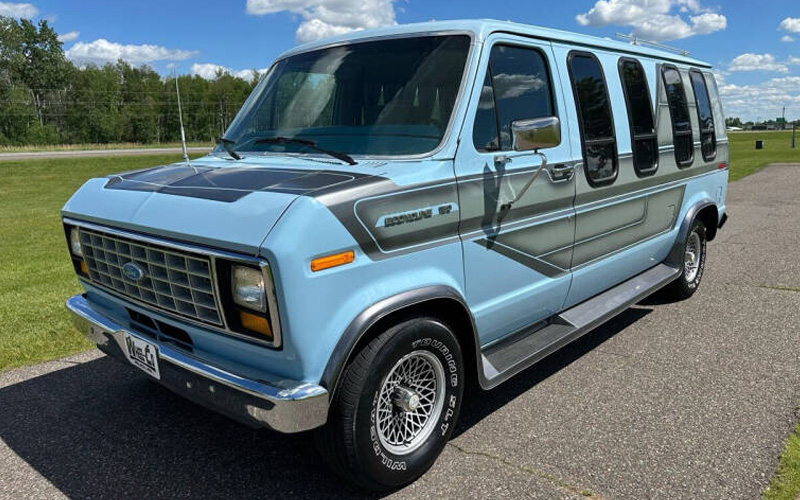
Vanning has ties to American car culture of the ‘70s. Japan saw the way we crafted our vans with a ludicrous amount of aftermarket pieces and then painted the outside with block striping or eccentric murals. It was outlandish and expressive but just what some in the Japanese car scene were looking for. This led to a recreation of American van style over on the shores of Japan, but it quickly diverged to fit other automotive scenes around the country.
American Style Vanning
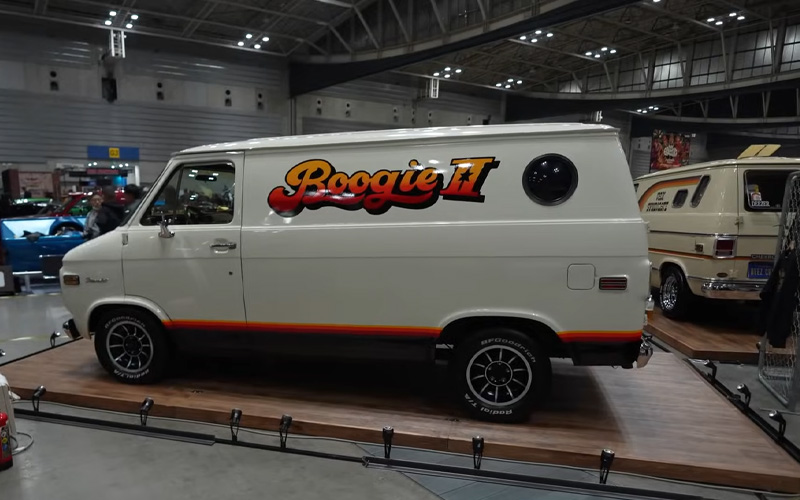
The aforementioned “American Style” Vanning subculture is still alive today. These vans take inspiration from the ‘70s and ‘80s American van culture. While most use classic US domestic market vans from Dodge or Ford, this style can also be found on Japanese models like the Toyota HiAce from the same time period. The “American Style” keeps the bodies true to form aside from popularized aftermarket pieces that were prevalent in the American scene. US-sourced five-spoke wheels, rear porthole windows, chrome trim, ‘70s-inspired airbrushed murals or line work along the exterior, and themed interiors that scream “ムリカ” (That’s “Murica” but written in Kanji).
VIP Style Vanning
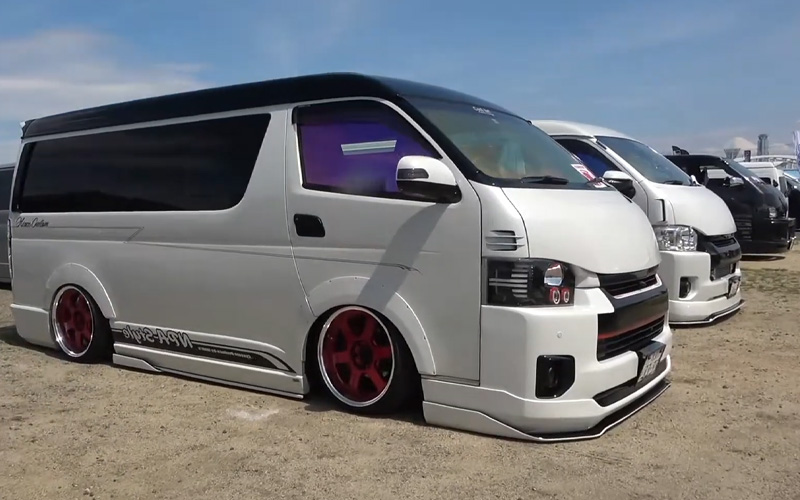
“VIP Style” or “Style Box” takes inspiration from the executive cars typically seen in use among the Japanese elites. Models like the Toyota Century or Nissan Cedric were tailored for the riding experience in the rear seats. These models were more subdued in their outwards appearance, usually only being offered in black, white, or silver. However, inside were massaging, reclining, heated, and cooled seats paired with the latest technology for the businessman on the go. So, why not add it to a van?
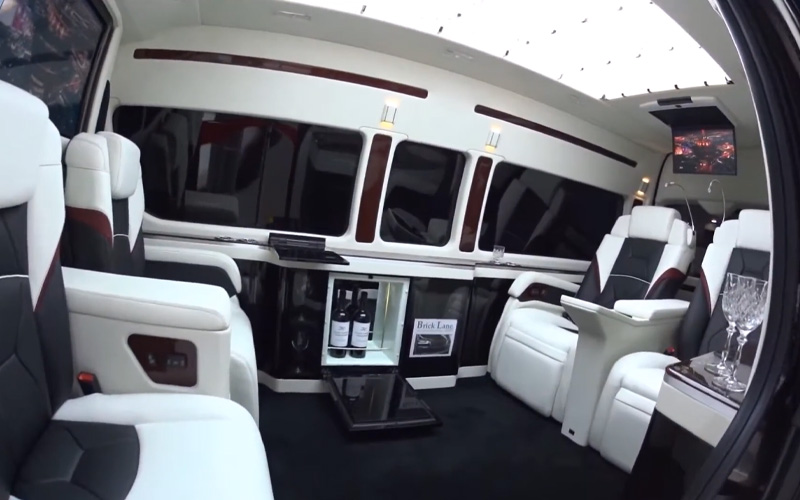
These vans are predominantly JDM models and take heavy inspiration from executive cars with some tuner flair. Leather upholstery is a must, and the stock seats are thrown out for luxury seating along with extra amenities tailored for a comfortable ride. Mini fridges, a full bar set, window curtains, and a giant flat screen are common additions. Then, the outside is kept a neutral tone and may have a lowering kit installed to go with some flashier wheels.
“Bosozoku” Style Vanning
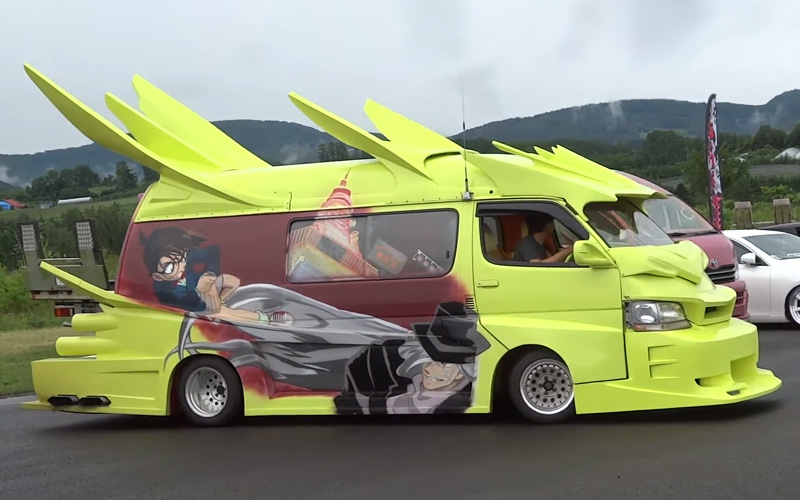
While this side of Japanese Vanning isn’t associated with the Bosozoku gang life, there’s no denying the Bosozoku influence these vans have in their designs. From kei to full-sized camper vans, these things are a sight to see. They carry extra lighting, bright paint jobs, and a mural of the owner’s favorite anime character or music group is almost always airbrushed where the rear doors used to be. Then they’re further set apart from the usual traffic with the outlandish aero pieces installed on them that stretch multiple feet away from the vehicle and extend the body mere inches from the pavement.
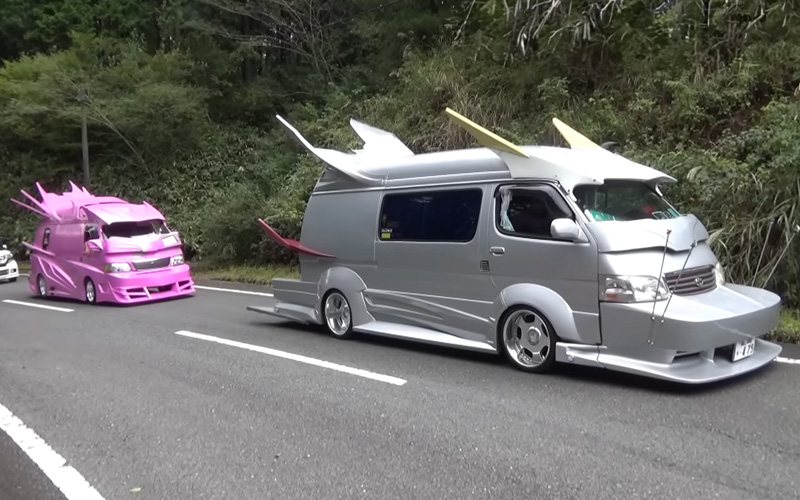
Before you suggest “Well, they can’t seriously drive around like that.” They do. Some of these Gundam-esque vans are daily drivers on the streets of Japan regardless of how unwieldy their shapes may be. And if their visual presence doesn’t get your attention, they typically carry loud exhausts too that’ll make you notice. Hopefully these over-the-top rides catch on here in the states, because I’m all about it.
DAJIBAN: Drifting Dodge Ram Vans
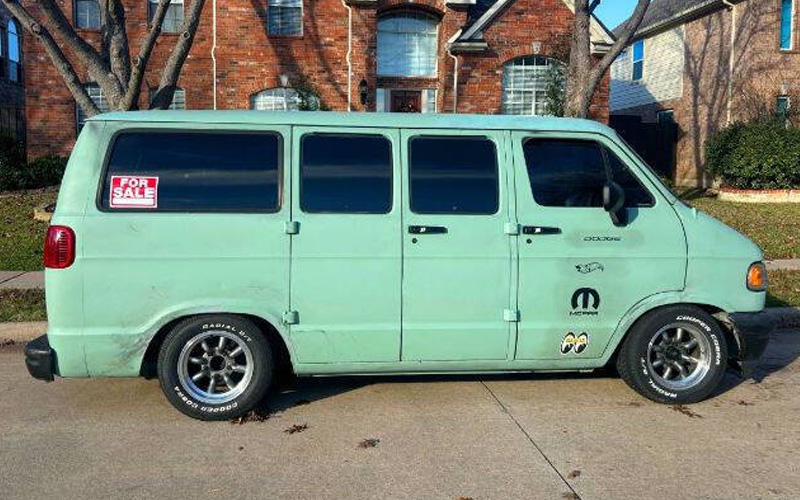
Dodge has a big following in Japan – at least their old Ram Vans do. DAJIBAN is a cult car following dedicated to the collection and modification of Dodge Ram Vans imported to Japan. The Japanese name for this group is a play on pronunciation as DAJIBAN is essentially “Dodg-e-van”. It started as an affordable option for hauling motorcycles for weekend racing, but the automotive enthusiasts quickly found that they could have fun with the V8 totting vans. While our previous Japanese van cultures focused on eye-catching appearances, these are more about performance around a track.
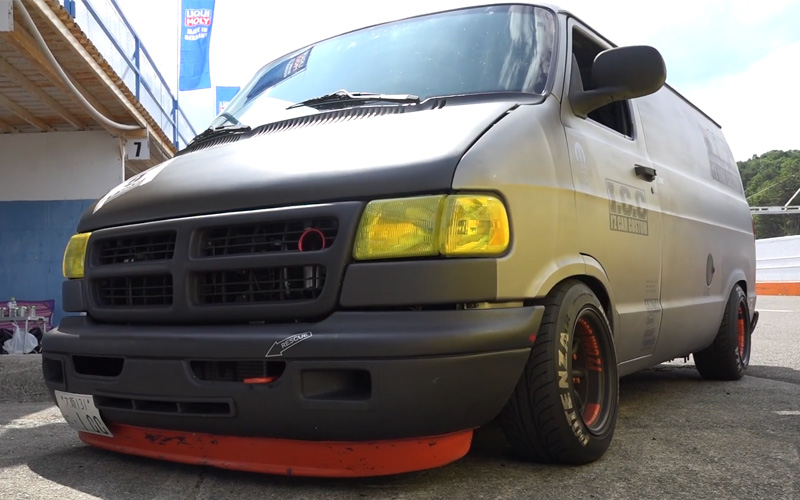
This group typically chooses the short wheelbase Dodge Ram Van B150 and race preps them to hit their local racing circuits. These vans are stripped down to only the essential components to save weight and usually carry just two racing seats inside. Then these Dodges are given stiffer suspensions, street tires, and have their American V8 engines modified to squeeze as much power out of them as possible.
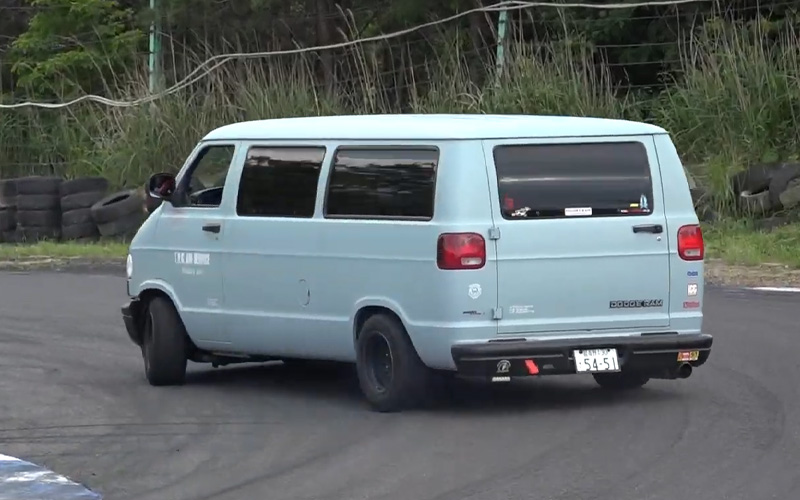
These American vans then hit the local circuits for a DAJIBAN focused track day where they speed around the track for fun and bragging rights. Ever seen a van drift around a corner? You’ll find it with this crowd. Drift culture found its start in Japan, so it isn’t uncommon to see these Dodge vans pulling the e-brake and getting sideways around the corners.
Japan is having way more fun with vans, but hopefully America can use them as inspiration to bring Vanning culture and DAJIBAN style events to the states.