Latest News
2027 Chevrolet Equinox Review
Lightbars are the most popular type of aftermarket car light and in this article we break down what to look for.
The Best Lights and Light Bars for Your Car
Upgrading the lighting on your vehicle can be as easy as swapping out some bulbs but what if you want more than simple bulb swaps can provide? The next option is to add auxiliary car lights to your vehicle. This is a popular choice for those who end up off-road where there aren’t any sources of light outside of the sun, moon, and whatever they brought with them. That makes them a huge piece of added safety.
The practice of adding such lights has become more popular the market has been flooded with cheap aftermarket options. With that in mind we thought it could be of some use to go over what to look for when considering aftermarket lighting. Here are the big three aspects to focus on.
Types of Lights
Having the right light for the right situation is key so let’s discuss exactly what types of aftermarket car lights are available.
Light Bars
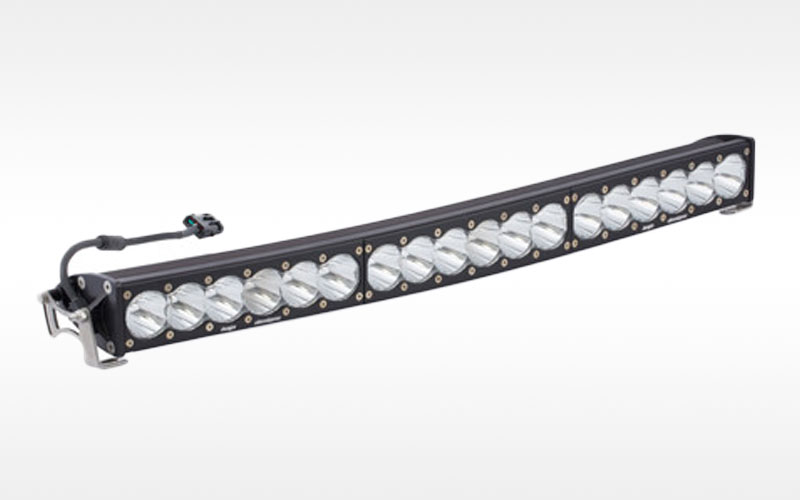
This is the most common form of aftermarket light. Just as the name suggests, they come usually in a long strip of either one or two rows of LEDs. Different lengths are also available so buyers can set up their vehicle with one single light at the front or rear or a pair in the same locations.
Pods
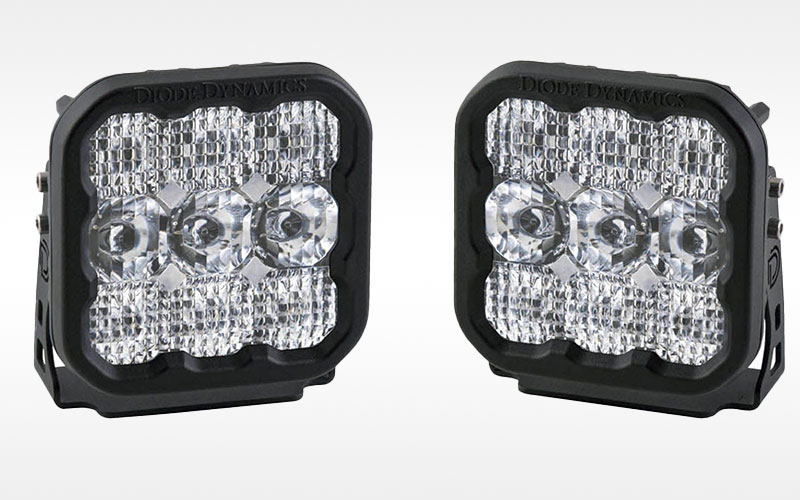
Pod lights are small and typically quite easy to place just about anywhere. They can often attach to other auxiliary pieces as well including roof racks, bumpers, or even other lightbars. Many pods can swivel into different positions to maximize usefulness.
Integrated
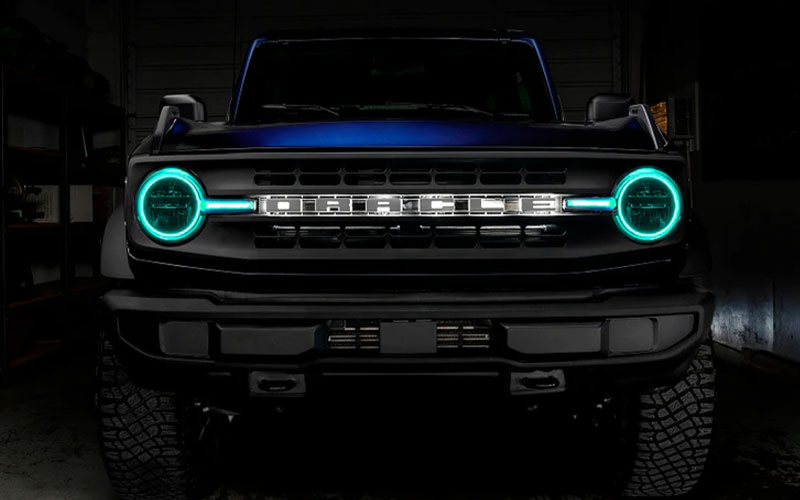
While somewhat rare, integrated lights often require the buyer to have a specific bumper, roof rack, or other pre-existing piece to fit into. Some will allow the buyer to cut a section of their own vehicle to fit the light into. Either way, the result is often a flush-mounted auxiliary light that aims in only one direction.
Vehicle-Specific
Sometimes you’ll find LED aftermarket car light solutions that will only work with one specific type of vehicle. Mostly, the actual light itself falls into the above category but it comes with a mount that will only work with the vehicle in question. Nevertheless, it’s worth mentioning because so many of those interested in aftermarket lighting drive some of the vehicles that apply to this segment. That includes the Jeep Wrangler, the Ford Bronco, and the Ford F-150 Raptor.
Beam Pattern
Having a bunch of extra lighting on your vehicle won’t do much if the beam pattern isn’t accomplishing the goal you had in mind. Here are the different beam patterns, what they do, and what they won’t do.
Flood
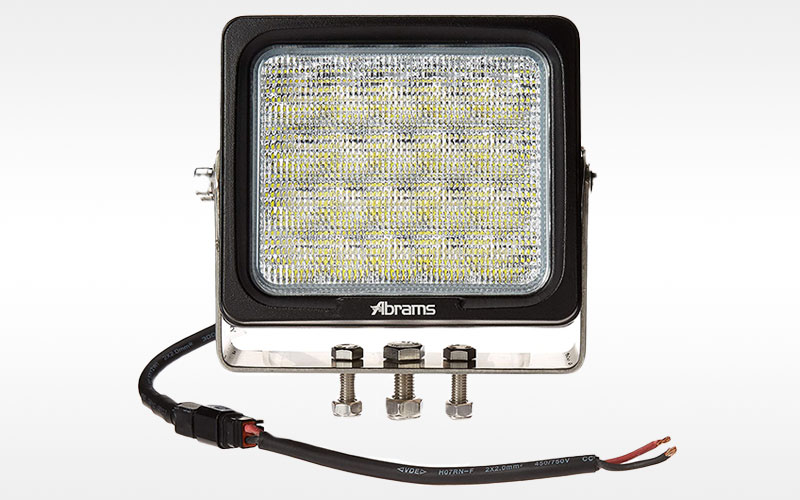
As the name suggests, and as many of us have experienced, flood lights offer a wide light pattern that’s typically very bright. These lights flood the area with light but don’t reach very far ahead of the vehicle. With that in mind they’re excellent for lower-speed off-roading and crawling.
Spot
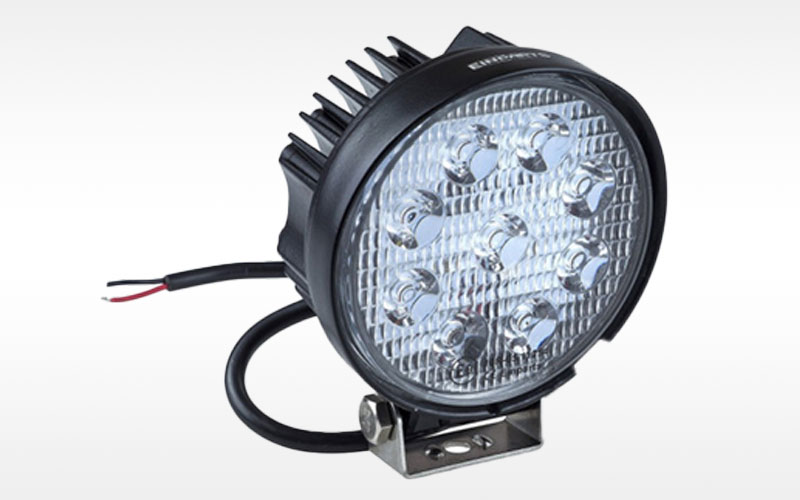
Spot lights are all about distance or what’s often called throw in the lighting business. Their main job is to give you an accurate look at what’s far ahead of the vehicle. Spot lights work great for those who might be doing higher-speed off-road or rally-style driving. At the same time, they provide almost no light from side to side.
Combination
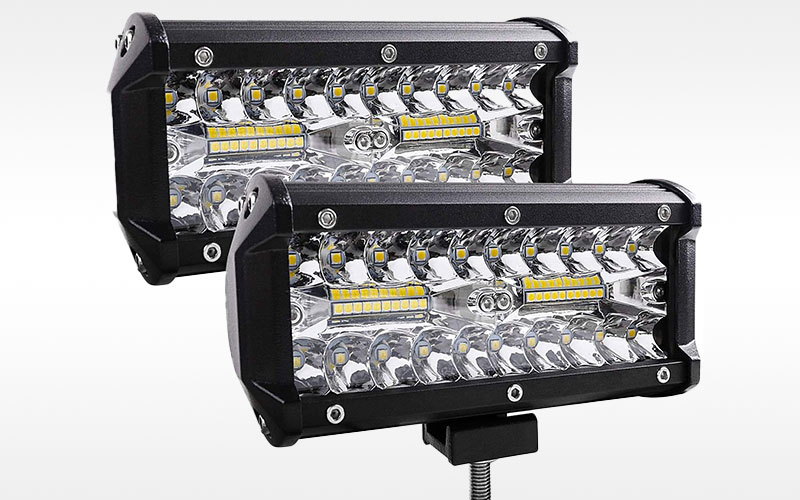
Combo lights provide both a spot light and a flood light beam pattern in one lightbar. The LED chips might be the same or different but the lens itself will be noticeably different in most cases. That means that if you need both a flood and a spot but you also prefer your lightbar to have one single uniform look to it that you might need to come up with a different solution.
Scene Lighting
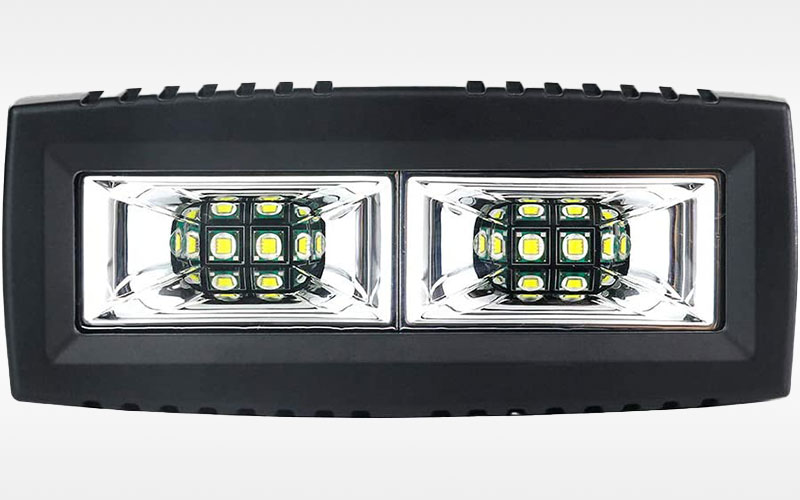
Think of a scene lighting pod or lightbar as a wider and less intense flood light. These lights are made to do exactly what it sounds like, provide ample lighting for a scene, often a campsite or a trail. They won’t be very functional as driving aids but they’re amazing for making an area feel like it’s illuminated by natural light.
Internals
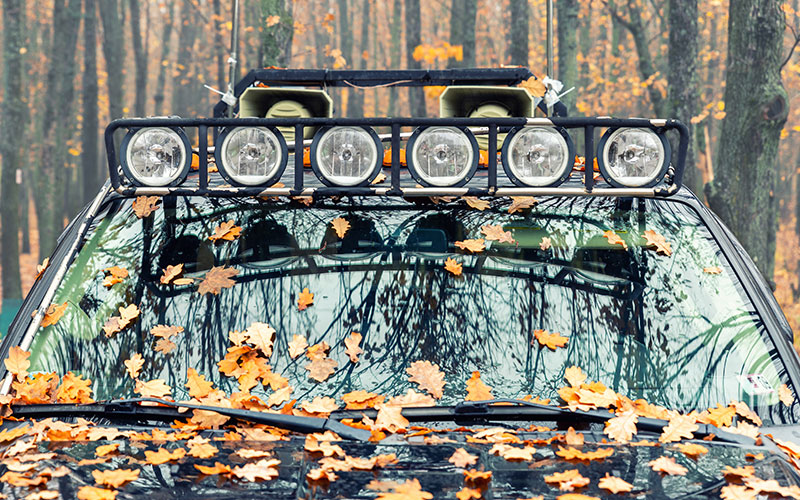
Finally, the stuff that goes into the production of your light makes a huge difference just the same way that it does with regard to your car. Here’s what to look for when making a purchase.
First and foremost, build quality is key. The last thing you want on a dark dangerous trail is for your lights to go out unexpectedly. Sadly, that’s almost inevitable for lots of the cheaper products on the market today. They’re not fully sealed from the elements, they’re not optimized for power and heat management, and they’re not very accurate either.
With that in mind, look for a light that has an IP certification against water, dust, and debris ingress. Keep an eye out for how well the details are done. For example, what does the wiring look like? Quality lighting often has fully-sealed lighting cables with some sort of friction layer, like mesh, to prevent the cable from fraying over time. They also use high-quality connectors that should be easy to work with.
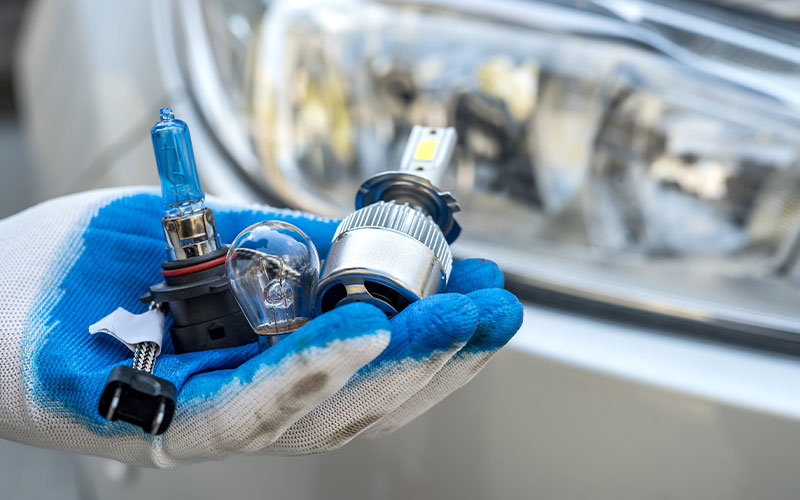
Finally, consider what type of power the LEDs themselves are getting. Take a quick spin around the bargain bin websites of the world and you’ll find that the cheaper LED light bars usually have 1-watt LED chips in them. That’s considered quite low for LED technology. Most high-quality aftermarket car lights feed between three and five watts to each individual LED. At the same time, more power means more heat, so be sure that the lights in question have a way to manage that thermal load.
With these tips you know about all of the most important aspects of an aftermarket light bar or car light. Your future is looking bright!