
Latest News
2027 Chevrolet Equinox Review
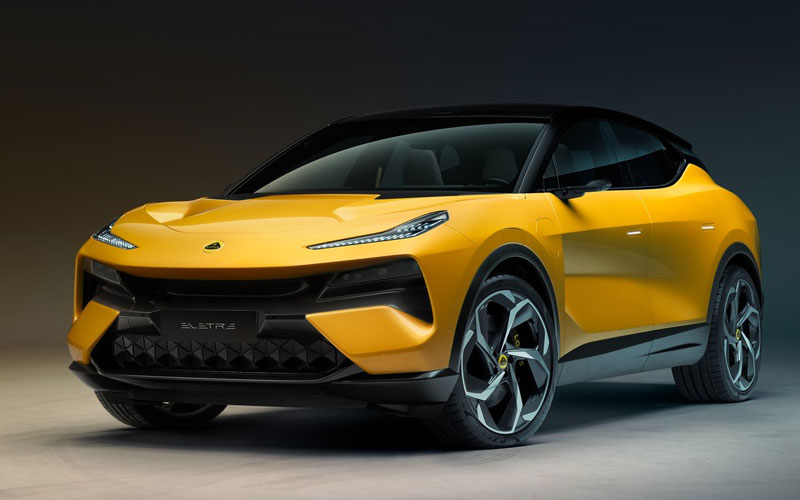
The all-new Lotus Eletre is the company’s first foray into electrification and its first SUV. Can Lotus shift from boutique sports cars to volume EVs?
Lotus Re-Imagined
With the adoption of electric propulsion by performance brands, we knew certain compromises were inevitable. They say “ain’t nothin’ for free,” and thus it goes for performance EVs. For all the mind-melting torque electric motors are capable of, there is also the added weight of ungainly battery packs to hinder agility. Yes, EVs are fast in a straight line. Indeed, the fastest three production cars are all EVs, the Tesla Model S Plaid, Rimac Nevera, and Lucid Air Sapphire. They are not, however, capable of handling like a 911, a Miata, or the new Lotus Emira.
Speaking of Lotus, the British brand was founded by Colin Chapman under his ethos of “simplify, and then add lightness,” and while their new Eletre all-electric SUV does accomplish the former given the mechanical simplification of electric propulsion, it does the opposite of the latter, piling on the pounds for a 5,500 lb.-curb weight (that’s 2.75 Lotus Elises for those keeping track at home).
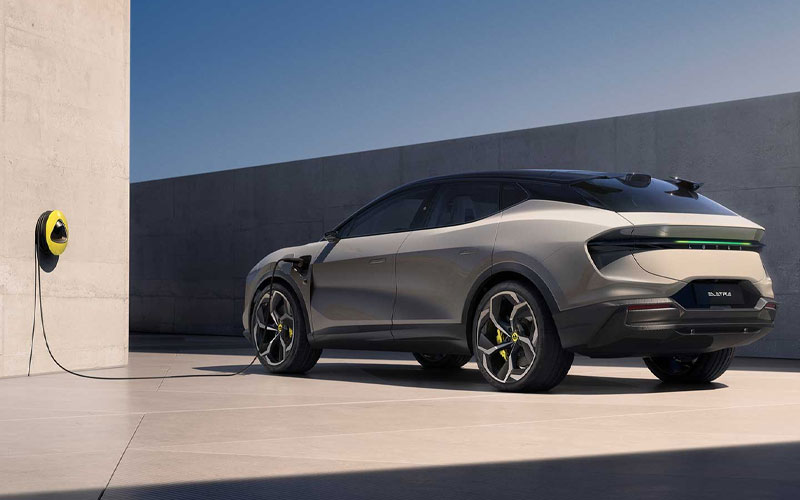
The powertrain of the Lotus Eletre is only half the story when it comes to how un-Lotus-like this vehicle is. And that’s because it also happens to be an SUV, Lotus’ first. That’s right, like Ferrari and their new Purosangue SUV, the long-time racing/performance stalwarts at Lotus have finally bent to public demand/expectation by releasing an SUV.
But before you cry sacrilege!, let’s take a deep dive into the all-new Lotus Eletre and examine whether it lives up to the Lotus name.
Specs & Stats
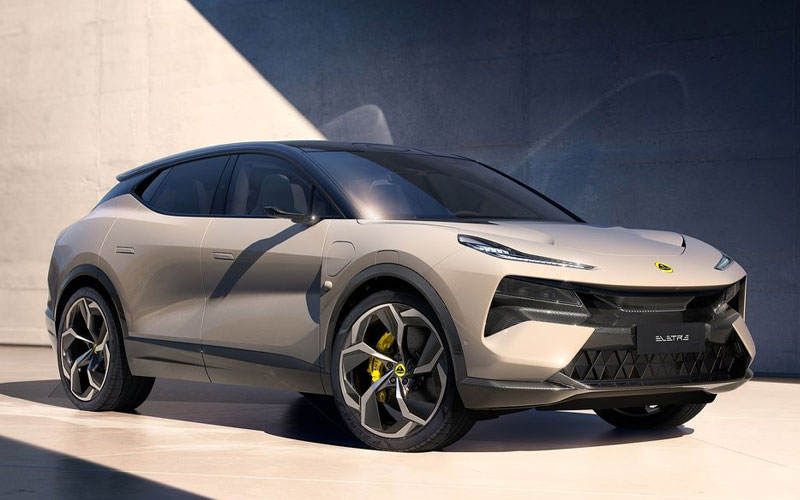
The new Lotus Eletre will come in three trims: base, S, and R. The first two of these will be powered by the same pair of electric motors front and back totaling an output of 603 horsepower and good for a 4.2 second sprint from zero to sixty. The high-end R trim gets a doubly powerful rear motor in addition to the front for a total of 905 horsepower and a zippy zero to sixty time of 2.7 seconds. Brisk indeed. Both configurations come with the same 109.0 kWh battery pack. The base and S trims will reportedly offer up to 315 miles of range while the R trim will get up to 260 miles of range.
The Eletre will come equipped with LIDAR sensors as part of its driver assistance systems and in anticipation of greater levels of autonomous driving (pending regulatory approval). Rear wheel steering is offered as an option for the base and S trims and will come standard on the R.
Interior & Tech
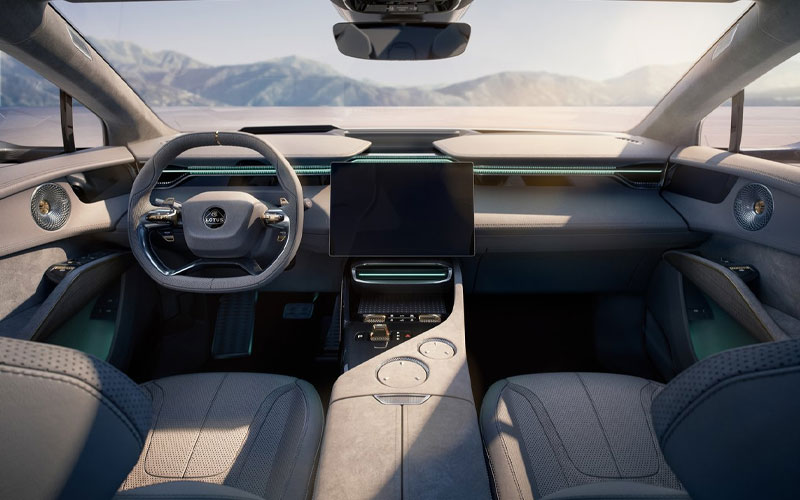
The profile and powertrain aren’t the only departures from Lotus tradition present in the Eletre. The interior of the vehicle is also a far cry from the stripped down, function-first cabins that have been a Lotus hallmark. Instead, the Eletre offers all the modern conveniences and comforts of large luxury electric SUVs the new Lotus will be competing against. Leather upholstery, Alcantara for the headliner, and milled bronze accents are among the high-end materials giving the Eletre a proper luxury feel.
The design aligns with the simplified interiors common in EVs, with many features housed in the large central touchscreen. The system is quick to respond with crisp graphics and is available with Apple CarPlay and Android Auto capability. And while all this is standard fair for today’s vehicles, less typical is the thin digital gauge cluster which displays a minimum of info, charge, speed, odometer, etc. A screen of equivalent size is positioned in front of the passenger containing additional (redundant) infotainment controls.
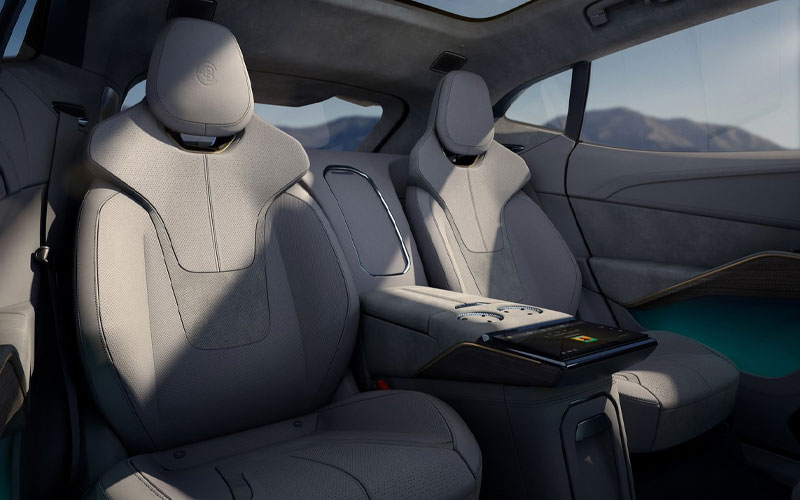
The seating in the rear can be ordered in either a bench, for seating for up to five, or as a pair of lux’ed-out bucket seats with a center console equipped with a tablet interface for controlling HVAC and infotainment. The upgradeable 23-speaker, 1500-watt stereo is among the best in any vehicle on sale today.
Blasphemous or Brilliant?
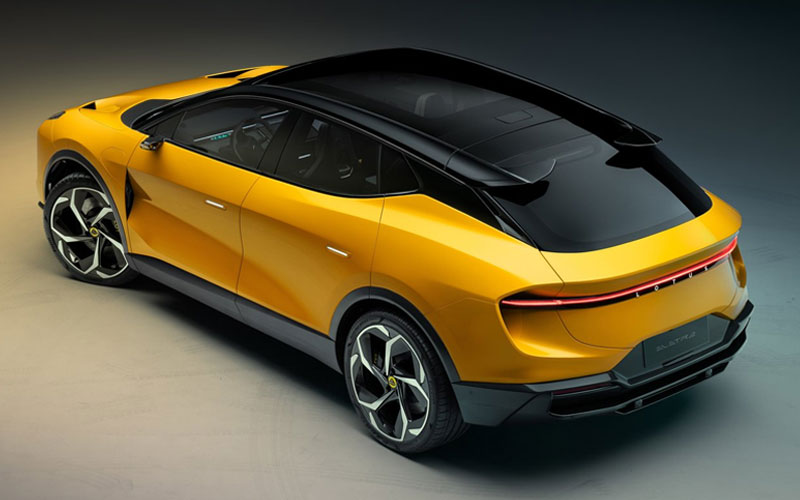
The Eletre electric SUV is indeed a departure from what we’re used to from Lotus, but the vehicle’s origins explain a lot about it as a product. Lotus is owned by the Chinese automotive group Geely, who also own familiar brands like Volvo/Polestar and less familiar ones like Lynk & Co. Unlike the new Emira coupe and the rest of Lotus’ cars, the Eletre was engineered in Germany and is being built in China, a long way from Norfolk, England. As an exercise if expanding a brand beyond its traditional niche of low-volume two-seat sports cars, the Lotus Eletre is a laudable and impressive effort.
The question of “Is it a Lotus?” is largely beside the point for both the company looking for a new profit center and those with a $100,000 to spend on an electric SUV. The more operative question would be, is the Lotus Eletre good? And, from what we’ve seen so far, the answer to that is yes.
Expect the Lotus Eletre to start at around $115,000, with the top trim R spec to run closer to $150,000. Deliveries are set to commence this summer.