Latest News
Hands on With Hyundai’s Flagship Electric SUV
Whether it was AI, flying cars, or ubiquitous EVs, the Consumer Electronics Show revealed the future of mobility will be anything but dull.
CES 2024

Every year in Las Vegas carmakers bring their techiest new tech to the Consumer Electronics Show (CES) in the hopes of wowing attendees and generating headlines. This year was no different as AI integration and EVs were all the buzz, and the tantalizing (frivolous?) prospect of flying cars got a notch or two closer to reality. From Honda’s new 0 (zero) Series to Hyundai’s Mobion to newcomers like Mullen and VinFast, EVs were firmly in the spotlight. Here’s all the highlights from this year’s CES.
Honda 0 Series
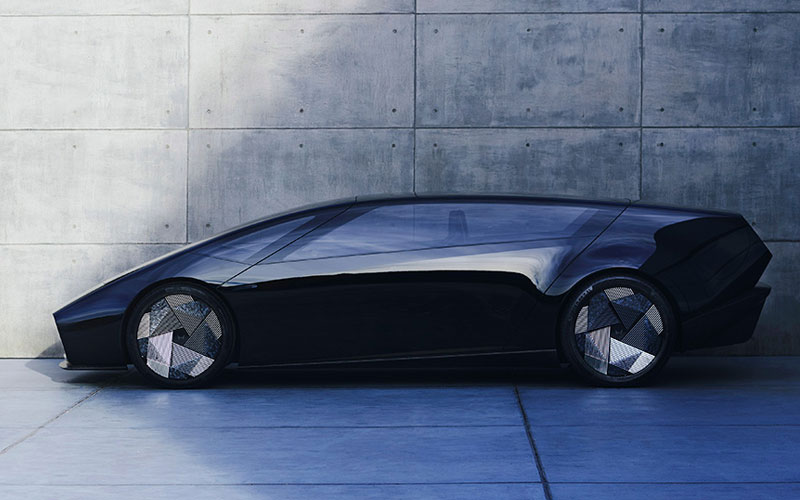
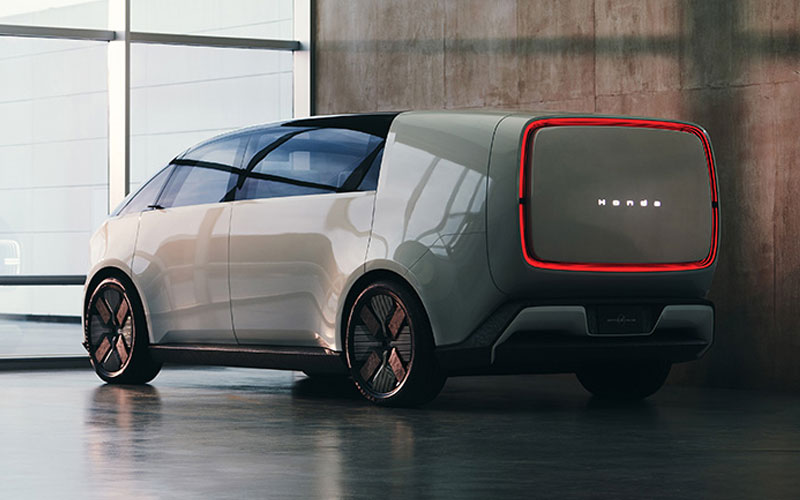
One of CES’s most anticipated unveilings was Honda’s upcoming 0 Series of EVs. Honda says these vehicles represent a rethinking, a new “from zero” approach to EV design. Their designs are indeed wildly futuristic in the proper concept car fashion and yet Honda says they plan to bring them to production in the next few years. First and most radical is the Saloon, a shooting brake that features next gen calling cards like a steering yoke over a steering wheel, an “intelligent instrument panel,” and Level 3 autonomous driving capability. Honda says they’re targeting a 2026 release for the Saloon. The Space-Hub, a boxy people mover/minivan, is the more conventionally styled of the two while still bringing plenty of sci-fi vibes.
In addition to the 0 Series vehicles, Honda also showcased the AFEELA, the product of a joint venture with Sony. Set to begin production in 2025, the AFEELA debuted at last year’s CES as the next level in automotive technology. Among its advanced features will be a driver assistance system that incorporates lidar, radar, and cameras as well as an impressively powerful infotainment system housed in a dash-spanning screen. Honda is reporting a targeted starting price of around $45,000.
VinFast EV truck and VF3
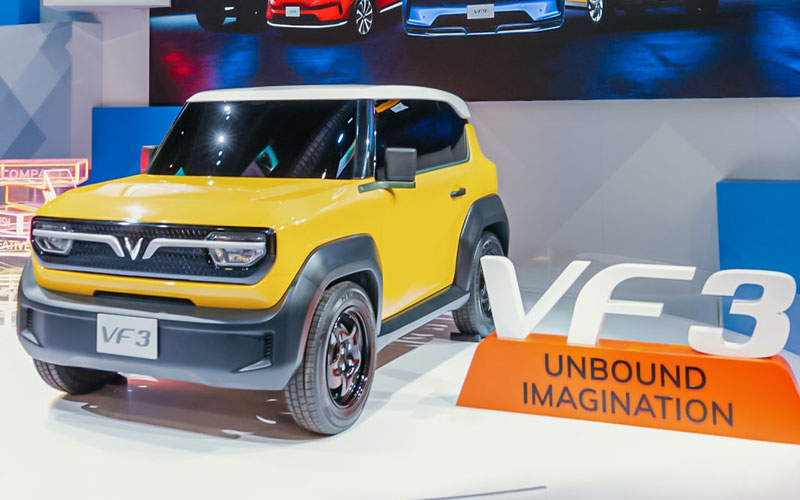
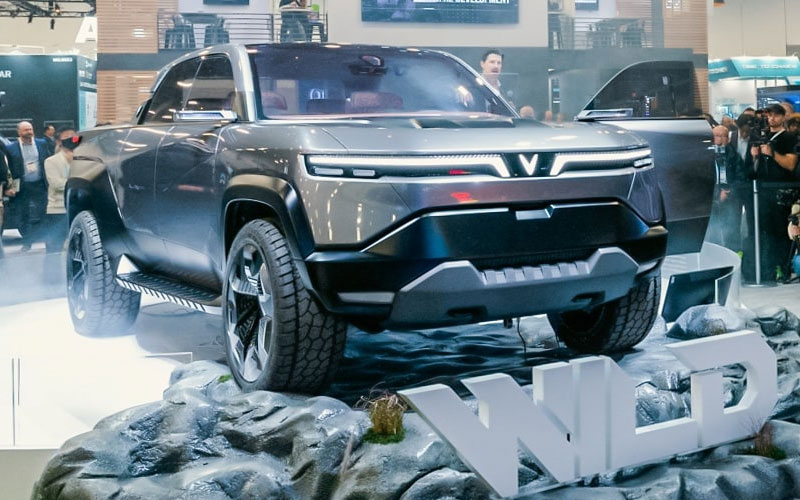
The Vietnamese carmaker VinFast is just making its initial forays into the US market. In addition to the VF8 and VF9 electric SUVs, the company is now adding a smaller version, the VF3. The VF3 is an adorable two-door electric SUV reminiscent in style to the Suzuki Jimny. VinFast’s other CES concept was an electric pickup whose party trick is a foldable mid-gate. Both vehicles look the business, but initial quality on VinFast’s press cars has the industry waiting to see whether the automaker can bring up quality to match their eye-popping designs.
Mullen Five RS
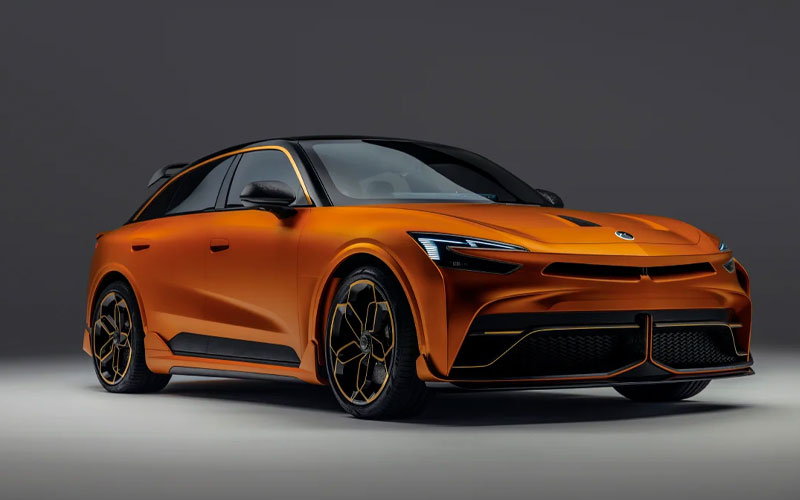
The Mullen Five RS is another gorgeous but unproven commodity on display at CES. The EV start up Mullen pitched the Five RS as a supercar killing luxury electric SUV with a targeted output of 1,000 horsepower. The vehicle’s low ride height would indicate it will indeed be targeting sub-3 second zero-to-sixty times rather than worrying itself with much in the way of off-road capabilities.
Kia PV5
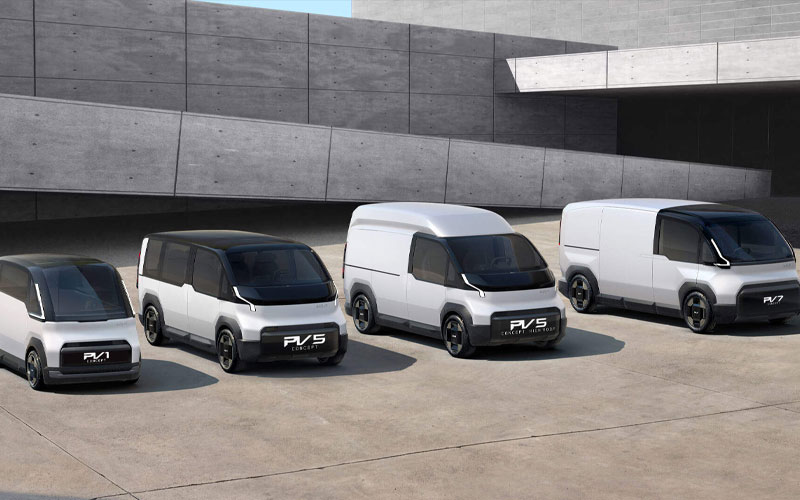
At this year’s CES Kia presented their “Platform Beyond Vehicle” concepts (which incidentally do indeed look to be vehicles). The PBV line leverages the potential of EV skateboard platforms, where the battery pack is spread across the floor of the vehicle, allowing a modular basis for a range of different vehicle types. These range from the small urban runabout PV1 to the minivan/work van the PV5 to the extended wheelbase PV7. First to premier will the be the PV5 sometime in 2025.
Flying Cars
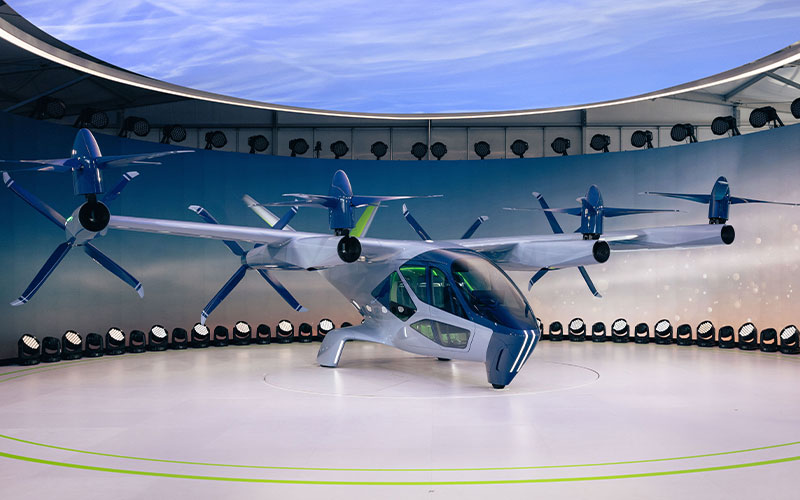
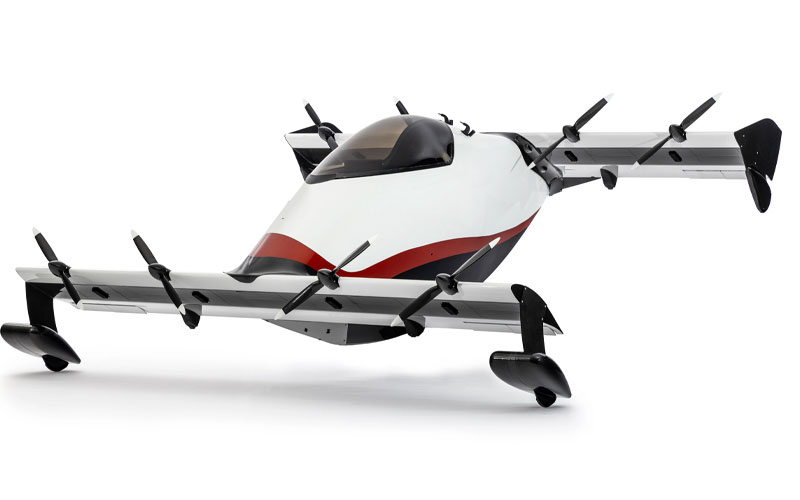
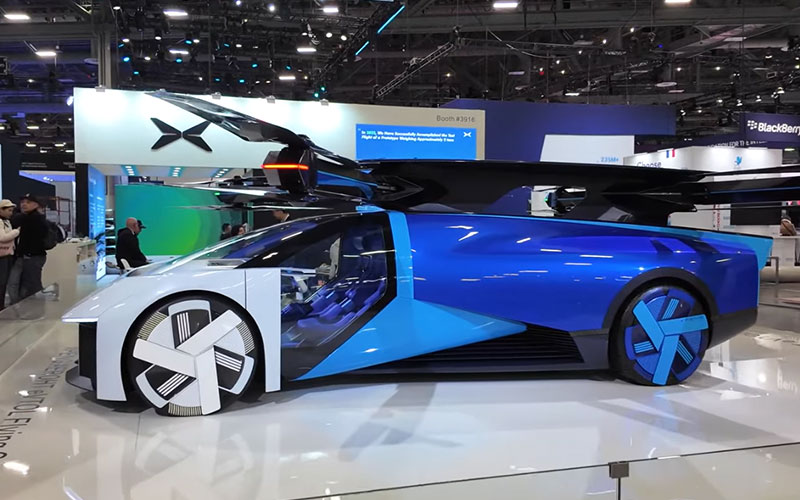
Since the days of George Jetson, we’ve all been awaiting the day when we get our flying cars. According to some companies those days are nigh. This year’s CES was chockablock with eVTOLs or electric Vertical Take-Off and Landing vehicles, think somewhere between a personal helicopter and a drone big enough to carry a few people. Hyundai had their eVTOL on hand and said they could have one ready for production as soon as 2028 under the auspices of their Supernal subsidiary. Other companies with their own eVTOLs included the Larry Page-backed Pivotal and their Helix personal aircraft. As a lightweight, single-seat aircraft, the Helix would not require a pilot’s license to fly, which may or may not be a count in its favor. Chinese EV maker XPENG had perhaps the flashiest of eVTOLs from their AeroHT division with a literal flying car sporting deployable rotors enabling a seamless transition (in theory) from air to road.
Hyundai Mobion
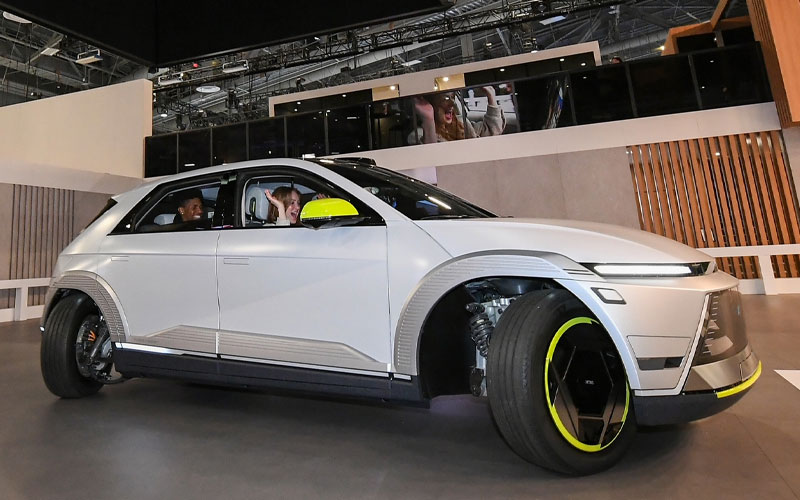
Hyundai wasn’t just wowing audiences at CES with its advances in vertical travel, their Mobion concept demonstrated the next evolution in lateral travel as well. Some EVs like the Rivian R1T and its “tank turn” and Hummer EV with its “crab walk” have demonstrated novel levels of mobility. The Hyundai Mobion takes things a few steps further and toward the more practical with full lateral movement which would alleviate any and all parallel parking headaches. The Mobion’s 90-degrees of wheel play also allows for stationary 360s, and yes, crab walking with ease.
AI Infotainment Integration
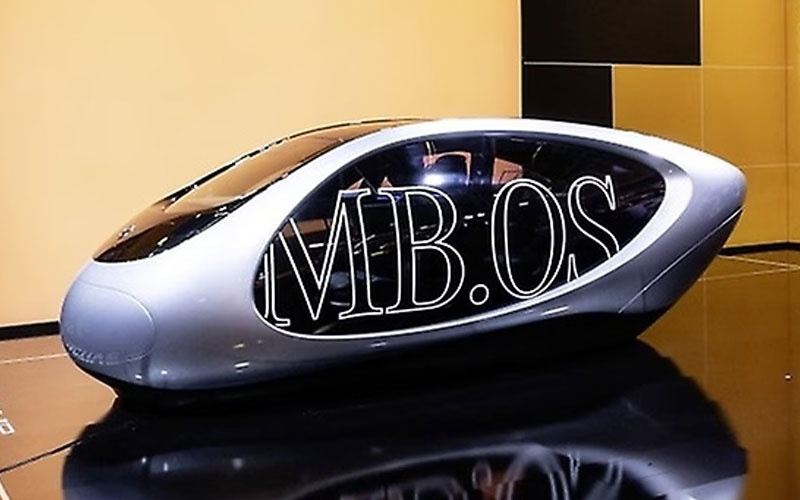
Artificial Intelligence (AI) is the latest tech buzz words so naturally automotive companies at CES were eager to tout their use of AI in upcoming infotainment systems. Mercedes-Benz’s new AI MBUX Virtual Assistant will be able to plan routes, offer customized suggestions for destinations, and offer a more realistic speaking voice than current iterations. Mercedes-Benz displayed their latest infotainment software not in a concept vehicle but instead in an “egg,” a four-seat interior simulator with screens galore.
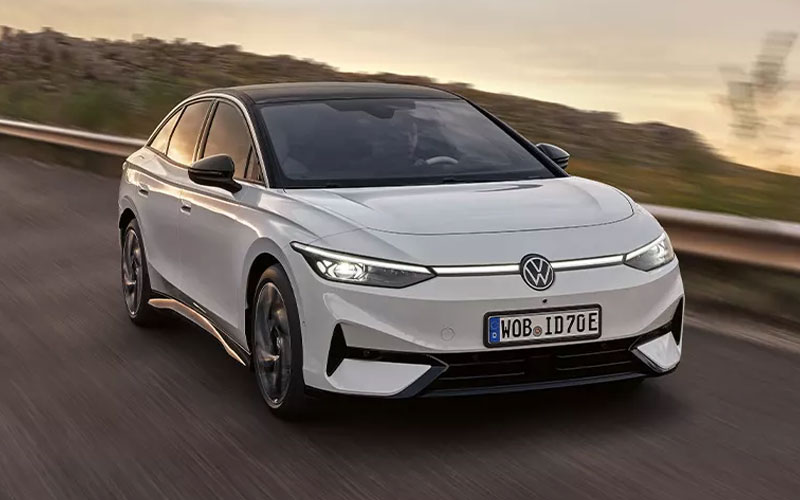
Volkswagen also was on hand to promote their integration of AI into their infotainment systems, specifically ChatGPT in their case. Using the AI system, Volkswagen’s ID EV line along with the Golf, Passat, and Tiguan will offer “continuously expanding abilities” that most fall under the same rubric of restaurant choices, personal assistant features, and the like. While cool, one can’t help the creeping suspicion much of this is gimmick for gimmick’s sake rather than an appreciable step forward in infotainment software livability. Time will tell.