

Latest News
December 2025 New Car IncentivesThe Ins and Outs of One-Pedal Driving

For those new to the EV world, we’re going through the nuts and bolts of one-pedal driving and the wonders of regenerative braking.
What is One-Pedal Driving?
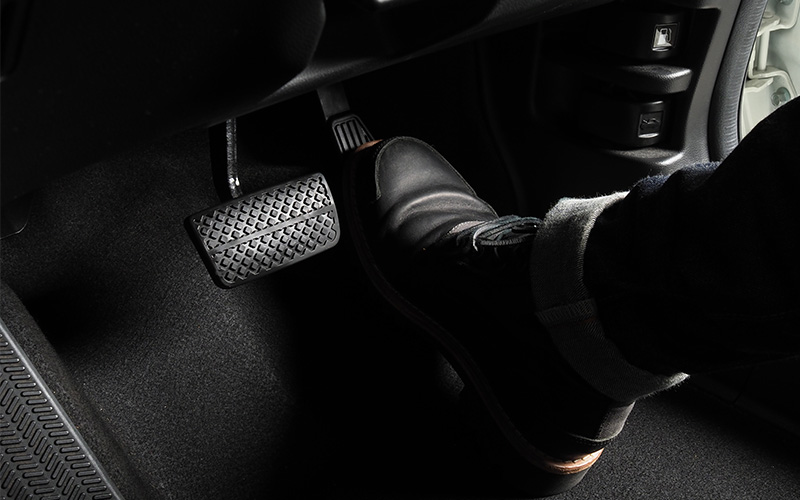
For as long as people have been driving cars, automakers have been implementing new technologies that dramatically change how said people drive said cars. Like when fuel injection did away with the fussiness of carburetors or when ABS allowed drivers to simply stomp on the brakes in an emergency. At the moment, one-pedal driving is just such a type of technology set to alter how people drive.
“What is one-pedal driving?”, you may be wondering. As the name implies, it is a technique that enables drivers to use just the accelerator pedal to drive. We can’t really say gas pedal here because one-pedal driving is in the domain of electric vehicles (EV), so there is no gasoline involved.
Regenerative Braking for the Win

One-pedal driving is the colloquial term for this EV approach to driving with some automakers coining an internal brand name like Nissan’s e-Pedal or Hyundai’s i-Pedal. Regardless of the marketing name, one-pedal driving leverages the regenerative braking system used on EVs to allow drivers to come to a full stop without having to touch the brake pedal.
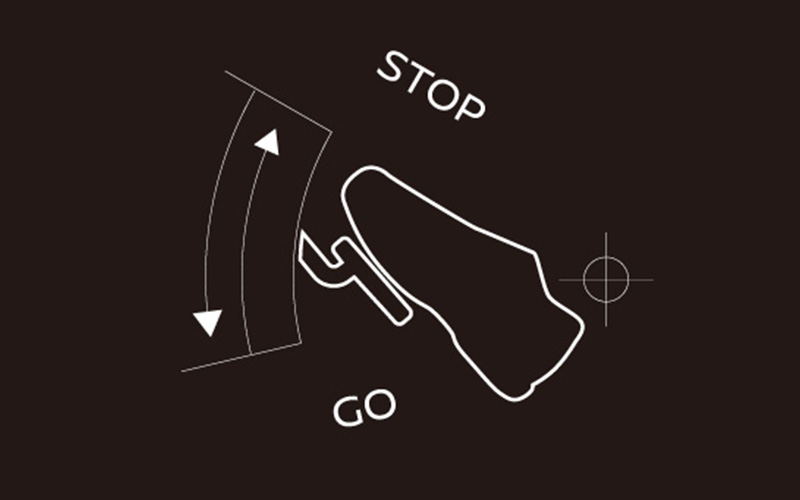
With one-pedal driving enabled, the driver simply takes their foot off the accelerator pedal and lets the regenerative braking system take over. In this scenario, the electric motor(s) that powers the vehicle converts kinetic energy from the forward momentum into electricity. More specifically, the motor becomes a generator and spins in reverse. This reversing action both slows the car down and sends the flow of electricity back into the battery pack.
Don’t Forget Those Friction Brakes
It’s important to understand that one-pedal driving is best suited to driving scenarios like coming up to a red light or inching along in a traffic jam. Much like downshifting a gas-powered car with a manual transmission to ease up to a stop, one-pedal driving and regenerative braking are not a substitute for hard braking. Unlike downshifting with a stick shift, however, when one-pedal driving is in use on an EV, the brake lights will illuminate when the accelerator pedal is released for a higher degree of safety.
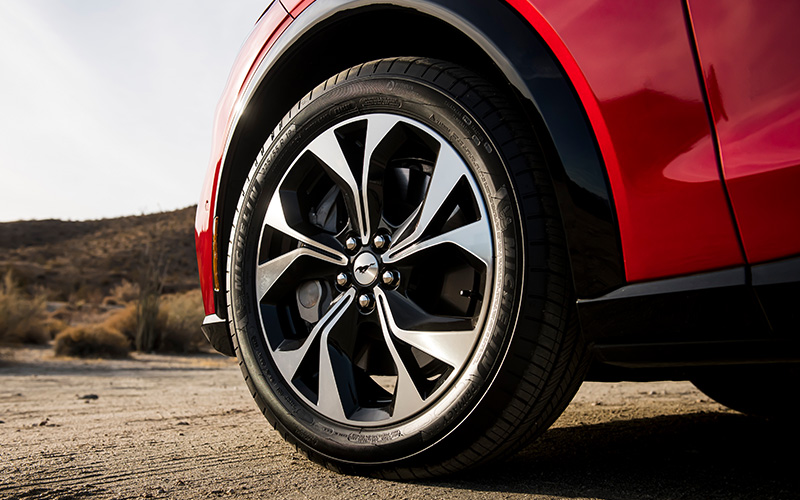
Regarding the use of hard braking in case of an emergency, it’s important to understand that EVs retain traditional friction braking components for this purpose. If you were to remove the wheels from an EV, you would see a rotor, a caliper, brake pads, etc., like those found on gas-powered vehicles. Stopping fast requires hitting the brake pedal as the regenerative braking system is only for slowing down gently.
One-Pedal Driving Benefits
One-pedal driving offers a host of benefits. For one, the friction braking system sees reduced wear and tear as we discuss in this article about electric car maintenance. Depending on your perspective, this could make the idea of spending money on a sweet aftermarket brake kit with cross-drilled rotors and painted calipers that much more enticing as it will last a whole lot longer. And if you’re going to be driving your EV hard, an upgraded friction braking system, like those we dive into here, makes even more sense.
Something to keep in mind, however, is the need to occasionally tap the friction brakes to keep them ready for use. Those rotors can add spots of rust overnight in rainy conditions, but if your vehicle doesn’t have regenerative braking, the rust is quickly cleaned off. With an EV, you may not be using the friction brakes as often, which can allow for significant rust build-up. So, remember to keep those brakes clean.
Because it’s reversing the flow of electricity into the battery pack, one-pedal driving also boosts overall driving range. It won’t add enough juice to substitute for recharging with a plug and outlet, but every little bit helps as the EV charging infrastructure still has a ways to go. As well, one-pedal driving is more convenient since you don’t have to dance your foot back and forth between two pedals.
Getting the Hang of One-Pedal Driving
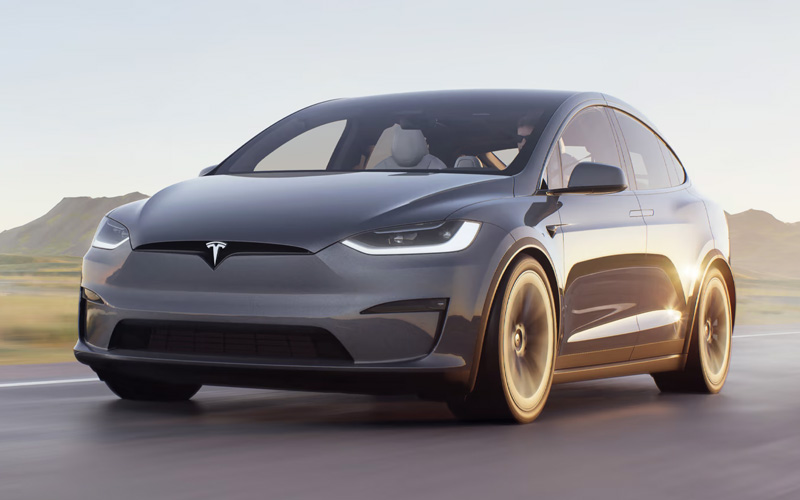
Like with any new vehicle technology, going the one-pedal driving route will require practice and a touch of finesse. Gently releasing the pedal will be helpful in avoiding any lurching and figuring out how much space and time you have before needing to be fully stopped is crucial. Done right, your body will experience a gentle 0.2 g of deceleration force, which is equivalent to 20% of friction braking force.
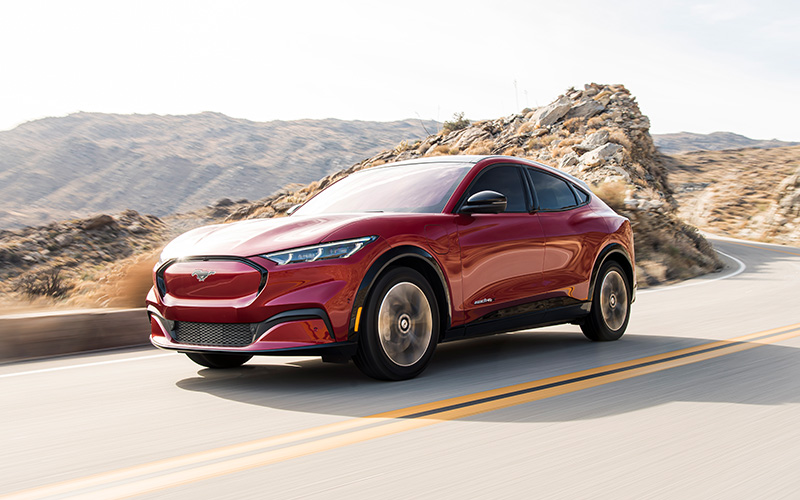
Some vehicles, like the Chevy Bolt EUV, allow owners to adjust the level of regenerative braking during one-pedal driving and turn the system on and off using a physical console-mounted button. The Ford Mustang Mach-E, which we review here, requires toggling an on-off “switch” using the infotainment touchscreen. Others, like Tesla and its falcon-winged Model X have one setting and no off switch.
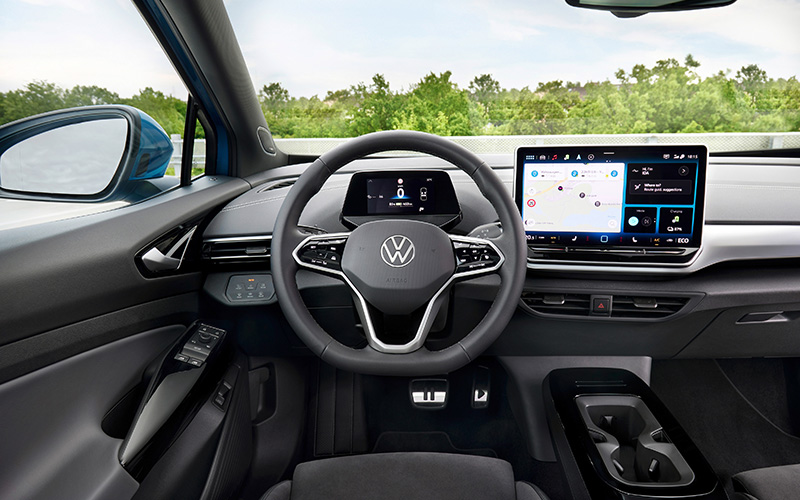
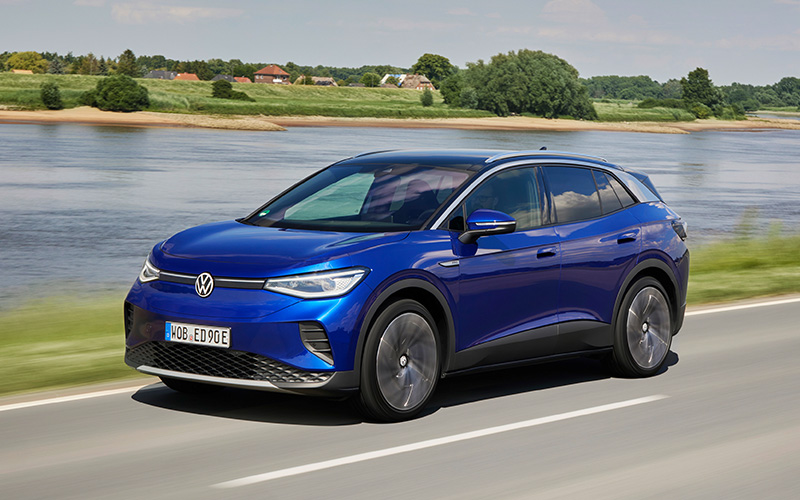
Volkswagen which goes outside the box by offering “D” and “B” drive modes on its ID.4 electric SUV. Selecting “D” mode sets the ID.4 up for a more traditional feel of coasting when a driver takes their foot off the accelerator pedal. Essentially a two-pedal mode, this means the brake pedal must be pressed to slow the vehicle down. Regenerative braking is still activated in “D” mode, but the focus is on coasting to maximize range. In “B” mode, the ID.4 operates like other one-pedal vehicles where regenerative braking slows the car down as soon as the accelerator pedal is released.
One-Pedal Driving is the Future
New automotive technology typically comes with early adopters and the if-it-ain’t-broke-don’t-fix-it naysayers. Certainly, that’s the case with electric vehicles and the shifting landscape of internal combustion engines. Regardless of which side of the debate you land on, it’s hard to deny that one-pedal driving is the kind of automotive technology anyone can love.