Latest News
2026 Subaru Crosstrek ReviewThe Most Innovative Cars of All Time
The history of the automobile is a history of technological innovation as steady improvement is punctuated by major, memorable advancements.Inventing the Future of Cars
Modern cars are a cornucopia of high-end technology. From advanced driver assistance features to screens, screens, and more screens, today’s cars are effectively marketed with an emphasis on the latest and greatest gadgetry. The allure and marketability of cutting-edge technology has been a mainstay since the earliest days of the automotive industry. Today’s average commuter car is the beneficiary of decades of accumulated innovation, full of now commonplace features that were once revelatory. Below is a look at history’s most innovative cars and the technological advances they introduced to the automotive world.
Seatbelts – 1949 Nash
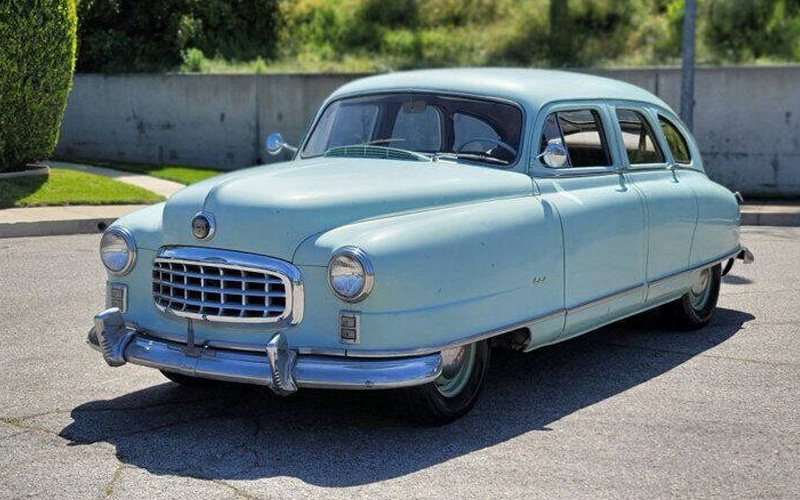
The seatbelt is the most common and, today at least, most utilized piece of safety equipment aside from brakes and mirrors. Despite their obviousness, seatbelts weren’t especially popular when they were first introduced. Nash was the first company to offer retractable seat belts for their 1949 AirFlyte 600s and Ambassadors. Only around 1,000 buyers took the option. The AirFlyte was also innovative for its aerodynamic design (though some likened it to a bathtub) and its “bed-in-car” fold-flat seats. The Saab GT750 was the first car to make seat belts standard equipment in 1958, followed a year later by another Swedish automaker, Volvo who offered the first three-point seat belt in their PV544. The 1975 Volkswagen Golf was the first of many compact cars to feature automatic seat belts.
Assembly Line – 1910 Model T
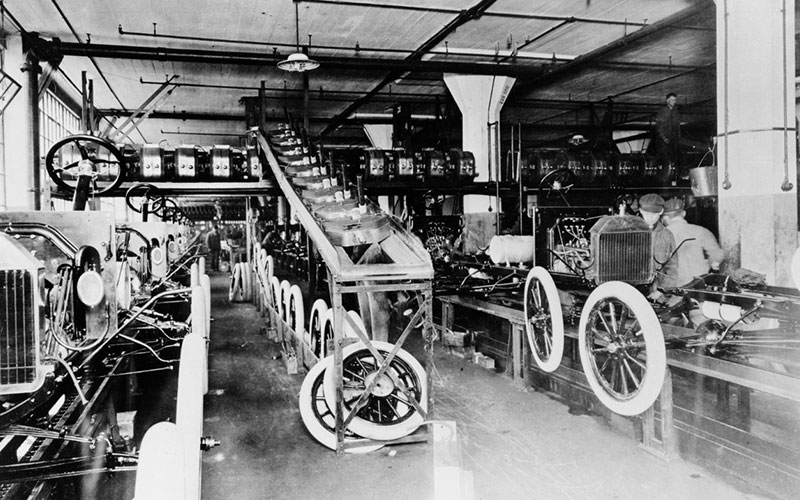
Henry Ford’s contribution to the automotive industry was in demonstrating the value of scale. The early days of the car were dominated by small, boutique companies working in low volumes. Ford’s utilization of the assembly line for car building allowed for increased consistency of product and greatly diminished build times. Prior to 1910, a Model T took an average of 12 ½ hours to build. After Ford had his Highland Park facility up and running, that time per unit was down to roughly 90 minutes.
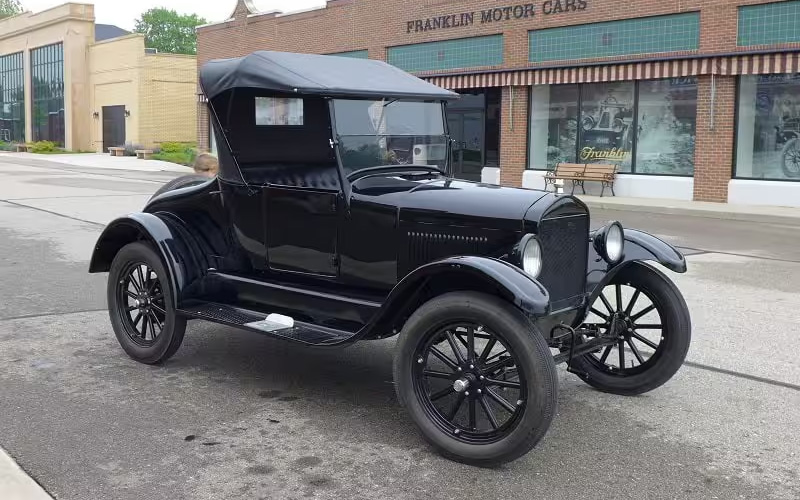
Of course, the Model T was a marvel of engineering as well. The highly modular chassis could play host to trucks (Model TT), roomy sedans, breezy convertibles, and saw conversions to ambulances, tractors (with the appropriate replacement rear axle and steel tractor wheels), and firetrucks. The Model T’s beam axles allow for a level of suspension articulation to make a Jeep blush. Tough and durable, the Model T was also mechanically simple enough for most owners to troubleshoot themselves.
Disc Brakes – 1955 Citroen DS
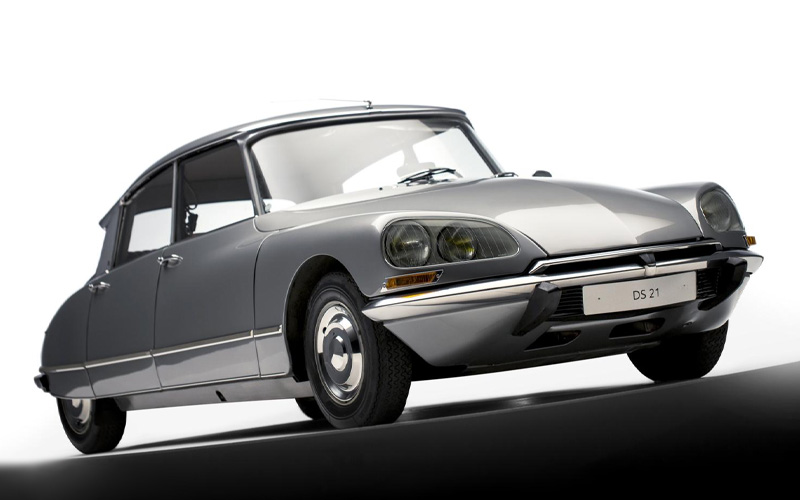
Four-wheel disc brakes were first deployed on a production car in the 1955 Citroen DS. The technology, however, had been around since 1902 and had already seen widespread use in racing applications like the Jaguar C-Type. The DS was also innovative for its use of a hydropneumatics suspension system that featured nitrogen in a spherical reservoir which delivered an exceptionally smooth ride and dynamic suspension travel. The first US production car to feature all-around disc brakes was the 1963 Studebaker Avanti, itself highly innovative as Studebaker’s last gasp as a company. The Avanti’s supercharged V8 put out 290 horsepower and helped the car reach a record 168 mph, making it the fastest production car at the time.
Windshield Wipers – 1922 Cadillac
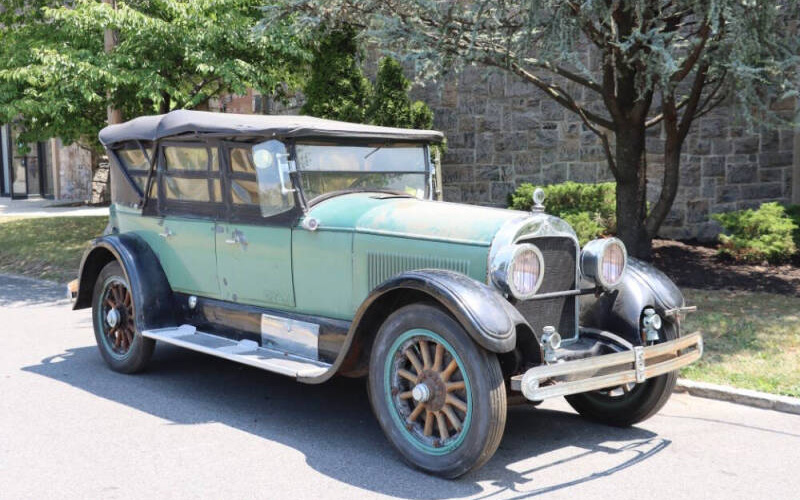
The first car to feature automatic windshield wipers was the 1922 Cadillac but the technology was then decades old. While various patents were filed around the turn of the 20th century, many credit Mary Anderson with patenting the first windshield wiper in 1903, her design initially intended for use on street cars. Patents for intermittent wipers were filed by John Oishei in 1958, John Amos in 1961, and Professor Robert Kearns in 1963. Kearns took his idea to Ford, who rejected it only to deploy a similar design on the 1969 Mercury. Kearns sued Ford and won his case. The 1970 Citroen SM was the first production car to offer rain-sensing wipers.
V8 Motor – 1914 Cadillac
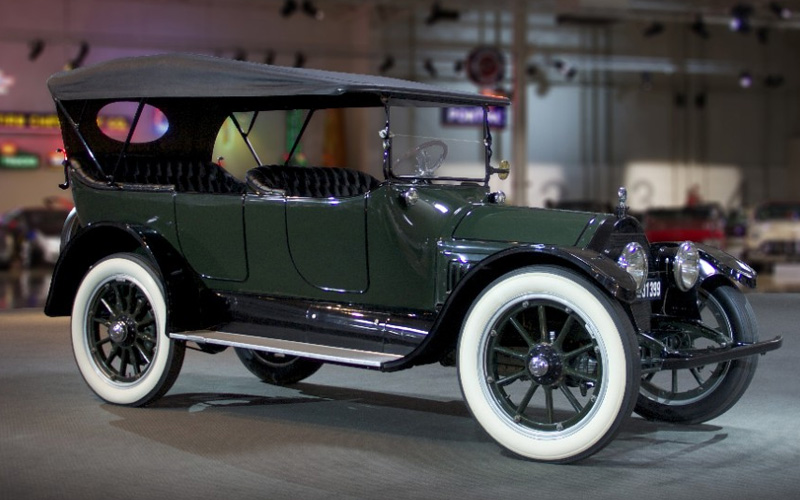
The V8 is the defining American performance motor, the beating heart of hotrods, muscle cars, and pickup trucks alike. The first road car to feature a V8 was a 1905 Rolls-Royce, of which three were equipped with 214 cu.-in. motors were built. The first mass-produced car with a V8 was the 1914 (1915 model year) Cadillac Type 51 with its L-head V8. The 90-degree V8 made 70 horsepower and helped Cadillac sell 13,000 thusly equipped cars in their first year of production. V8 power (as well as straight-eight power) was long the province of luxury models until the Ford Flathead V8 debuted for the Model 18/B in 1932.
Turbocharging – 1962 Oldsmobile Jetfire
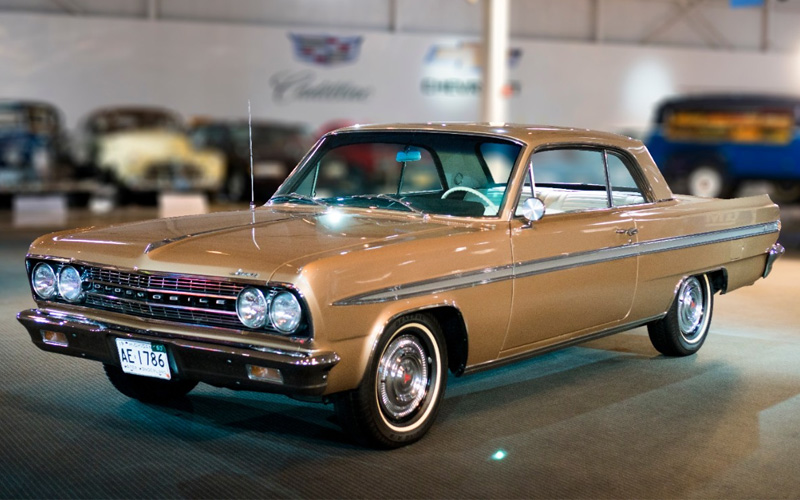
Turbocharging first saw use in the 1962 Oldsmobile Jetfire and the concurrent Chevy Corvair Monza. The Jetfire’s turbo V8 engine was capable of 215 horsepower and 300 lb.-ft. of torque while the Corvair Monza’s air-cooled six-cylinder made 102 horsepower. The experiment was short-lived, lasting only two years in production before GM called it quits on the finicky engines. But turbocharging’s ability to increase power was obvious and quickly saw application across an array of performance cars from the BMW 2002 Turbo and the 930-generation Porsche 911 Turbo to Group B rally cars of the early 1980s and your neighbor’s tuner WRX. Today, turbocharging has been widely adopted for modern cars to achieve higher horsepower without sacrificing fuel economy and can be found in everything from Ford EcoBoost engines to hybrid supercars like the Ferrari 296 GTB and Lamborghini Temerario.
4WD – 1941 Willys Jeep
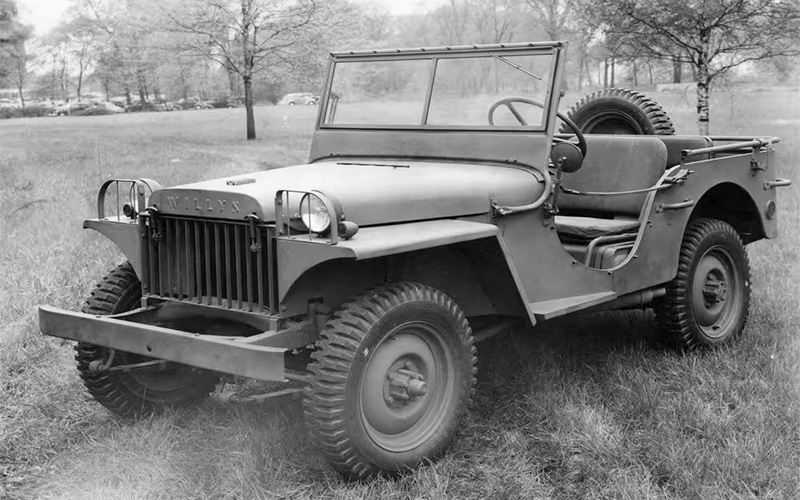
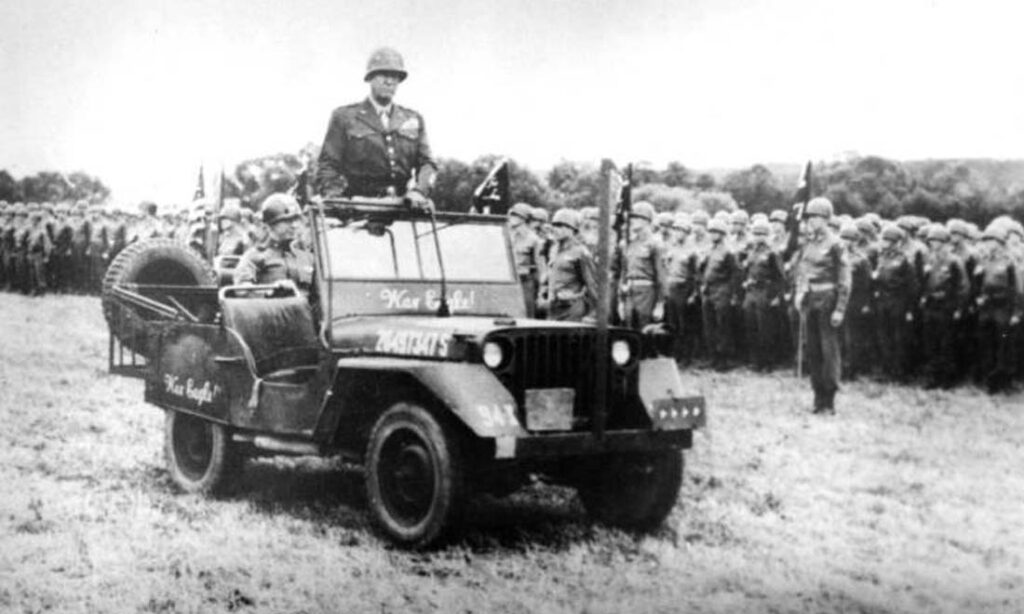
No, the Willys Jeep was not the first mass-produced four-wheel drive vehicle, but it was by far the most important and influential. 4WD was first seen in a production vehicle four decades earlier in the Spyker 60 H.P. in 1903. The first 4WD truck built in numbers was the Jeffry/Nash Quad of 1913 which also featured four-wheel steering as well. Dodge used four-wheel drive for their 1 ½-ton build for the US Army in 1934. Other military trucks of the 1930s from Germany, Japan, and Russia all adopted 4WD.
Of course, the most influential 4WD vehicle, perhaps ever, was the Willys-Overland Jeep built for the US Army starting in 1941. The jeep was so impressive it quickly spawned long-lived imitations in the Toyota Land Cruiser and Land Rover and served as inspiration for the International Harvester Scout, Ford Bronco, Blazer, and basically all subsequent off-road oriented SUVs. In many ways, today’s 4WD and AWD SUVs all want to grow up to be as rugged as the original Willys Jeep.
Cruise Control – 1958 Chrysler Imperial
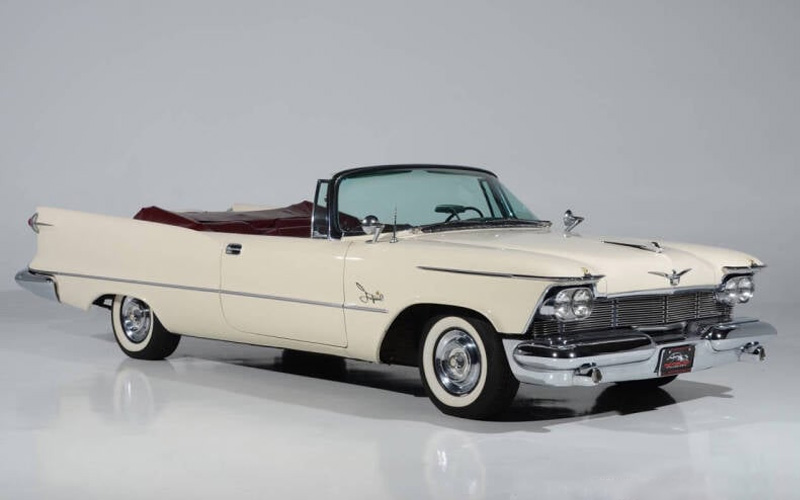
Driver’s aids and advanced driver assistance features now come as standard equipment in most new cars. They have their antecedence in the 1958 Chrysler Imperial’s “Auto-Pilot” cruise control feature. Cruiser control was first invented in 1948 by engineer Ralph Teeter (the first blind person to receive an engineering degree in the US). Teeter got the idea when he noticed that his friend drove at varying speeds during conversation, depending on who was talking. The herky-jerky ride gave Teeter the idea of a continual speed setting and he patented his “Speedo Stat” in 1948. The system was first deployed in Chrysler’s halo car, the Imperial, in 1958 and was offered lineup wide the following year.
Targa Top – 1967 Porsche 911
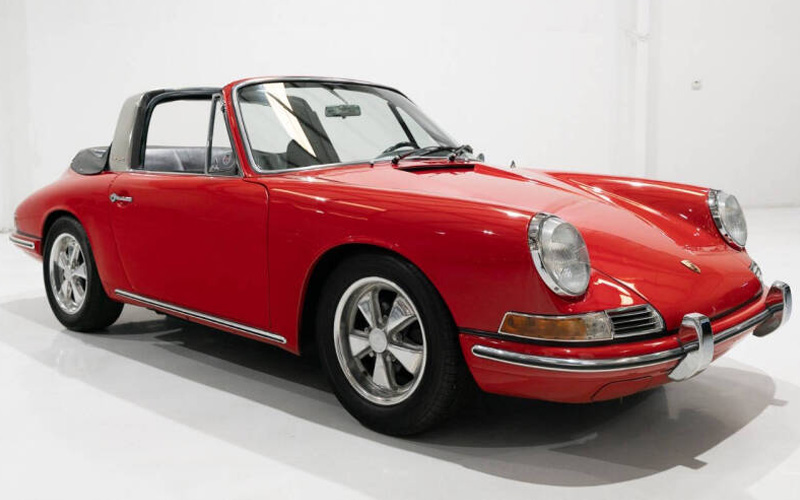
Like the Willys Jeep not being strictly the first 4WD vehicle, the Porsche 911 wasn’t the first car to feature a Targa top-like design. The idea of a removable roof panel had been implemented in the 1957 Fiat 1200 “Wonderful” and later in the Triumph TR4 of 1961. Porsche decided to produce what they called the Targa top, named after the Targa Florio race in Sicily, in response to rumors that the US was likely to ban convertible cars. The regulations never materialized but the Targa top remained and even became the default name for the design industry-wide.
Air Conditioning – 1940 Packard
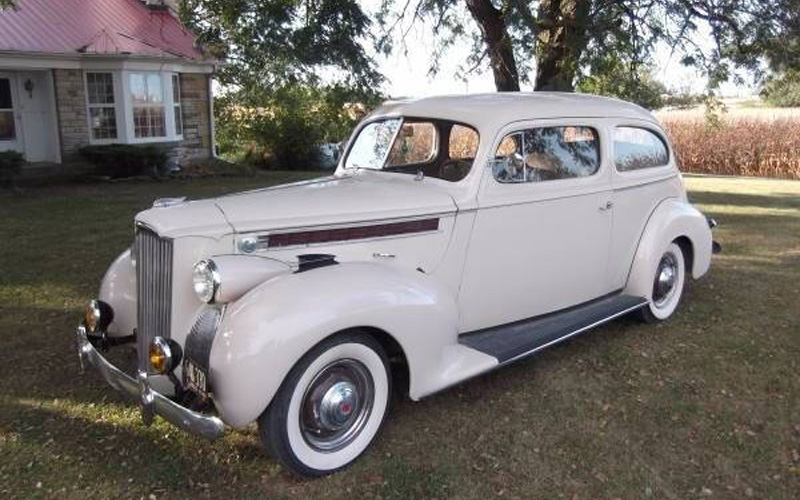
Fans of classic cars will know well that air conditioning was not always a standard feature in cars. The first mass-produced car to feature A/C was the 1940 Packard which produced around 2,000 units thus equipped. That system was bulky, taking up half the trunk space, and expensive, equivalent to over $7,000 in today’s money. Packard nixed their A/C offering after just two years of production. It took a few years and advancements in technology before Chrysler deployed A/C in the Imperial for 1953 with their Airtemp system. Nash endowed the Ambassador with A/C a year later, which made sense considering the Kelvinator half of Nash/Kelvinator was originally a refrigerator company.
Limited-Slip Differential – 1956 Packard
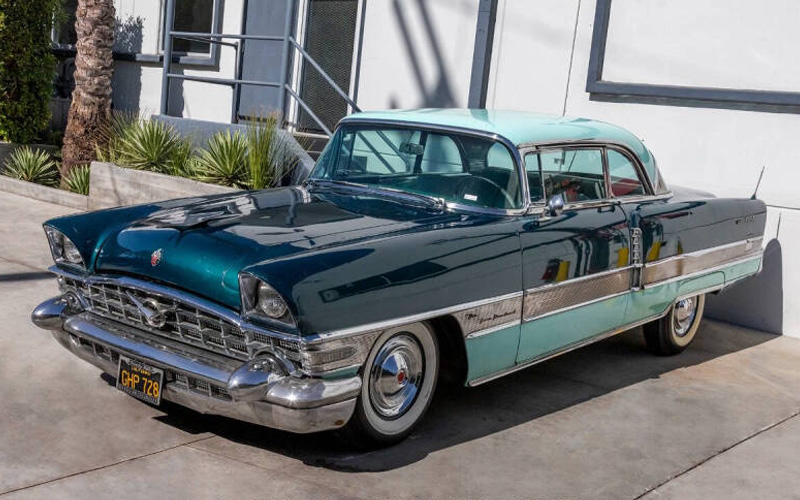
The limited-slip differential was first developed at the behest of Ferdinand Porsche in 1935 for use in Auto Unions Grand Prix racecars, with engineering from the German engineering firm ZF. The first car company to offer a limited-slip differential was Packard with their “Twin-Traction” in 1956 and followed closely by GM’s “Positraction” in 1957.
(Brief historical aside: Like the Targa top, Positraction became the industry byword for a limited-slip differential regardless of which company made it. A similar “Kleenex-effect” occurred around the same time with Chevy’s “Stepside” name becoming common parlance for all similar flared fender truck beds, even as they were marketed under competing titles like GMC’s “Fenderside” or Ford’s “Flareside.”)
Fuel Injection – 1955 Mercedes-Benz 300 SL
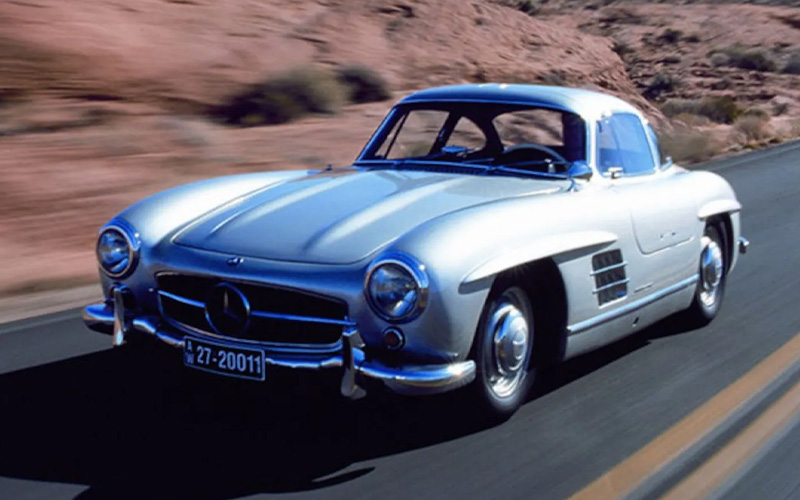
Easily one of the most innovative cars of all time was the 1955 Mercedes-Benz 300 SL “gullwing.” The gullwing was built off the Mercedes’ W194 racecar. Adapting that car’s space-age tubular chassis, with its high frame rails, to the road is what necessitated the car’s namesake vertically hinging door design. The 300 SL’s most innovative feature, however, was its fuel-injected 3.0L straight-six engine which made 240 horsepower and 294 lb.-ft. of torque. As the first fuel-injected production car, the 300 SL was capable of a 140-mph top speed, making it also the fastest production car in the world in 1955.
Automatic Transmission – 1940/48 Oldsmobile Series 60
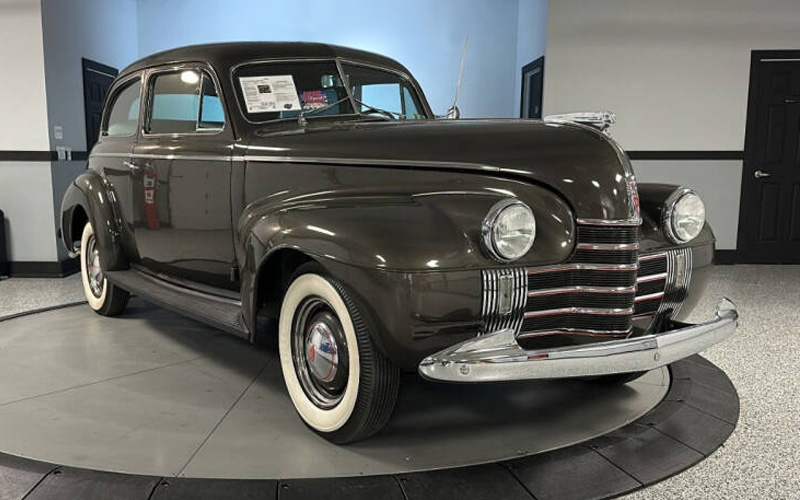
Rowing through might be an enthusiast’s preference but for many commuters the advent of the automatic transmission was a much-welcomed convenience. The first mass-produced automatic transmission, GM’s Hydramatic, was deployed in the 1940 model Oldsmobile Series 60. Reportedly, GM chose Oldsmobile as the test case, fearing poor performance for the new technology could damage their more prestigious Cadillac and Buick brands. Their worries proved unwarranted as the Hydramatic option was both popular and mechanically sound, and Cadillac adopted them a year later.
Like turbocharging, CVTs or continuously variable transmissions have become a go-to bit of efficiency tech for carmakers seeking to eke an extra few mpg from their powertrains. The CVT first saw use in a mass-produced car in the 1958 DAF 600 (a Dutch car) and became widespread, especially in Japanese cars, in the early 2000s. However, the technology dates all the way back to the 1870s and was first invented by Milton Reeves for sawmilling and only later adopted (by Reeves) for use in cars.