
Latest News
2027 Chevrolet Equinox ReviewUsing Your Tax Refund to Buy a Car
Got a tax return coming? we cover all of the available options and give you tips on how to maximize your car buying dollar.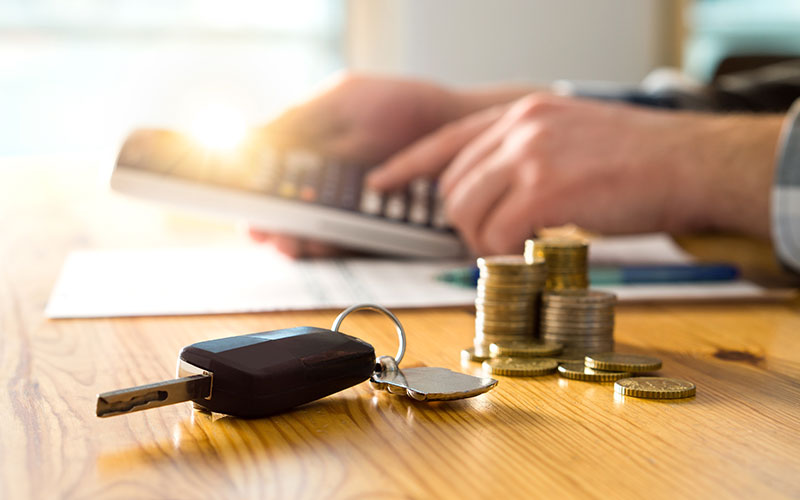
Turn that Tax Return into a Ride
As tax season approaches it could mean a big boom to your bank account. Dealers across the nation know that and they’re often willing to provide special offers during the season. With that in mind, it’s time to consider how one can use their tax return to buy a car. We’ll cover all of the bases from paying off what you’ve already got to leasing a new whip and everything in between.
The Simplest Solution
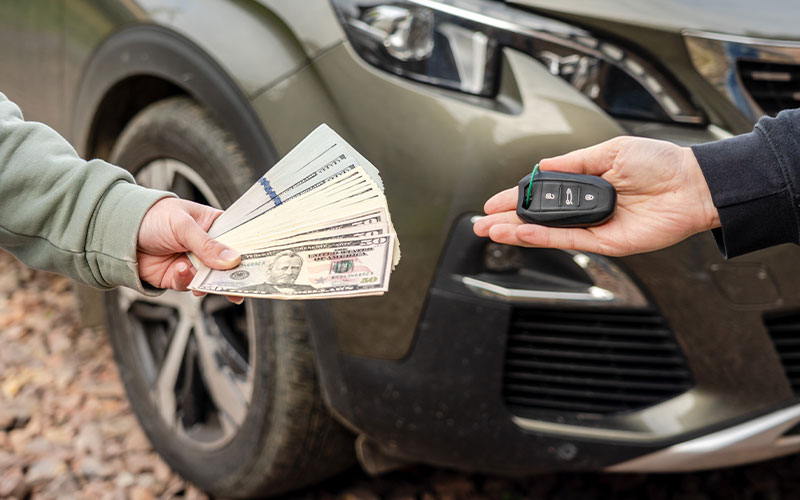
For some, a tax return might just be enough to purchase an inexpensive used vehicle. The benefits are unique too since buying a car outright means not having to make expensive monthly payments. It also means cutting out any concern about interest rates. Those willing to carry just liability insurance also have that option which saves even more cash.
On the other hand, there are some concerns. The average refund is in the neighborhood of about $3,000 which isn’t enough to buy very many cars on the used market. On top of that, cars in this price range are typically likely to have significant issues that require more money to repair and maintain. Should you want to avoid those potential downfalls there are some other options.
Perhaps you’re in a situation to pay off a loan with your tax return. In that case, you’ll benefit in just the same three ways described above but you also have a car that you know well. No, it’s not a shiny new car, but now you have the freedom to sell it or trade it in without getting the loan company involved. Reducing debt can also improve one’s credit score and thusly make the purchase of a new car that much easier.
Use Your Return as a Down Payment
Using a tax return as a down payment can be a great way to drive down monthly payments and decrease the hit that interest rates can have over the course of more payments. Most dealers and banks will recommend putting between 10 and 20 percent of the final price down on the car in question.
That means that a $3,000 refund is at best good for a $30,000 car. Be sure to stick within your budget and use these tips to help you avoid paying too much. If you’ve decided to use your tax return as a down payment there are a couple of other important options to choose from.
Consider Certified Pre-Owned Cars

Those open to buying a used car do well to consider Certified Pre-Owned or CPO cars. Most automakers offer a CPO program where they resell one of their own vehicles at a discounted rate but add additional warranty or maintenance or both to the deal.
We have a full rundown of our favorite CPO programs here for those interested. The benefits of going with a CPO car are numerous. They’re far cheaper than new cars but offer most of the tech and luxury features of a car that would otherwise cost thousands more.
Lease A New Vehicle

Those who don’t mind trading out cars every few years could lease a new vehicle rather than buy one. There are marked benefits to leasing but they often come with higher interest rates. On top of that, one never builds equity in a lease unless one decides to buy the car at the end of the lease period.
Typically, it’s not recommended to use a tax return for a down payment on such a vehicle though because in the event of a crash, you’re out that money. Instead, it can be useful to stash that money away for future costs associated with the car. On the other hand, in scenarios where only leasing will do and the monthly cost is a bit too much to handle, a down payment can lead to a decreasing monthly payment.
Last Minute Thoughts
Tax refund season is fast approaching so prepare your taxes now so that you can file sooner. The quicker you have your refund in hand, the faster you can shop for a new car and the bigger the pool of available cars will be.
As we’ve stressed numerous times in the past, knowing your local market is key but being willing to search outside of that area could also save you thousands. Don’t tell the dealer in question that you’re walking in with a few extra thousand dollars to slap down on a car. Focus on your budget, negotiate the best terms possible, and then go from there. Happy shopping!