
Latest News
2026 Ford Maverick Review
Rust makes your car look bad and lowers its value. Here are some effective ways to prevent rust on your car and make your exterior maintain its appearance.
Understanding Rust Formation
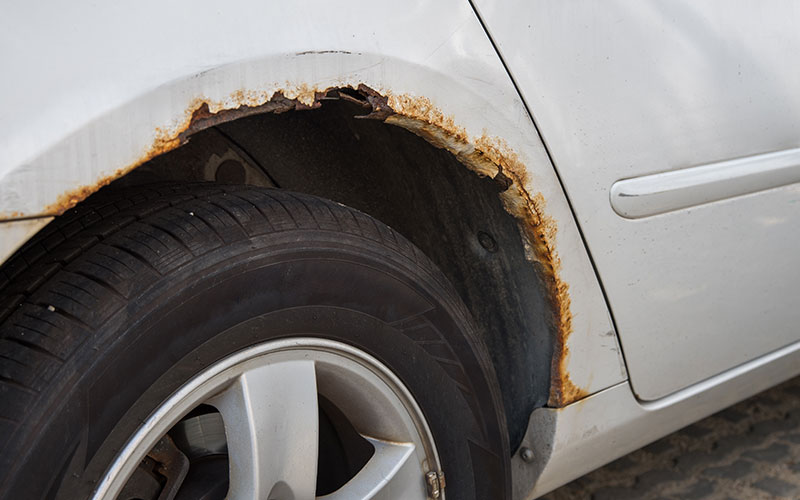
Before delving into preventive measures, it’s crucial to comprehend how rust forms. Rust is formed through a chemical reaction called oxidation, which happens when iron or steel combines with oxygen and moisture. The presence of salt, especially in regions with snow or near coastal areas, accelerates the rusting process due to the electrolytic nature of saltwater. Therefore, the primary goal of rust prevention is to create barriers that inhibit these three factors: oxygen, moisture, and salt.
Rust damage can cost hundreds – sometimes even thousands – of dollars to repair. The price of paint alone will surprise you, not to mention all of labor that is involved. Stay on top of it so you don’t have to spend big money in the future.
Regular Cleaning and Maintenance

There are several things that you’ll need to do to stay on top of rust. These are simple steps that could possibly save you a ton of money down the road. Once rust sets up shop on your vehicle, it can get expensive to repair. Here are a few ideas to help keep your vehicle looking great.
Frequent Washing
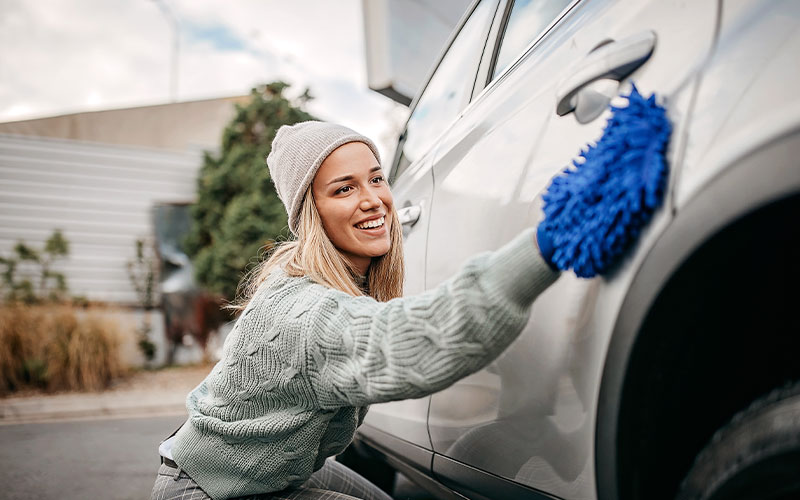
Regularly washing your car is one of the simplest and most effective ways to prevent rust. Removing dirt, debris, and contaminants from the car’s surface helps maintain the protective finish. To prevent scratches, use a gentle car wash soap and a soft sponge or microfiber fabric.
Undercarriage Cleaning
Pay special attention to the undercarriage, where moisture, salt, and debris tend to accumulate. Many car wash facilities offer undercarriage cleaning services, or you can use a hose to rinse off accumulated dirt.
Waxing and Sealing
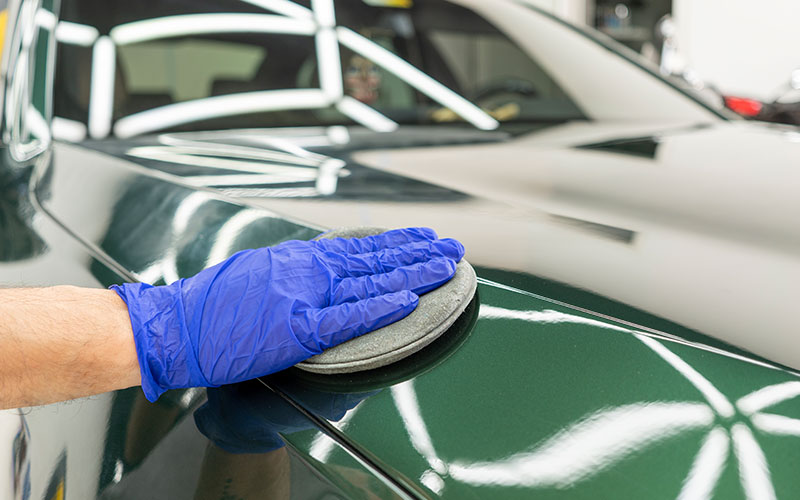
Applying wax or sealant to your car’s exterior creates a protective barrier against moisture and contaminants. These products fill in small imperfections in the paint, reducing the likelihood of rust formation. Wax your car at least twice a year, ideally before the start of winter and summer.
Rust-Resistant Coatings
Consider applying rust-resistant coatings or treatments to vulnerable areas such as the undercarriage, wheel wells, and exposed metal parts. These coatings provide an additional layer of protection against moisture and salt.
Scratch and Chip Repair
Promptly repair any scratches, dings, or chipped paint on your car’s surface. Exposed metal can quickly rust, so touching up these imperfections with matching paint helps maintain the protective barrier. Many times, you can get touch-up paint kits from your vehicle’s dealership. This ensures that the colors will match exactly. If you don’t have the original paint on your vehicle, an automotive body repair shop should be able to match it. It is never a bad idea to keep some on hand!
Protective Measures
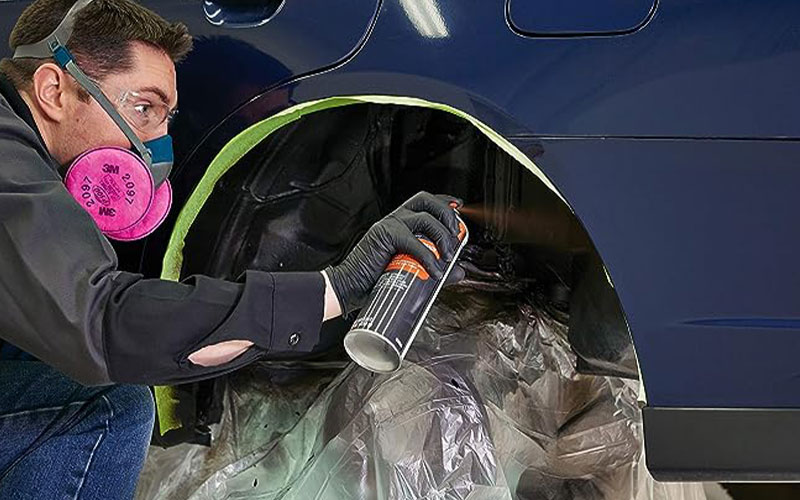
Rustproofing
Rust-proofing treatments involve applying a protective layer to the car’s metal components. This can be done professionally or through DIY kits. Rust-proofing products often contain rust inhibitors, corrosion-resistant materials, and moisture-repellent compounds.
Rubberized Undercoating
Applying a rubberized undercoating to the underside of your car forms a protective barrier against moisture and road salt. This thick, durable coating helps reduce the risk of rust forming on the chassis and other vulnerable parts.
Electronic Rust Inhibitors
These devices use electronic pulses or electromagnetic fields to create a barrier against rust formation. They are typically installed in the car’s body and can help slow down rust development.

Rust Inhibiting Sprays
Rust inhibiting sprays or penetrating oils can be applied to hard-to-reach areas, such as inside door panels and other crevices. These products displace moisture and create a protective film on metal surfaces.
Regular Inspection
Routinely inspect your car’s exterior for signs of rust or corrosion. Catching rust in its early stages allows for timely intervention and prevents further spread.
Storage and Environment
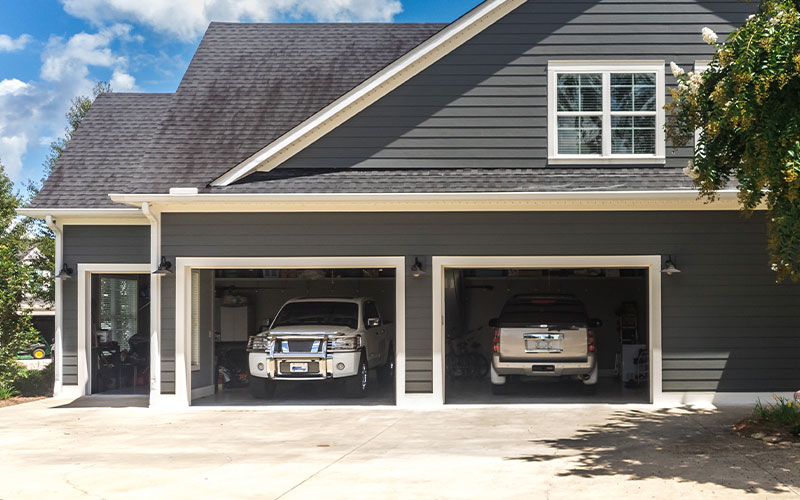
Garage Parking
Whenever possible, park your car in a garage or covered area. Sheltering your vehicle from rain, snow, and harsh sunlight reduces its exposure to moisture and UV radiation, both of which contribute to rust formation.
Car Covers
If garage parking is not an option, consider using a high-quality, breathable car cover. Ensure the cover fits snugly and is free of debris before placing it on your car.
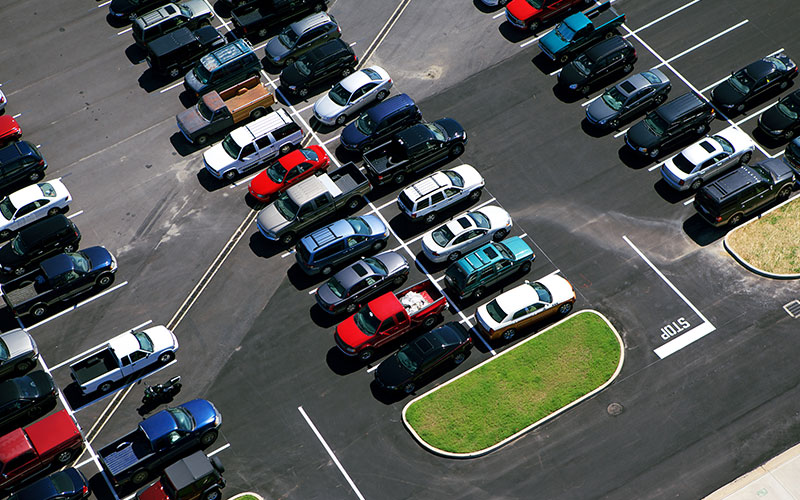
Elevated Parking
When parking in public areas, opt for elevated or paved surfaces rather than grass or dirt lots. This minimizes direct contact with moisture-laden ground and reduces the risk of rust forming on the undercarriage.
Regular Driving
Regularly driving your car helps prevent rust by allowing the heat generated by the engine to evaporate moisture and dry out the undercarriage. Long periods of inactivity can lead to moisture accumulation, especially in enclosed spaces.
Stopping Rust on Your Car is a Multi-Step Process
Preventing rust on your car requires a combination of proactive maintenance, protective measures, and environmental considerations. By understanding the factors that contribute to rust formation and implementing a comprehensive prevention strategy, you can extend the lifespan of your vehicle, maintain its aesthetic appeal, and protect your investment. Regular cleaning, protective coatings, rust inhibitors, and thoughtful storage practices all play essential roles in keeping rust at bay. Remember, a little effort in rust prevention today can save you significant time and money on repairs in the future.