
Latest News
2026 Ford Maverick Review
A number of cars are going out of production after this year as auto manufacturers turn their focus towards more electrified options.
Audi Sports Cars Ending This Year
The Audi TT is being discontinued after four generations over the course of over 20 years. Audi has decided to cease production of the fun little car, including the more powerful TTS variant, as they move forward with their plans for electrification. While it is sad to see the TT drive off into the sunset, the nameplate isn’t completely dead. Just the sports car we’ve known is. Audi is rumored to have plans in motion that would bring the TT nameplate back for an upcoming electric SUV.
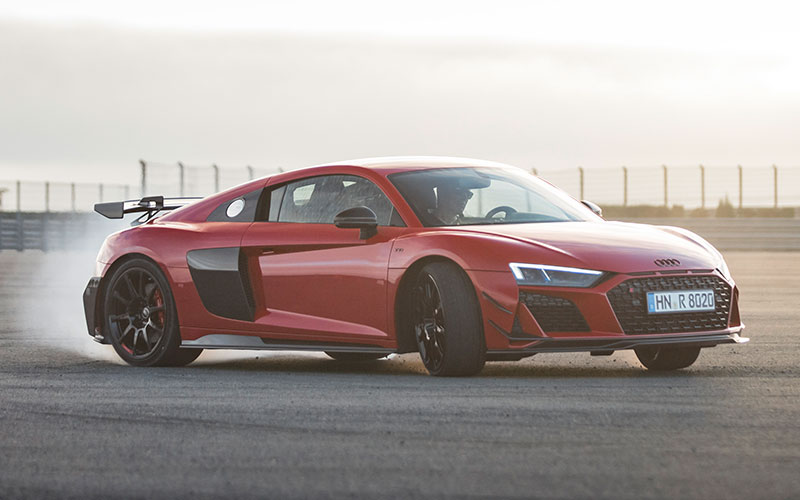
Audi isn’t just ending the TT, it’s also ending the production of their other exciting two-door coupe and convertible option, the Audi R8. The mid-engine supercar has been around since 2008, but it’s getting canned with no plans currently in motion to replace its spot in the lineup. The Audi R8 happens to share a platform with the Huracán, which Lamborghini has announced plans of discontinuing next year.
It’s a shame that Audi is pulling out of the coupe and convertible game, but maybe we’ll see a two-door car again from the German brand a few more years down the line. It just might be completely electric this time around though.
Chevrolet Already Pulling the Plug on Some EVs
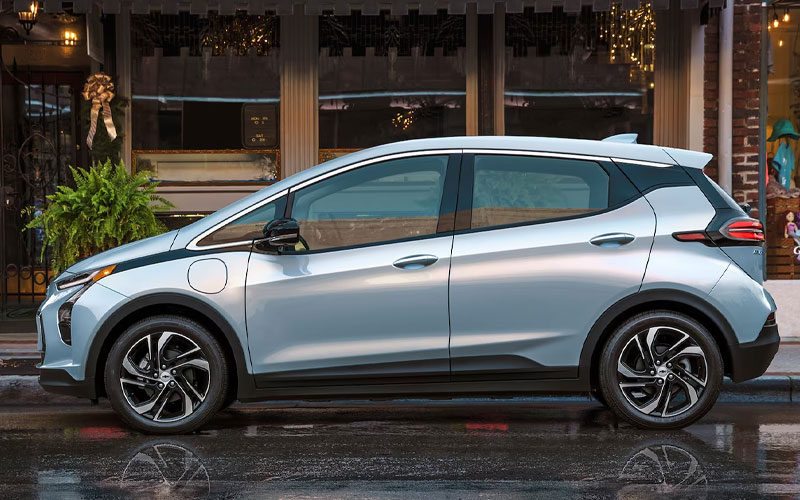
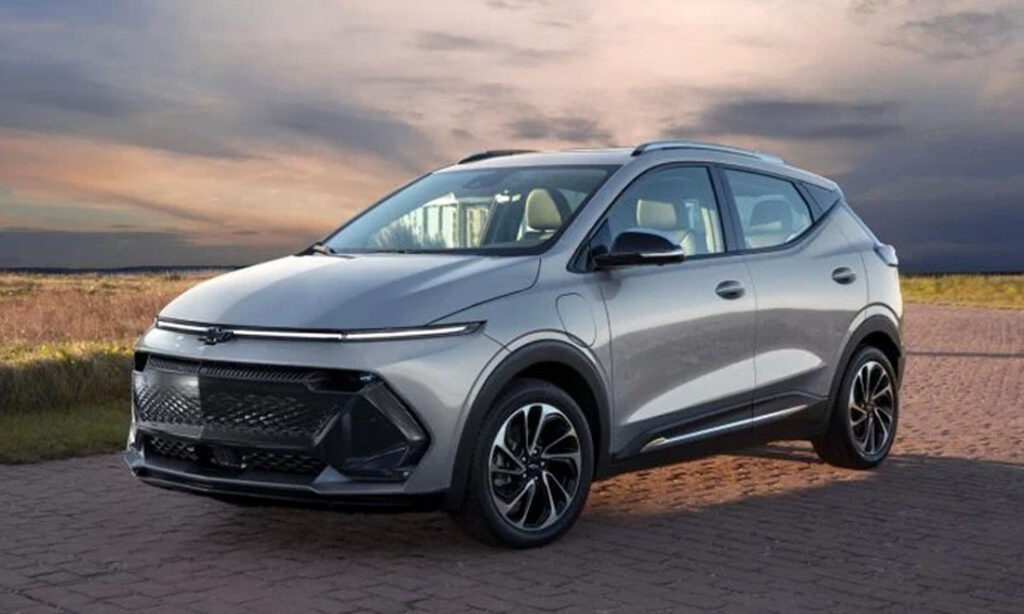
Chevrolet is already discontinuing their first electric vehicles, the Bolt EV and EUV. That is, at least for a brief period of time. Both of the compact Chevy EVs are taking a hiatus for 2024 as the company puts plans in motion to craft the second generation of the models. Neither the Bolt EV or Bolt EUV were particularly exciting, but having two of the cheapest EVs on the market gone for a year or two won’t help electrification adoption efforts.
Chrysler 300 Coming to an End
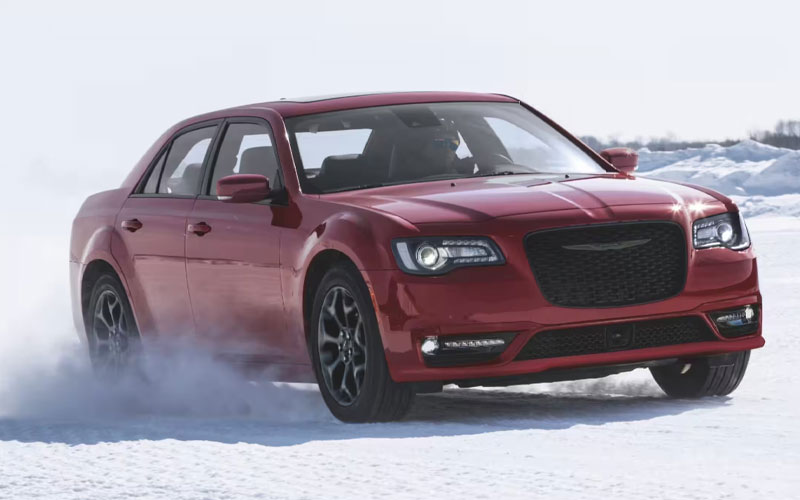
Chrysler will be left with just one vehicle in its lineup, the Chrysler Pacifica minivan, for next year. The historic Chrysler 300 is leaving the automotive world as we know it. Although an electrified return could be on the horizon in a few years, it isn’t the rumbling 300 that fans of the model have come to enjoy. Chrysler is giving those fans something to cheer about as they send the current 300 out with a bang. The commemorative Chrysler 300C edition features a 6.4L HEMI V8 engine under the hood making 485 horsepower. It’s at least a proper last hurrah for the gas powered 300.
Dodge’s Last Call for Modern Muscle Cars
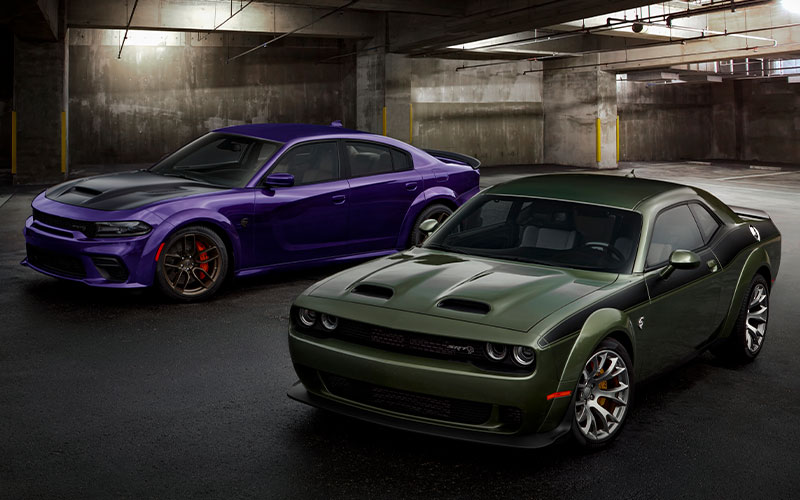
Chrysler isn’t the only Stellantis brand that’s starting to nix big name, gas-powered cars from their lineup. Dodge has begun their electrification plans by announcing the end of the Charger and Challenger. The modern muscle car era is coming to an end and the next time we might see these iconic names back in the automotive world will be as electric vehicles. Dodge is sending off these powerful gassers with some Last Call special editions to celebrate their legacies and to salute the brawny Hellcat engine as it is put out to pasture. The Dodge Durango is also joining in on the festivities by providing a Hellcat powered model once again, but the current generation of the SUV is due to end next year with a new hybridized or fully electric successor coming soon.
Ford Ending Transit Connect
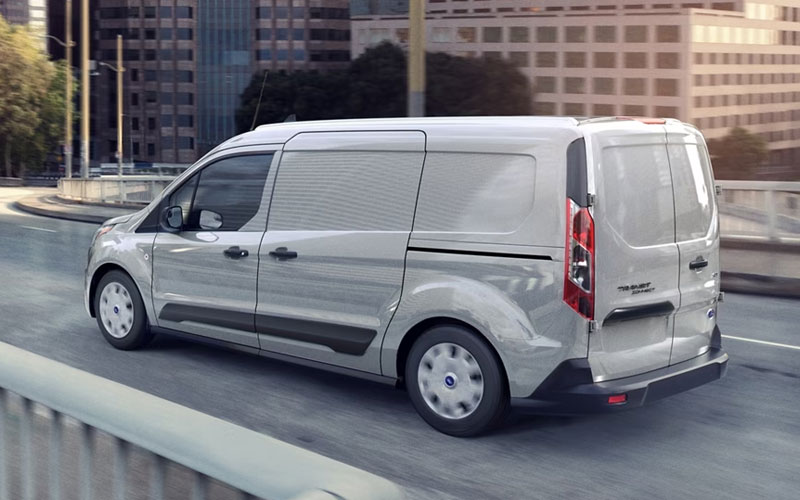
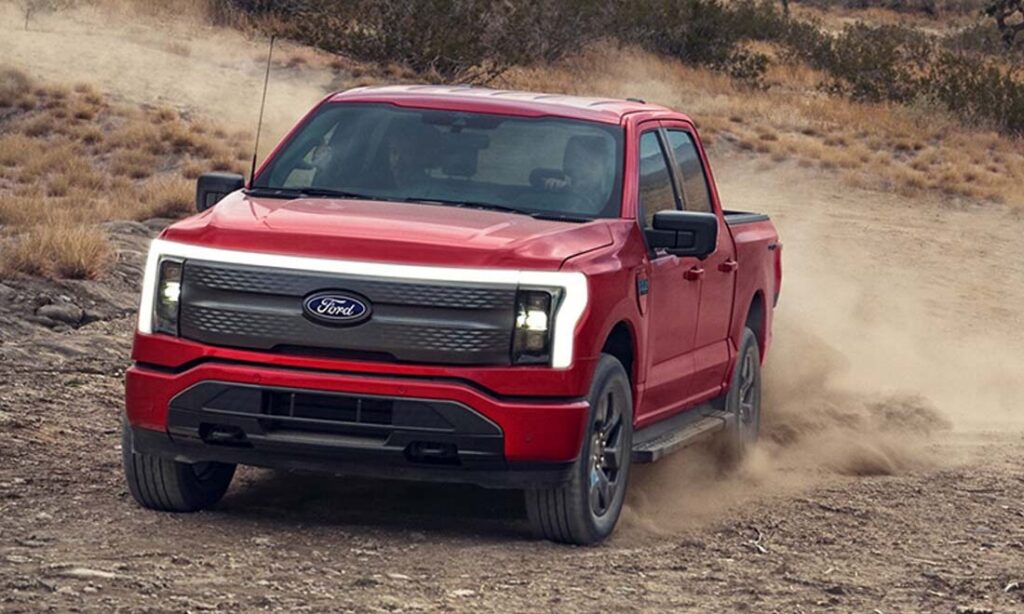
Ford is ending the Ford Transit Connect, ushering in the end of the compact van world. The Transit Connect was a great option for businesses that needed an affordable and flexible cargo van or passenger van. Ford is still producing the larger Ford Transit for those areas of the commercial automotive market, but there isn’t really a compact option available anymore unless these auto manufacturers can fill the void once their electric infrastructure is in place.
This is only the tip of the iceberg for Ford and its lineup cuts though as the brand moves towards fully discontinuing some current models in place of new hybrid and fully electric vehicles in the coming years. In fact, next up on their chopping block is the Ford Edge as they prepare to convert the factory its produced at to be focused on electric vehicle production.
Genesis Not Pursuing Another G70
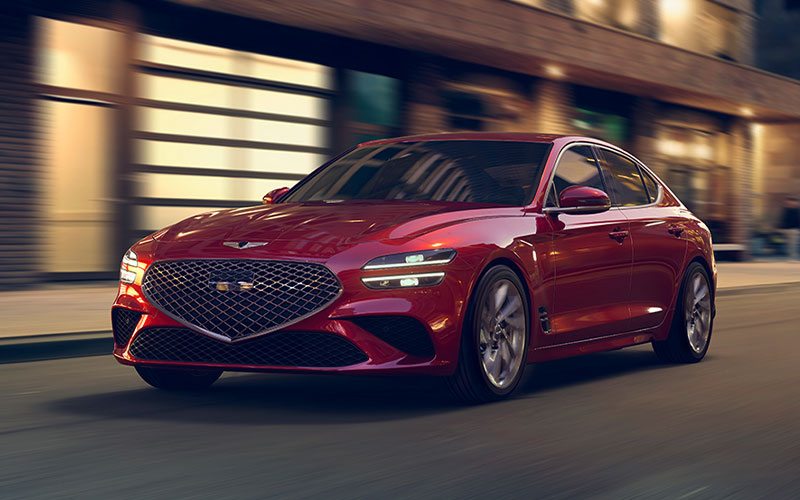
Hyundai’s luxury brand, Genesis, announced that they’ve stopped development on their G70 sedan leading to speculation that this year could be its swan song. The Genesis G70 provided a higher end version of the Kia Stinger, but the Genesis model couldn’t find its foothold and suffered from poor sales. The company had started plans for an internally designated RN2 project for the second generation of the G70 that was said to be an EV, but the company has moved on to better performing namesakes instead.
Kia Discontinuing Rio and Stinger
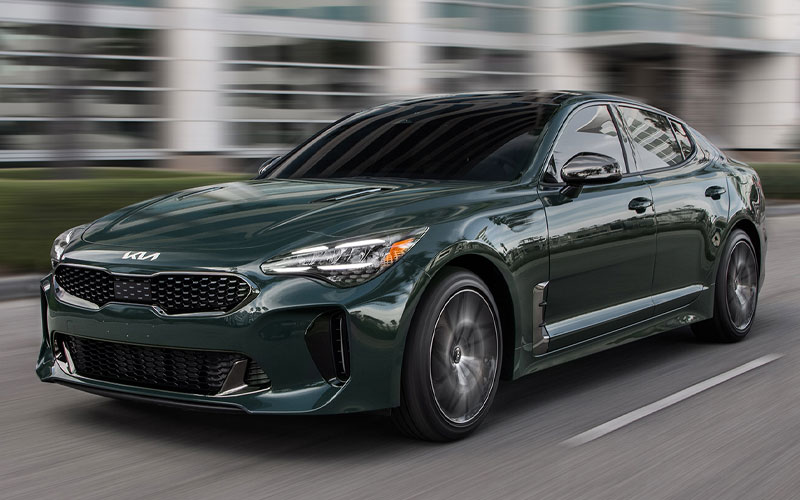
The writing is on the wall for the Genesis G70, but its Kia clone is already announced to be done for. The Kia Stinger was an exciting divergence from the cheap economy vehicles that the South Korean brand is known for, but it couldn’t find a large enough audience to keep it profitable. Kia is also shuttering their subcompact Rio this year as they focus on more profitable models and newer electric vehicles. This furthers the entry-level gap for the new car purchasers, leaving the Nissan Versa and Mitsubishi Mirage to be the last new cars available for an under $20,000 price point.
The Jeep Cherokee is Dead… Again
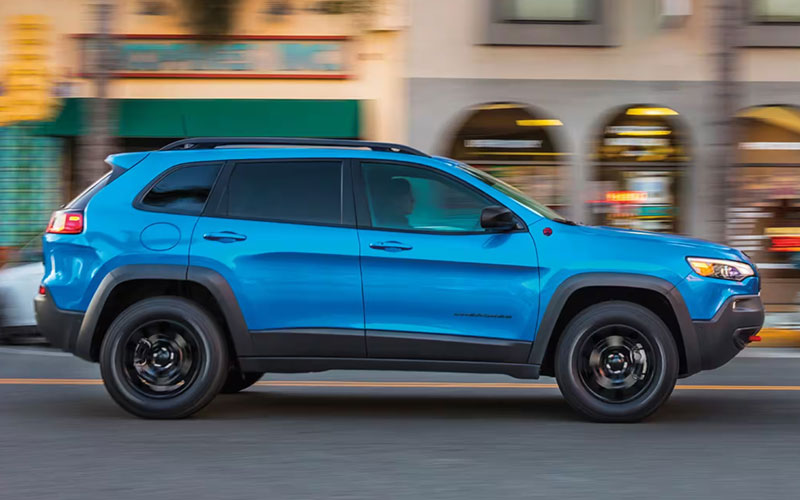
Jeep brought back the Cherokee in 2014, but the off-road centric brand is discontinuing the nameplate once again. Sales have been falling in recent years for the mid-size SUV while the rest of the lineup has either remained steady or continued to grow year after year. There are no plans for an immediate replacement currently in the works at Jeep, but this could have been the last time that the Cherokee is resurrected.
Mazda Dropping CX-9 and Relatively New MX-30 EV
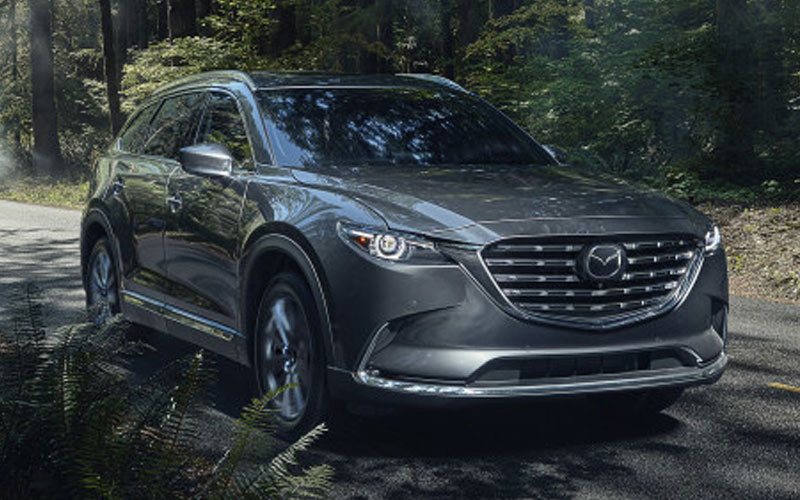
Mazda is dropping two of its SUVs from their cramped lineup. The first is the Mazda CX-9 that’s been a great premium SUV in both quality and handling, albeit smaller in comparison to its competition (especially for that third row). It is being discontinued in favor of Mazda’s all-new three-row SUV, the CX-90. The CX-90 fills the need for the same audience while also being a slightly larger vehicle, helping to correct the stigma that the CX-9 carried with it.
Mazda is also surprisingly ending its relatively new MX-30. The electric vehicle looked great, but its success was hampered by its low driving range of only about 100 miles, $34,110 starting price, and limited availability to the state of California. This doesn’t mean Mazda is completely out of the electrified trend, but they’re focusing on plug-in hybrids exclusively for the time being as they head back to the drawing board for their next EV.
Mercedes-Benz Trims Its Convoluted Lineup
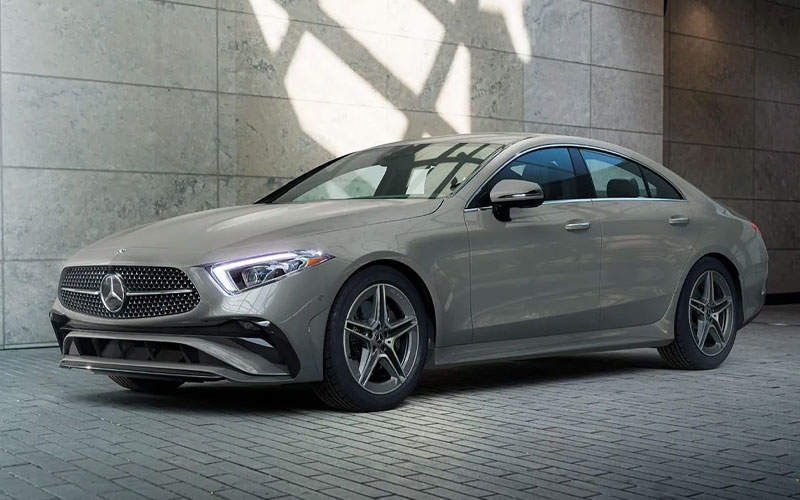
Mercedes-Benz is chopping its extensive list of variations in models as they prepare to introduce more fully electric models. The first model Mercedes-Benz is dropping is the Metris van for the US market. Metris couldn’t find an audience here in the states that the Sprinter has and couldn’t stay competitive against the Ford Transit Connect (even though that’s leaving too).
Mercedes is also dropping coupe and cabriolet versions of the C-Class and E-Class. Both of these models are continuing as luxury sedans, but Mercedes is directing the two-door void left by these models to the new CLE-Class coupe and cabriolet. The luxury German auto maker is also closing the doors on another “coupe”, the four-door CLS-Class. Mercedes already has the E-Class and four door AMG GT on the docket within the same mid-size luxury sedan segment that the CLS-Class resides, so stopping the internal competition only makes sense.
Nissan Discontinues Maxima and Rogue Sport
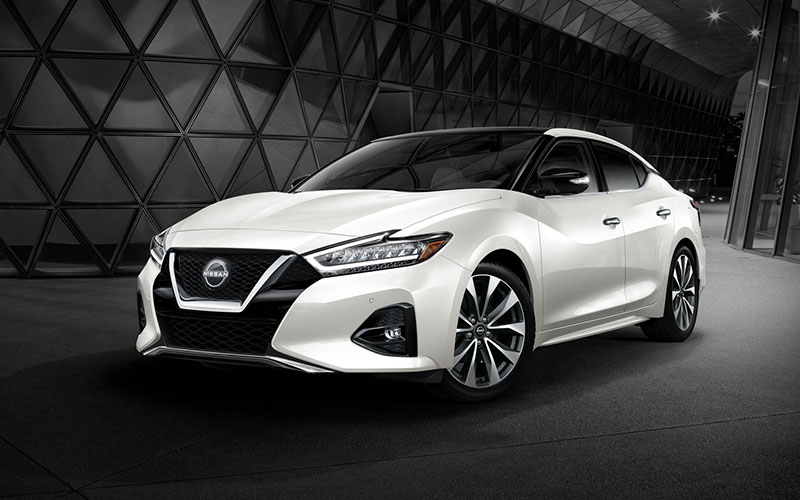
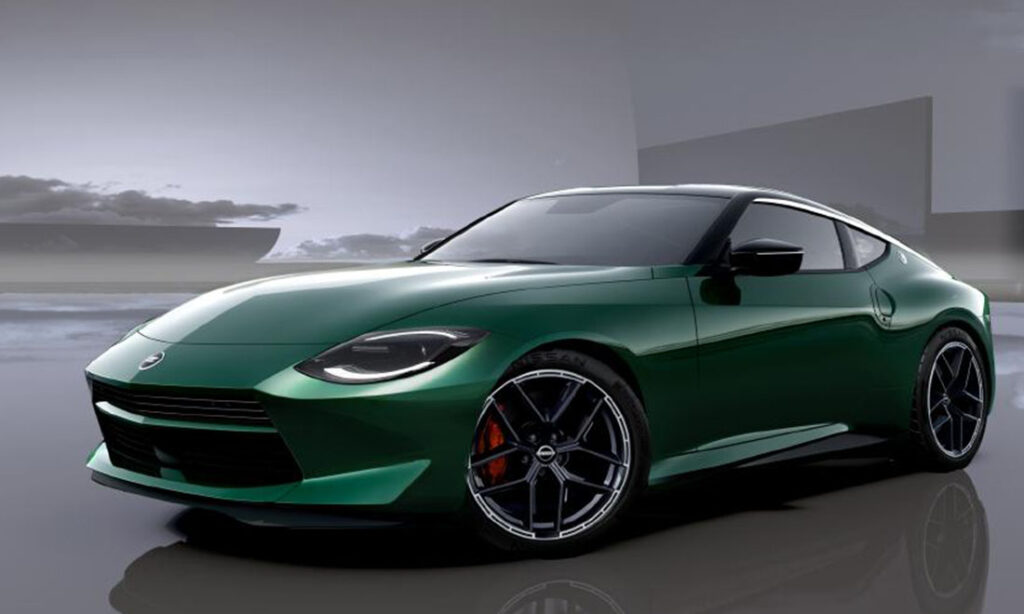
Nissan discontinued the Nissan Rogue Sport earlier this year, and now it is now joined by the Nissan Maxima. The full-size sedan segment has been dwindling and the landscape of the large sedan class is virtually nonexistent going into next year. Both the Nissan Maxima and Nissan Rogue Sport held their own as affordable options within their classes, but Nissan has decided to drop them to make room for newer EVs joining the lineup in the near future. Of the two though, the Maxima is poised to return in electrified form, but it is uncertain if this will be another full-size sedan.
McLaren Ending the 720S for Newer Model
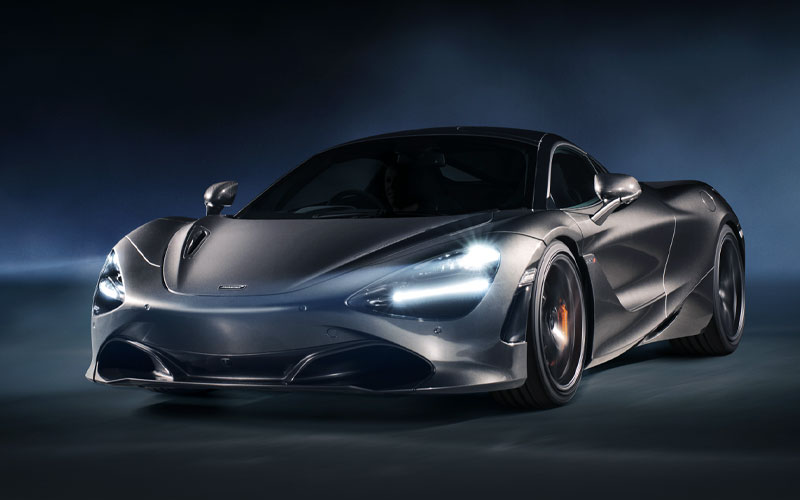
McLaren 720S is being discontinued, but its successor is already primed to take its place. The new McLaren 750S is essentially the next generation of the 720S under a different name. The 750S takes what makes the 720S a great supercar and improves upon its design, technology, and most importantly, performance.
Ferrari Replacing the Portofino M and F8 Tributo
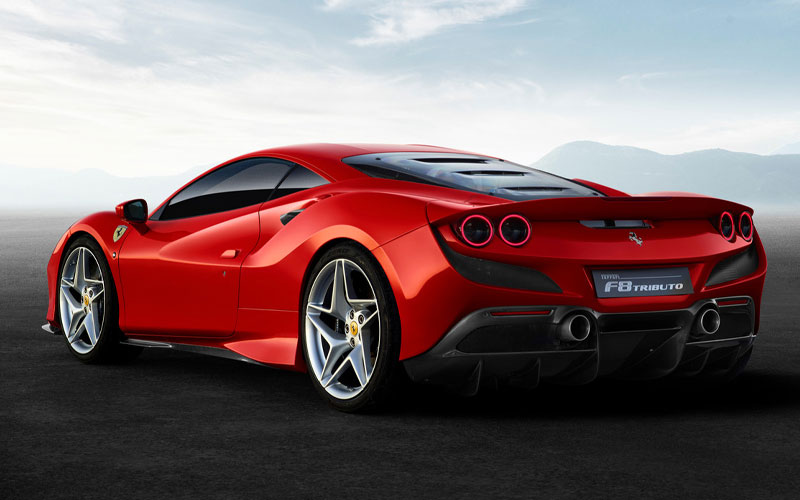
Ferrari made a couple cuts to their lineup this year. The front-engined Portofino M is due to be discontinued this year after having added the Roma to the Ferrari lineup. The other chop is to the Ferrari F8. While the illustrious supercar will still be available as a Spider, the hard topped Tributo coupe version is gone for good.
More Vehicles Rumored to End in 2024
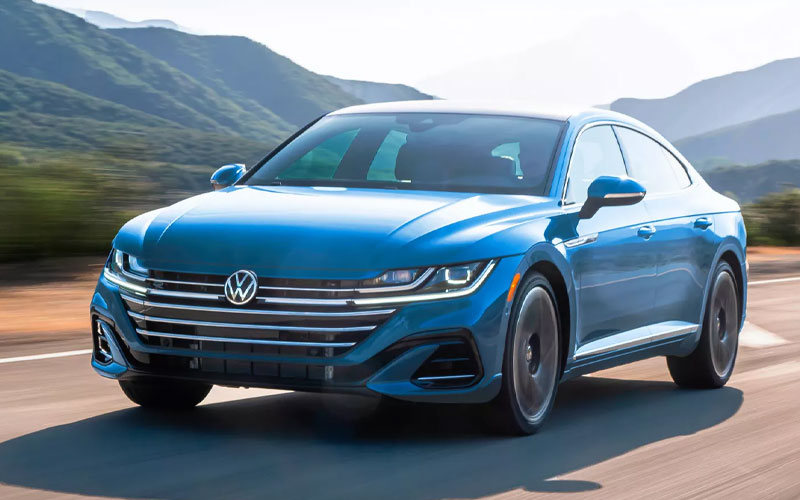
These aren’t the only cars we’ll see leaving the market soon. Next year there are plans for the Ford Edge, Nissan Titan, Mercedes-AMG GT, Volkswagen Arteon, Mitsubishi Mirage, and Lamborghini Huracán to be discontinued next year. There are also rumors swirling about the Chevrolet Camaro, Dodge Durango, and the Mercedes-Benz A-Class and B-Class being dropped for 2024 for either an all-new incoming EV or an electrified next generation. Check back for more news on upcoming and soon leaving models here on Carsforsale.com.